

South Bank (Brisbane) Travel Guide - Free
Explore South Bank in Brisbane with Evendo's free guide. Find the best shops, historic streets, restaurants, and gems on web or mobile.


South Bank Brisbane blends riverside parklands, Streets Beach, QAGOMA, local dining and cultural attractions beside the city centre for an easy urban day out.
Riverside Setting and Urban Character
South Bank occupies a broad bend of the Brisbane River directly opposite the central business district, linked to the city by the Victoria Bridge, Kurilpa Bridge and riverside pedestrian paths. What was once a working industrial and railway area has become one of Brisbane's principal cultural and recreational precincts, while the surrounding suburb of South Brisbane retains a distinct mix of older houses, apartment buildings, institutions and commercial streets. The neighbourhood's most recognisable spaces are the South Bank Parklands, where subtropical planting, lawns, lagoons and shaded paths create an unusually generous public landscape beside the high-rise city.Read more about South Bank
Culture, Gardens and the River
Food, Events and Everyday Life
Best attractions in South Bank
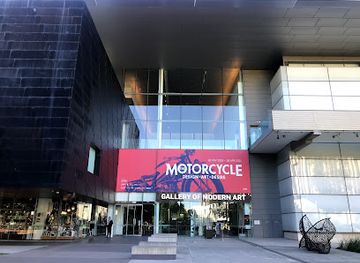
South Bank's attractions are unusually concentrated around the riverfront. The South Bank Parklands provide gardens, lawns, walking paths and public spaces, with Streets Beach offering a free swimming lagoon in the middle of the city. The Nepalese Peace Pagoda, retained from Expo 88, brings carved timber details and a more contemplative setting to the parklands, while The Wheel of Brisbane gives visitors an elevated view across the river and central business district. The Queensland Cultural Centre forms the precinct's cultural core: Queensland Art Gallery and Gallery of Modern Art present changing exhibitions, Queensland Museum explores natural and cultural history, and the State Library offers exhibitions and public spaces. Queensland Performing Arts Centre adds theatre, dance, opera and musical performances. Riverside walks, the Clem Jones Promenade and the pedestrian approaches to Victoria and Kurilpa bridges provide lower-key sightseeing between these larger attractions.
-
Visitor center
South Bank Visitor Information Centre
Explore Brisbane's South Bank with ease from the Visitor Information Centre, your source for local insights, maps, and attraction details.
4 min walk · 0.3 km from neighbourhood centre
-
Park
Roma Street Parkland
Discover Brisbane's backyard: a 16-hectare subtropical paradise with gardens, playgrounds, and year-round events in the heart of the city.
6 min drive · 2.1 km from neighbourhood centre
-
 Park
South Bank Parklands
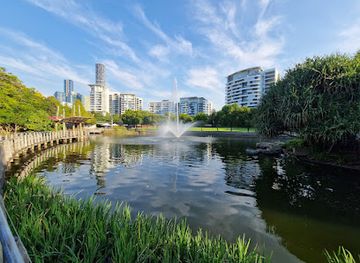
Experience the lush beauty and cultural richness of South Bank Parklands, a premier destination in the heart of Brisbane for relaxation and exploration.
9 min walk · 0.7 km from neighbourhood centre
-
Science museum
SparkLab
Explore SparkLab in South Brisbane, an interactive science museum that delights visitors with hands-on exhibits, experiments, and educational experiences for all ages.
13 min walk · 1.1 km from neighbourhood centre
Best landmarks in South Bank
The South Bank Parklands are the neighbourhood's defining physical landmark, occupying the former Expo 88 site and establishing a permanent public landscape along the river. The Nepalese Peace Pagoda remains a visible reminder of the exposition, with its carved structure set among subtropical planting. Across the Cultural Centre, the Queensland Art Gallery, Gallery of Modern Art, Queensland Museum, State Library of Queensland and Queensland Performing Arts Centre form a substantial civic and cultural group whose architecture and public forecourts help define South Bank's western side. Streets Beach is a distinctive piece of urban infrastructure: a constructed lagoon that places a beach-like recreational space beside the city's riverfront. The Wheel of Brisbane forms another readily recognised marker, while Victoria Bridge and Kurilpa Bridge connect the precinct physically and visually with the central city.
-
Visitor center
South Bank Visitor Information Centre
Explore Brisbane’s vibrant culture and attractions at the South Bank Visitor Information Centre, your first stop for local insights and tourist essentials.
4 min walk · 0.3 km from neighbourhood centre
-
Park
South Bank Parklands
Explore the lush beauty and vibrant attractions of South Bank Parklands, a perfect urban escape in Brisbane's heart.
9 min walk · 0.7 km from neighbourhood centre
-
Tourist attraction
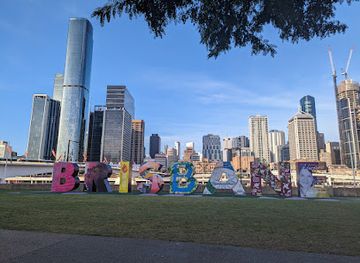
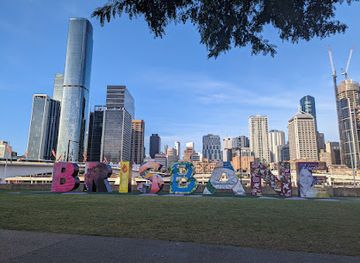
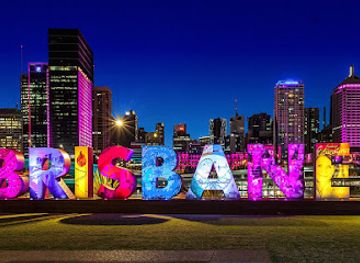
Brisbane Sign
Discover the vibrant Brisbane Sign, a colorful symbol of community and culture at the heart of South Brisbane, perfect for unforgettable photos.
11 min walk · 0.9 km from neighbourhood centre
-
Tourist attraction
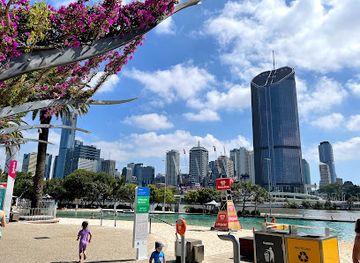
Streets Beach
Experience the refreshing escape of Streets Beach, a stunning urban lagoon in Brisbane's South Bank Parklands, perfect for families and sun-seekers.
4 min walk · 0.4 km from neighbourhood centre
Explore South Bank on the map
A handpicked selection of must-see spots in South Bank, mapped for you.
Best hotels in South Bank
Best restaurants in South Bank
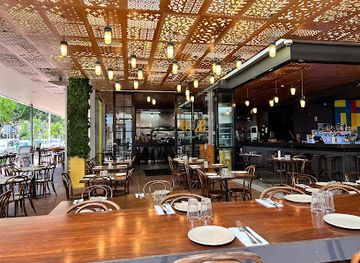
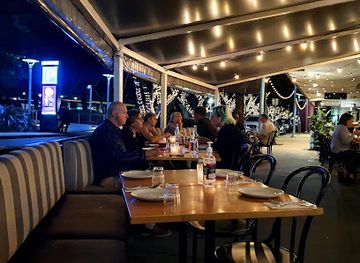
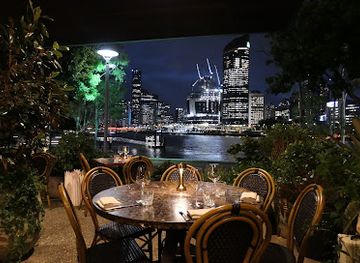
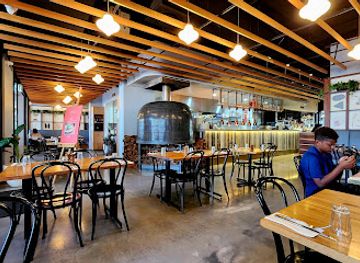
South Bank's dining scene is centred on Little Stanley Street, Grey Street and the parklands, where outdoor tables and pedestrian routes create a social atmosphere close to the river. Visitors will find cafés, bakeries, casual international food, modern Australian cooking, bars with substantial menus and restaurants suited to pre-theatre or post-performance meals. The Cultural Centre brings a steady audience for daytime refreshments and evening dining, while the parklands support informal eating, takeaway food and seasonal events rather than a single traditional cuisine. South Bank's food culture reflects Brisbane's contemporary urban character: diverse, convenient and strongly connected to leisure and entertainment. The area can become busy before performances and during weekends, and bookings may be useful for sought-after evening dining, though the broader precinct also allows spontaneous meals and coffee stops. Markets and event food offerings vary, so visitors should treat them as occasional additions rather than permanent fixtures.
-
Spanish
Olé Restaurant
Savor authentic Spanish tapas and fine wines at Olé Restaurant in South Brisbane - a culinary journey filled with vibrant flavors.
5 min walk · 0.4 km from neighbourhood centre
-
Italian
The Spaghetti House Trattoria
Experience authentic Italian flavors at The Spaghetti House Trattoria in South Brisbane—a culinary gem offering delicious pastas and pizzas.
6 min walk · 0.5 km from neighbourhood centre
-
Italian
POPOLO
Savor authentic Italian and Mediterranean cuisine in South Brisbane at POPOLO - where every dish tells a story.
3 min walk · 0.2 km from neighbourhood centre
-
Restaurant
Vici Italian Southbank
Experience authentic Italian cuisine at Vici Italian Southbank; where traditional flavors meet modern dining in Queensland's vibrant heart.
4 min walk · 0.3 km from neighbourhood centre
Best bars in South Bank
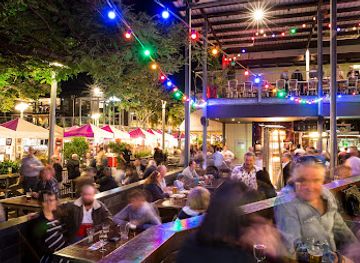
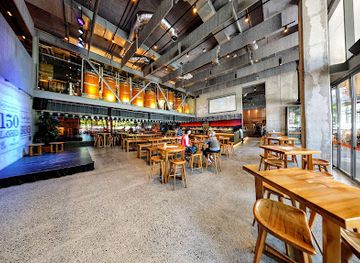
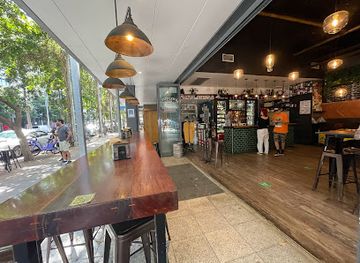
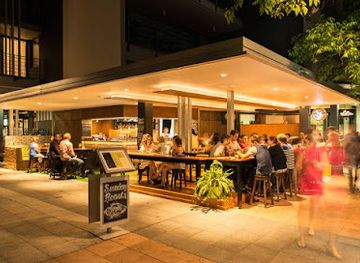
South Bank's nightlife is more centred on dining, performances and relaxed evening drinks than on a dense nightclub strip. Little Stanley Street and Grey Street have restaurants, wine bars, casual drinking venues and places suited to a pre-show meal, while the riverside and parklands become atmospheric walking areas after dark when events are taking place. Queensland Performing Arts Centre provides the neighbourhood's most substantial evening programme, with theatre, dance, opera and musical performances attracting audiences from across Brisbane. Nearby venues around the Cultural Centre may also host talks, exhibitions or special events, but their schedules change. South Bank is therefore best understood as a cultural and hospitality precinct rather than a late-night club district; visitors seeking a broader range of nightclubs can continue into Brisbane's central entertainment areas across the river.
-
Bar
The Plough Inn
Discover The Plough Inn in South Brisbane, a lively bar and restaurant offering delicious food, refreshing drinks, and vibrant live music for an unforgettable experience.
4 min walk · 0.4 km from neighbourhood centre
-
Bar
The Charming Squire
Discover the vibrant flavors and lively atmosphere of The Charming Squire, a premier bar and restaurant in South Brisbane, perfect for food and beer lovers.
10 min walk · 0.8 km from neighbourhood centre
-
Bar
Tippler's Tap
Experience the best of Brisbane's craft beer culture at Tippler's Tap - where great food meets a lively atmosphere.
2 min walk · 0.1 km from neighbourhood centre
-
Pub
Hop & Pickle
Experience the lively atmosphere and delectable pub fare at Hop & Pickle, South Brisbane's premier destination for food and fun.
2 min walk · 0.2 km from neighbourhood centre
Best nightclubs in South Bank
South Bank's nightlife is more centred on dining, performances and relaxed evening drinks than on a dense nightclub strip. Little Stanley Street and Grey Street have restaurants, wine bars, casual drinking venues and places suited to a pre-show meal, while the riverside and parklands become atmospheric walking areas after dark when events are taking place. Queensland Performing Arts Centre provides the neighbourhood's most substantial evening programme, with theatre, dance, opera and musical performances attracting audiences from across Brisbane. Nearby venues around the Cultural Centre may also host talks, exhibitions or special events, but their schedules change. South Bank is therefore best understood as a cultural and hospitality precinct rather than a late-night club district; visitors seeking a broader range of nightclubs can continue into Brisbane's central entertainment areas across the river.
-
Live music bar
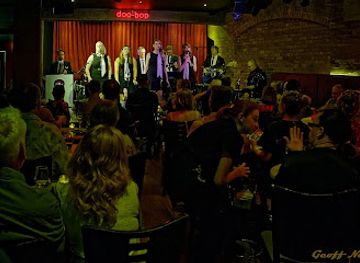
Doo-Bop Bar
Dive into Brisbane's vibrant nightlife at Doo-Bop Bar, a premier live music venue offering soulful performances and a welcoming atmosphere.
17 min walk · 1.4 km from neighbourhood centre
-
Bar
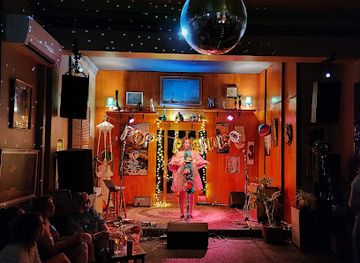
It's Still A Secret
Discover It's Still A Secret, a vibrant bar in South Brisbane offering unique cocktails, live music, and an unforgettable nightlife experience.
17 min walk · 1.4 km from neighbourhood centre
Best shops in South Bank
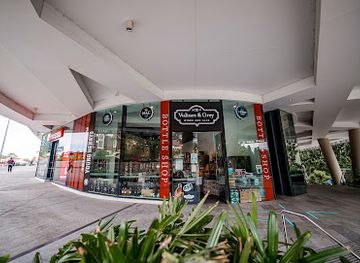
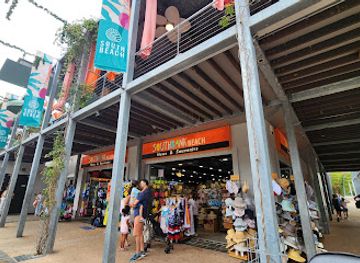
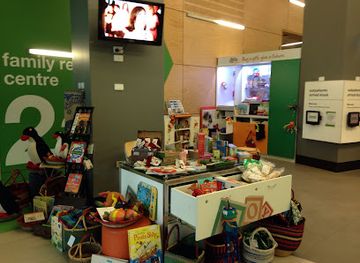
Shopping in South Bank is concentrated on hospitality, gifts, books, art-related items and convenience retail rather than large-scale fashion shopping. Little Stanley Street and Grey Street contain small businesses serving visitors and local diners, while the Cultural Centre's institutions provide shops associated with exhibitions, books, design and cultural merchandise. The South Bank Parklands periodically host markets and event stalls, but these are not a permanent substitute for Brisbane's major retail districts. Visitors may find locally themed gifts, Australian design products, books, crafts and food-oriented purchases, with the strongest cultural retail connection around the galleries, museum and performing arts venues. The precinct is more rewarding for combining browsing with galleries, gardens and dining than for a dedicated shopping expedition. For department stores and a broader mainstream selection, Brisbane's central business district lies directly across the river rather than within South Bank itself.
-
Shopping mall
Southpoint South Bank
Discover the ultimate shopping and dining experience at Southpoint South Bank, South Brisbane's vibrant shopping mall with diverse options.
1 min walk · 0.1 km from neighbourhood centre
-
Gift shop
QAGOMA Store
Explore the vibrant QAGOMA Store in South Brisbane for unique gifts, art books, and locally crafted treasures to commemorate your visit.
17 min walk · 1.3 km from neighbourhood centre
-
Gift shop
Australia the Gift
Discover the essence of Australia at Australia the Gift, your one-stop shop for unique souvenirs and local treasures in South Brisbane.
4 min walk · 0.3 km from neighbourhood centre
-
Gift shop
Thinking of You Gift
Discover unique gifts and heartfelt tokens at Thinking of You Gift in South Brisbane, where quality and creativity unite for perfect presents.
5 min walk · 0.4 km from neighbourhood centre
South Bank essentials
Getting There
Getting Around
Safety
Emergency Situations
Do's and Don'ts
Local Tips

From Eve
Local phrases worth knowing
You don't need to get them perfect. A few words go a long way, and locals appreciate the effort.
Basics
| English | Local | Say it |
|---|---|---|
| Hello | G'day | [g'day] |
| Goodbye | See ya | [see ya] |
| Yes | Yeah | [yeah] |
| No | Nah | [nah] |
| Please/You're welcome | Cheers | [cheers] |
| Thank you | Ta | [ta] |
| Excuse me/Sorry | Sorry mate | [sorry mate] |
| How are you? | How ya goin'? | [how ya goin'] |
| Fine. And you? | Good. You? | [good. you?] |
| Do you speak English? | Speak English? | [speak english?] |
| I don't understand | I'm lost mate | [i'm lost mate] |
Eating & Drinking
| English | Local | Say it |
|---|---|---|
| I'd like to see the menu, please | Can I check the menu, mate? | [can i check the menu, mate?] |
| I don't eat meat | I'm vego | [i'm vego] |
| Cheers! | Cheers! | [cheers!] |
| I would like to pay, please | Can I pay, mate? | [can i pay, mate?] |
Emergencies
| English | Local | Say it |
|---|---|---|
| Help! | Help! | [help!] |
| Go away! | Bugger off! | [bugger off!] |
| Call the Police! | Get the cops! | [get the cops!] |
| Call a doctor! | Need a doc! | [need a doc!] |
| I'm lost | Lost, mate | [lost, mate] |
| I'm ill | Crook as a dog | [crook as a dog] |
Shopping
| English | Local | Say it |
|---|---|---|
| I'd like to buy... | I wanna grab... | [i wanna grab...] |
| I'm just looking | Just browsing, mate | [just browsing, mate] |
| How much is it? | How much? | [how much?] |
| That's too expensive | Too dear | [too dear] |
| Can you lower the price? | Can you do it cheaper? | [can you do it cheaper?] |
Time & Numbers
| English | Local | Say it |
|---|---|---|
| What time is it? | What's the time? | [what's the time?] |
| It's one o'clock | It's one | [it's one] |
| Half past (10) | Half ten | [half ten] |
| Morning | Mornin' | [mornin'] |
| Afternoon | Arvo | [arvo] |
| Evening | Evenin' | [evenin'] |
| Yesterday | Yesty | [yesty] |
| Today | Today | [today] |
| Tomorrow | Tomorra | [tomorra] |
| 1 | One | [one] |
| 2 | Two | [two] |
| 3 | Three | [three] |
| 4 | Four | [four] |
| 5 | Five | [five] |
| 6 | Six | [six] |
| 7 | Seven | [seven] |
| 8 | Eight | [eight] |
| 9 | Nine | [nine] |
| 10 | Ten | [ten] |
Transport & Directions
| English | Local | Say it |
|---|---|---|
| Where's a/the...? | Where's the...? | [where's the...?] |
| What's the address? | What's the addy? | [what's the addy?] |
| Can you show me (on the map)? | Can you show me (on the map)? | [can you show me (on the map)?] |
| When's the next (bus)? | When's the next (bus)? | [when's the next (bus)?] |
| A ticket (to ....) | A ticket (to ....) | [a ticket (to ....)] |
History of South Bank
Traditional Custodians and Early Riverside Land
The South Brisbane and South Bank riverfront lies within the traditional lands of Aboriginal peoples including the Jagera and Turrbal communities, whose connections to the Brisbane River and surrounding country long predate European settlement. After the establishment of the Moreton Bay penal colony in 1825, the southern riverbank became part of the expanding settlement around the river crossing. Its location opposite the early town made it useful for movement, trade and later urban development, although the shoreline and adjoining land changed substantially as roads, wharves and industry were introduced.
Wharves, Railways and South Brisbane
During the nineteenth century, South Brisbane developed as an important commercial district on the southern side of the river. Warehouses, hotels, shops, wharves and transport links grew around the river landing and the South Brisbane railway connection, opened in the 1880s as Brisbane's rail network expanded. The area served workers, traders and travellers, while nearby streets acquired a dense urban character. Industrial and railway uses shaped the riverfront for decades, leaving South Bank with a working rather than purely residential identity before later redevelopment changed its relationship with the water.
From Industrial Ground to Expo Site
Much of the land now occupied by the South Bank Parklands was formerly used for railway sidings, industry and other utilitarian purposes. A decisive transformation came with Expo 88, Brisbane's international exposition, held on the southern riverbank from May to October 1988. The event brought major public investment and international attention to the precinct, but its temporary buildings and landscaped grounds did not automatically determine South Bank's future. Planning after the exposition focused on retaining a substantial public riverside area while integrating cultural institutions, transport connections and new leisure uses.
Parklands and the Contemporary Cultural Precinct
The South Bank Parklands opened in 1992, converting the former Expo site into a permanent system of gardens, lawns, paths, lagoons and public gathering places. Subsequent development added attractions such as Streets Beach and The Wheel of Brisbane, while the Queensland Cultural Centre continued to anchor the area with museums, galleries, performance spaces and the State Library. The precinct's modern identity therefore combines planned post-Expo regeneration with the older civic and commercial life of South Brisbane. It remains a major public meeting place, while ongoing development has added apartments, hospitality venues and event infrastructure around the established parkland.
South Bank in Photos
Browse through our photo collection highlighting the charm and character of the destination.
Neighbourhoods near South Bank
The closest neighbourhoods to South Bank, if you have time for more than one stop.
-

-
-
-


Swipe for more neighbourhoods
Explore more
Explore more of Brisbane
Brisbane blends subtropical river scenery, Queensland heritage, major galleries, lively neighbourhoods and easy access to coastal and hinterland escapes across Queensland, Australia.
Explore Brisbane