

Zell am See-Kaprun, Austria Travel Guide
Discover Zell am See-Kaprun: Alpine beauty, adventure, and relaxation in the heart of Austria's stunning mountains and lakes.
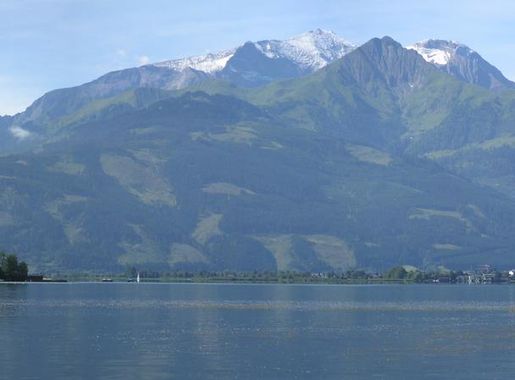
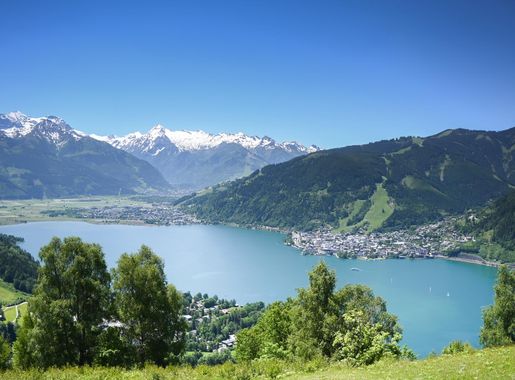
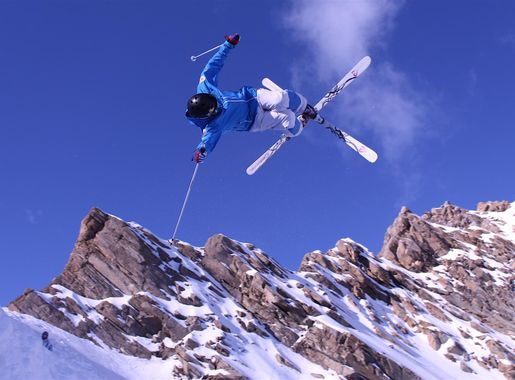
Nestled in the heart of the Austrian Alps, Zell am See-Kaprun is a picturesque destination that offers a perfect blend of natural beauty and adventure. With its stunning lake, majestic mountains, and charming villages, it is a paradise for nature lovers and outdoor enthusiasts alike. Whether you are looking to ski on the Kitzsteinhorn glacier, hike through lush alpine meadows, or simply relax by the serene Zeller See, this destination has something for everyone. In summer, Zell am See-Kaprun transforms into a haven for water sports and mountain activities. The crystal-clear lake invites you for a refreshing swim, a peaceful boat ride, or thrilling water skiing. Meanwhile, the surrounding mountains offer countless trails for hiking and biking, with breathtaking views at every turn. The region is also home to the spectacular Sigmund-Thun Gorge and the impressive Krimml Waterfalls, which are a must-visit for any nature enthusiast. Winter in Zell am See-Kaprun is equally enchanting. The area boasts some of Austria's best ski slopes, with guaranteed snow on the Kitzsteinhorn glacier. From skiing and snowboarding to snowshoeing and ice skating, winter sports lovers will find plenty to keep them entertained. After an active day outdoors, you can unwind in one of the cozy mountain huts or indulge in Austrian culinary delights at a local restaurant. The charming town of Zell am See, with its historic buildings and lively atmosphere, adds to the allure of this alpine destination.

Know before you go
Hi, I'm Eve. Here are a few practical things to know before exploring Zell am See-Kaprun.
- Visit in both summer and winter to experience the full range of activities and landscapes.
- Purchase a Zell am See-Kaprun Summer Card for discounts on attractions and transport.
- Take a scenic boat tour on Lake Zell for unparalleled views of the surrounding mountains.
- Explore the Sigmund-Thun Gorge early in the morning to avoid crowds.
- Try local Austrian dishes like Kaiserschmarrn and Wiener Schnitzel at traditional eateries.
- Book ski passes and equipment in advance during peak winter season.
Explore Zell am See-Kaprun: Things to Do, Places to Eat, Hotels & More
Handpicked recommendations for top attractions, local dining, accommodations, and more

Best attractions in Zell am See-Kaprun
Top-rated picks
Best Attractions

Aussichtspunkt Mooserboden
Experience breathtaking alpine views and discover the history of sustainable energy at the impressive Mooserboden Reservoir in Kaprun, Austria.

Zell am See Wasserspiele
Experience the magic of Zell am See with the enchanting Wasserspiele: a free spectacle of water, light, and music on Lake Zell.

Zell am see esplanade
Experience the beauty of Lake Zell at the Esplanade: stunning views, charming cafes, and endless activities in the heart of the Austrian Alps.

Brunnen am Stadtplatz
Experience the charm of Zell am See at its heart, a historic fountain with alpine views and vibrant culture. A perfect starting point to explore the city!

Best landmarks in Zell am See-Kaprun
Top-rated picks
Best Landmarks

Kitzsteinhorn Gipfel
Experience the majestic Kitzsteinhorn: Salzburg's highest glacier offering year-round alpine adventures, panoramic views, and unforgettable moments above the clouds.

Gipfelwelt 3000
Experience Austria's high-alpine world at Gipfelwelt 3000: panoramic views, cultural insights, and year-round adventures on the Kitzsteinhorn glacier.

Kitzsteinhorn
Experience the thrill of Austria's first glacier ski resort, offering year-round alpine adventures and breathtaking views from the 'Top of Salzburg'.
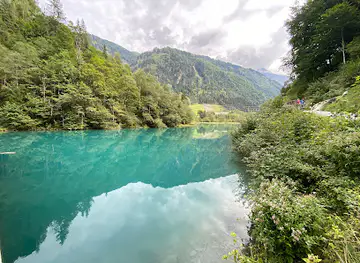
Sigmund Thun Gorge
Explore the stunning Sigmund Thun Gorge in Kaprun: a natural wonder carved by glacial waters, featuring dramatic rock formations and cascading waterfalls.

Best restaurants in Zell am See-Kaprun
Top-rated picks
Best Restaurants
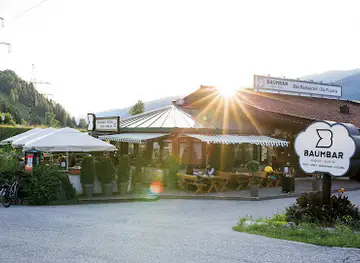
Baumbar
Experience authentic Austrian cuisine and vibrant nightlife at Baumbar in Kaprun—where delicious food meets lively entertainment.

Hilberger's Beisl
Savor traditional Austrian flavors in a cozy atmosphere at Hilberger's Beisl with delightful outdoor seating.
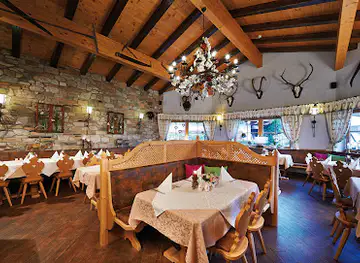
Dorfkrug Kaprun Appartements und Restaurant
Discover authentic Austrian cuisine at Dorfkrug Kaprun, where tradition meets taste in a charming alpine setting.

Gastwirtschaft Tafern
Experience authentic Austrian and Mediterranean cuisine at Gastwirtschaft Tafern in Kaprun – where every meal is a celebration of flavor.

Best bars in Zell am See-Kaprun
Top-rated picks
Best Bars

Villa Crazy Daisy
Experience the vibrant culinary scene at Villa Crazy Daisy, where local flavors meet international cuisine in the heart of Zell am See.
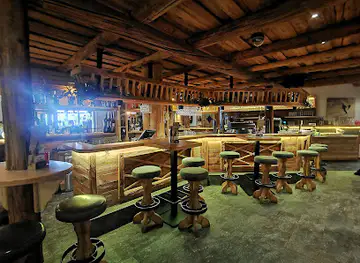
Baumbar
Discover Baumbar in Kaprun: where delectable dining meets lively nightlife in the heart of the Austrian Alps.

Gastwirtschaft Tafern
Discover the perfect fusion of Austrian and Mediterranean cuisine at Gastwirtschaft Tafern in Kaprun, a culinary gem surrounded by stunning alpine views.

Cafe & Restaurant Kennidi
Experience local flavors and warm hospitality at Cafe & Restaurant Kennidi in Kaprun, a perfect spot for food lovers and coffee enthusiasts.

Best nightclubs in Zell am See-Kaprun
Top-rated picks
Best Nightclubs

Pinzgauer Diele - Pizzeria - Disco - Apres Ski
Experience the perfect blend of delicious pizza, cozy coffee, and electrifying nightlife at Pinzgauer Diele in Zell am See.

GINHOUSE | Pub | Zell am See
Experience lively nights at GINHOUSE in Zell am See, where great drinks and a vibrant atmosphere await every visitor.

Bernsteins Bar
Experience the vibrant nightlife at Bernsteins Bar in Zell am See, where cocktails and camaraderie come together in a stunning alpine setting.

Parasol Apres Sky
Discover the lively atmosphere of Parasol Apres Sky, where après-ski fun meets stunning alpine views and refreshing drinks.

Best shops in Zell am See-Kaprun
Top-rated picks
Best Shops

Bründl Sports Flagshipstore
Discover top-notch sporting goods and expert advice at Bründl Sports Flagshipstore in Kaprun, your go-to destination for outdoor adventures.

Adeg Supermarkt
Discover the convenience of Adeg Supermarkt in Kaprun, your ultimate grocery destination for fresh produce, local specialties, and everyday essentials.

H&M
Explore affordable fashion for the whole family at H&M in Zell am See – a must-visit clothing store for trendsetters and shoppers alike.

Teekorb & Tridor Zell am See specialty coffee roastery coffeeshop regionale Kaffeerösterei Cafe Kaffee tea
Experience exceptional coffee and tea at Teekorb & Tridor Zell am See, where quality and local charm blend seamlessly.

Explore Zell am See-Kaprun on the Map
A handpicked selection of must-see spots in Zell am See-Kaprun, mapped for you.
Zell am See-Kaprun Essentials
-
Zell am See-Kaprun is located in the Salzburg region of Austria. The nearest major airport is Salzburg Airport (W.A. Mozart), approximately 80 kilometers away. From Salzburg, you can take a direct train to Zell am See, which typically takes around 1.5 hours. Alternatively, you can rent a car and drive, which offers a scenic route through the Austrian Alps. Another option is to fly into Munich International Airport, which is about 200 kilometers away, and then take a train or drive to Zell am See-Kaprun.
-
Within Zell am See-Kaprun, local transportation options include buses, taxis, and rental cars. The area is well-connected by public buses, which can take you to nearby attractions and ski lifts. The ÖBB Postbus network provides regular services between Zell am See and Kaprun. Taxis are available but can be more expensive. For those looking to explore at their own pace, renting a car is a convenient option. Additionally, the Pinzgauer Lokalbahn, a narrow-gauge railway, offers a picturesque journey through the region.
-
The official currency in Austria is the Euro (EUR). Credit cards are widely accepted in hotels, restaurants, and shops in Zell am See-Kaprun. However, it is advisable to carry some cash, especially for smaller establishments and rural areas. ATMs are readily available throughout the region, allowing you to withdraw cash as needed. It's also a good idea to inform your bank of your travel plans to avoid any issues with card transactions.
-
Zell am See-Kaprun is generally a safe destination for tourists. However, as with any travel destination, it's important to take standard precautions. Avoid leaving valuables unattended and be cautious in crowded places to prevent pickpocketing. There are no specific high-crime areas targeting tourists, but it's always best to stay vigilant and aware of your surroundings. The local police are approachable and helpful if you need assistance.
-
In case of emergency, dial 112 for immediate assistance, which will connect you to emergency services including police, fire, and medical help. Zell am See-Kaprun has a well-equipped hospital and several medical facilities for urgent care. Pharmacies are available for minor health issues, where you can purchase over-the-counter medications. It is recommended to have travel insurance that covers medical emergencies and other unexpected incidents.
-
Fashion: Do dress in layers, as the weather can change quickly, especially in the mountains. Avoid overly casual clothing when dining in upscale restaurants. Religion: Do respect local customs and traditions, especially when visiting churches. Remove hats and speak softly inside religious sites. Public Transport: Do validate your ticket before boarding trains or buses. Don't put your feet on seats or eat and drink on public transport. Greetings: Do greet people with a friendly 'Grüß Gott' or 'Hallo'. A handshake is also customary. Eating & Drinking: Do try local delicacies and be polite when offered food. Don't rush your meals; Austrians appreciate taking time to enjoy their food.
-
To experience Zell am See-Kaprun like a local, visit the weekly markets where you can buy fresh produce and regional specialties. Engage with locals, who are often friendly and willing to share tips about the area. Don't miss the opportunity to hike or bike around Lake Zell for stunning views. For a unique experience, take a ride on the Schmittenhöhebahn cable car for panoramic views of the Alps. If you visit in winter, make sure to explore the ski slopes and après-ski culture. For a cultural experience, attend one of the local festivals or events, which offer a glimpse into the region's traditions and hospitality.
When is the best time to visit Zell am See-Kaprun?
Useful Local Phrases for Zell am See-Kaprun
You don't need to speak the language perfectly. Even learning a few simple words can make conversations warmer—and locals usually appreciate the effort.
— Eve

Here are the phrases I use most often in Zell am See-Kaprun. Try a few—you'll be surprised how far they go! 😊
❤️
-
- HelloHallo
[hah-loh] - GoodbyeAuf Wiedersehen
[owf vee-duhr-zay-en] - YesJa
[yah] - NoNein
[nine] - Please/You're welcomeBitte
[bih-tuh] - Thank youDanke
[dahn-kuh] - Excuse me/SorryEntschuldigung
[ent-shool-dee-goong] - How are you?Wie geht's?
[vee gayts] - Fine. And you?Gut. Und dir?
[goot. oont deer] - Do you speak English?Sprechen Sie Englisch?
[shprek-uhn zee eng-leesh] - I don't understandIch verstehe nicht
[ihk fer-shtay-uh nikht]
- HelloHallo
-
- I'd like to see the menu, pleaseIch möchte die Speisekarte sehen, bitte
[ihk merkhte dee shpy-zuh-kahr-teh zay-en, bih-tuh] - I don't eat meatIch esse kein Fleisch
[ihk ess-uh kine flysh] - Cheers!Prost!
[prohst] - I would like to pay, pleaseIch möchte bitte bezahlen
[ihk merkhte bih-tuh beh-tsah-len]
- I'd like to see the menu, pleaseIch möchte die Speisekarte sehen, bitte
-
- Help!Hilfe!
[hil-fuh] - Go away!Gehen Sie weg!
[gay-en zee vehg] - Call the Police!Rufen Sie die Polizei!
[roof-en zee dee poh-lee-tsay] - Call a doctor!Rufen Sie einen Arzt!
[roof-en zee igh-nen ahrts] - I'm lostIch bin verloren
[ihk been fer-loh-ren] - I'm illIch bin krank
[ihk been krank]
- Help!Hilfe!
-
- I'd like to buy...Ich möchte... kaufen
[ihk merkhte... kow-fen] - I'm just lookingIch schaue nur
[ihk shoye noor] - How much is it?Wie viel kostet das?
[vee feel kowstet dahs] - That's too expensiveDas ist zu teuer
[dahs ist tsoo toy-er] - Can you lower the price?Können Sie den Preis senken?
[kewn-en zee den prees zeng-ken]
- I'd like to buy...Ich möchte... kaufen
-
- What time is it?Wie spät ist es?
[vee shpayt ist es] - It's one o'clockEs ist ein Uhr
[es ist ine oor] - Half past (10)Halb zehn
[halb tsehn] - MorningMorgen
[mohr-gen] - AfternoonNachmittag
[nahkh-mee-tahk] - EveningAbend
[ah-bent] - YesterdayGestern
[geh-stern] - TodayHeute
[hoy-teh] - TomorrowMorgen
[mohr-gen] - 1Eins
[eyns] - 2Zwei
[tsvay] - 3Drei
[dry] - 4Vier
[feer] - 5Fünf
[foonf] - 6Sechs
[zeks] - 7Sieben
[zee-ben] - 8Acht
[ahkt] - 9Neun
[noyn] - 10Zehn
[tsehn]
- What time is it?Wie spät ist es?
-
- Where's a/the...?Wo ist ein/der...?
[voh ist ine/dehr] - What's the address?Was ist die Adresse?
[vahs ist dee ah-dreh-suh] - Can you show me (on the map)?Können Sie mir zeigen (auf der Karte)?
[kewn-en zee meer tsay-gen (owf dehr kahr-teh)] - When's the next (bus)?Wann kommt der nächste (Bus)?
[vahn kohmt dehr nehkh-stuh (boos)] - A ticket (to ....)Eine Fahrkarte (nach ....)
[ey-ne fahr-kahr-teh (nahkh)]
- Where's a/the...?Wo ist ein/der...?
History of Zell am See-Kaprun
-
Zell am See-Kaprun's history dates back to the Neolithic period, with evidence of early settlements in the region. The area later came under Roman influence when the Roman Empire expanded into the region around 15 BC. The Romans recognized the strategic importance of the Alpine passes and established various settlements, with some road networks still traceable today.
-
The town of Zell am See was officially founded in 740 AD by monks from Salzburg. It quickly became an important religious and administrative center. The region saw the construction of the St. Hippolyte's Church in the 10th century, which remains one of the oldest buildings in the area. The church's unique elevated walkway and Romanesque architecture are a testament to its historical significance.
-
During the 12th century, the region came under the control of the Counts of Pinzgau, who played a crucial role in the development of Zell am See. The counts established trade routes and improved agricultural practices, laying the foundation for the area's economic growth. The construction of the Vogtturm, a medieval watchtower, during this period highlights the strategic importance of Zell am See.
-
In the 14th century, Zell am See-Kaprun became part of the Habsburg Monarchy. This era brought significant economic and cultural development to the region. The Habsburgs invested in infrastructure, including roads and bridges, which facilitated trade and tourism. The introduction of mining in the nearby Hohe Tauern mountains also contributed to the economic prosperity of the region.
-
The 19th century marked the beginning of tourism in Zell am See-Kaprun. The opening of the Gisela Railway in 1875 made the region more accessible to visitors. The scenic beauty of Lake Zell and the surrounding mountains attracted tourists from all over Europe. The establishment of hotels and guesthouses catered to the growing number of visitors, setting the stage for Zell am See-Kaprun's reputation as a premier travel destination.
-
During World War II, Zell am See-Kaprun was not spared from the conflict. The region saw the presence of German military forces, and some buildings were damaged. After the war, the community focused on rebuilding and revitalizing the tourism industry. Investments were made in modernizing infrastructure and promoting Zell am See-Kaprun as a year-round destination for outdoor activities and relaxation.
-
In the mid-20th century, the development of Kaprun and the Kitzsteinhorn Glacier significantly boosted the region's appeal. The construction of the first cable car in 1965 allowed visitors to access the glacier for skiing and snowboarding year-round. This development transformed Kaprun into a major winter sports destination and contributed to the area's economic growth.
-
Zell am See-Kaprun is rich in cultural heritage, with traditions that have been preserved for centuries. The region hosts various festivals, such as the Zell Summer Night Festival and the Harvest Festival, which celebrate local customs, music, and cuisine. These events provide visitors with an immersive experience of the area's vibrant culture and history.
Cities in Zell am See-Kaprun
Browse our curated selection of top destinations, scenic points, and must-visit spots in the area.

Neighbouring destination travel guides
Browse our curated selection of top destinations, scenic points, and must-visit spots in the area.

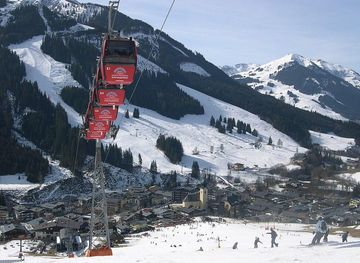

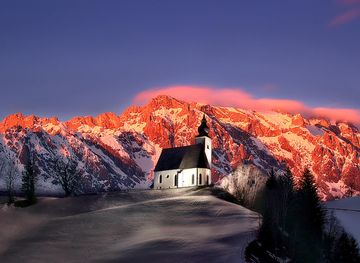


Your all‑in‑one travel companion app
Explore expert travel guides, compare and book tours, experiences, hotels, and more—all from the palm of your hand. Download now for seamless trip planning wherever your wanderlust takes you.


Explore More of Pinzgau
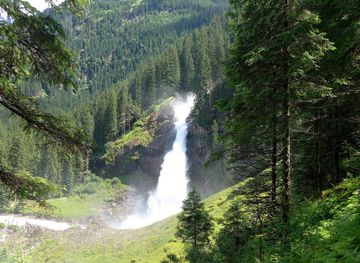
Looking beyond Zell am See-Kaprun? Discover Pinzgau for broader travel guides, local hot-spots, and regional highlights.
Explore PinzgauExplore More of Austria
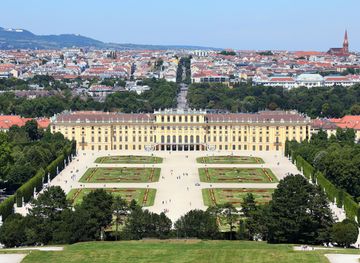
Looking beyond Zell am See-Kaprun? Discover Austria for broader travel guides, local hot-spots, and regional highlights.
Explore AustriaZell am See-Kaprun in Photos
Browse through our photo collection highlighting the charm and character of the destination.





Zell am See-Kaprun: The Alpine Gem of Austria
Nestled in the heart of the Austrian Alps, Zell am See-Kaprun is a picturesque destination that offers a perfect blend of natural beauty and adventure. With its stunning lake, majestic mountains, and charming villages, it is a paradise for nature lovers and outdoor enthusiasts alike. Whether you are looking to ski on the Kitzsteinhorn glacier, hike through lush alpine meadows, or simply relax by the serene Zeller See, this destination has something for everyone. In summer, Zell am See-Kaprun transforms into a haven for water sports and mountain activities. The crystal-clear lake invites you for a refreshing swim, a peaceful boat ride, or thrilling water skiing. Meanwhile, the surrounding mountains offer countless trails for hiking and biking, with breathtaking views at every turn. The region is also home to the spectacular Sigmund-Thun Gorge and the impressive Krimml Waterfalls, which are a must-visit for any nature enthusiast. Winter in Zell am See-Kaprun is equally enchanting. The area boasts some of Austria's best ski slopes, with guaranteed snow on the Kitzsteinhorn glacier. From skiing and snowboarding to snowshoeing and ice skating, winter sports lovers will find plenty to keep them entertained. After an active day outdoors, you can unwind in one of the cozy mountain huts or indulge in Austrian culinary delights at a local restaurant. The charming town of Zell am See, with its historic buildings and lively atmosphere, adds to the allure of this alpine destination.