

Sozopol Travel Guide - Free Web & App
Your ultimate guide to Sozopol. Discover top landmarks, proposed trips, and local tips. Free on the web or via the Evendo companion app.


Sozopol, Bulgaria blends ancient Apollonia, timber-framed houses, Black Sea beaches, island boat trips, seafood and a lively summer arts scene.
Coast, Islands and Old Town
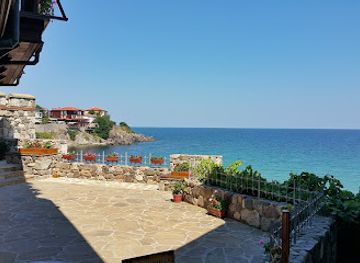
Sozopol occupies a rocky peninsula on Bulgaria’s southern Black Sea coast, around 35 kilometres south of Burgas. Its historic core, known as the Old Town, is a compact maze of cobbled lanes, stone foundations and timber-framed houses overlooking small coves and the open sea. Beyond the peninsula, the modern town stretches towards broad sandy beaches, while the coastline continues south to the dunes and bays of Kavatsite. The nearby islands of St Ivan and St Peter add a maritime dimension to the view, although access and boat excursions are seasonal and weather-dependent.Read more about Sozopol
Apollonia and the Modern Resort
Exploring Southern Sozopol
When is the best time to visit Sozopol?
Best: May–June, September · 22–27°C| Month | High (°C) | Rainfall (mm) |
|---|---|---|
| January | 8 | 40 |
| February | 9 | 34 |
| March | 10 | 28 |
| April | 15 | 20 |
| May (best) | 22 | 11 |
| June (best) | 27 | 8 |
| July | 30 | 6 |
| August | 31 | 7 |
| September (best) | 27 | 15 |
| October | 21 | 34 |
| November | 15 | 43 |
| December | 11 | 44 |
Getting to and around Sozopol
How to get there
Transportation
Best attractions in Sozopol
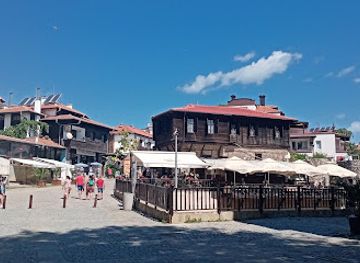
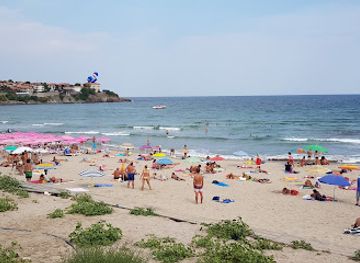
Sozopol’s principal attraction is its Old Town, where cobbled lanes lead between traditional timber-framed houses, small churches, galleries and viewpoints over the Black Sea. The Archaeological Museum presents material from ancient Apollonia Pontica and later periods, while the Southern Fortress Wall offers a visible reminder of the peninsula’s defensive history. Central Beach lies beside the historic core, and the larger Harmanite Beach extends along the newer part of town with seasonal visitor facilities. South of the built-up area, Kavatsite is known for its sandy shore and coastal vegetation, although access and facilities vary by season. The harbour provides the setting for maritime excursions when conditions permit, including views towards St Ivan and St Peter islands. The Apollonia Arts Festival adds theatre, music, literature and visual art to the summer calendar, while nearby Ravadinovo, outside Sozopol’s historic centre, offers a separate excursion centred on its heavily reconstructed castle attraction.
-
Tourist attraction
Cape Agalina
Discover Cape Agalina: Sozopol's stunning coastal escape with dramatic cliffs, serene bays, and a touch of ancient history.
-
Tourist attraction
Sozopol Archaeological Museum
Discover the rich history of Sozopol at the Archaeological Museum, where ancient artifacts unveil the stories of yesteryear.
-
Tourist attraction
Paradise Bay
Discover the serene beauty of Paradise Bay, a tranquil beach haven in Budzhaka with warm waters and picturesque views for a perfect getaway.
-
Tourist attraction
Sozopol Ethnographic Museum
Discover Bulgaria's cultural heritage at the Sozopol Ethnographic Museum, a treasure trove of traditional artifacts and local history.


Best landmarks in Sozopol
The peninsula of Sozopol is itself the defining landmark, projecting into the Black Sea and preserving the historic relationship between town, harbour and coast. The Southern Fortress Wall and its surviving towers mark the defensive edge of the old settlement, while the Church of Saints Cyril and Methodius and the Church of St Zosimus represent the town’s continuing Orthodox heritage. The Archaeological Museum is an important cultural landmark for understanding Apollonia Pontica, whose ancient burial areas, foundations and artefacts survive within the modern town and surrounding archaeological landscape. Traditional houses with stone ground floors and timber-clad upper levels give the Old Town its characteristic appearance. Offshore, St Ivan and the smaller St Peter island form prominent maritime landmarks, with St Ivan also associated with the medieval monastery of St John the Baptist and archaeological remains.
-
Castle
Castle of Ravadinovo
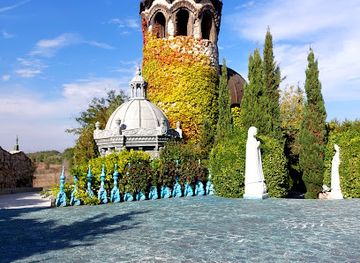
Explore the enchanting Castle of Ravadinovo, a stunning Gothic masterpiece in Bulgaria surrounded by lush gardens and rich history.
-
Tourist attraction
Harmanite Beach
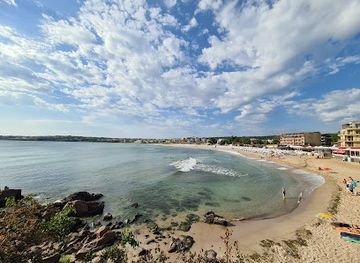
Discover the tranquility of Harmanite Beach in Sozopol, Bulgaria – a perfect blend of sun, sand, and local cuisine for an unforgettable seaside escape.
-
Archaeological museum
Sozopol Archaeological Museum
Explore Bulgaria's ancient heritage at the Sozopol Archaeological Museum, where history comes alive through captivating artifacts and rich cultural narratives.
-
Archaeological site
Arch of the ancient city of Apollonia
Discover the Arch of Apollonia, a stunning archaeological site that reveals the rich history of ancient Greece in the charming town of Sozopol, Bulgaria.
Explore Sozopol on the map
Plan your trip on one map. See where the top attractions, landmarks, restaurants and hotels are, and book hotels and experiences in a few clicks.
Best hotels in Sozopol
Best restaurants in Sozopol
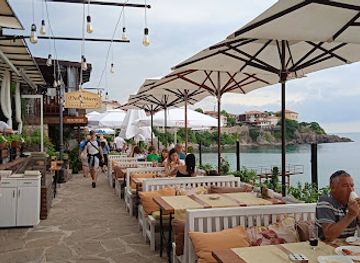
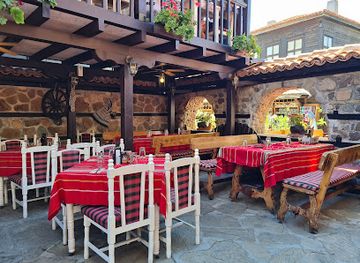
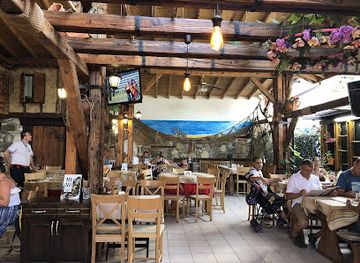
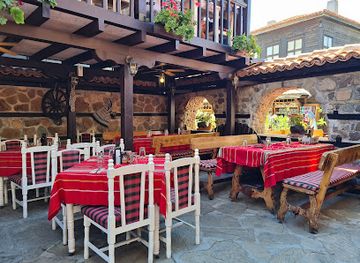
Sozopol’s dining identity is rooted in the Black Sea, with fish, mussels, squid and other seafood appearing alongside Bulgarian salads, grilled meats, seasonal vegetables and bread. Traditional restaurants and family-run eateries are concentrated in the Old Town, harbour area and newer streets, while cafés and beach establishments provide simpler meals during the main season. Local menus may include familiar Bulgarian dishes such as shopska salad, grilled fish and banitsa, alongside regional wines from the southern Black Sea and Thracian areas. The best choice of restaurants is available in summer, whereas some seasonal venues close or reduce their service outside the holiday period. Visitors staying in self-catering accommodation can find everyday provisions in Sozopol, while Burgas offers a broader range of supermarkets, specialist food shops and restaurants.
-
Restaurant
Del Muro
Experience exquisite Bulgarian cuisine at Del Muro in Sozopol - where tradition meets modern culinary artistry.
-
Bulgarian
Механа Созопол
Savor traditional Bulgarian dishes in a charming setting at Механа Созопол - where every meal tells a story.
-
Restaurant
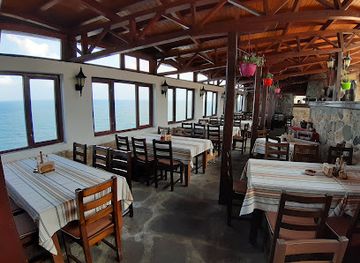
The Windmill
Experience authentic Bulgarian cuisine at The Windmill, where every dish tells a story amidst breathtaking coastal views.
-
Restaurant
Баракуда Созопол
Discover exquisite seafood and traditional Bulgarian cuisine at Баракуда Созопол in beautiful Sozopol.

Best bars in Sozopol
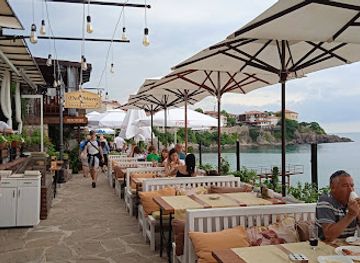
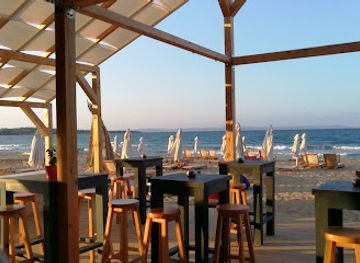
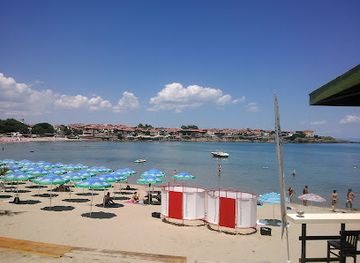
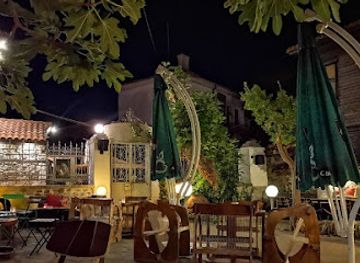
Sozopol’s evening life is concentrated around the Old Town waterfront, harbour and modern resort streets, with restaurants, cafés, cocktail bars and seasonal venues creating a sociable summer atmosphere. Traditional-style pubs and wine-focused establishments suit a quieter evening, while some beach and seafront venues add music during the high season. The town is not a major all-year clubbing centre, and the range of entertainment changes considerably outside summer. Cultural events connected with the Apollonia Arts Festival can provide theatre, concerts, exhibitions and literary programmes when scheduled. Visitors seeking larger-city nightlife, late transport connections or a broader choice of music venues generally look to Burgas rather than treating Sozopol as a metropolitan entertainment destination.
-
Restaurant
Del Muro
Discover Del Muro in Sozopol, where exquisite cuisine meets stunning coastal views for an unforgettable dining experience.
-
Bulgarian
Механа Созопол
Discover the essence of Bulgarian cuisine at Механа Созопол, a charming restaurant in the heart of Sozopol offering authentic flavors and a welcoming atmosphere.
-
Restaurant
The Windmill
Experience authentic Bulgarian flavors and stunning seaside views at The Windmill in Sozopol, a culinary gem for every traveler.
-
Bar
DIRTY Gradina
Discover DIRTY Gradina, a vibrant bar in Sozopol, where refreshing drinks, stunning views, and a lively atmosphere await you.
Best nightclubs in Sozopol
Sozopol’s evening life is concentrated around the Old Town waterfront, harbour and modern resort streets, with restaurants, cafés, cocktail bars and seasonal venues creating a sociable summer atmosphere. Traditional-style pubs and wine-focused establishments suit a quieter evening, while some beach and seafront venues add music during the high season. The town is not a major all-year clubbing centre, and the range of entertainment changes considerably outside summer. Cultural events connected with the Apollonia Arts Festival can provide theatre, concerts, exhibitions and literary programmes when scheduled. Visitors seeking larger-city nightlife, late transport connections or a broader choice of music venues generally look to Burgas rather than treating Sozopol as a metropolitan entertainment destination.
-
Bar
Malkata Tekila
Discover the vibrant nightlife of Sozopol at Malkata Tekila, where local drinks and lively music create an unforgettable experience.
-
Bar
Jack Bar
Experience the vibrant atmosphere and refreshing drinks at Jack Bar, located on the beautiful Central Beach in Sozopol, Bulgaria.
-
Jazz
Mishel
Discover the vibrant jazz scene at Mishel in Sozopol, where traditional Bulgarian charm meets live music in a cozy atmosphere.
-
Bar
Club Bikini
Discover Sozopol's vibrant nightlife at Club Bikini, a hotspot for music, dancing, and unforgettable moments by the Bulgarian coast.

Best shops in Sozopol
Shopping in Sozopol is oriented towards holiday needs, local food and small-scale souvenirs rather than extensive retail districts. The Old Town and newer resort streets contain galleries, craft shops, clothing outlets, beach goods and stalls selling artwork or decorative items, with the greatest choice during summer. Visitors can look for Bulgarian pottery, painted ceramics, textiles, locally made art and regional wine, while food shops provide fruit, vegetables, bread and packaged specialities for self-catering. The town’s seaside character is reflected in nautical gifts and shell-themed objects, although visitors should avoid buying anything presented as an archaeological find or taken from the coast. Burgas, outside Sozopol, is the nearest larger retail centre for major supermarkets, shopping centres and a wider selection of everyday goods.
-
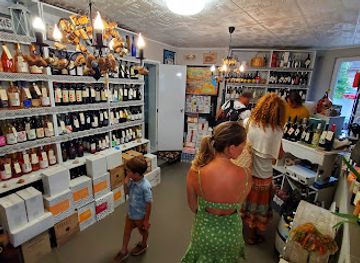
Wine store
Boutique Wine Shop
Explore the rich flavors of Bulgaria at the Boutique Wine Shop in Sozopol, where local wines meet international selections in a charming setting.
-
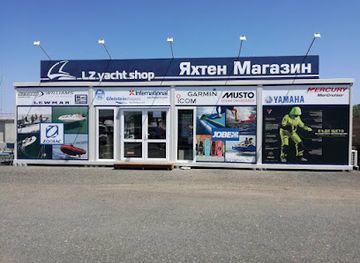
Store
ЛЗ Яхтен Магазин
Discover a nautical paradise at ЛЗ Яхтен Магазин, Sozopol's premier source for yacht supplies and marine accessories.
-
Clothing store
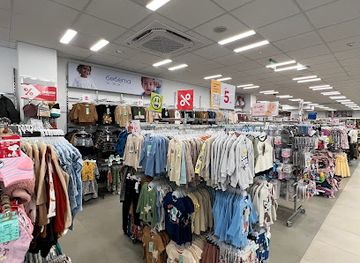
PEPCO
Discover trendy clothing and unique home goods at PEPCO in Sozopol, where quality meets affordability for every shopper.
-
Clothing store
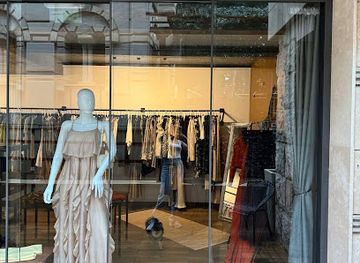
Trendy Confession Beach
Discover the perfect blend of sun, style, and fun at Trendy Confession Beach in Sozopol, Bulgaria's ultimate destination for fashion and relaxation.
Get your free copy of our complete guide to Sozopol, delivered straight to you.
Everything on this page, from attractions and restaurants to essentials and local phrases, in one PDF you can read offline, print or share.
Already have an account? Sign in
Your Sozopol guide is ready.
We'll send it to · Not you? Sign out

Getting your guide ready…
We are putting together a fresh copy of the Sozopol guide. This can take up to a minute.
This can take a few moments. If your browser asks, choose Allow so the download can start. You'll find the guide in your Downloads folder.
Nothing happened? Download it again
Sorry, the guide is taking longer than usual. Please try again in a minute, or get it by email instead.
Sozopol essentials
Currency and Payment
Safety
Emergency Situations
Do's and Don'ts
Local Tips
From Eve
Local phrases worth knowing
You don't need to get them perfect. A few words go a long way, and locals appreciate the effort.
Basics
| English | Local | Say it |
|---|---|---|
| Hello | Здравей | [Zdravey] |
| Goodbye | Довиждане | [Dovizhdane] |
| Yes | Да | [Da] |
| No | Не | [Ne] |
| Please/You're welcome | Моля | [Molya] |
| Thank you | Благодаря | [Blagodarya] |
| Excuse me/Sorry | Извинете | [Izvinete] |
| How are you? | Как си? | [Kak si?] |
| Fine. And you? | Добре. А ти? | [Dobre. A ti?] |
| Do you speak English? | Говориш ли английски? | [Govorish li angliyski?] |
| I don't understand | Не разбирам | [Ne razbiram] |
Eating & Drinking
| English | Local | Say it |
|---|---|---|
| I'd like to see the menu, please | Бих искал да видя менюто, моля | [Bih iskal da vida menuto, molya] |
| I don't eat meat | Не ям месо | [Ne yam meso] |
| Cheers! | На здраве! | [Na zdrave!] |
| I would like to pay, please | Бих искал да платя, моля | [Bih iskal da platya, molya] |
Emergencies
| English | Local | Say it |
|---|---|---|
| Help! | Помощ! | [Pomosht!] |
| Go away! | Махай се! | [Mahay se!] |
| Call the Police! | Обадете се на полицията! | [Obedete se na politsiyata!] |
| Call a doctor! | Обадете се на лекар! | [Obedete se na lekar!] |
| I'm lost | Загубен съм | [Zaguben sum] |
| I'm ill | Болен съм | [Bolen sum] |
Shopping
| English | Local | Say it |
|---|---|---|
| I'd like to buy... | Бих искал да купя... | [Bih iskal da kupya...] |
| I'm just looking | Само гледам | [Samo gledam] |
| How much is it? | Колко струва? | [Kolko struva?] |
| That's too expensive | Това е твърде скъпо | [Tova e tvurde skapo] |
| Can you lower the price? | Може ли да понижите цената? | [Moje li da ponizhite tsenata?] |
Time & Numbers
| English | Local | Say it |
|---|---|---|
| What time is it? | Колко е часът? | [Kolko e chasat?] |
| It's one o'clock | Един час е | [Edin chas e] |
| Half past (10) | Половина след (10) | [Polovina sled (10)] |
| Morning | Сутрин | [Sutrin] |
| Afternoon | Следобед | [Sledobed] |
| Evening | Вечер | [Vecher] |
| Yesterday | Вчера | [Vchera] |
| Today | Днес | [Dnes] |
| Tomorrow | Утре | [Utre] |
| 1 | Един | [Edin] |
| 2 | Два | [Dva] |
| 3 | Три | [Tri] |
| 4 | Четири | [Chetiri] |
| 5 | Пет | [Pet] |
| 6 | Шест | [Shest] |
| 7 | Седем | [Sedem] |
| 8 | Осем | [Osem] |
| 9 | Девет | [Devet] |
| 10 | Десет | [Deset] |
Transport & Directions
| English | Local | Say it |
|---|---|---|
| Where's a/the...? | Къде е...? | [Kade e...?] |
| What's the address? | Какъв е адресът? | [Kakav e adresat?] |
| Can you show me (on the map)? | Можете ли да ми покажете (на картата)? | [Mozhete li da mi pokazhete (na kartata)?] |
| When's the next (bus)? | Кога е следващият (автобус)? | [Koga e sledvashtiyat (avtobus)?] |
| A ticket (to ....) | Билет (до ...) | [Bilet (do ...)] |
History of Sozopol
Apollonia Pontica and the Ancient Coast
Sozopol began as Apollonia Pontica, a Greek-founded settlement established in the early sixth century BC on the southern Black Sea coast. The colony was associated with Miletus and developed as a maritime trading centre, benefiting from its harbour and position near routes linking the Aegean, Thrace and the Black Sea hinterland. Apollo was an important civic deity, and the ancient town became known for a large bronze statue of Apollo, which was later taken to Rome. Archaeological remains beneath and around modern Sozopol include defensive structures, houses and burial areas, although much of the ancient settlement remains integrated into a living town rather than presented as a single open-air site.
From Roman Rule to Nessebar’s Sphere
Following the Roman conquest of the western Black Sea coast, Apollonia entered the changing political world of the Roman and later Byzantine empires. The settlement continued to function as a port and Christian centre, experiencing the competing influence of Constantinople and the medieval Bulgarian states. During the Middle Ages, its fortunes were closely connected with nearby Nessebar and the wider coastal network. Fortifications, churches and harbour activity reflected the strategic importance of the peninsula, while periods of conflict altered control of the town without erasing its maritime role.
Medieval Christianity and Coastal Defence
Medieval and early modern Sozopol was shaped by Orthodox Christianity, seafaring and the need to defend a valuable coastal settlement. Churches and religious foundations were established within the peninsula, while walls and towers protected the town from attack. The surviving Southern Fortress Wall belongs to the layered defensive history of the area, though the visible remains represent only part of a complex that was repeatedly repaired and rebuilt. Archaeological work has also revealed burials and ecclesiastical features, including material associated with the Christian community that developed after antiquity.
A Fishing Town under Ottoman and Bulgarian Rule
Sozopol spent centuries within the Ottoman imperial system before becoming part of modern Bulgaria in the nineteenth century. Its population, economy and built environment reflected the mixed history of the southern Black Sea coast, with Orthodox traditions, fishing, small-scale agriculture and maritime trade central to local life. The characteristic houses of the Old Town, many with stone lower levels and timber-clad upper storeys, belong largely to the later historic fabric rather than surviving unchanged from antiquity. Their form suited a coastal town where storage, domestic life and protection from weather were closely connected.
Archaeology, Tourism and the Arts
Modern Sozopol developed from a historic fishing settlement into one of Bulgaria’s best-known seaside destinations, while retaining its old peninsula as a cultural focus. Archaeological excavations, museum collections and conservation work have made Apollonia’s history accessible alongside the town’s living streets and churches. Tourism expanded particularly during the twentieth century, bringing beaches, hotels and seasonal restaurants to the newer parts of town. Since 1984, the Apollonia Arts Festival has helped establish Sozopol as a significant summer cultural venue, presenting artistic activity alongside the coast’s established holiday economy.
Sozopol in Photos
Browse through our photo collection highlighting the charm and character of the destination.
Neighbouring destination travel guides
The closest destinations to Sozopol, if you have time for more than one.
-

-

-

-

-


Swipe for more destinations
Explore more

Explore more of Northeast Bulgaria
Explore Northeast Bulgaria: A region rich in history, nature, and cultural heritage with ancient ruins, picturesque landscapes, and vibrant folklore.
Explore Northeast Bulgaria
Explore more of Bulgaria
Explore Bulgaria: From Sofia's bustling streets to the serene mountains and stunning Black Sea beaches, discover the rich history, culture, and natural beauty of Bulgaria.
Explore Bulgaria