Hospital Rock: A Window to the Past
Discover ancient Native American pictographs and bedrock mortars at Hospital Rock, a historically significant site nestled in the scenic foothills of Sequoia National Park, California.
Hospital Rock in Sequoia National Park offers a captivating glimpse into the lives of the Potwisha Native Americans, a subgroup of the Monache (Western Mono) people, who inhabited this area as early as 1350 AD. Located along the Generals Highway, near the Middle Fork of the Kaweah River, this historical site features well-preserved pictographs, bedrock mortars used for grinding acorns, and interpretive exhibits detailing the rich cultural heritage of the region. Visitors can explore the area, enjoy a picnic amidst stunning natural scenery, and reflect on the stories etched into the very stones of this ancient village. Hospital Rock provides an accessible and enriching experience for all ages, fostering a deeper appreciation for the indigenous history of Sequoia National Park.
A brief summary to Hospital Rock
- California, 93262, US
- Visit website
Local tips
- Bring binoculars for enhanced viewing of the pictographs, especially if you have mobility limitations, as the viewing platform has stairs.
- Visit during the cooler months or early morning to avoid the heat, as the foothills area can get quite hot during the summer.
- Be respectful of the site's cultural significance; do not touch or mark the pictographs or bedrock mortars.
- Combine your visit with a hike on the nearby Paradise Creek Trail for a more extended exploration of the area's natural beauty.
- Check for any alerts or closures before your visit, especially during winter, as road conditions can change rapidly.

Getting There
-
Driving
Hospital Rock is located along Generals Highway (Highway 198) within Sequoia National Park, a few miles northeast of the Foothills Visitor Center. From the visitor center, continue on Generals Highway. Look for the well-marked Hospital Rock Picnic Area on the right side of the road. Parking is available at the picnic area. Be aware that during peak season, parking can be limited. Due to road construction, vehicles over 22 feet long are prohibited on the Generals Highway between Hospital Rock and Giant Forest.
-
Public Transport
While there isn't direct public transport to Hospital Rock, the Sequoia Shuttle operates from Visalia to various points within Sequoia National Park. From the shuttle stops, you may need to rely on internal park shuttles (when available) or arrange for a taxi/ride-share for the final leg to Hospital Rock. Check the Sequoia Shuttle schedule and availability in advance, as services may be limited depending on the season. Park entrance fee of $35 per vehicle is required.
-
Walking
If you are already at the Buckeye Flat Campground, you can walk to Hospital Rock. From the campground, cross the Generals Highway with caution at the designated crosswalk. The Hospital Rock site is directly across the highway. The walk is short but be mindful of traffic.
Discover more about Hospital Rock
Iconic landmarks you can’t miss

Hospital Rock
0.0 km
Discover ancient Native American pictographs and bedrock mortars at Hospital Rock, a historically significant site nestled in the scenic foothills of Sequoia National Park, California.
Paradise Creek Trailhead
0.7 km
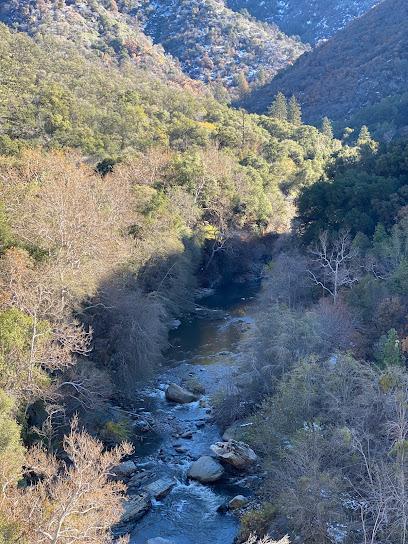
Discover the serene beauty of Sequoia's foothills on the Paradise Creek Trail, a gentle hike through diverse landscapes, perfect for year-round exploration and nature lovers.
Middle Fork Trail
1.9 km
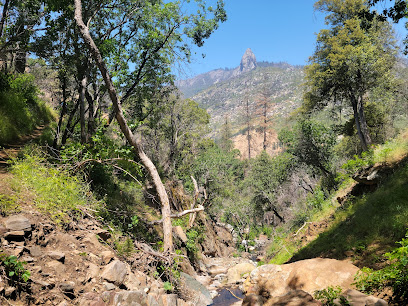
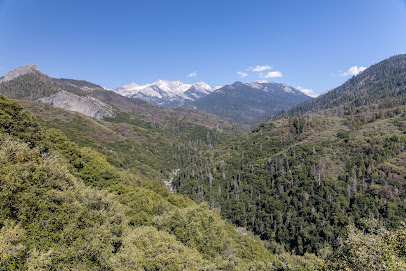
Hike the Middle Fork Trail in Sequoia National Park for a unique foothills adventure, stunning canyon views, and a chance to escape the crowds and discover hidden gems.
Marble Falls Trailhead
2.5 km
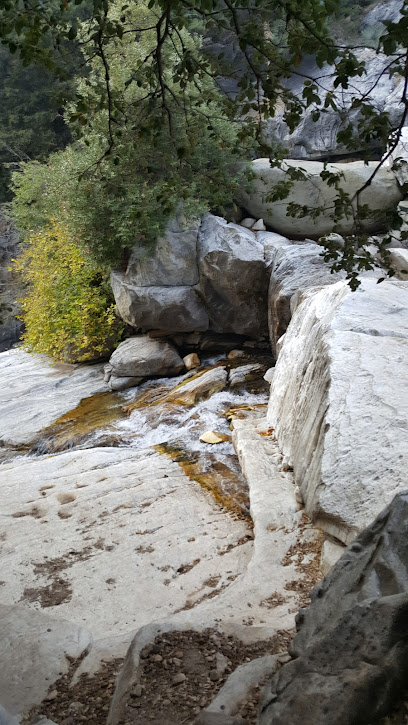
Hike to a stunning waterfall through the rugged beauty of Sequoia National Park's foothills; a moderate trail offering breathtaking views and a rewarding outdoor experience.
Squatters Cabin
4.4 km
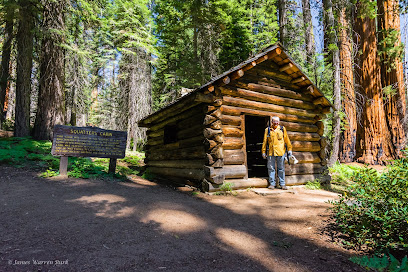
Step back in time at Squatters Cabin in Sequoia National Park, a rustic reminder of the Kaweah Colony's utopian dreams amidst the towering sequoias and breathtaking Sierra Nevada scenery.
Crescent Meadow
4.7 km
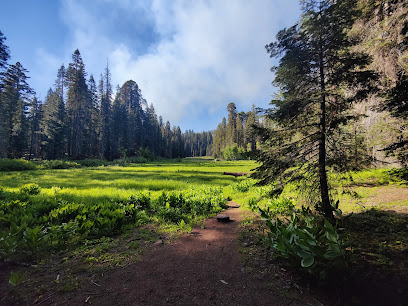
Discover the serene beauty of Crescent Meadow in Sequoia National Park, a lush, sequoia-rimmed oasis offering easy trails, abundant wildlife, and a connection to nature's giants.
Beetle Rock Trail
4.9 km
Discover panoramic views and natural beauty at Beetle Rock in Sequoia National Park, an accessible granite vista offering a memorable experience for all visitors.
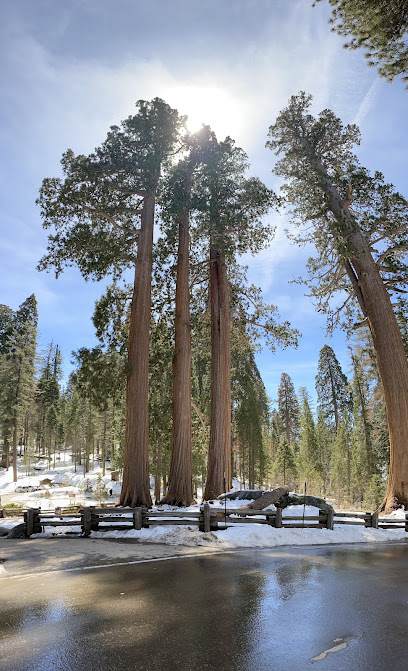
Giant Forest
4.9 km
Discover the awe-inspiring Giant Forest in Sequoia National Park: home to the world's largest trees, offering accessible trails and a profound connection with nature's ancient wonders.
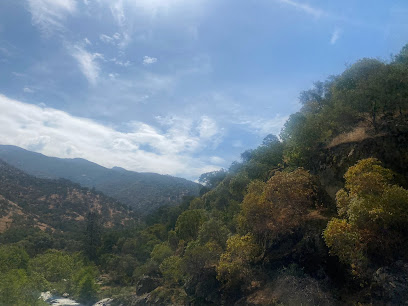
Tharp's Log
5.1 km
Step back in time at Tharp's Log, a remarkable pioneer cabin built inside a fallen giant sequoia, offering a unique glimpse into the early days of Sequoia National Park and the Giant Forest.
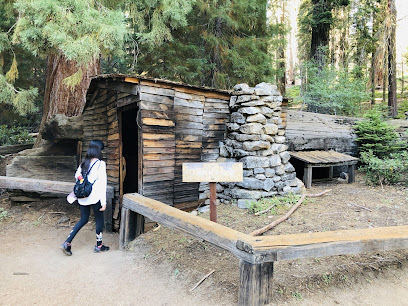
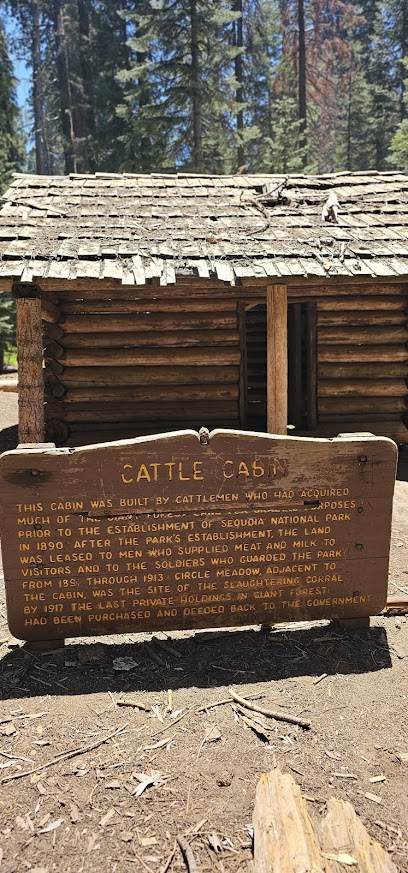
Cattle Cabin
5.7 km
Step back in time at the Cattle Cabin in Sequoia National Park, a historical landmark offering a glimpse into California's ranching past amidst the stunning Giant Forest.
Wuksachi Lodge
10.0 km
Experience rustic elegance in Sequoia National Park at Wuksachi Lodge, offering modern comforts, stunning views, and easy access to the park's iconic giant sequoias and breathtaking wilderness.
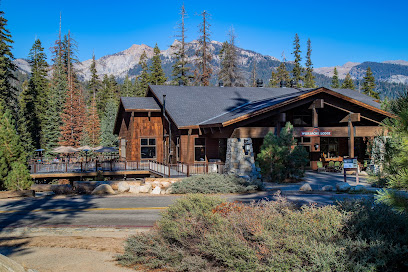
The Peaks Restaurant
10.0 km
Experience the beauty of Sequoia National Park while enjoying delectable American cuisine at The Peaks Restaurant, a perfect blend of nature and flavors.
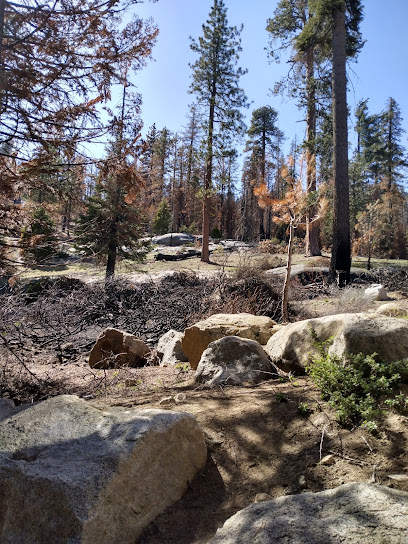
Tokopah Trailhead
10.3 km
Hike to the stunning 1,200-foot Tokopah Falls in Sequoia National Park, a moderate 3.4-mile trail through granite cliffs and lush forests along the Marble Fork of the Kaweah River.
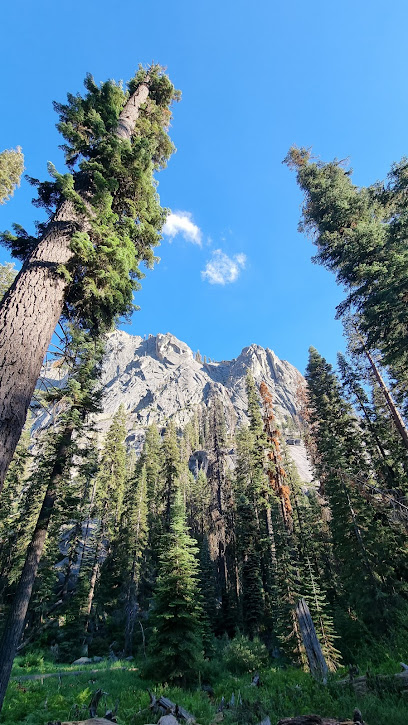
Atwell Mill Campground
11.1 km
Escape to the serene beauty of Atwell Mill Campground in Sequoia National Park. Discover towering sequoias, pristine wilderness, and unparalleled tranquility in the heart of the Mineral King area.
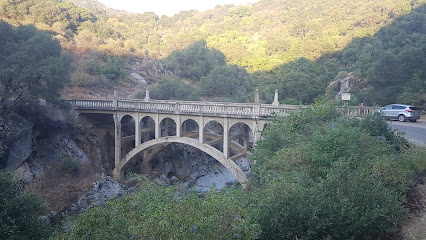
Tokopah Falls
12.1 km
Explore the breathtaking Tokopah Falls in Sequoia National Park, a stunning natural waterfall surrounded by majestic granite cliffs and lush wilderness.
Unmissable attractions to see

Hospital Rock Picnic Area
0.1 km
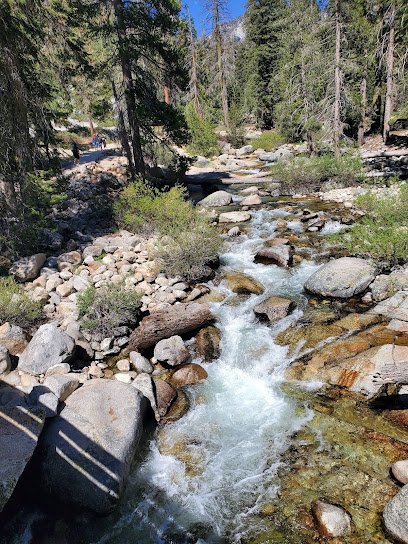
Discover ancient pictographs, serene picnic spots, and the rich history of Native Americans at Hospital Rock in Sequoia National Park.
Amphitheater Point Viewpoint
2.0 km
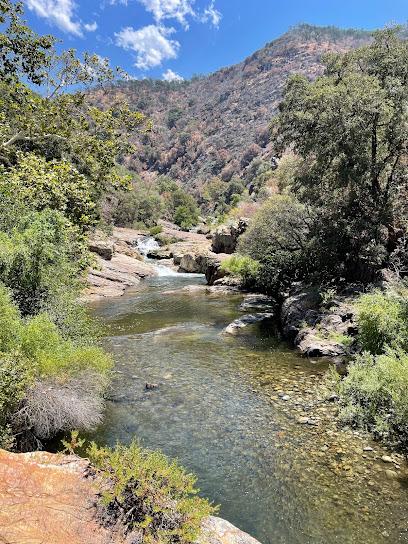
Experience breathtaking panoramic views and the majestic beauty of Sequoia National Park at Amphitheater Point.
Amphitheater Point
2.0 km
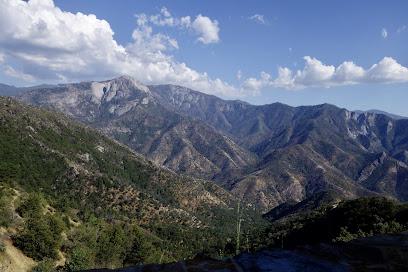
Experience breathtaking Sierra Nevada views from this easily accessible vista point along Generals Highway in Sequoia National Park.
Moro Rock
2.6 km
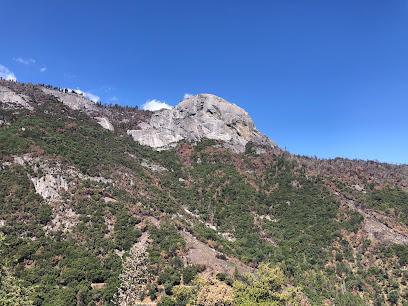
Explore the breathtaking heights of Moro Rock in Sequoia National Park, where stunning views and natural beauty await every visitor.
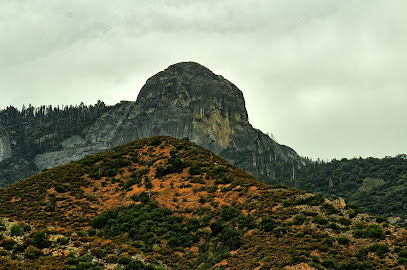
Vista Point
2.7 km
Discover the breathtaking views of Sequoia National Park from Vista Point, a must-visit scenic spot for nature lovers and photographers.
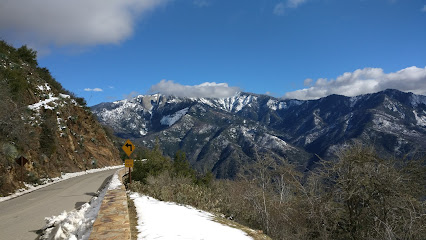
Moro Rock Trail
2.9 km
Experience the breathtaking views and adventurous spirit of Moro Rock Trail in Sequoia National Park, a top hiking destination for nature lovers.
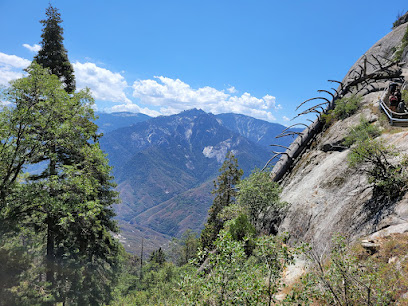
Hanging Rock
3.1 km
Experience breathtaking views from a precariously perched rock in Sequoia National Park. An easy hike with a thrilling reward.
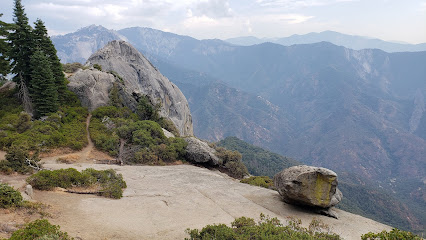
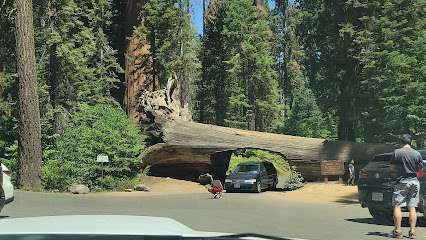
Sequoia National Park's Tunnel Log
3.6 km
Explore the iconic Tunnel Log at Sequoia National Park, a breathtaking natural wonder that showcases the grandeur of ancient sequoias in California.
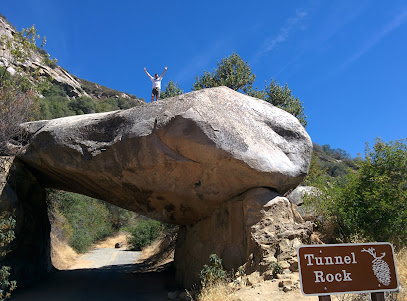
Tunnel Rock
4.2 km
Explore Tunnel Rock, a stunning historical landmark in Sequoia National Park, where nature and history intertwine in breathtaking beauty.
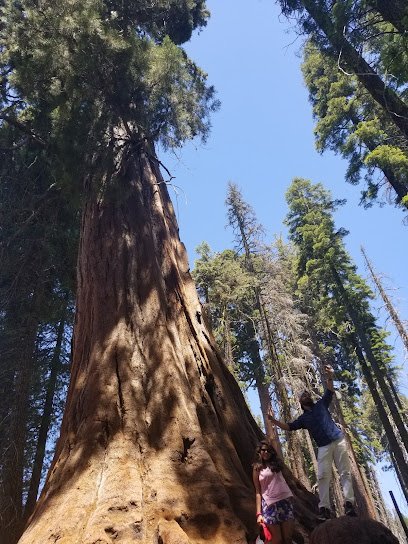
High Sierra Trailhead
4.2 km
Discover the breathtaking trails and stunning vistas at High Sierra Trailhead, a premier hiking destination in California's Sierra Nevada.
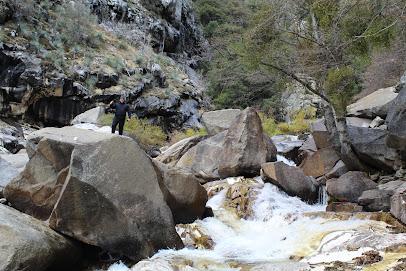
Marble Falls
4.3 km
Experience the serene beauty of Marble Falls, a stunning waterfall in California, perfect for nature lovers and adventure seekers amidst picturesque landscapes.
The Giant Forest
4.8 km
Discover the breathtaking beauty of the Giant Forest in Sequoia National Park, home to the largest trees on Earth and serene hiking trails.
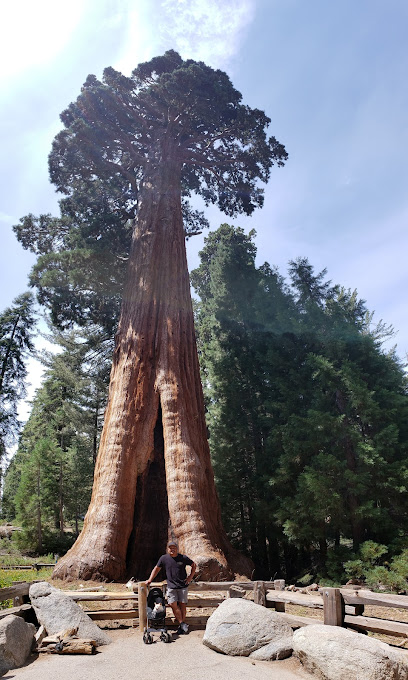
Chimney Tree
4.8 km
Explore the Chimney Tree in Sequoia National Park, a natural wonder that showcases the beauty and resilience of giant sequoias in California's stunning wilderness.
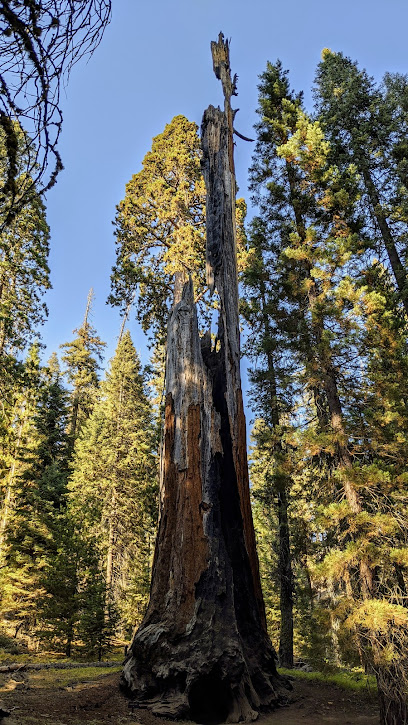
Giant Forest Museum
4.9 km
Explore the Giant Forest Museum, a gateway to the majestic sequoias of Sequoia National Park, blending education with breathtaking natural beauty.
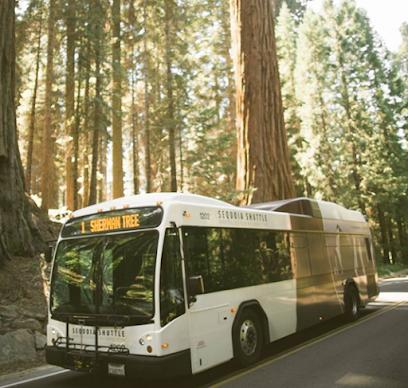
Big Trees Trail
5.1 km
Discover the breathtaking beauty of the Big Trees Trail in California, where towering sequoias and stunning landscapes await every nature lover.
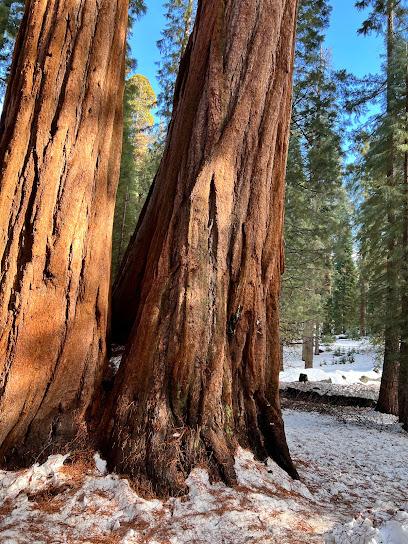
Essential places to dine

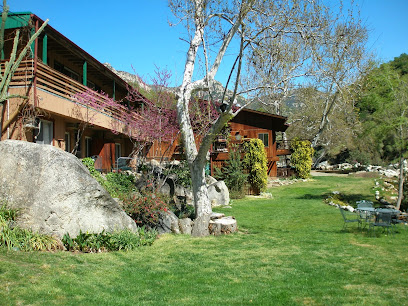
Buckeye Tree Lodge & Cabins
7.5 km
Discover tranquility at Buckeye Tree Lodge & Cabins—your gateway to adventure in beautiful Three Rivers, California.
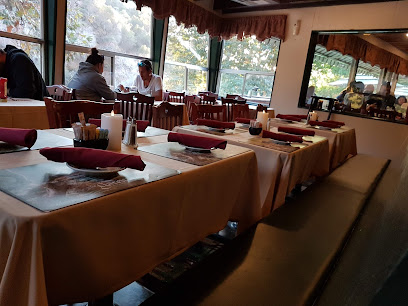
The Gateway Restaurant & Lodge
7.6 km
Discover the perfect blend of fine dining and cozy lodging at The Gateway Restaurant & Lodge near Sequoia National Park.
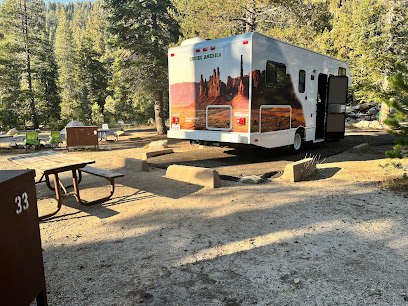
Lodgepole Campground
10.2 km
Experience the tranquility of Lodgepole Campground in Sequoia National Park – where nature meets adventure in California's Sierra Nevada.
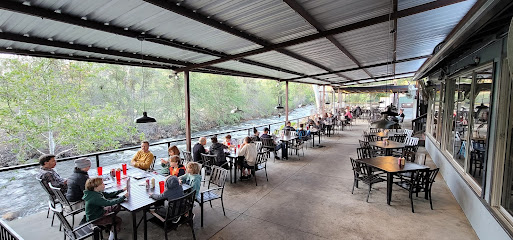
River View Grill & Bar
14.0 km
Discover River View Grill & Bar in Three Rivers: A perfect blend of scenic views and delectable American cuisine awaits you!
Tony's Taverna On Wheels
14.1 km
Discover delicious Mediterranean flavors at Tony's Taverna On Wheels in Three Rivers – a must-visit culinary experience for every traveler.
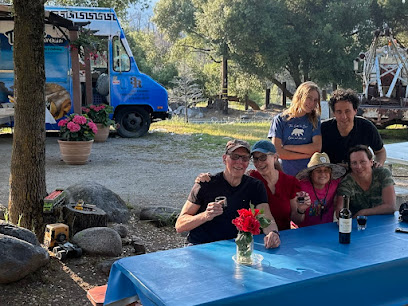
Rio Sierra Riverhouse
14.5 km
Discover tranquility at Rio Sierra Riverhouse - your gateway to adventure near Sequoia National Park in Three Rivers, California.
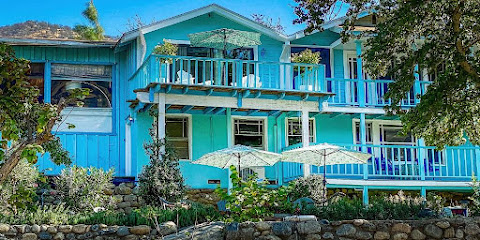
Pupusas La Sabrosa Three Rivers
14.9 km
Discover the authentic flavors of El Salvador at Pupusas La Sabrosa in Three Rivers—where every dish tells a story.
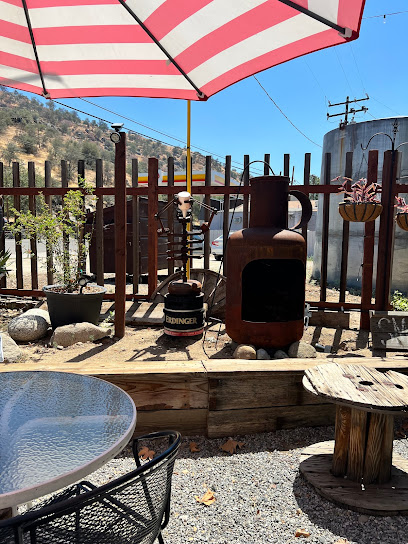
Ol Buckaroo
15.1 km
Discover Ol Buckaroo: A delightful New American restaurant in Three Rivers offering unique flavors and unforgettable dining experiences.
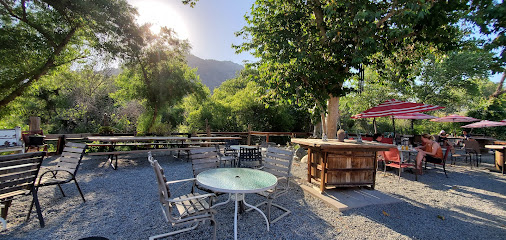
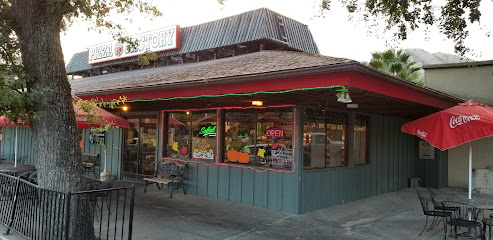
Pizza Factory
16.4 km
Experience family-friendly dining at Pizza Factory in Three Rivers – savor delicious pizzas and authentic Italian cuisine near Sequoia National Park.
Casa Mendoza Mexican Restaurant
16.5 km
Discover authentic Mexican cuisine at Casa Mendoza in Three Rivers—where vibrant flavors meet stunning scenery.
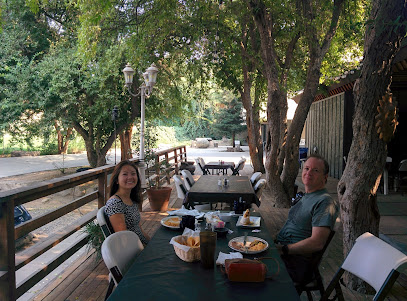
Stony Creek Lodge
17.1 km
Experience rustic charm at Stony Creek Lodge in Sequoia National Park - your perfect retreat into nature's breathtaking beauty.

Sequoia Cider Mill Restaurant
17.7 km
Discover delicious American cuisine at Sequoia Cider Mill Restaurant in Three Rivers – perfect for families and nature lovers alike!
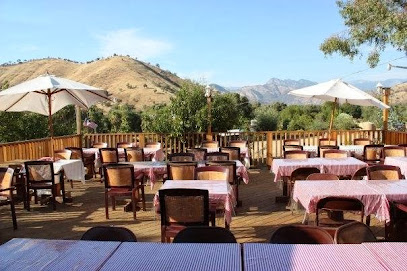
Lazy J Ranch Motel - Three Rivers, CA
18.9 km
Experience serene stays at Lazy J Ranch Motel in Three Rivers, CA - your gateway to Sequoia National Park's natural wonders.
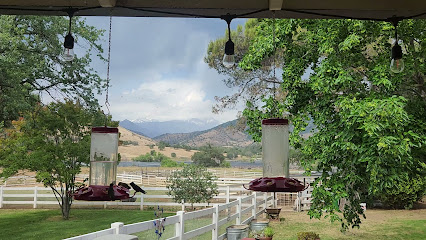
Montecito Sequoia Lodge
21.3 km
Discover the serenity of Montecito Sequoia Lodge nestled in Sequoia National Park – your gateway to outdoor adventures and natural beauty.
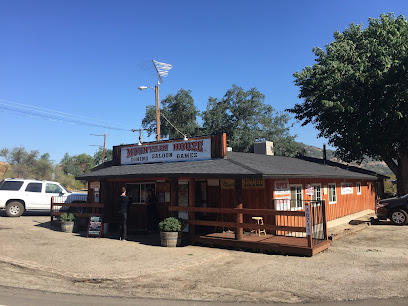
Baker Mountain House
24.7 km
Experience delectable dining at Baker Mountain House in Badger, California—where local flavors meet stunning mountain views.
Markets, malls and hidden boutiques

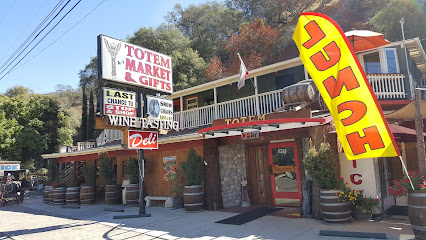
Totem Market & Gifts
9.0 km
Explore Totem Market & Gifts for unique souvenirs, gourmet snacks, and local brews in the heart of California's Sequoia region.
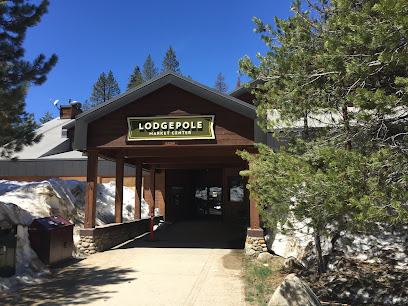
Lodgepole Market & Grill
9.9 km
Discover Lodgepole Market & Grill in Sequoia National Park for local snacks, delicious meals, and unique souvenirs amidst stunning natural beauty.
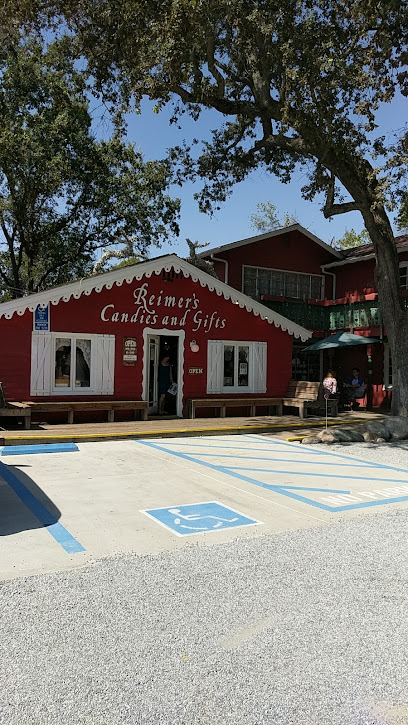
Reimers Candies & Gifts
13.8 km
Discover the sweet side of Three Rivers at Reimers Candies & Gifts, where artisanal treats and delightful gifts await every visitor.
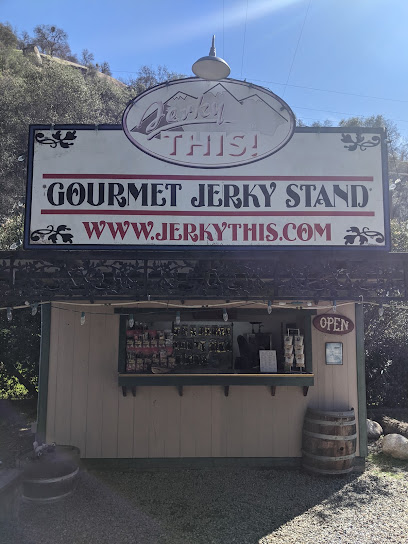
Jerky This!
13.9 km
Discover a gourmet treasure trove of flavors at Jerky This! in Three Rivers, California, where artisanal jerky meets local charm.
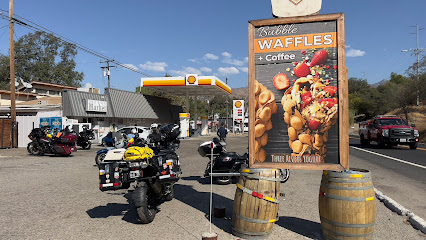
Shell
15.0 km
Discover Sierra Drive in Three Rivers: Your go-to gas station with essential amenities, delicious meals, and a gateway to California's natural beauty.
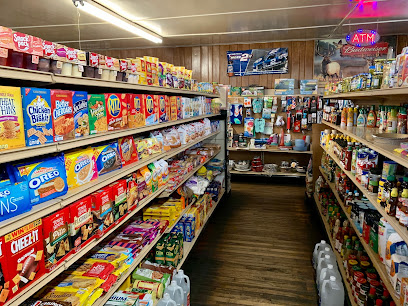
Three Rivers Market
15.0 km
Discover the convenience of Three Rivers Market, your go-to grocery store in Three Rivers, California, offering local goods, snacks, and essentials for your adventures.
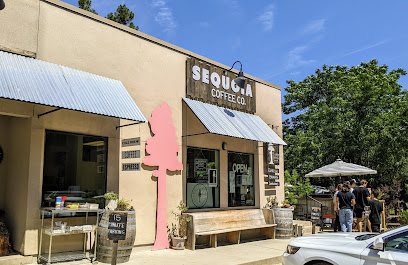
Sequoia Coffee Co.
15.1 km
Enjoy exceptional coffee and a cozy atmosphere at Sequoia Coffee Co., the perfect stop for nature lovers near Sequoia National Park.
Sequoia Souveniers
15.1 km
Explore Sequoia Souveniers for unique gifts and keepsakes that celebrate the beauty of California's Sierra Nevada region.
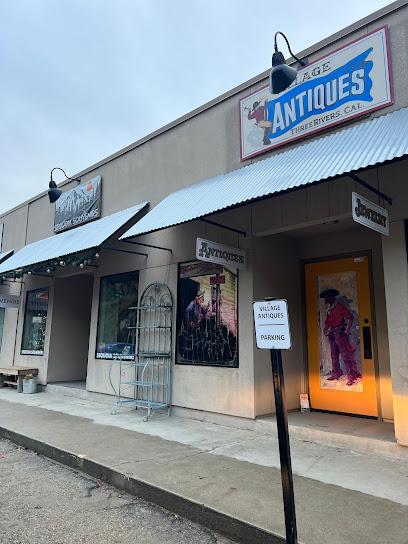
Gathered
15.1 km
Discover unique home goods and artisanal treasures at Gathered in Three Rivers, California - a true reflection of local craftsmanship.
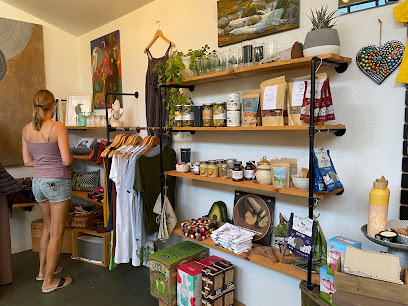
Sierra Subs & Salad
15.1 km
Discover fresh, delicious sandwiches and salads at Sierra Subs & Salad, the perfect stop before your Sequoia National Park adventure.
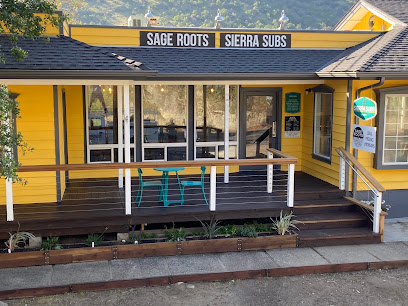
Three Rivers Mercantile
16.1 km
Explore Three Rivers Mercantile, your go-to stop for home improvement, gardening essentials, and local charm in the heart of California's Sierra Nevada.
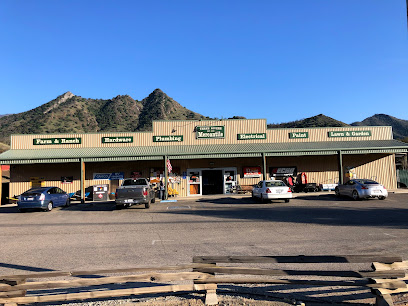
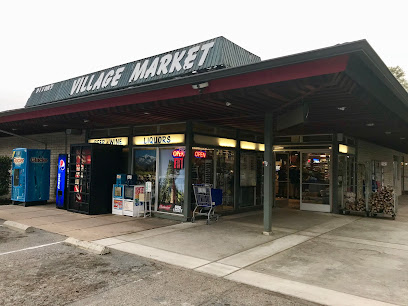
Village Market
16.5 km
Discover the Village Market in Three Rivers, CA – your go-to grocery store near Sequoia National Park, offering fresh produce, snacks, and local essentials.
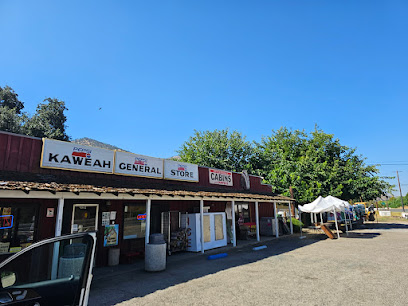
Kaweah General Store
17.4 km
Experience the rustic charm of Kaweah General Store, your go-to spot for local groceries and essentials in Three Rivers, California.
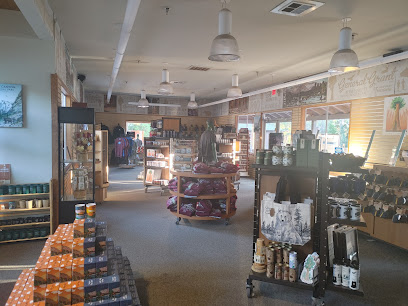
Grant Grove Gift Shop
29.8 km
Discover unique souvenirs and local crafts at Grant Grove Gift Shop, your perfect stop in Sequoia National Park for memorable gifts.
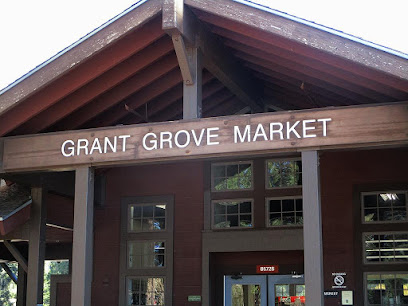
Grant Grove Market
29.9 km
Discover the delightful Grant Grove Market, a grocery store nestled in Sequoia National Park, offering local snacks and essentials for every adventurer.
Essential bars & hidden hideouts

Lake Canyon Ranch
8.7 km
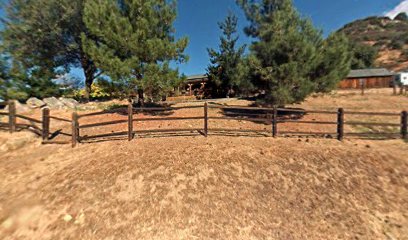
Experience the serene beauty of Lake Canyon Ranch, a perfect bar retreat in Three Rivers, CA, surrounded by nature's splendor.
Serrano's Mexican Restaurant
16.5 km
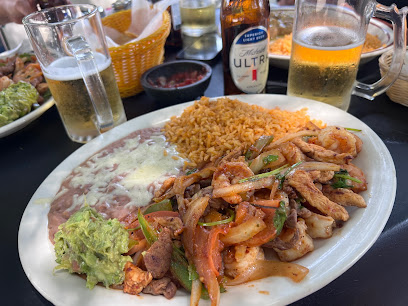
Experience the vibrant flavors of Mexico at Serrano's Mexican Restaurant in Three Rivers, CA, where every dish tells a story.
Next Bar
92.2 km
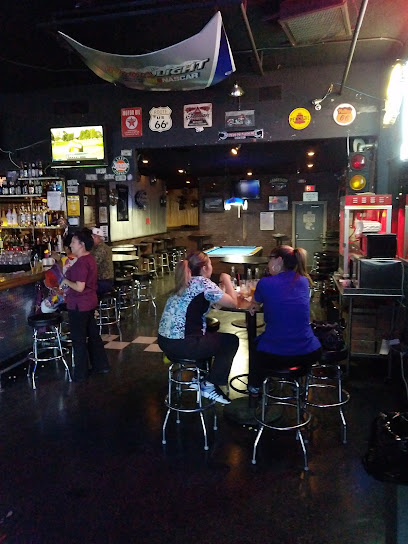
Experience the lively atmosphere and diverse menu at Next Bar, a must-visit bar and grill in Fresno, California, perfect for socializing and relaxing.
Uncle Tom's Cabin
92.8 km
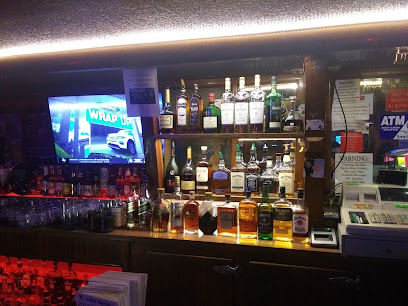
Discover the charm of Uncle Tom's Cabin, a cozy bar in Fresno offering affordable drinks and a relaxed atmosphere perfect for unwinding.
Bespoke
93.6 km
Discover Bespoke, Fresno's premier cocktail bar and event venue, where crafted drinks and a vibrant atmosphere await your visit.
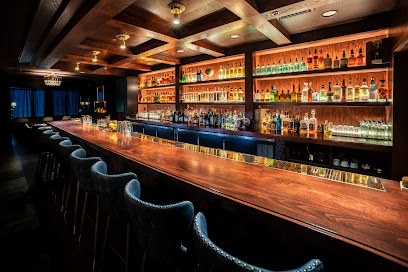
Modernist Craft Cocktail Bar
93.6 km
Experience the art of mixology at Fresno's Modernist Craft Cocktail Bar, where each drink tells a unique story.
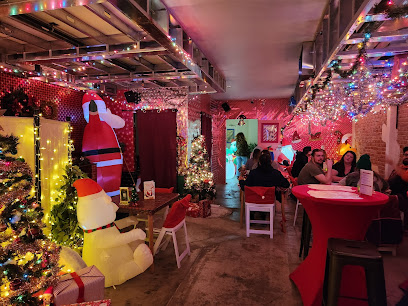
Quail State
94.0 km
Discover Quail State in Fresno, CA - a vibrant bar offering unique brunch delights and signature cocktails in a lively downtown setting.
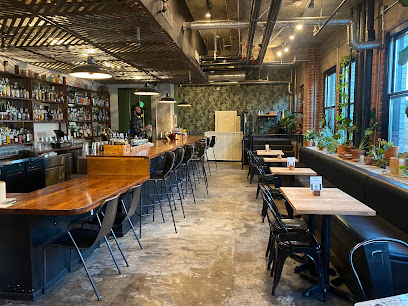
The Bar
94.4 km
Experience the vibrant nightlife of Fresno at The Bar, your go-to spot for karaoke, pool, and fun.
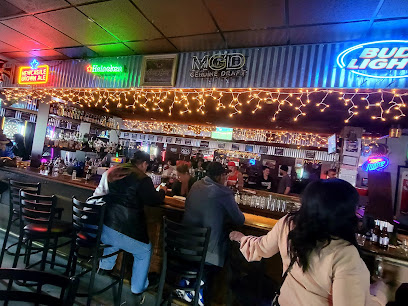
Elliott's Bar
95.1 km
Experience the vibrant atmosphere and diverse culinary offerings at Elliott's Bar, Fresno's premier bar and grill destination.
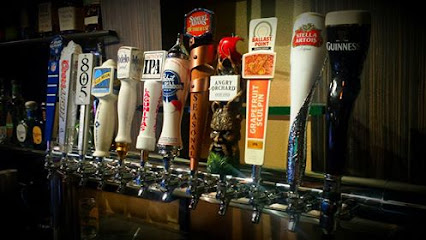
Howlin Wolf
95.5 km
Discover Howlin Wolf, Fresno's premier cocktail bar, where innovative drinks and lively atmosphere meet in the heart of the Tower District.
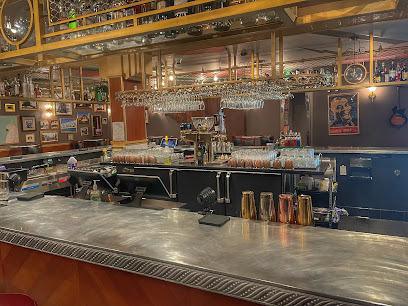
Spokeasy Public House
95.5 km
Discover Spokeasy Public House in Fresno - a vibrant pub with craft beers, local art, and a unique bike-themed atmosphere perfect for relaxation.
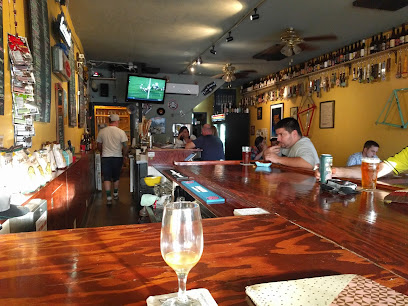
The Shanty
95.6 km
Experience the lively atmosphere, delicious drinks, and unforgettable karaoke nights at The Shanty in Fresno, California.

Lucy's Lounge
95.7 km
Experience the vibrant nightlife of Fresno at Lucy's Lounge, where innovative cocktails meet live music in a welcoming atmosphere.
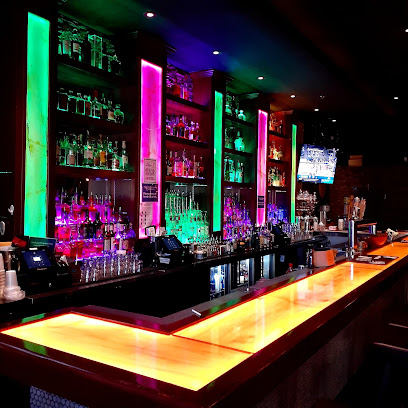
The Lincoln Pub & Grub
95.9 km
Discover the heart of Fresno dining at The Lincoln Pub & Grub, where delicious grill favorites meet a vibrant atmosphere in the Tower District.
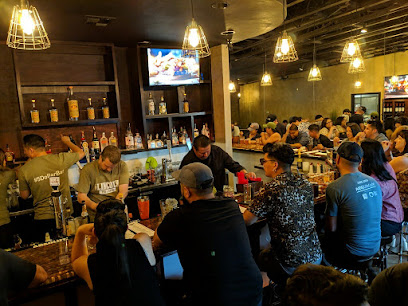
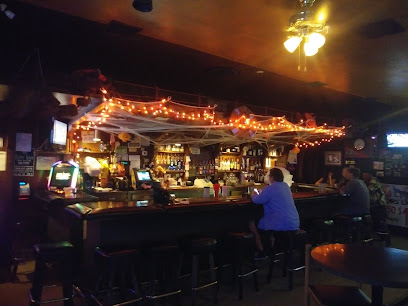
The Captains Brig
96.2 km
Experience the vibrant atmosphere of The Captains Brig, Fresno's favorite cocktail bar offering unique drinks and a lively social scene.
Nightclubs & after hour spots

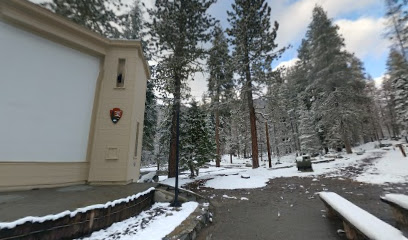
Lodgepole Amphitheater
10.0 km
Explore the serene Lodgepole Amphitheater in Sequoia National Park, a natural venue for cultural events amidst breathtaking landscapes.
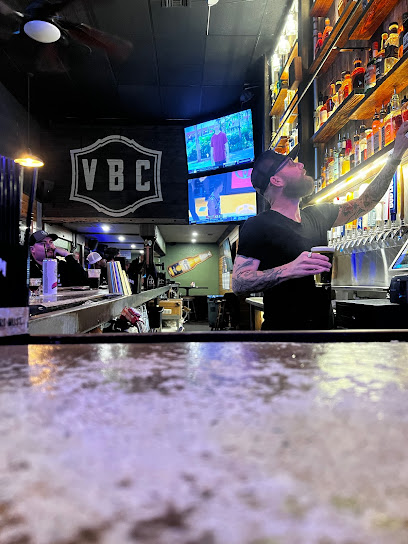
VBC
51.3 km
Experience the vibrant nightlife of Visalia at VBC, where exceptional drinks and a lively atmosphere await every visitor.
The Sequoia Club
81.3 km
Experience the vibrant nightlife of Hanford at The Sequoia Club, featuring lively karaoke nights and a welcoming bar atmosphere for all.
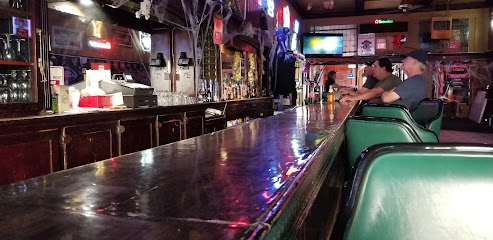
City Lights Nightclub
87.4 km
Discover the electrifying nightlife at City Lights Nightclub in Fresno, where vibrant music and captivating crowds create unforgettable memories.
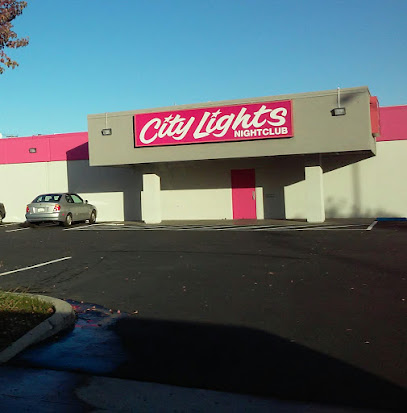
El Vaquero Night Club & Bar
93.0 km
El Vaquero Night Club & Bar: A vibrant nightlife experience in Fresno, California, where music and dancing come alive in an energetic atmosphere.
El Mexico Night Club
93.2 km
Experience the vibrant nightlife at El Mexico Night Club in Fresno, where music, dance, and culture collide for an unforgettable evening.
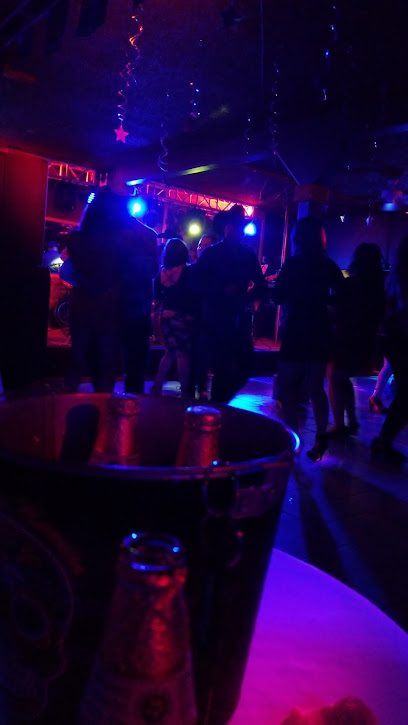
Los Arcos Night Club & Restaurant
94.6 km
Discover the nightlife at Los Arcos Night Club & Restaurant, where vibrant music, delicious food, and an electrifying atmosphere converge in Downtown Fresno.

Sunset Nightclub
95.4 km
Dive into the vibrant nightlife of Fresno at Sunset Nightclub, where electrifying music and exhilarating dance create unforgettable experiences.

Club Legends
96.1 km
Experience the vibrant nightlife at Club Legends in Fresno, where electrifying music and refreshing cocktails create unforgettable memories.
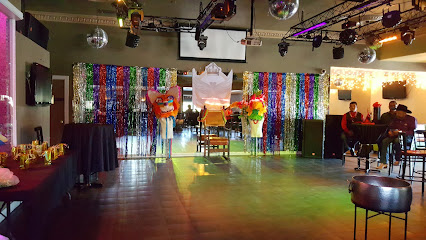
Club Encore
96.1 km
Discover the vibrant nightlife at Club Encore in Fresno, CA - where music, dancing, and unforgettable memories await you.
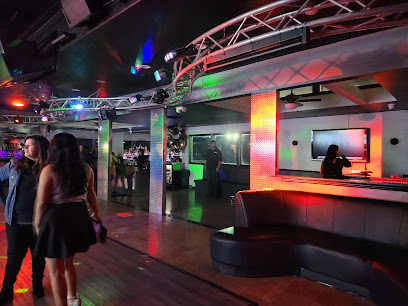
El Prado
96.6 km
Discover the pulsating nightlife at El Prado, Fresno's top night club, where music and dancing create unforgettable moments.
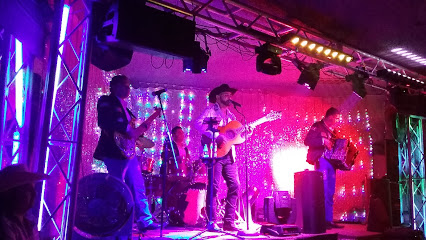
Aldo's Nightclub & Restaurant
96.9 km
Discover the fusion of authentic Mexican cuisine and vibrant nightlife at Aldo's Nightclub & Restaurant in Fresno, California.

Switch Lounge & Nightclub
96.9 km
Discover the heart of Fresno's nightlife at Switch Lounge & Nightclub, where live music, craft cocktails, and an electric atmosphere await you.