John Muir Wilderness: A Sierra Nevada Jewel
Discover the majestic John Muir Wilderness in California's Sierra Nevada: hike among towering peaks, pristine lakes, and experience the untamed beauty of the High Sierra.
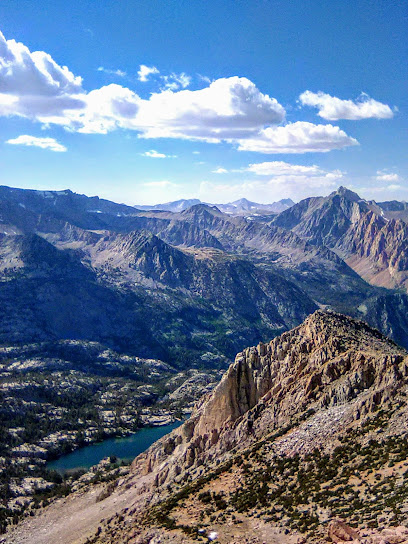
The John Muir Wilderness, a vast expanse of protected land in California's Sierra Nevada, beckons adventurers with its stunning alpine scenery. Named after the famed naturalist, this wilderness boasts towering granite peaks, deep canyons carved by glaciers, pristine meadows, and countless alpine lakes. Over 590 miles of trails, including sections of the iconic John Muir Trail and Pacific Crest Trail, wind through the wilderness, offering unparalleled opportunities for hiking, backpacking, and experiencing the raw beauty of the Sierra. Whether you're seeking challenging climbs, tranquil lakeside camping, or simply a chance to immerse yourself in nature's grandeur, the John Muir Wilderness promises an unforgettable escape. Remember to secure necessary permits for overnight stays and familiarize yourself with Leave No Trace principles to help preserve this natural treasure for future generations.
A brief summary to John Muir Wilderness
- Lakeshore, California, 93634, US
- +1760-873-2400
- Visit website
Local tips
- Permits are required for overnight stays and day use in the Mount Whitney Zone; reserve well in advance through Recreation.gov, especially for peak season.
- Bear canisters are mandatory for food storage to protect wildlife and prevent attracting bears to campsites.
- Check current fire restrictions before your trip, as campfires are often prohibited due to dry conditions.
- Acclimatize to the high altitude before strenuous activities to avoid altitude sickness; spend a day or two at a lower elevation.
- Practice Leave No Trace principles: pack out all trash, stay on marked trails, and minimize your impact on the environment.

Getting There
-
Driving
Access to the John Muir Wilderness is primarily via Highway 395 on the eastern side of the Sierra Nevada. Several trailheads are located off this highway, including those near Mammoth Lakes (north) and Lone Pine (south). From Highway 395, follow well-marked roads to specific trailheads like Rock Creek Road for Hilton Lakes or Whitney Portal Road for Mount Whitney access. Parking is available at most trailheads, but it can fill up quickly during peak season; arrive early. Note that some access roads may be closed during winter due to snow. Check road conditions before you go.
-
Public Transport
For access from more distant locations, consider using public transportation to reach towns near the wilderness. Eastern Sierra Transit Authority (ESTA) provides bus service along Highway 395, connecting Reno, NV, with various towns like Mammoth Lakes and Lone Pine, CA. From these towns, you can connect to local shuttles or taxis to reach specific trailheads. For example, from Mammoth Lakes, the YARTS bus provides service to Yosemite Valley, offering access to the northern end of the John Muir Trail. Fares on ESTA vary depending on the distance traveled, but expect to pay around $5-$15 for a single ride between major towns. Taxi or shuttle services from these towns to trailheads can range from $30-$100, depending on the distance.
-
Wilderness Permits
A wilderness permit is required for overnight stays and for day use in the Mount Whitney Zone. Permits can be reserved online at Recreation.gov. A $5.00 per person recreation fee is charged for all areas excluding the Whitney Zone (Mt. Whitney, North Fork of Lone Pine Creek, and Trail Crest Exit) which costs $15.00 per person. These permits are extremely popular, especially during peak season (May 1 to November 1), and are subject to trailhead quotas. Reservations are made available six months in advance for 60% of the quota and two weeks in advance for the remaining 40%. It is highly recommended to book well in advance to secure your desired dates and trailhead. You must start on the entry date and trail stated for the permit to be valid.
Discover more about John Muir Wilderness
Iconic landmarks you can’t miss

John Muir Wilderness
0.0 km
Discover the majestic John Muir Wilderness in California's Sierra Nevada: hike among towering peaks, pristine lakes, and experience the untamed beauty of the High Sierra.
Moonlight Falls
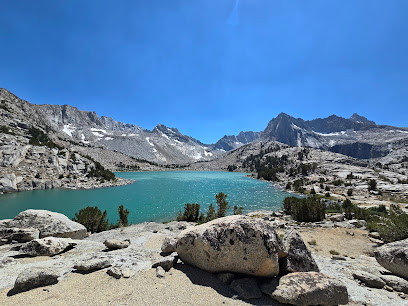
26.3 km
Discover the serene beauty of Moonlight Falls in Bishop, CA: Hike through stunning alpine scenery, past pristine lakes, and witness a picturesque cascade framed by granite peaks in the John Muir Wilderness.
Gamlin Cabin
28.9 km
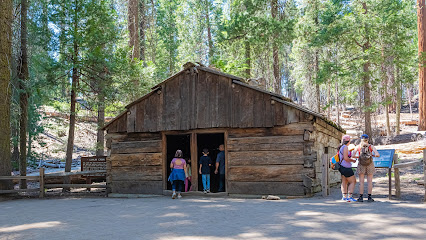
Step back in time at Gamlin Cabin, a historic landmark in Kings Canyon National Park, and discover the stories of pioneers and park protectors amidst the giant sequoias.
Fallen Monarch
29.1 km
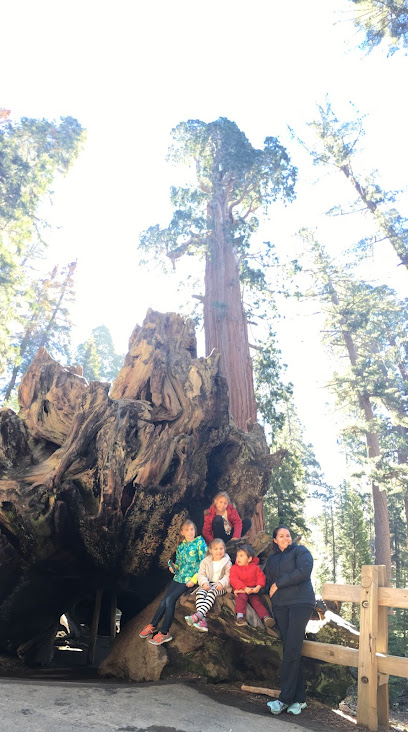
Walk through the heart of a fallen giant in Kings Canyon National Park, where the Fallen Monarch offers a unique glimpse into the history and grandeur of the Sierra Nevada's ancient sequoias.
Muir Grove
38.4 km
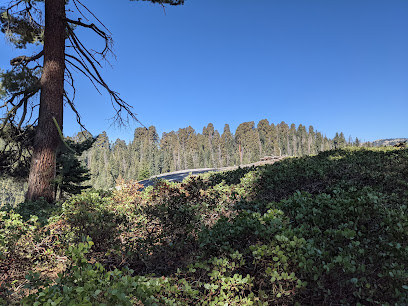
Discover a serene escape among giant sequoias in Muir Grove, a hidden gem in Sequoia National Park offering a tranquil and intimate experience with nature's giants.
The Peaks Restaurant
41.1 km
Experience the beauty of Sequoia National Park while enjoying delectable American cuisine at The Peaks Restaurant, a perfect blend of nature and flavors.
Wuksachi Lodge
41.1 km
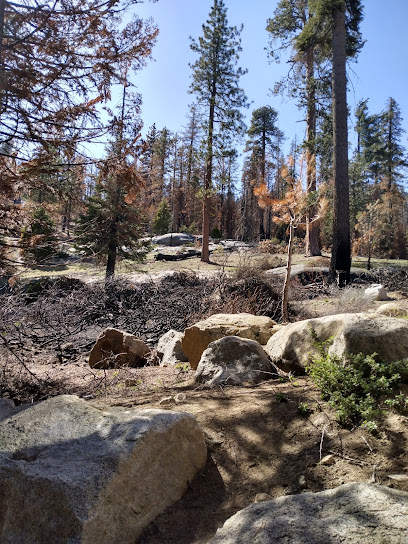
Experience rustic elegance in Sequoia National Park at Wuksachi Lodge, offering modern comforts, stunning views, and easy access to the park's iconic giant sequoias and breathtaking wilderness.
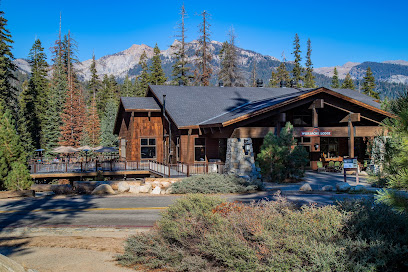
Tokopah Trailhead
42.0 km
Hike to the stunning 1,200-foot Tokopah Falls in Sequoia National Park, a moderate 3.4-mile trail through granite cliffs and lush forests along the Marble Fork of the Kaweah River.
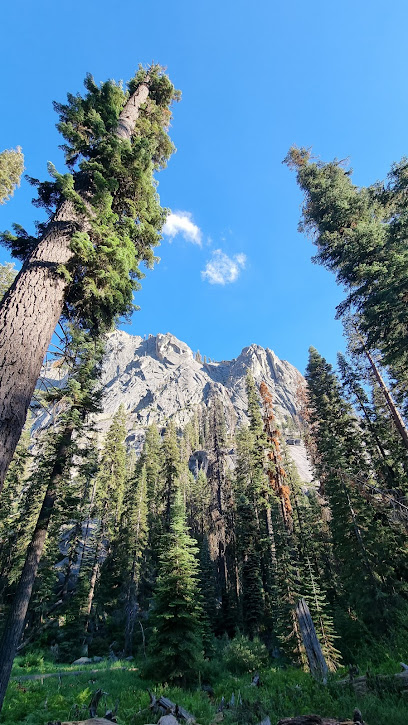
Tokopah Falls
42.3 km
Explore the breathtaking Tokopah Falls in Sequoia National Park, a stunning natural waterfall surrounded by majestic granite cliffs and lush wilderness.
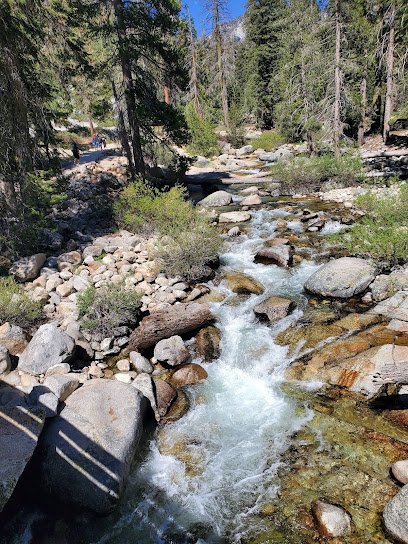
Pear Lake Winter Hut
42.8 km
Escape to a winter wonderland at Pear Lake Winter Hut in Sequoia National Park, offering a rustic backcountry experience for seasoned adventurers amidst breathtaking alpine scenery.
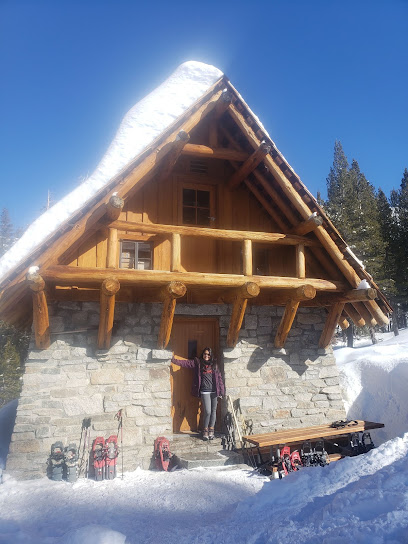
Sequoia National Forest
44.6 km
Discover the majesty of California's Sequoia National Forest: hike among giant sequoias, explore rugged canyons, and experience the serenity of the Sierra Nevada.
Alta Peak
44.9 km
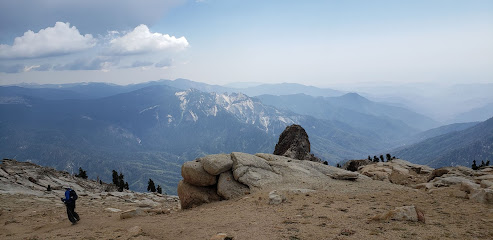
Conquer Alta Peak in Sequoia National Park for unparalleled panoramic views of the Great Western Divide and the vast San Joaquin Valley on a challenging yet rewarding hike.
Cattle Cabin
45.3 km
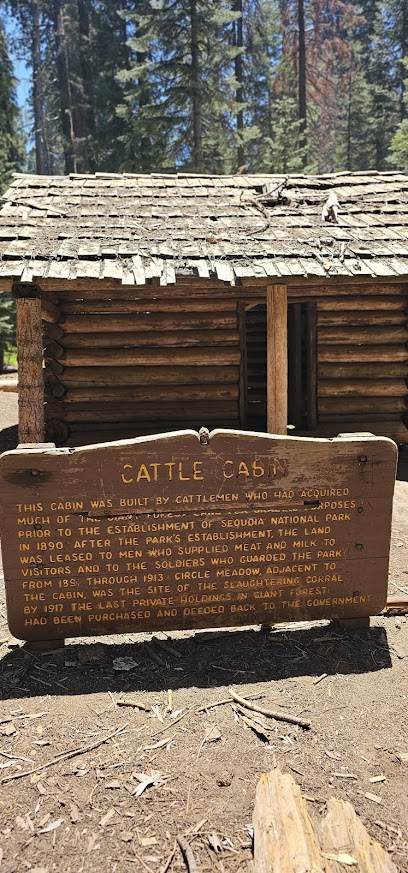
Step back in time at the Cattle Cabin in Sequoia National Park, a historical landmark offering a glimpse into California's ranching past amidst the stunning Giant Forest.
Beetle Rock Trail
45.8 km
Discover panoramic views and natural beauty at Beetle Rock in Sequoia National Park, an accessible granite vista offering a memorable experience for all visitors.
Giant Forest
46.3 km
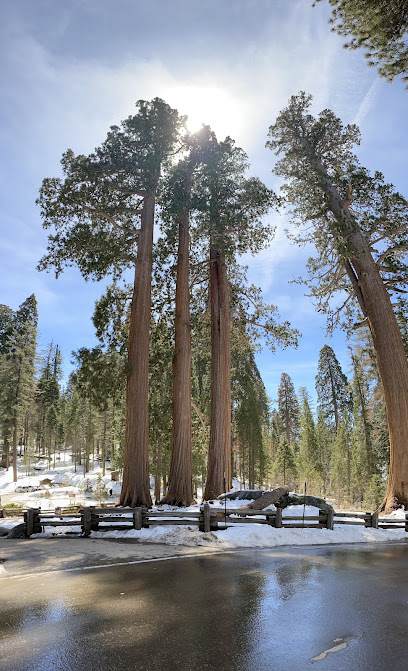
Discover the awe-inspiring Giant Forest in Sequoia National Park: home to the world's largest trees, offering accessible trails and a profound connection with nature's ancient wonders.
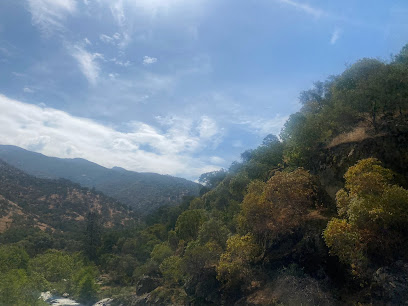
Unmissable attractions to see

Boyden Cavern Adventures & Tours LLC.
17.8 km
Experience the breathtaking underground beauty of Boyden Cavern in Kings Canyon National Park, a perfect adventure for nature enthusiasts and explorers.
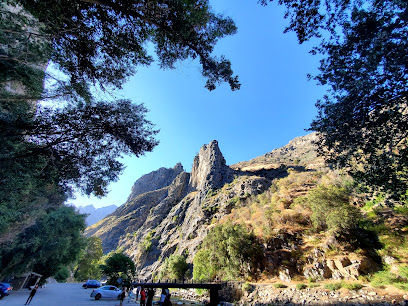
Kings Canyon National Park Scenic Byway
18.7 km
Explore the breathtaking Kings Canyon National Park Scenic Byway for stunning views, diverse wildlife, and endless outdoor adventures in nature's paradise.
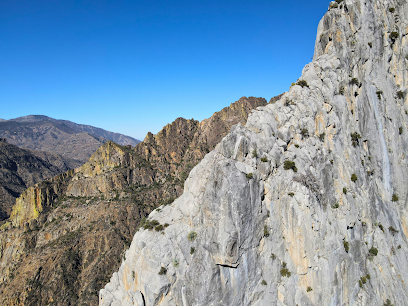
Grizzly Falls
20.1 km
Experience the breathtaking beauty of Grizzly Falls in Cedar Grove, California, a must-visit destination for nature lovers and adventure seekers.
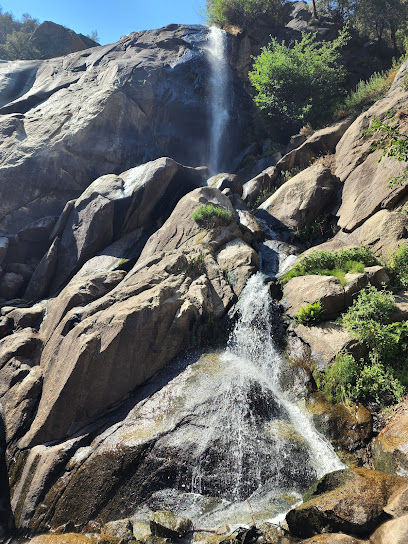
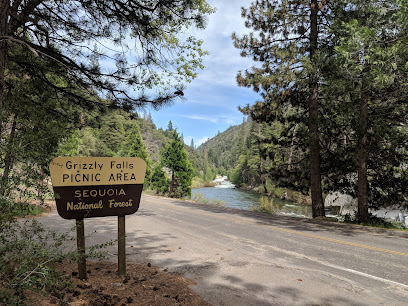
Grizzly Falls Picnic Area
20.1 km
Discover the natural beauty and tranquility of Grizzly Falls Picnic Area, a perfect picnic spot with stunning waterfalls and scenic trails in California.
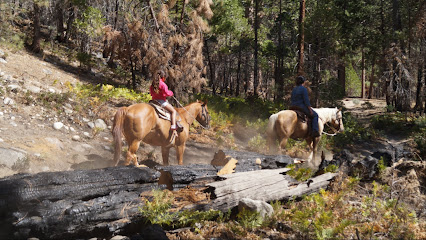
Cedar Grove Pack Station
24.3 km
Explore Kings Canyon National Park on horseback with guided trail rides and pack trips from Cedar Grove Pack Station. Open seasonally.
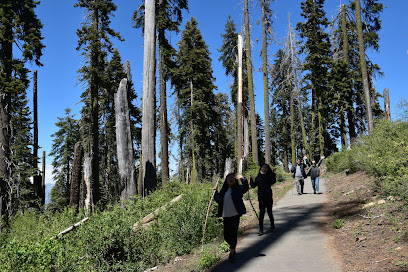
Panoramic Point Overlook
27.3 km
Discover breathtaking views at Panoramic Point Overlook, a serene spot in the Sierra Nevada offering stunning vistas and a peaceful escape.
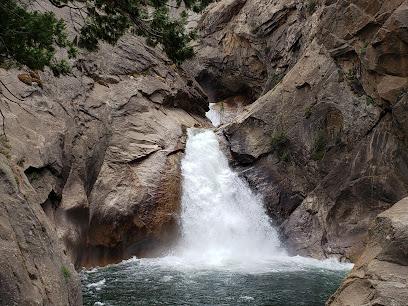
Roaring River Falls
27.6 km
Explore Roaring River Falls: A Stunning Waterfall in California Perfect for Nature Lovers and Adventure Seekers.
Panoramic Pt
28.3 km
Experience the breathtaking vistas and serene beauty of Panoramic Point in California, perfect for nature lovers and photographers alike.
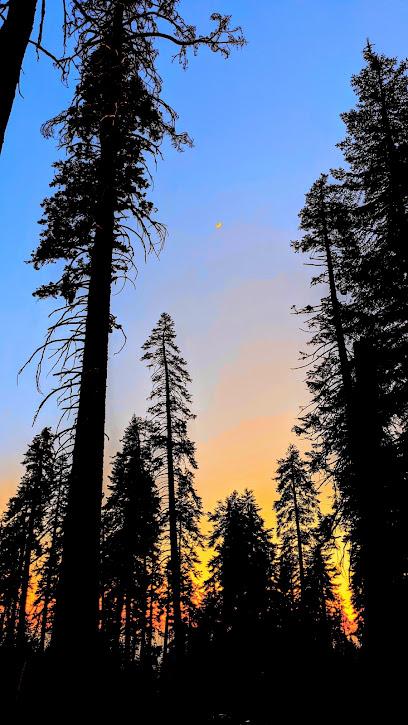
General Grant Tree
29.0 km
Experience the awe of the General Grant Tree, a natural wonder nestled in Kings Canyon National Park, California, embodying the beauty of ancient sequoias.
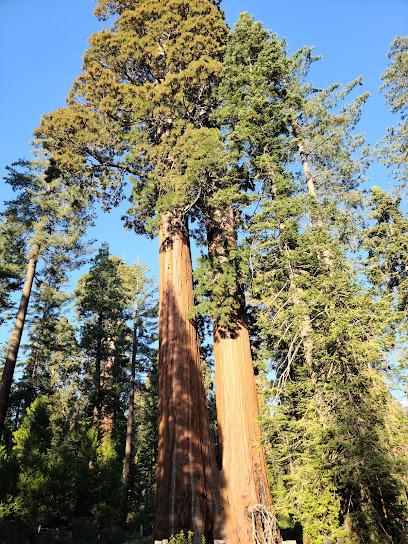
General Grant Grove
29.4 km
Explore the beauty of General Grant Grove, home to giant sequoias and a serene natural environment that captures the heart of California's wilderness.
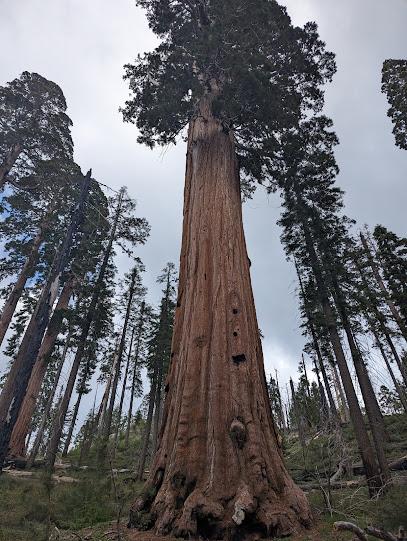
Kings Canyon Visitor Center
29.5 km
Your adventure starts here! Maps, exhibits, permits & expert advice await at the gateway to Sequoia & Kings Canyon National Parks.
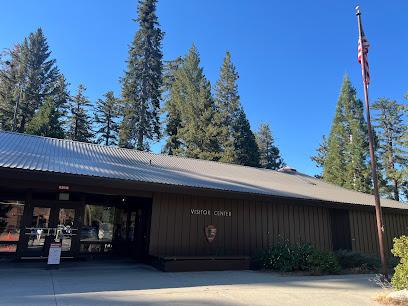
Redwood Mountain Overlook
30.1 km
Experience the breathtaking beauty of the Redwood Mountain Overlook, a must-see vista point in California's Sierra Nevada, surrounded by majestic redwoods.
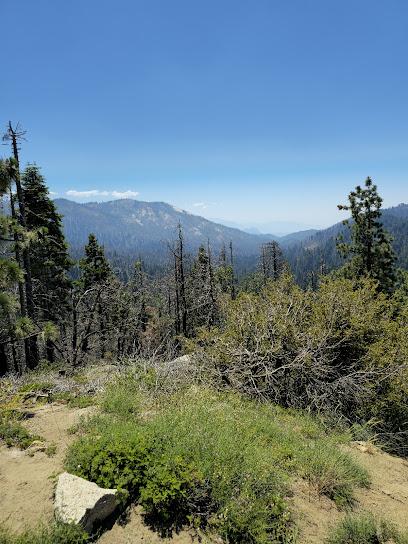
Big Baldy Ridge Trailhead
31.5 km
Discover the breathtaking views and invigorating trails at Big Baldy Ridge Trailhead, a must-visit destination for hiking enthusiasts in California.
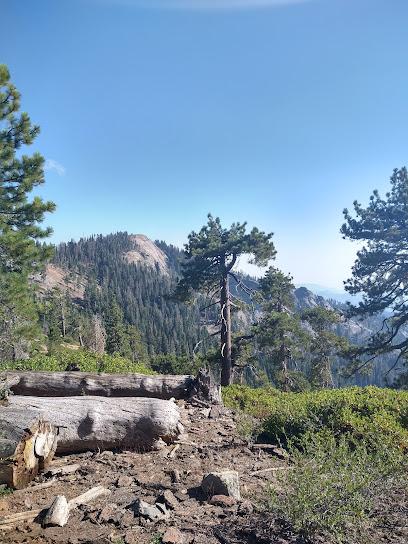
The Big Stump Grove
31.8 km
Discover the awe-inspiring Big Stump Grove, home to ancient giant sequoias and stunning natural beauty in California's Sierra Nevada region.
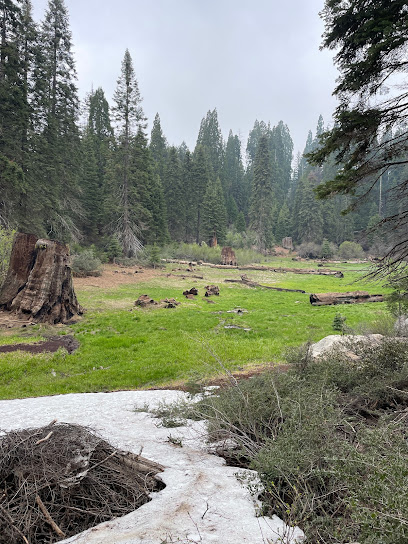
Big Baldy Trailhead from Montecito Sequoia Lodge
31.9 km
Discover the beauty of California at Big Baldy Trailhead, a premier hiking destination offering breathtaking views and unforgettable outdoor adventures.

Essential places to dine

John Muir Lodge
29.2 km
Discover the serene beauty of John Muir Lodge in Kings Canyon National Park—your gateway to majestic landscapes and outdoor adventures.
Grant Grove Restaurant
29.4 km
Experience delicious American cuisine amidst the majestic beauty of Sequoia National Park at Grant Grove Restaurant.
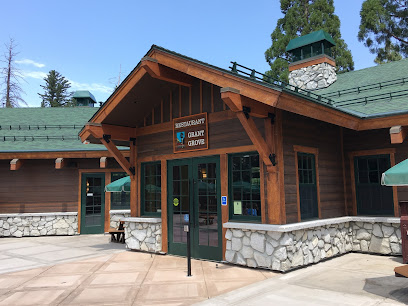
Montecito Sequoia Lodge
31.7 km
Discover the serenity of Montecito Sequoia Lodge nestled in Sequoia National Park – your gateway to outdoor adventures and natural beauty.
Stony Creek Lodge
34.7 km
Experience rustic charm at Stony Creek Lodge in Sequoia National Park - your perfect retreat into nature's breathtaking beauty.
Gena's Sierra Inn and Restaurant LLC
37.4 km
Experience mountain hospitality at Gena's Sierra Inn and Restaurant – where delicious food meets stunning views in the heart of California's Sierra Nevada.
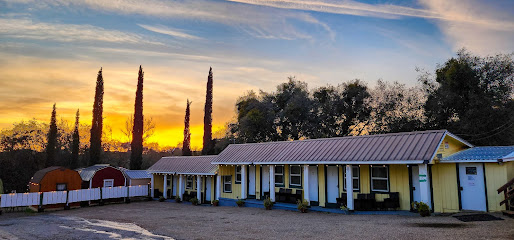
Bella Brooke Cafe at Gena's Sierra Inn: Family Restaurant
37.4 km
Experience delightful family dining at Bella Brooke Cafe, where comfort food meets charming ambiance in the heart of California's Kings Canyon region.
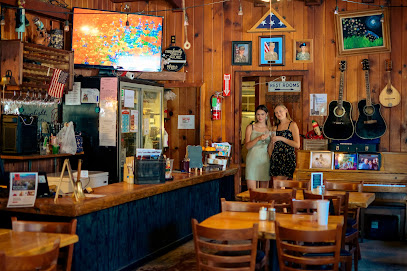
Lodgepole Campground
41.9 km
Experience the tranquility of Lodgepole Campground in Sequoia National Park – where nature meets adventure in California's Sierra Nevada.
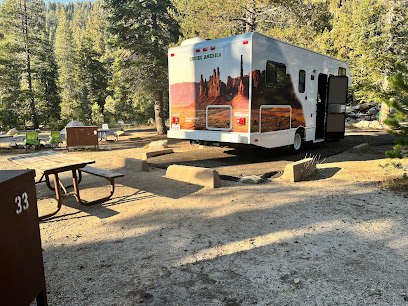
Mono Hot Springs Resort
43.1 km
Experience tranquility at Mono Hot Springs Resort: soak in hot springs, explore scenic trails, and embrace nature’s beauty in California's Sierra Nevada.
Baker Mountain House
43.7 km
Experience delectable dining at Baker Mountain House in Badger, California—where local flavors meet stunning mountain views.
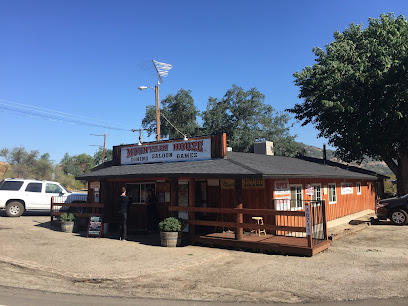
Bear Mountain Pizza
46.4 km
Experience the best pizza in Yokuts Valley at Bear Mountain Pizza - where delicious flavors meet breathtaking views.
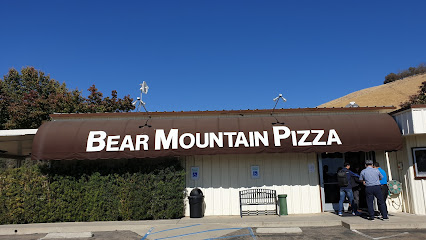
Buckeye Tree Lodge & Cabins
55.1 km
Discover tranquility at Buckeye Tree Lodge & Cabins—your gateway to adventure in beautiful Three Rivers, California.
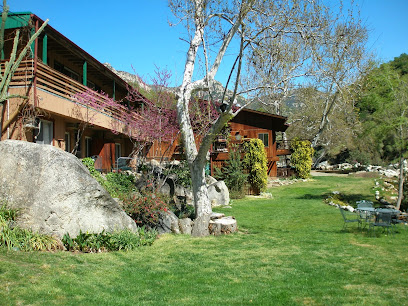
The Gateway Restaurant & Lodge
55.2 km
Discover the perfect blend of fine dining and cozy lodging at The Gateway Restaurant & Lodge near Sequoia National Park.
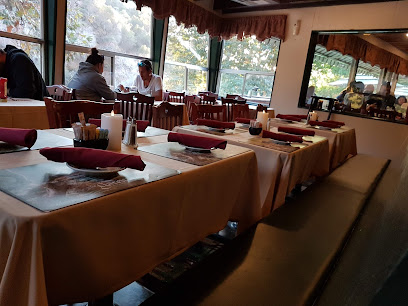
River View Grill & Bar
59.1 km
Discover River View Grill & Bar in Three Rivers: A perfect blend of scenic views and delectable American cuisine awaits you!
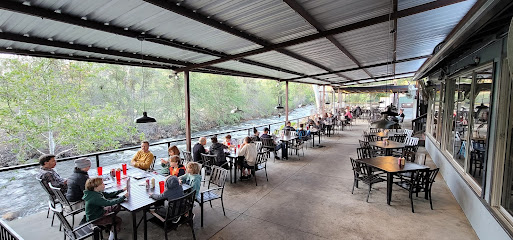
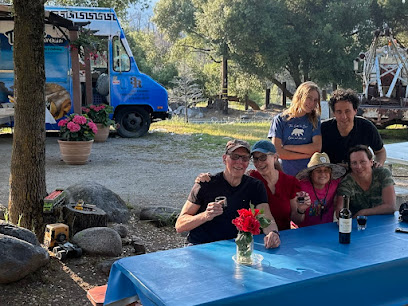
Tony's Taverna On Wheels
59.3 km
Discover delicious Mediterranean flavors at Tony's Taverna On Wheels in Three Rivers – a must-visit culinary experience for every traveler.
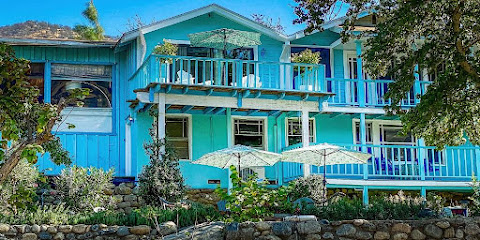
Rio Sierra Riverhouse
59.7 km
Discover tranquility at Rio Sierra Riverhouse - your gateway to adventure near Sequoia National Park in Three Rivers, California.
Markets, malls and hidden boutiques

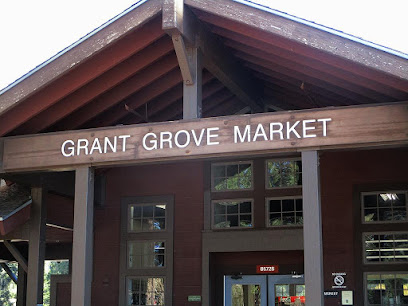
Grant Grove Market
29.4 km
Discover the delightful Grant Grove Market, a grocery store nestled in Sequoia National Park, offering local snacks and essentials for every adventurer.
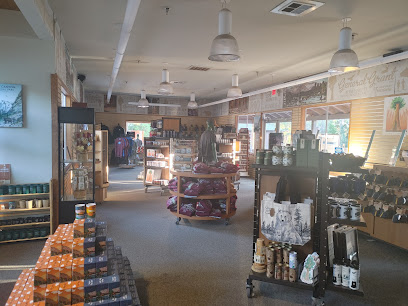
Grant Grove Gift Shop
29.4 km
Discover unique souvenirs and local crafts at Grant Grove Gift Shop, your perfect stop in Sequoia National Park for memorable gifts.
Clingan's Junction Cabins & Coffee
40.3 km
Experience the perfect blend of rustic charm and exceptional coffee at Clingan's Junction Cabins & Coffee in Yokuts Valley, a must-visit for nature lovers.
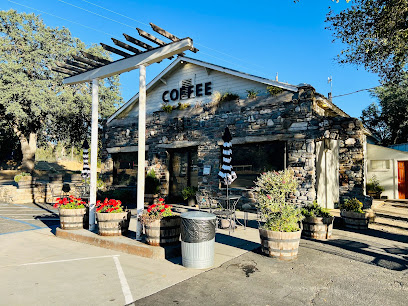
Lodgepole Market & Grill
41.9 km
Discover Lodgepole Market & Grill in Sequoia National Park for local snacks, delicious meals, and unique souvenirs amidst stunning natural beauty.
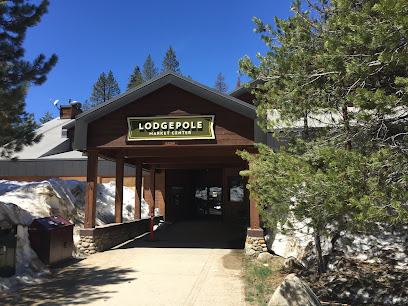
Country Store
46.6 km
Explore the local flavors and vibrant community at the Country Store, your gateway to Yokuts Valley's culinary delights.
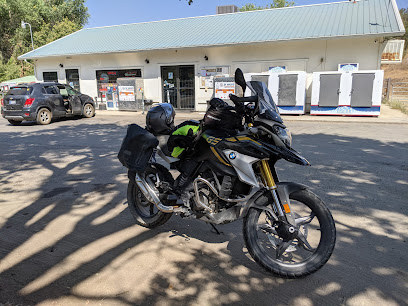
Things that youu love
54.7 km
Explore 'Things That You Love' for unique local crafts and gifts that capture the spirit of your travel experience.
Totem Market & Gifts
56.0 km
Explore Totem Market & Gifts for unique souvenirs, gourmet snacks, and local brews in the heart of California's Sequoia region.
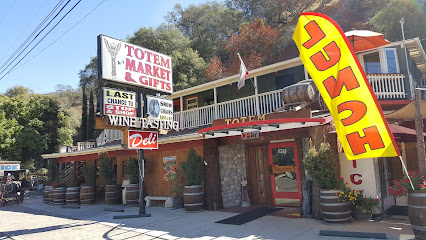
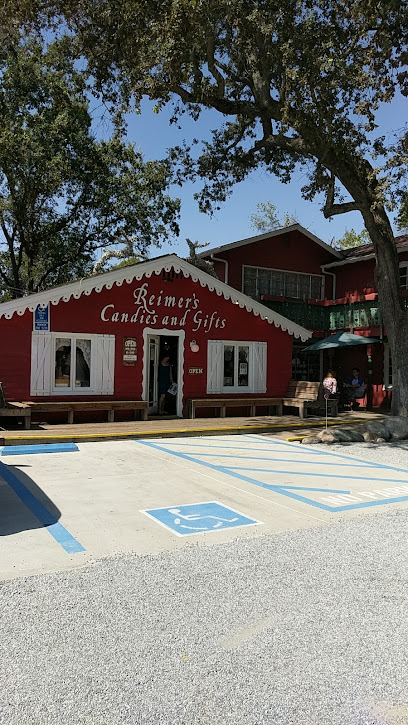
Reimers Candies & Gifts
59.0 km
Discover the sweet side of Three Rivers at Reimers Candies & Gifts, where artisanal treats and delightful gifts await every visitor.
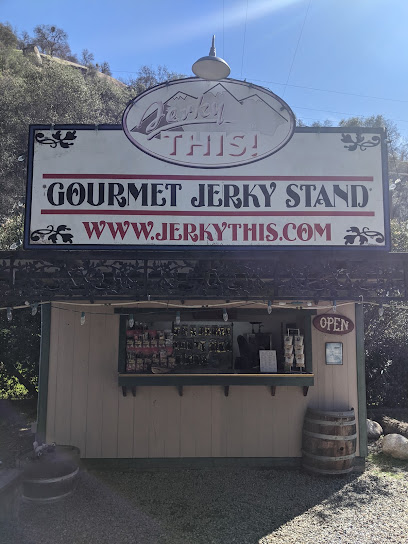
Jerky This!
59.0 km
Discover a gourmet treasure trove of flavors at Jerky This! in Three Rivers, California, where artisanal jerky meets local charm.
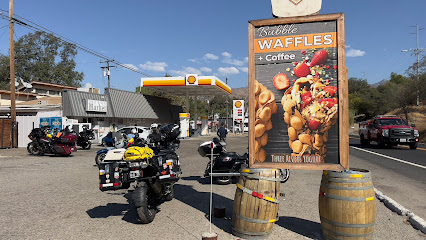
Shell
60.2 km
Discover Sierra Drive in Three Rivers: Your go-to gas station with essential amenities, delicious meals, and a gateway to California's natural beauty.
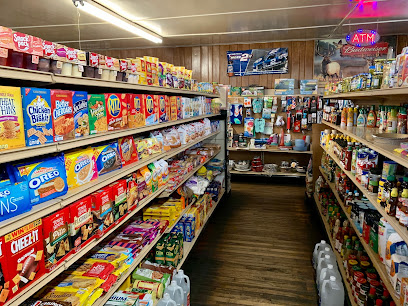
Three Rivers Market
60.2 km
Discover the convenience of Three Rivers Market, your go-to grocery store in Three Rivers, California, offering local goods, snacks, and essentials for your adventures.
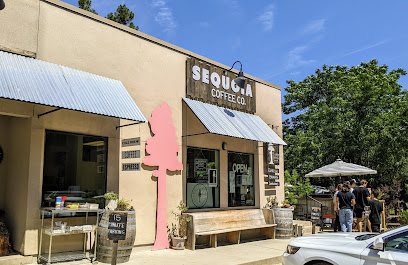
Sequoia Coffee Co.
60.3 km
Enjoy exceptional coffee and a cozy atmosphere at Sequoia Coffee Co., the perfect stop for nature lovers near Sequoia National Park.
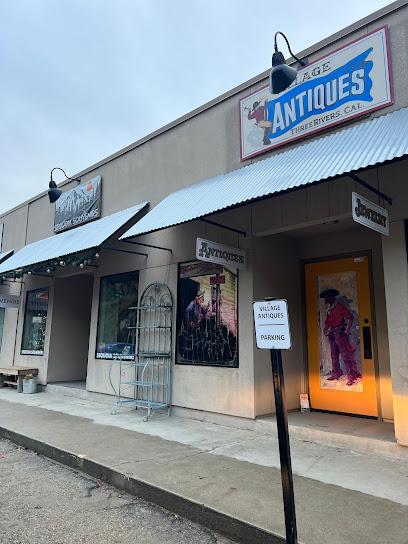
Sequoia Souveniers
60.3 km
Explore Sequoia Souveniers for unique gifts and keepsakes that celebrate the beauty of California's Sierra Nevada region.
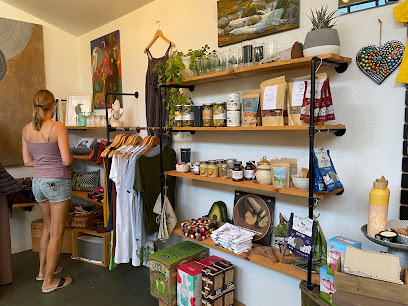
Gathered
60.3 km
Discover unique home goods and artisanal treasures at Gathered in Three Rivers, California - a true reflection of local craftsmanship.
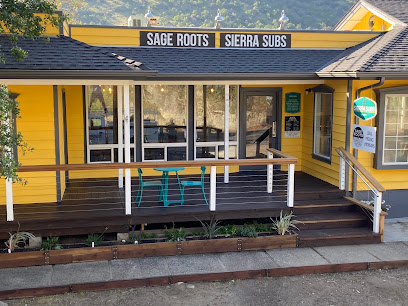
Sierra Subs & Salad
60.4 km
Discover fresh, delicious sandwiches and salads at Sierra Subs & Salad, the perfect stop before your Sequoia National Park adventure.
Essential bars & hidden hideouts

Lake Canyon Ranch
59.3 km
Experience the serene beauty of Lake Canyon Ranch, a perfect bar retreat in Three Rivers, CA, surrounded by nature's splendor.
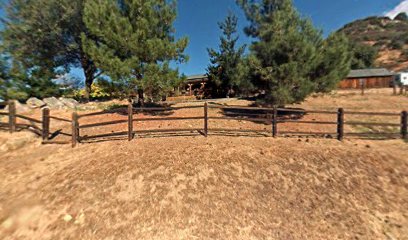
Serrano's Mexican Restaurant
61.6 km
Experience the vibrant flavors of Mexico at Serrano's Mexican Restaurant in Three Rivers, CA, where every dish tells a story.
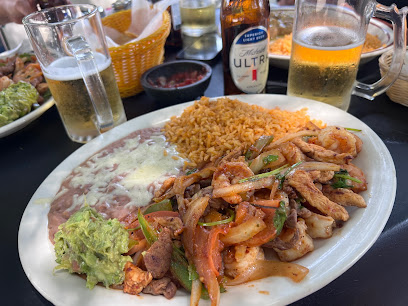
Mammoth Rock 'N' Bowl
74.7 km
Experience the perfect blend of American cuisine and family entertainment at Mammoth Rock 'N' Bowl in Mammoth Lakes.
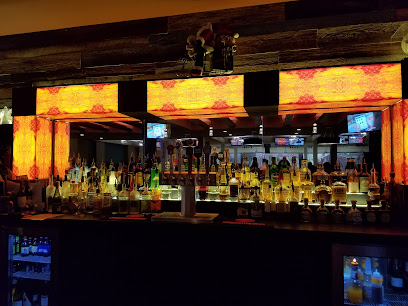
Bevi Bene
74.8 km
Discover Bevi Bene in Mammoth Lakes, where exquisite wines and a cozy atmosphere create the perfect destination for wine lovers.
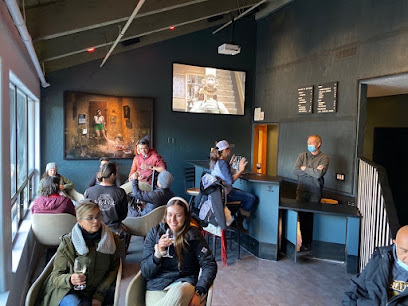
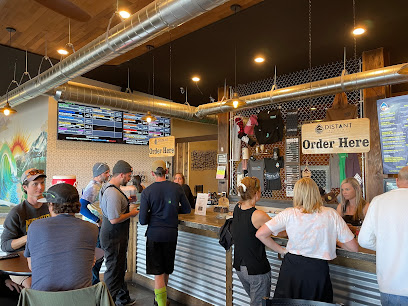
Distant Brewing
74.9 km
Discover the best of craft brews and delicious American cuisine at Distant Brewing in Mammoth Lakes, the perfect spot for beer lovers.
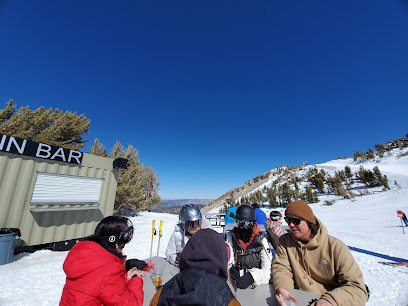
Basin Bar
75.7 km
Unwind at Basin Bar in Mammoth Lakes, where friendly vibes and local brews blend seamlessly for an unforgettable après-adventure experience.
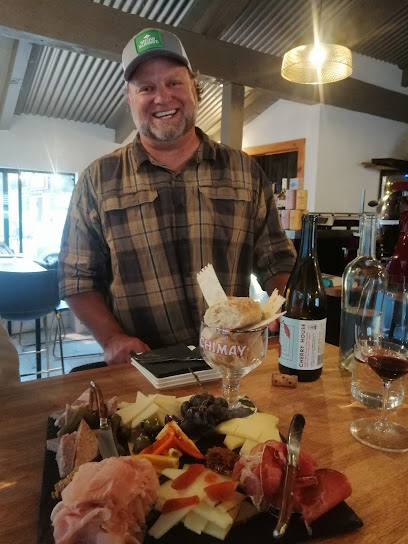
The Shed | Wine & Charcuterie
76.0 km
Experience the perfect blend of exquisite wines and artisanal charcuterie at The Shed | Wine & Charcuterie in Mammoth Lakes, CA.
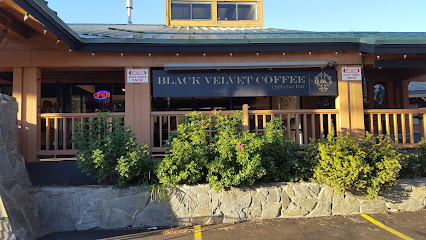
Black Velvet Coffee Roaster | Espresso & Wine Bar
76.0 km
Discover Black Velvet Coffee Roaster, a delightful espresso bar in Mammoth Lakes offering artisanal coffees and exquisite wines in a cozy atmosphere.
Liberty Sports Bar and Grill
76.1 km
Experience the best of American cuisine and lively sports atmosphere at Liberty Sports Bar and Grill in Mammoth Lakes.
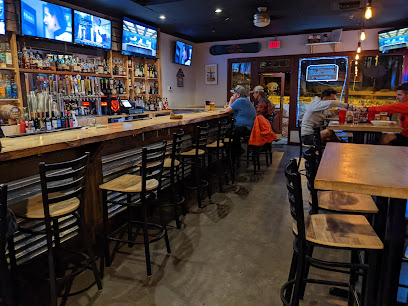
Salsa's
76.2 km
Experience the vibrant nightlife at Salsa's in Mammoth Lakes, offering a fantastic drink selection and lively atmosphere amidst breathtaking mountain views.
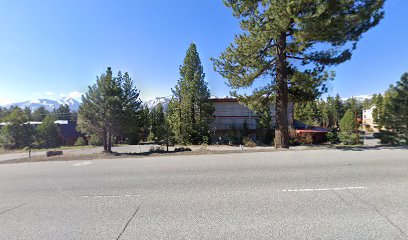
Grizzly Bar
76.3 km
Experience the warmth and charm of Grizzly Bar, a cozy destination in Mammoth Lakes offering delicious American cuisine and refreshing drinks.
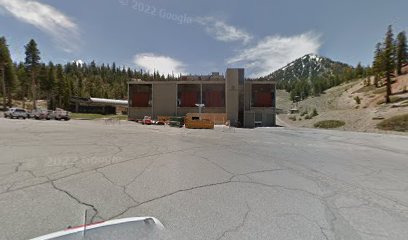
Mammoth Brewing Company
76.3 km
Experience the best of Mammoth Lakes at Mammoth Brewing Company, where craft beer meets breathtaking scenery and great food.
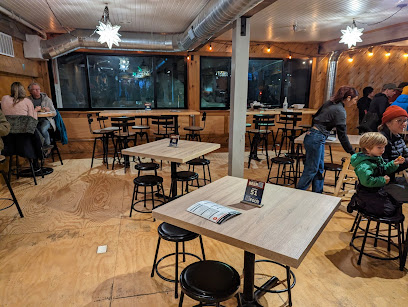
Clocktower Cellar
76.5 km
Discover the charm of Clocktower Cellar, a cozy bar and restaurant in Mammoth Lakes, offering fine wines, delicious food, and a warm atmosphere.
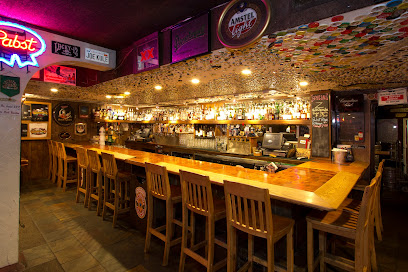
Side Door Wine Bar & Cafe
76.6 km
Discover the perfect blend of exquisite wines and delightful cuisine at Side Door Wine Bar & Cafe in Mammoth Lakes, California.
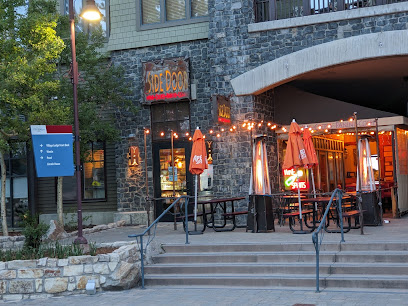
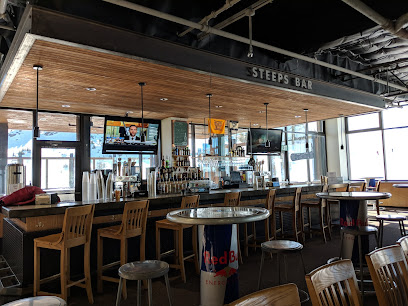
Steeps Bar
76.6 km
Discover Steeps Bar in Mammoth Lakes for a cozy atmosphere, delicious American cuisine, and stunning mountain views, perfect for any traveler.