

Point Sur Lighthouse, South Coast Travel Guide
Explore California's maritime past at Point Sur Lighthouse in Big Sur: Guided tours, stunning views, and rich history await on this iconic coastal landmark.
Perched dramatically on a volcanic rock towering above the Pacific Ocean, Point Sur Lighthouse stands as a sentinel of maritime history along the rugged Big Sur coastline. This iconic landmark, a California State Historic Park and National Register of Historic Places site, has guided ships since 1889. Visitors can explore this remarkably preserved light station through guided walking tours, delving into the lives of the keepers and their families who once resided here. The tours offer breathtaking panoramic views, glimpses of migrating whales, and insights into the area's rich natural and cultural heritage. Point Sur is more than just a lighthouse; it's a journey back in time, offering a unique perspective on California's coastal past and the enduring allure of the sea.
A brief summary to Point Sur Lighthouse
- Cabrillo Hwy, Monterey, California, 93940, US
- Click to display
- Click to display
- Wednesday 1 pm-4 pm
- Saturday 10 am-5 pm
- Sunday 10 am-1 pm

Know before you go
Hi, I'm Eve. Here are a few practical things to know before exploring Point Sur Lighthouse.
- Tours fill up quickly, especially during peak season, so arrive at least 30 minutes early to secure your spot.
- Wear layers and comfortable walking shoes, as the weather can be unpredictable and the walk to the lighthouse involves a steep uphill climb.
- Bring binoculars to enhance your chances of spotting whales, sea otters, and other wildlife along the coast.
- Check the Point Sur State Historic Park website for the most up-to-date tour schedule and any potential closures due to weather or other factors.
- Consider visiting during a full moon for a unique moonlit tour experience (available April-September).
Do you manage this location?
Take control to get all the benefits, like improved information, better appearance, and stronger visibility across AI-powered discovery. Learn more about listing your business on Evendo
Activate your presenceOther nearby places you may find interesting
The closest places of the same kind, if this one is not quite what you had in mind.

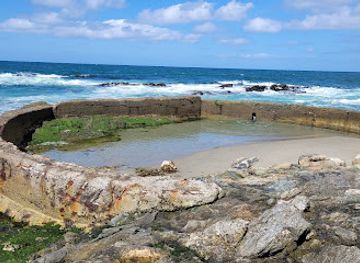
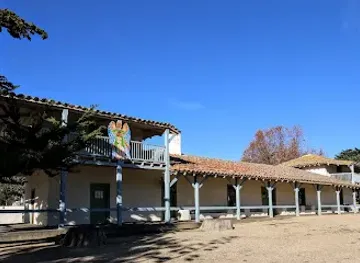
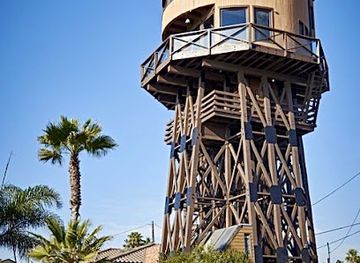
Explore Point Sur Lighthouse on the Map
A handpicked selection of must-see spots near Point Sur Lighthouse, mapped for you.
Unlock the Best of Point Sur Lighthouse
Buy tickets
-
No tickets available
Book tours with entry

Book tours without entry
-
No tours available
Getting There
-
Driving
From Monterey, take Highway 1 south for approximately 23 miles. Look for the Point Sur Lighthouse entrance on the west side of the highway, about 1/4 mile north of the Point Sur Naval Facility. Parking is available along the shoulder of Highway 1 north of the entrance gate. Arrive early, as parking is limited. Be aware that Highway 1 is subject to closures due to landslides, so check conditions before you go. Expect delays when driving to Big Sur from Monterey/Carmel due to work at the Rocky Creek Slip out area. There is a one lane section of highway here, with daytime flaggers and a 24/7 traffic light.
-
Taxi/Ride-Share
From Monterey or Carmel, a taxi or ride-share service can take you to Point Sur Lighthouse. Be prepared for a potentially expensive fare, as it is a significant distance. Arrange for a return trip in advance, as cell service can be unreliable in the area. Expect to pay around $100-$150 each way from Monterey. Please note that wait times for ride-share services may be longer due to the remote location.
Discover more about Point Sur Lighthouse













Your all‑in‑one travel companion app
Explore expert travel guides, compare and book tours, experiences, hotels, and more—all from the palm of your hand. Download now for seamless trip planning wherever your wanderlust takes you.


Explore More of South Coast
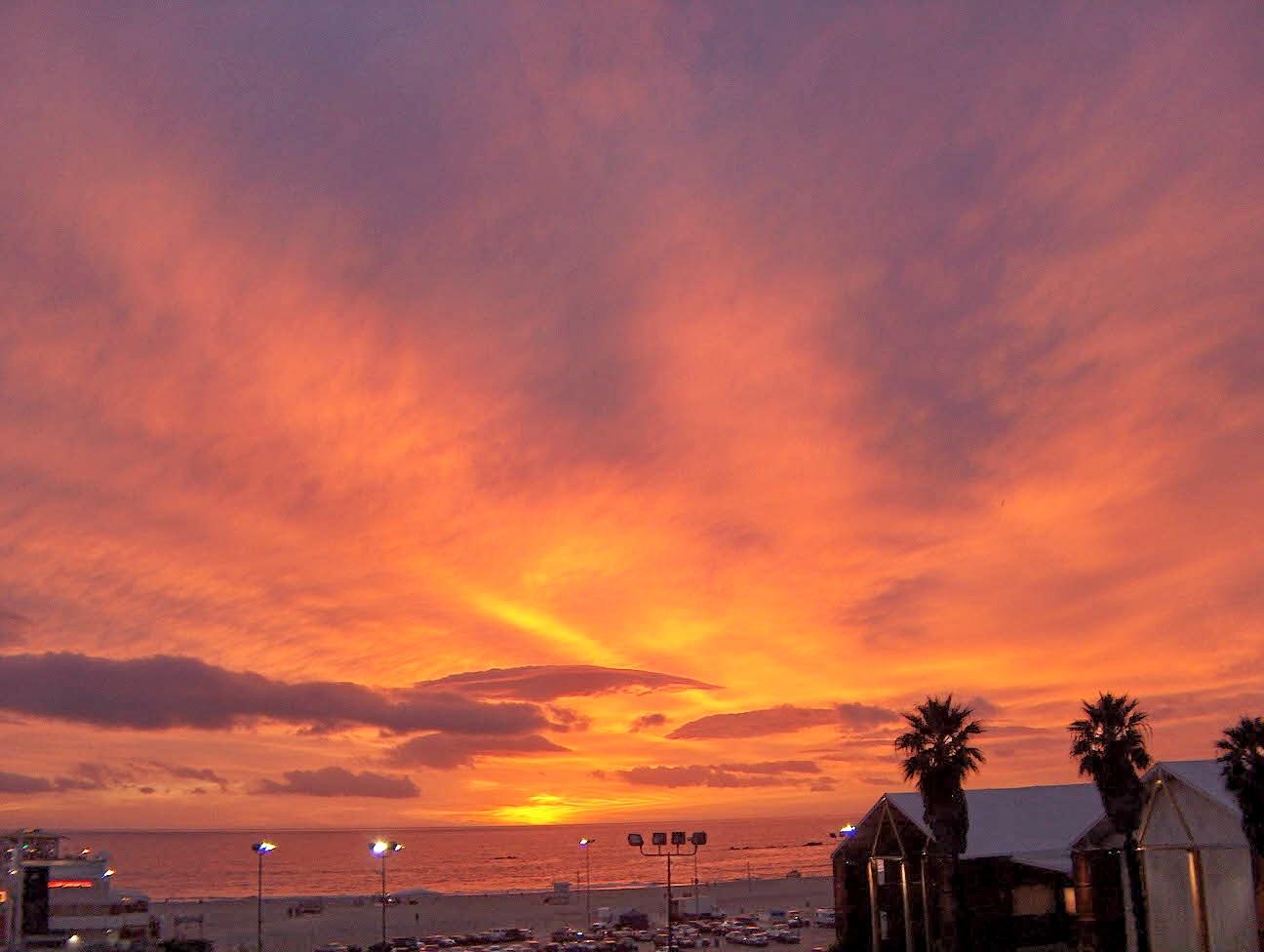
Looking beyond Point Sur Lighthouse? Discover South Coast for broader travel guides, local hot-spots, and regional highlights.
Explore South Coast
Explore the Henry Miller Memorial Library in Big Sur - a unique cultural hub celebrating literature and creativity amidst stunning natural beauty.
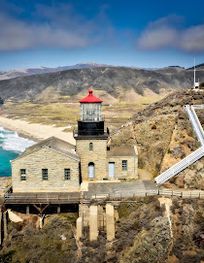
Explore the natural beauty and historical significance of Point Sur State Historic Park, featuring stunning coastal views and the iconic Point Sur Lighthouse.
