

Osborne Village (Winnipeg) Travel Guide - Free
Explore Osborne Village in Winnipeg with Evendo's free guide. Find the best shops, historic streets, restaurants, and gems on web or mobile.


Osborne Village in Winnipeg blends riverside walks, independent shops, cafés, live music and neighbourhood history, offering a lively base south of downtown Manitoba.
Streets, River and Neighbourhood Character
Osborne Village occupies a compact stretch of south-central Winnipeg, just across the Assiniboine River from the downtown core and centred on Osborne Street, River Avenue and the surrounding residential streets. Its identity comes from contrasts: busy commercial blocks give way quickly to quiet apartment streets, older houses and paths beside the river. The neighbourhood is easy to explore on foot, although Osborne Street can be crowded and traffic-heavy, particularly around its bridges and larger intersections.Read more about Osborne Village
Architecture and Everyday Life
Culture After Dark
Best attractions in Osborne Village
Osborne Village’s attractions are woven into its everyday streets rather than gathered in a single museum quarter. The Park Theatre on Osborne Street is a notable cultural venue for concerts and other programmed events, while the Gas Station Arts Centre on River Avenue brings theatre and performance into a converted neighbourhood setting. The Assiniboine River and its adjoining paths provide the area’s most distinctive outdoor experience, offering changing views, mature vegetation and a direct sense of Winnipeg’s river geography. Visitors can also explore Osborne Street’s older commercial frontage, turn into the residential side streets and follow routes towards the river to see the contrast between urban activity and open riverbank space. The nearby Osborne Bridge is useful both as a transport link and as a reminder of the neighbourhood’s longstanding relationship with crossings between central Winnipeg and the districts south of the river.
-
Tourist attraction
The Forks Market
Discover the heart of Winnipeg at The Forks Market, a vibrant destination for shopping, dining, and cultural experiences along the river.
6 min drive · 1.9 km from neighbourhood centre
-
Tourist attraction
Children's Museum
Experience creativity and fun at Winnipeg's Children's Museum, where every exhibit inspires learning and imagination for children of all ages.
6 min drive · 2.1 km from neighbourhood centre
-
Tourist attraction
The Forks National Historic Site
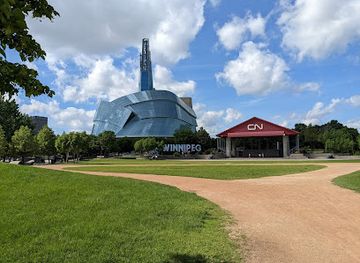
Explore the vibrant history, nature, and culture at The Forks National Historic Site, Winnipeg's iconic gathering place for over 6,000 years.
7 min drive · 2.2 km from neighbourhood centre
-
Tourist attraction
Winnipeg Sign
Discover the Winnipeg Sign, a vibrant symbol of Manitoba's spirit at The Forks, where culture and scenic views unite for an unforgettable experience.
7 min drive · 2.2 km from neighbourhood centre


Best landmarks in Osborne Village
Osborne Street is the neighbourhood’s principal physical landmark, functioning as a commercial corridor, transport route and recognisable crossing between central Winnipeg and the areas south of the Assiniboine River. The Osborne Bridge is closely tied to that role and offers a marked change from the dense street frontage to the river landscape. The Park Theatre is significant as a surviving neighbourhood entertainment venue, while the Gas Station Arts Centre occupies a distinctive former service-station setting on River Avenue and reflects Osborne Village’s association with performance culture. The Assiniboine River and its public paths are equally important landmarks in geographical terms, defining the neighbourhood’s northern edge and giving local streets a relationship with water and open space. Together, these places represent the district’s layered identity as a residential area, transport link, commercial strip and cultural quarter.
-
Market
The Forks Market
Explore local crafts, diverse dining, and rich history at Winnipeg's vibrant Forks Market, a unique destination at the heart of the city.
6 min drive · 1.9 km from neighbourhood centre
-
Restaurant
Sous Sol
Experience the elegance of Sous Sol, Winnipeg's premier restaurant and cocktail bar, offering a unique blend of delightful cuisine and innovative drinks.
6 min walk · 0.5 km from neighbourhood centre
-
Bar
Leopold's Tavern Winnipeg - Osborne Village
A vibrant Osborne Village tavern serving up comfort food, craft beers, and a lively atmosphere in Winnipeg.
7 min walk · 0.6 km from neighbourhood centre
-
Historical landmark
The Forks National Historic Site
Explore 6,000 years of history, culture, and recreation at Winnipeg's iconic meeting place, The Forks National Historic Site.
7 min drive · 2.2 km from neighbourhood centre


Explore Osborne Village on the map
A handpicked selection of must-see spots in Osborne Village, mapped for you.
Best hotels in Osborne Village
Best restaurants in Osborne Village
Eating in Osborne Village centres on independent and locally oriented businesses along Osborne Street, River Avenue and the adjoining commercial blocks. The selection generally spans cafés, casual restaurants, bars serving food, take-away counters and more leisurely evening dining, reflecting the neighbourhood’s mixed residential and entertainment character. Visitors will find a useful range of familiar Canadian city fare alongside international influences, vegetarian choices and informal meals suited to people moving between shops, homes and venues. Osborne Street is the practical place to browse, while River Avenue and nearby side streets offer a quieter setting in parts of the district. Dining patterns change with the local performance calendar, and some venues are closely linked to nightlife rather than daytime sightseeing. The neighbourhood’s food culture is best understood as an independent, walkable collection of local businesses rather than a formal culinary district or a market-based destination.
-
Mexican
Carlos & Murphy's
Experience vibrant Mexican flavors at Carlos & Murphy's in Winnipeg - where every meal is a fiesta!
6 min walk · 0.5 km from neighbourhood centre
-
Restaurant
The Toad in the Hole
Experience authentic Canadian pub culture at The Toad in the Hole, where delicious food meets lively atmosphere in Winnipeg.
6 min walk · 0.5 km from neighbourhood centre
-
Thai
Sukhothai Restaurant
Savor authentic Thai cuisine at Sukhothai Restaurant in Winnipeg—where tradition meets flavor in every dish.
5 min walk · 0.4 km from neighbourhood centre
-
Pizza
A Little Pizza Heaven
Experience authentic Italian flavors at A Little Pizza Heaven in Winnipeg – where every slice feels like paradise!
7 min walk · 0.5 km from neighbourhood centre


Best bars in Osborne Village
Osborne Village has one of Winnipeg’s more recognisable evening scenes, although it remains a lived-in neighbourhood rather than a dedicated club district. Osborne Street and nearby commercial blocks contain bars, pubs and casual venues where residents and visitors gather after work or before performances. The Park Theatre contributes live music and entertainment, while the Gas Station Arts Centre gives River Avenue a continuing connection with theatre and local performance. Some evenings are lively around programmed events, whereas other parts of the neighbourhood remain comparatively quiet, particularly away from the main road. Night-time visitors should distinguish the active commercial frontage from the surrounding residential streets and respect local noise levels. The area’s appeal lies in the combination of independent drinking places, culture and walkable venues, rather than in a concentration of large nightclubs or all-night entertainment.
-
Pub
The Toad in the Hole
Discover the cozy charm of The Toad in the Hole, Winnipeg's beloved pub for delicious food, craft drinks, and a vibrant atmosphere.
6 min walk · 0.5 km from neighbourhood centre
-
Restaurant
Sous Sol
Discover the perfect blend of exquisite cuisine and creative cocktails at Sous Sol, Winnipeg's premier dining hotspot.
6 min walk · 0.5 km from neighbourhood centre
-
Bar
Leopold's Tavern Winnipeg - Osborne Village
Discover the welcoming charm of Leopold's Tavern, a lively bar in Winnipeg's Osborne Village, offering delicious food and a vibrant atmosphere.
7 min walk · 0.6 km from neighbourhood centre
-
Restaurant
The Oxbow Natural Wine Bar & Restaurant
Experience the vibrant flavors of natural wines and local cuisine at The Oxbow Natural Wine Bar & Restaurant in Winnipeg's Lord Roberts neighborhood.
18 min walk · 1.4 km from neighbourhood centre


Best nightclubs in Osborne Village
Osborne Village has one of Winnipeg’s more recognisable evening scenes, although it remains a lived-in neighbourhood rather than a dedicated club district. Osborne Street and nearby commercial blocks contain bars, pubs and casual venues where residents and visitors gather after work or before performances. The Park Theatre contributes live music and entertainment, while the Gas Station Arts Centre gives River Avenue a continuing connection with theatre and local performance. Some evenings are lively around programmed events, whereas other parts of the neighbourhood remain comparatively quiet, particularly away from the main road. Night-time visitors should distinguish the active commercial frontage from the surrounding residential streets and respect local noise levels. The area’s appeal lies in the combination of independent drinking places, culture and walkable venues, rather than in a concentration of large nightclubs or all-night entertainment.
-
Pub
ANAF Club 60
Discover the lively atmosphere of ANAF Club 60, a must-visit pub in Winnipeg offering great drinks, delicious snacks, and a vibrant social scene.
9 min walk · 0.7 km from neighbourhood centre
-
Night club
The Village Nightclub
Discover the electric ambiance of The Village Nightclub in Winnipeg, where unforgettable nights and vibrant music come together in a stylish lounge setting.
6 min walk · 0.5 km from neighbourhood centre
-
Night club
Club Happenings
Discover the electrifying nightlife at Club Happenings in Winnipeg, where rhythm, fun, and unforgettable experiences await every night.
7 min walk · 0.6 km from neighbourhood centre



Best shops in Osborne Village
Shopping in Osborne Village is concentrated along Osborne Street and nearby sections of River Avenue, where independent retailers, cafés, personal services and small specialist businesses occupy a mixture of older storefronts and adapted buildings. The experience is local and walkable rather than centred on a large shopping centre or a single covered market. Visitors can browse clothing, gifts, books, food and everyday goods while moving between restaurants and cultural venues, with the exact selection changing as businesses open, close or relocate. Osborne Street is the strongest starting point, but the quieter side streets reveal the neighbourhood’s residential context and smaller-scale commercial spaces. This is not the place to seek a single traditional craft or a large tourist market; its retail character comes from independent urban commerce, casual browsing and the way shops sit alongside homes, bars and performance venues.
-
Bead store
Shakti
Explore Shakti in Winnipeg – a unique bead store blending creativity with spirituality, offering beads, jewelry supplies, and metaphysical treasures.
6 min walk · 0.5 km from neighbourhood centre
-
Clothing store
Out of the Blue
Explore Winnipeg's vibrant fashion scene at Out of the Blue, where unique clothing and accessories await every style enthusiast.
7 min walk · 0.6 km from neighbourhood centre
-
Boutique
Silver Lotus
Explore Silver Lotus in Winnipeg for unique clothing and handcrafted jewelry that reflect local artistry and culture, perfect for memorable souvenirs.
7 min walk · 0.5 km from neighbourhood centre
-
Gift shop
Riley Grae
Discover Riley Grae, a unique gift and coffee shop in Winnipeg's Corydon Avenue, where local craftsmanship meets artisanal brews.
4 min walk · 0.4 km from neighbourhood centre


Osborne Village essentials
Getting There
Getting Around
Safety
Emergency Situations
Do's and Don'ts
Local Tips

From Eve
Local phrases worth knowing
You don't need to get them perfect. A few words go a long way, and locals appreciate the effort.
Basics
| English | Local | Say it |
|---|---|---|
| Hello | Bonjour | [bon-zhoor] |
| Goodbye | Au revoir | [oh re-vwah] |
| Yes | Oui | [wee] |
| No | Non | [nohn] |
| Please/You're welcome | S'il vous plaît/De rien | [seel voo pleh/duh ryehn] |
| Thank you | Merci | [mehr-see] |
| Excuse me/Sorry | Excusez-moi/Désolé | [ex-kew-zay mwa/day-zo-lay] |
| How are you? | Comment ça va? | [kom-mohn sah vah] |
| Fine. And you? | Bien. Et toi? | [byen. ay twah] |
| Do you speak English? | Parlez-vous anglais? | [par-lay voo ahn-glay] |
| I don't understand | Je ne comprends pas | [zhuh nuh kohm-prahn pah] |
Eating & Drinking
| English | Local | Say it |
|---|---|---|
| I'd like to see the menu, please | Je voudrais voir le menu, s'il vous plaît | [zhuh voo-dray vwahr luh meh-nyoo, seel voo pleh] |
| I don't eat meat | Je ne mange pas de viande | [zhuh nuh mahnzh pah duh vee-ahnd] |
| Cheers! | Santé! | [sahn-tay] |
| I would like to pay, please | Je voudrais payer, s'il vous plaît | [zhuh voo-dray pay-ay, seel voo pleh] |
Emergencies
| English | Local | Say it |
|---|---|---|
| Help! | Au secours! | [oh suh-koor] |
| Go away! | Allez-vous en! | [al-lay voo ahn] |
| Call the Police! | Appelez la police! | [ah-peh-lay lah poh-lees] |
| Call a doctor! | Appelez un médecin! | [ah-peh-lay uh mayd-sahn] |
| I'm lost | Je suis perdu | [zhuh swee pair-doo] |
| I'm ill | Je suis malade | [zhuh swee mah-lahd] |
Shopping
| English | Local | Say it |
|---|---|---|
| I'd like to buy... | Je voudrais acheter... | [zhuh voo-dray zah-shtay...] |
| I'm just looking | Je regarde juste | [zhuh ruh-gard zhust] |
| How much is it? | Combien ça coûte? | [kohm-byen sah koot] |
| That's too expensive | C'est trop cher | [say troh shair] |
| Can you lower the price? | Pouvez-vous baisser le prix? | [poo-vez voo bay-say luh pree] |
Time & Numbers
| English | Local | Say it |
|---|---|---|
| What time is it? | Quelle heure est-il? | [kehl uhr ay teel] |
| It's one o'clock | Il est une heure | [eel ay oon uhr] |
| Half past (10) | Dix et demi | [dees ay duh-mee] |
| Morning | Matin | [mah-tahn] |
| Afternoon | Après-midi | [ah-pray meedee] |
| Evening | Soir | [swahr] |
| Yesterday | Hier | [ee-air] |
| Today | Aujourd'hui | [oh-zhoor-dwee] |
| Tomorrow | Demain | [duh-mahn] |
| 1 | Un | [uhn] |
| 2 | Deux | [duh] |
| 3 | Trois | [twah] |
| 4 | Quatre | [kah-truh] |
| 5 | Cinq | [sank] |
| 6 | Six | [sees] |
| 7 | Sept | [sept] |
| 8 | Huit | [wheet] |
| 9 | Neuf | [nurf] |
| 10 | Dix | [dees] |
Transport & Directions
| English | Local | Say it |
|---|---|---|
| Where's a/the...? | Où est... | [oo ay...] |
| What's the address? | Quelle est l'adresse? | [kehl ay la-dress] |
| Can you show me (on the map)? | Pouvez-vous me montrer (sur la carte)? | [poo-vez voo muh mohn-tray (soor la kart)] |
| When's the next (bus)? | Quand est le prochain (bus)? | [kahnd ay luh proh-shahn (boos)] |
| A ticket (to ....) | Un billet (pour ...) | [uhn bee-yay (poor)] |
History of Osborne Village
From Riverbank Edge to Suburb
Osborne Village developed on land south of the Assiniboine River as Winnipeg expanded beyond its early central districts. The river, nearby crossings and the route that became Osborne Street helped connect the area with downtown and surrounding communities. Early development included detached houses and small-scale residential streets, while the proximity to the city centre made the district increasingly attractive for workers and families. Its location beside the river remained a defining physical feature, even as streets, bridges and public transport made the area more closely integrated with Winnipeg’s urban core.
Residential Growth and Commercial Osborne Street
During the late nineteenth and early twentieth centuries, Osborne Village acquired much of the built character still visible today, including older houses, brick apartment buildings and compact commercial premises. Osborne Street became the neighbourhood’s principal shopping and transport corridor, serving nearby residents rather than functioning solely as a destination for visitors. The mixture of modest housing, local services and access to central Winnipeg gave the district a distinctly urban character. River Avenue and the side streets retained a more residential atmosphere, creating the contrast between busy frontage and quieter interior blocks.
Changing Urban Fortunes
Like many older inner-city areas, Osborne Village experienced changing housing patterns and commercial fortunes as Winnipeg’s population and retail activity expanded outwards during the twentieth century. Older buildings were adapted, subdivided or replaced, while the neighbourhood remained a significant rental and apartment district close to downtown. Its accessibility and established street pattern also supported independent businesses and cultural venues. The area’s later identity was shaped less by large redevelopment schemes than by the continual reuse of existing premises, the persistence of local retail and the arrival of arts, dining and nightlife businesses.
Arts, Nightlife and Contemporary Identity
From the late twentieth century onwards, Osborne Village became increasingly associated with live music, theatre, restaurants, bars and independent retail alongside its established residential role. Venues such as the Gas Station Arts Centre and the Park Theatre helped reinforce the neighbourhood’s cultural profile, while Osborne Street remained a social and commercial focus. Contemporary Osborne Village is therefore not a preserved historic district but a lived-in urban neighbourhood whose identity comes from layers of housing, river access, local commerce and performance culture. Ongoing change is visible in renovated buildings, new businesses and the continuing pressure common to centrally located neighbourhoods.
Osborne Village in Photos
Browse through our photo collection highlighting the charm and character of the destination.
Neighbourhoods near Osborne Village
The closest neighbourhoods to Osborne Village, if you have time for more than one stop.
-
-

-


Swipe for more neighbourhoods
Explore more
Explore more of Winnipeg
Winnipeg blends prairie history, Indigenous cultures, renowned museums, riverfront trails and lively neighbourhoods in Manitoba’s distinctive capital city.
Explore Winnipeg