

Talcott Mountain, Connecticut Travel Guide
Explore Talcott Mountain in Connecticut: Hike scenic trails, visit the historic Heublein Tower, and enjoy stunning views of the Farmington River Valley.
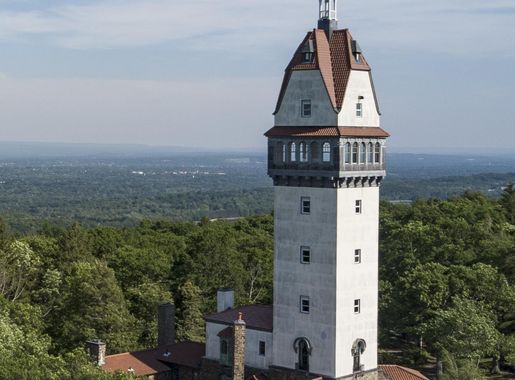
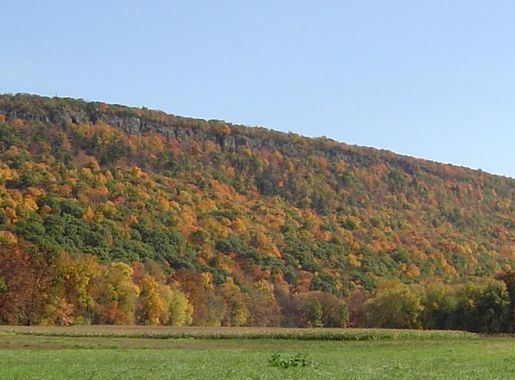
Talcott Mountain, located in Connecticut, is a scenic marvel that offers breathtaking views and a rich natural heritage. The mountain is part of the larger Talcott Mountain State Park, which is a haven for hikers, nature lovers, and families looking for a serene escape from the hustle and bustle of city life. The park spans over 574 acres and features the iconic Heublein Tower, a historic landmark that stands 165 feet tall and offers panoramic views of the Farmington River Valley and beyond. The hike to the top of Talcott Mountain is moderately challenging, making it suitable for both novice and experienced hikers. The well-marked trails wind through lush forests, past bubbling brooks, and offer several scenic overlooks where you can pause to take in the stunning vistas. Once you reach the summit, the Heublein Tower awaits. The tower itself is a fascinating piece of history, built in 1914 as a summer home for Gilbert Heublein, a prominent businessman. Today, it serves as a museum, showcasing period furnishings and offering insight into the area's history. In addition to hiking, Talcott Mountain State Park offers picnic areas where you can relax and enjoy a meal amidst nature. During the fall, the foliage is spectacular, drawing photographers and leaf-peepers from all over. The park is also a great spot for birdwatching, with a variety of species making their home in this protected area. Whether you're looking for a day of adventure or a peaceful retreat, Talcott Mountain has something to offer every visitor.

Know before you go
Hi, I'm Eve. Here are a few practical things to know before exploring Talcott Mountain.
- Visit in the fall for the most stunning foliage views.
- Wear sturdy hiking boots; trails can be rocky and uneven.
- Bring a picnic; the park has several beautiful spots to relax and eat.
- Check the weather before heading out; the trail can be slippery after rain.
- Don't forget your camera; the views from Heublein Tower are breathtaking.
- Arrive early to avoid crowds, especially on weekends.

Best landmarks in Talcott Mountain
Top-rated picks
Best Landmarks

Talcott Mountain State Park
Discover the breathtaking views and rich natural beauty of Talcott Mountain State Park in Simsbury, Connecticut, perfect for outdoor adventures and family outings.

Heublein Tower
Discover the historic Heublein Tower in Simsbury, offering stunning views, rich history, and scenic hiking trails amidst Connecticut's natural beauty.

Talcott mountain sundial
Explore the Talcott Mountain Sundial, a monumental historical landmark in Avon, Connecticut, offering stunning views and a perfect blend of art and nature.

Explore Talcott Mountain on the Map
A handpicked selection of must-see spots in Talcott Mountain, mapped for you.
Talcott Mountain Essentials
-
Talcott Mountain is located in the Farmington Valley area of Connecticut. The nearest major airport is Bradley International Airport, approximately 20 miles away. From the airport, you can rent a car, take a taxi, or use ride-sharing services to reach the mountain. If you are driving, Talcott Mountain State Park is accessible via Route 185. There are also bus services from Hartford to Simsbury, and from there, you can take a local taxi to the park.
-
Once you arrive, the best way to explore Talcott Mountain is on foot. The park features a network of hiking trails, including the popular Metacomet Trail. If you prefer not to hike, you can drive up to the parking area near the Heublein Tower. Local taxis and ride-sharing services are available for trips within the surrounding towns. Public transportation options are limited, so renting a car can be a convenient way to explore the area.
-
The official currency in the United States is the US Dollar (USD). Credit and debit cards are widely accepted at hotels, restaurants, and shops in the area. ATMs are available in nearby towns such as Simsbury and Avon, so you can easily withdraw cash if needed. It is advisable to carry some cash for small purchases, especially if you plan to visit local markets or small establishments.
-
Talcott Mountain is generally a safe destination for tourists. However, it is always wise to take standard precautions. Avoid leaving valuables in your car, especially in visible areas. While there are no specific high-crime areas targeting tourists, it is recommended to stay on marked trails and avoid hiking alone, particularly in the early morning or late evening hours. Familiarize yourself with the park's rules and regulations to ensure a safe visit.
-
In case of emergency, dial 911 for immediate assistance. The nearest medical facilities are located in Simsbury and Avon. It is recommended to carry a basic first aid kit while hiking. For minor health issues, you can find pharmacies in the nearby towns. It is also a good idea to have travel insurance that covers medical emergencies and outdoor activities.
-
Fashion: Do wear comfortable hiking shoes and weather-appropriate clothing. Avoid wearing flip-flops or high heels on hiking trails. Religion: There are no specific religious customs to observe, but always be respectful of any cultural or historical sites you may visit. Public Transport: Local public transport is limited, so plan your trips accordingly. Don't rely solely on public buses for getting around. Greetings: A simple 'Hello' or 'Hi' is a common greeting. A friendly wave or nod is also acceptable. Eating & Drinking: Do try local eateries and enjoy regional specialties. Don't litter in the park; always carry out what you carry in.
-
To experience Talcott Mountain like a local, visit during the fall when the foliage is at its peak. The Heublein Tower offers stunning views of the Connecticut River Valley and is a must-see. Bring a picnic and enjoy it at the designated picnic areas. Engage with park rangers or volunteers who can provide additional information and history about the area. If you're into birdwatching, don't forget your binoculars, as the park is home to various bird species.
When is the best time to visit Talcott Mountain?
Useful Local Phrases for Talcott Mountain
You don't need to speak the language perfectly. Even learning a few simple words can make conversations warmer—and locals usually appreciate the effort.
— Eve

Here are the phrases I use most often in Talcott Mountain. Try a few—you'll be surprised how far they go! 😊
❤️
-
- HelloHowdy
[haw-dee] - GoodbyeSee ya
[see yah] - YesYup
[yuhp] - NoNah
[nah] - Please/You're welcomePlease
[pleez] - Thank youThanks
[th-anks] - Excuse me/SorrySorry
[saw-ree] - How are you?How ya doin'?
[haw yuh doin'] - Fine. And you?Good. You?
[good. yuh?] - Do you speak English?Ya speak English?
[yah speak ing-glish?] - I don't understandI don't git it
[I don't git it]
- HelloHowdy
-
- I'd like to see the menu, pleaseMenu, please
[men-yew, pleez] - I don't eat meatNo meat for me
[no meat for mee] - Cheers!Cheers!
[cheers!] - I would like to pay, pleaseCheck, please
[chek, pleez]
- I'd like to see the menu, pleaseMenu, please
-
- Help!Help!
[help!] - Go away!Go away!
[go away!] - Call the Police!Call the cops!
[call the cops!] - Call a doctor!Get a doc!
[get a doc!] - I'm lostLost
[lost] - I'm illSick
[sick]
- Help!Help!
-
- I'd like to buy...I wanna buy...
[I wanna buy...] - I'm just lookingJust lookin'
[just look-in'] - How much is it?How much?
[how much?] - That's too expensiveToo much
[too much] - Can you lower the price?Lower the price?
[lower the price?]
- I'd like to buy...I wanna buy...
-
- What time is it?What time?
[what time?] - It's one o'clockOne o'clock
[wun o'clock] - Half past (10)Half past ten
[half past ten] - MorningMornin'
[morn-in'] - AfternoonAfternoon
[afternoon] - EveningEvenin'
[even-in'] - YesterdayYesterday
[yester-day] - TodayToday
[to-day] - TomorrowTomorrow
[to-mor-row] - 1One
[wun] - 2Two
[too] - 3Three
[three] - 4Four
[four] - 5Five
[five] - 6Six
[six] - 7Seven
[sev-en] - 8Eight
[ate] - 9Nine
[nine] - 10Ten
[ten]
- What time is it?What time?
-
- Where's a/the...?Where's the...?
[where's the...?] - What's the address?Address?
[address?] - Can you show me (on the map)?Show me on map?
[show me on map?] - When's the next (bus)?Next bus?
[next bus?] - A ticket (to ....)Ticket to ...
[ticket to ...]
- Where's a/the...?Where's the...?
History of Talcott Mountain
-
Talcott Mountain is part of the Metacomet Ridge, a unique traprock ridgeline that extends from Long Island Sound to nearly the Vermont border. Its formation dates back over 200 million years to the Triassic and Jurassic periods. The mountain’s distinctive basalt cliffs were formed by volcanic activity, which has created the dramatic landscape that we see today. The geological significance of Talcott Mountain is immense, providing researchers with valuable insights into the ancient Earth’s tectonic movements and climate changes.
-
Long before European settlers arrived, the area surrounding Talcott Mountain was inhabited by Native American tribes, including the Tunxis. They used the mountain and its resources for hunting, fishing, and gathering. The mountain held spiritual significance for these tribes, and various artifacts such as stone tools and pottery shards have been discovered in the area, indicating long-term habitation and usage.
-
European settlers began to explore and settle in the area around Talcott Mountain in the 17th century. The mountain was named after John Talcott, a prominent settler and landowner in the Connecticut Colony. During this period, the land around the mountain was cleared for agriculture, and small communities began to form. Remnants of early colonial structures and farms can still be found in the surrounding areas, offering a glimpse into the lives of the early settlers.
-
One of Talcott Mountain’s most iconic landmarks is the Heublein Tower. Built in 1914 by Gilbert Heublein, a prominent businessman, the 165-foot tower served as a summer retreat and was inspired by the castles along the Rhine River in Germany. The tower is constructed of steel and concrete and offers panoramic views of the Farmington River Valley, the Berkshires, and even the Long Island Sound on clear days. Today, Heublein Tower is a popular tourist attraction and a key feature of Talcott Mountain State Park.
-
Established in 1965, Talcott Mountain State Park encompasses 574 acres of preserved land. The park offers a variety of recreational activities, including hiking, bird watching, and picnicking. The Metacomet Trail, part of the larger New England National Scenic Trail, traverses the park and provides visitors with breathtaking views and a challenging hike. The preservation of this land ensures that future generations can enjoy the natural beauty and historical significance of Talcott Mountain.
-
Talcott Mountain has inspired artists, writers, and nature enthusiasts for generations. It has been the subject of numerous paintings, literary works, and research studies. The mountain continues to be a place of cultural and natural significance, attracting thousands of visitors each year who seek to experience its beauty and learn about its rich history. Local communities host various events and educational programs to promote the understanding and appreciation of Talcott Mountain’s historical and cultural heritage.
Neighbouring destination travel guides
Browse our curated selection of top destinations, scenic points, and must-visit spots in the area.



Your all‑in‑one travel companion app
Explore expert travel guides, compare and book tours, experiences, hotels, and more—all from the palm of your hand. Download now for seamless trip planning wherever your wanderlust takes you.


Explore More of Hartford County

Looking beyond Talcott Mountain? Discover Hartford County for broader travel guides, local hot-spots, and regional highlights.
Explore Hartford CountyExplore More of Connecticut

Looking beyond Talcott Mountain? Discover Connecticut for broader travel guides, local hot-spots, and regional highlights.
Explore ConnecticutTalcott Mountain in Photos
Browse through our photo collection highlighting the charm and character of the destination.




Talcott Mountain: Connecticut's Scenic Gem
Talcott Mountain, located in Connecticut, is a scenic marvel that offers breathtaking views and a rich natural heritage. The mountain is part of the larger Talcott Mountain State Park, which is a haven for hikers, nature lovers, and families looking for a serene escape from the hustle and bustle of city life. The park spans over 574 acres and features the iconic Heublein Tower, a historic landmark that stands 165 feet tall and offers panoramic views of the Farmington River Valley and beyond. The hike to the top of Talcott Mountain is moderately challenging, making it suitable for both novice and experienced hikers. The well-marked trails wind through lush forests, past bubbling brooks, and offer several scenic overlooks where you can pause to take in the stunning vistas. Once you reach the summit, the Heublein Tower awaits. The tower itself is a fascinating piece of history, built in 1914 as a summer home for Gilbert Heublein, a prominent businessman. Today, it serves as a museum, showcasing period furnishings and offering insight into the area's history. In addition to hiking, Talcott Mountain State Park offers picnic areas where you can relax and enjoy a meal amidst nature. During the fall, the foliage is spectacular, drawing photographers and leaf-peepers from all over. The park is also a great spot for birdwatching, with a variety of species making their home in this protected area. Whether you're looking for a day of adventure or a peaceful retreat, Talcott Mountain has something to offer every visitor.