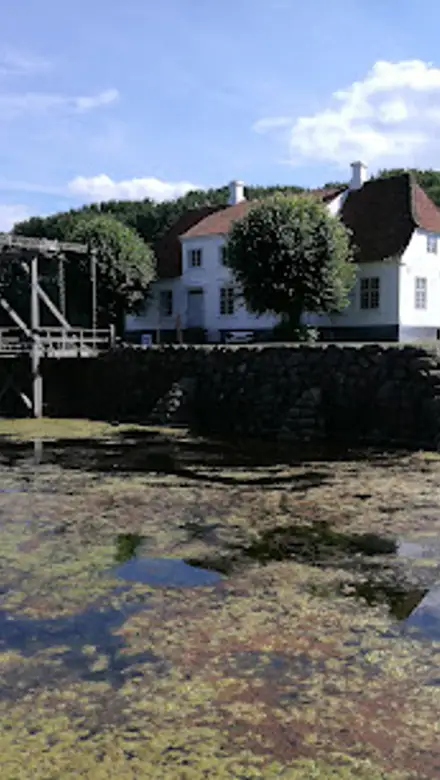
Ærø Museum Travel Guide
Free Guide: Step into Ærøskøbing’s 1775 bailiff’s house, where maritime tales, island traditions and a tranquil 1920s market garden bring Ærø’s history vividly to life.


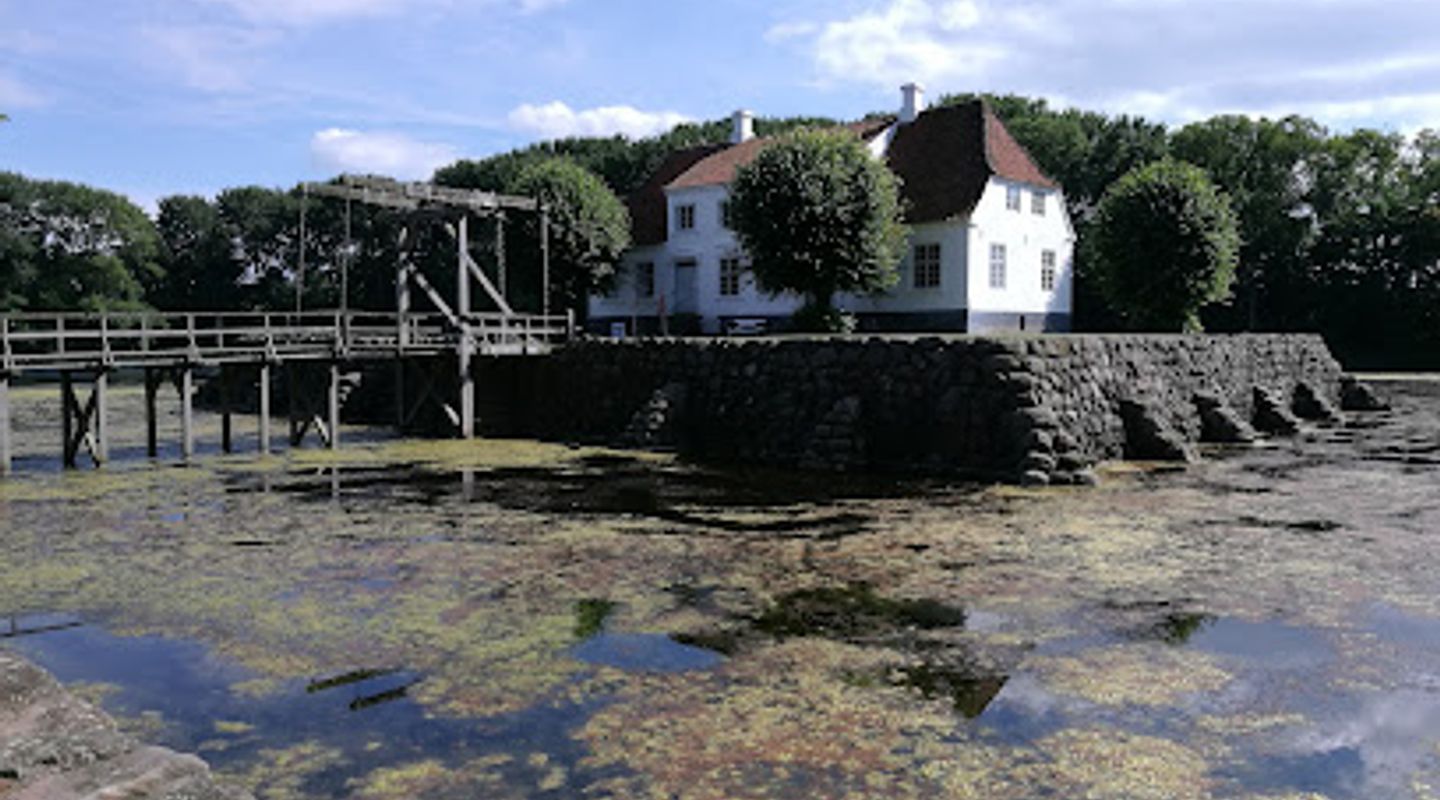
A brief summary of Ærø Museum
Step into Ærøskøbing’s 1775 bailiff’s house, where maritime tales, island traditions and a tranquil 1920s market garden bring Ærø’s history vividly to life.
Housed in Ærøskøbing’s former 18th‑century bailiff’s residence, Ærø Museum offers a richly curated window into life on this small Danish island from the days of the Duchy of Schleswig to modern wedding tourism. Exhibits weave together maritime heritage, local traditions, and everyday interiors, while a period market garden outside re-creates a 1920s kitchen plot. Child-friendly displays and playful activities make it engaging for families, yet history lovers will find plenty of depth in the stories, objects and changing special exhibitions that trace Ærø’s distinct identity.
On-site amenities
 Restrooms
 Seating areas
 Information boards
Opening hours
- Every day11 am–3 pm
Opening hours as listed on the venue’s Google Business Profile. Hours can change for services and special events, so check with the venue before you go.
- Address
- Søndergade 16, 5970 Ærøskøbing
- Phone
- Website
Getting there
Ferry and local bus from Svendborg
Ferry via Søby and island bus
Cycling across Ærø
Car on the island
Discover more about Ærø Museum
An island story inside an old bailiff’s house
Step through the doors of Ærø Museum and into an elegant merchant-bailiff’s residence from 1775, a timbered townhouse that once served as the administrative heart of Ærøskøbing. Today its rooms are devoted to the island’s story, from its centuries under the Duchy of Schleswig to its life within the Danish kingdom. Wide floorboards, painted doors and low ceilings create an intimate domestic scale, so you move not through anonymous galleries but through parlours, offices and bedrooms that still feel lived in.Rather than focusing on a single era, the museum layers time. Furnished interiors, portraits and household objects sketch the rise of local elites in the 18th and 19th centuries, when the bailiff managed justice and taxation from these very rooms. Text panels and maps quietly reveal how political borders, trade routes and shifting alliances shaped daily life on a small island sitting between large powers.
Maritime lifelines and island livelihoods
The sea has always been Ærø’s highway, and much of the museum’s richness lies in its maritime collections. Ship models, navigation instruments and sailors’ personal belongings illuminate a world of coastal trading, long-distance voyages and the hazards of the Baltic. You begin to see Ærø not as a remote outpost, but as a node in a web that once stretched from Nordic ports to far-off harbours.Panels explore how seafaring underpinned almost every family on the island, whether through ship ownership, crewing or related crafts such as sailmaking and carpentry. Photographs and documents trace transitions from sail to steam and the gradual decline of small-scale shipping, while stories of emigration, war and economic boom-and-bust show how vulnerable maritime communities were to forces beyond the horizon.
Customs, symbols and curious local traditions
Beyond ships and trade, Ærø Museum dives into the rituals and folklore that make the island distinctive. Exhibits explain the origins of Ærø’s two local flags and how they came to express island identity alongside the national colours. Another section unpacks the unusual custom of boiling eggs on the beach at Easter, tying it to older seasonal celebrations and to the simple pleasure of gathering by the sea after a long winter.More recent phenomena have a place here too, including Ærø’s modern reputation for destination weddings. Through photographs, dresses and small objects, the museum shows how couples from near and far have woven their own stories into the island’s fabric, adding a contemporary chapter to a long tradition of ceremonies, feasts and family gatherings.
Historic interiors and a 1920s market garden
Behind the museum lies a carefully reconstructed market garden that extends the story outdoors. Laid out with beds of vegetables, berries, herbs and espaliered fruit trees, it re-creates the look and planting styles of around 1920, when household self-sufficiency was still essential. Paths between the plots offer close-up views of old varieties and traditional pruning methods, and the garden’s sheltered corners invite a quiet pause.Indoors, you will find rooms arranged with period furniture, clocks, ceramics and textiles chosen to evoke everyday life rather than royal splendour. Standing in a parlour with a painted stove, embroidered cushions and a slightly uneven floor, it is easy to imagine the creak of boots after a day at sea or the measured steps of the bailiff going about his duties.
Hands-on touches and family-friendly details
Although much of Ærø Museum’s charm lies in its historic calm, it also pays clear attention to younger visitors. Selected exhibits are designed at child height, and explanatory texts use simple language alongside more detailed material for adults. Seasonal special exhibitions often pick up concrete themes—food, home life, crafts—that are easy to relate to regardless of age.A playful highlight is the cat-themed treasure hunt for children, built around the museum’s own house cat mascot. Clues encourage careful looking, drawing attention to surprising details in portraits, objects and corners that might otherwise be overlooked. In this way, the building itself becomes part of the adventure, and families can explore together at their own pace without feeling rushed.
A calm cultural anchor in Ærøskøbing
Because the museum sits in the centre of Ærøskøbing, it naturally becomes a cultural anchor for time in the town. Many visitors combine it with a stroll through cobbled streets and perhaps a later visit to associated sites such as Hammerichs Hus, accessed via a combined ticket. Inside, the atmosphere is notably quiet and reflective, with staff focused on interpretation and care for the collections rather than spectacle.For travellers interested in context, Ærø Museum offers an efficient primer: within a couple of hours you can grasp how geography, politics and the sea have shaped this small island over centuries. Yet the experience never feels purely academic; the creak of floorboards, scent of the garden and intimate scale of the rooms all root the history firmly in place and make the story of Ærø feel tangible and close.
Evendo Review Centre
 Google
Guest reviews
Best time to go
Quietest: Jan, Feb & Nov · before 8am or from 6pm
Busy times are Evendo estimates for a typical year, to help you plan. Actual crowds vary with events, school holidays and the weather.
Explore Ærø Museum on the map
A handpicked selection of must-see spots near Ærø Museum, mapped for you.
Get your free copy of our complete guide to Ærø Museum, delivered straight to you.
Everything on this page, from opening hours and how to get there to Eve’s tips and the best time to go, in one PDF you can read offline, print or share.
Already have an account? Sign in
Your Ærø Museum guide is ready.
We'll send it to · Not you? Sign out

Getting your guide ready…
We are putting together a fresh copy of the Ærø Museum guide. This can take up to a minute.
This can take a few moments. If your browser asks, choose Allow so the download can start. You'll find the guide in your Downloads folder.
Nothing happened? Download it again
Sorry, the guide is taking longer than usual. Please try again in a minute, or get it by email instead.
Other nearby places you may find interesting
The closest places of the same kind, if this one is not quite what you had in mind.
-
-
-
-
-


Swipe for more places
More to explore near Ærø Museum

 Best experiences near Ærø Museum
 Best hotels near Ærø Museum
 Best landmarks near Ærø Museum
 Best attractions near Ærø Museum
 Best shops near Ærø Museum
 Best restaurants near Ærø Museum
 Best bars near Ærø Museum
Do you manage this location?
Take control to get all the benefits, like improved information, better appearance, and stronger visibility across AI-powered discovery.
Explore more
Explore more of Aero
Discover the tranquil beauty of Ærø, Denmark's charming island paradise with historic towns, scenic landscapes, and rich maritime heritage.
Explore Aero
Explore more of Denmark
Discover Denmark: A perfect blend of history, modern design, and the cozy concept of hygge. Explore vibrant cities, serene landscapes, and world-class cuisine.
Explore Denmark