
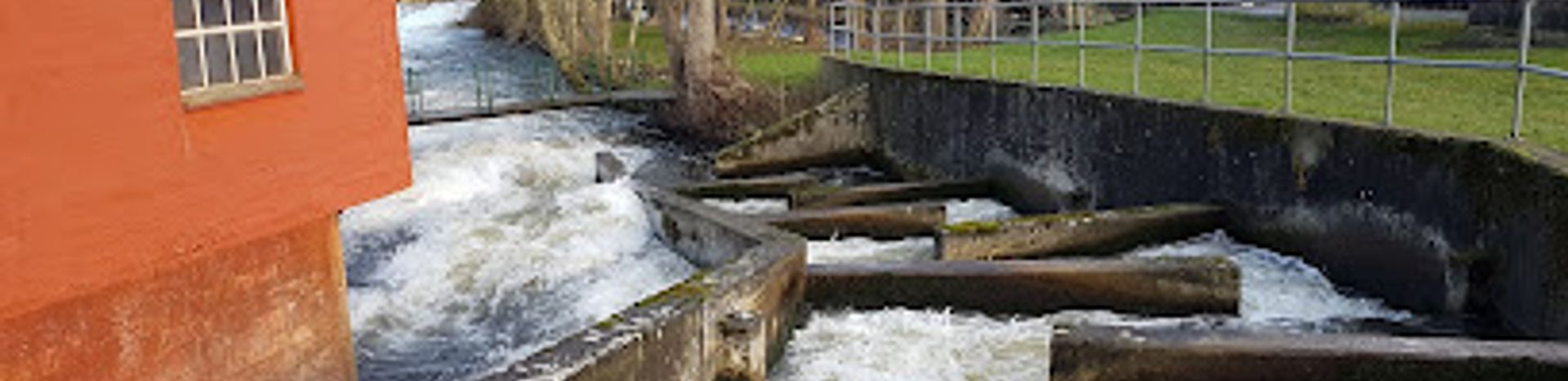
Abbey Mill (Klostermølle)
Historic Abbey Mill on Mossø’s shore, where Denmark’s longest wooden building meets bird-rich wetlands, gentle trails and a tranquil corner of the Gudenå River.
Abbey Mill, or Klostermølle, is a historic mill complex on the western shore of Mossø near Skanderborg, where monastic ruins, an old paper mill and Denmark’s longest wooden drying shed meet lakeside wetlands and forest. Today the site is a tranquil nature hub with birdwatching spots, informal exhibitions, canoe landings and trails leading to viewpoints over Jutland’s lake district, making it a relaxed blend of cultural heritage and outdoor escape.
A brief summary to Abbey Mill
- Klostermøllevej 48, Skanderborg, 8660, DK
- +4531205600
- Visit website
- Duration: 1.5 to 4 hours
- Free
-
 Outdoor
- Mobile reception: 4 out of 5
- Monday 12 am-12 am
- Tuesday 12 am-12 am
- Wednesday 12 am-12 am
- Thursday 12 am-12 am
- Friday 12 am-12 am
- Saturday 12 am-12 am
- Sunday 12 am-12 am
Local tips
- Pack snacks and drinks; Abbey Mill has basic facilities but no on-site café or shop, and the setting invites slow picnics by the lake or near the fire pits.
- Bring binoculars for the bird tower, especially in spring and autumn when migratory species gather around Mossø’s shallow bays and reed beds.
- Wear sturdy shoes that can handle mud; paths around the wetlands and along the Gudenå can be damp or slippery after rain.
- If you arrive by canoe, take advantage of the dedicated tent site with toilets, drinking water and a fire pit designed for river travelers.
- Plan extra time to follow one of the marked trails into the hills behind Klostermølle for wide views over Mossø and the surrounding lake district.

For the on-the-go comforts that matter to you
- Restrooms
- Drinking Water
- Picnic Areas
- Trash Bins
- Information Boards
Getting There
-
Car from Skanderborg
From central Skanderborg, driving to Abbey Mill typically takes 15–20 minutes through rural roads. The route is straightforward on paved surfaces suitable for all vehicles. There is free parking close to the buildings, and spaces usually accommodate both cars and small campervans. In busy summer weekends or during events, arrive earlier in the day to secure a convenient spot.
-
Regional bus plus walk
Regional bus services between Skanderborg and Brædstrup stop at Holmedal in Horsens Municipality, around 3–4 km from Abbey Mill. The bus ride usually takes 20–30 minutes. From Holmedal, allow about 45–60 minutes to walk on country roads and tracks through gently rolling terrain. Paths are generally easy but not ideal for wheelchairs or prams, and there is no shelter along the way in poor weather.
-
Bicycle from Ry or Skanderborg
Confident cyclists often reach Abbey Mill from nearby towns such as Ry or Skanderborg in about 30–50 minutes, depending on the starting point and route. Expect a mix of smaller paved roads and occasional gravel stretches, with mild hills typical of the lake district. There are no dedicated bike services or rentals at the mill, so arrange your bicycle in advance and bring lights and reflective gear if returning late in the day.
-
Canoe via the Gudenå River
Canoeists travelling on the Gudenå frequently use Abbey Mill as a stage point. Rental outfits along the river offer day and multi-day trips, and prices commonly range from about 400–700 DKK per canoe per day, often including the required river access permit. Paddling times vary by starting point, but sections are usually planned as half- or full-day journeys. Land at the designated canoe area near the tent site and secure your boat well in windy conditions.
Abbey Mill location weather suitability
-
 Clear Skies
-
 Mild Temperatures
-
 Any Weather
-
 Cold Weather
-
 Hot Weather
Discover more about Abbey Mill
A lakeside landscape shaped by monks and mills
Abbey Mill, known locally as Klostermølle, sits where forested hills slide gently into Mossø, Jutland’s largest lake. The site began as a Benedictine monastery, strategically placed beside the Gudenå River and the lake for fishing, transport and water power. Though the medieval abbey itself is long gone, its legacy lingers in the layout of the grounds and the way water, work and worship once intertwined here. Later, the site was transformed into a paper mill, tapping the steady current to turn wheels and drive machinery. The industrial phase left a completely different imprint: broad yards, functional brick buildings and, most famously, a long wooden drying shed where paper once hung in neat rows to cure. Today, it is this unusual mix of monastic history and industrial heritage framed by reeds, oaks and beech woods that defines Klostermølle’s character.Denmark’s longest wooden building and quiet industrial heritage
The great landmark at Abbey Mill is the former paper mill’s drying shed, often cited as Denmark’s longest wooden building. Step back to take it in and you see how it stretches in a straight line along the slope above the lake, a rhythmic sequence of pillars, planks and windows that once served a purely practical purpose. Its size feels almost out of scale with the modest countryside around it, giving the whole complex an unexpectedly grand silhouette. Around the shed, you will find other traces of industry: old mill buildings, simple workshops and remains of canals and sluices that once regulated the water. Some rooms house low-key displays telling the story of the monastery, the mill and the later paper production, usually with photos, objects and maps rather than high-tech installations. The overall impression is of a place preserved gently rather than polished, where the patina of age is allowed to speak for itself.Wetlands, birdlife and the wide waters of Mossø
Walk a few steps from the buildings and the mood changes from timber and brick to reeds, ripples and birdsong. Klostermølle is part of a larger protected landscape around Mossø, with wetlands that attract waterfowl and migratory birds. A wooden birdwatching tower rises above the shoreline, offering sweeping views over the lake toward distant wooded ridges and small islands. On calm days, the water can appear glassy, broken only by the wake of a canoe or the plunge of a diving bird. The air often carries the scent of wet earth, pine and wood smoke from the nearby fire pit areas. Paths wind through meadows and light forest, sometimes muddy but generally easy-going, and in spring and early summer wildflowers brighten the verges. For many visitors, the combination of open water, low horizons and the occasional call of cranes or geese is as memorable as the historical buildings themselves.Trails, viewpoints and life along the Gudenå
Abbey Mill doubles as a gateway to the Gudenå River, Denmark’s longest watercourse and a classic canoe route. Canoes frequently pull up at the landing by Klostermølle, and a tent site nearby caters specifically to paddlers making multi-day journeys downstream. Simple facilities such as toilets, drinking water, tables and a designated fire pit make it a convenient overnight pause in an otherwise wild-feeling stretch of river. From the mill, waymarked trails lead into the surrounding hills, including routes to viewpoints where you can look out across Mossø and the patchwork of forests and fields that form Denmark’s inland lake district. The terrain is gently undulating rather than steep, making walks accessible to most people with basic fitness. At times the path runs close to the water; at others it climbs onto sandy bluffs where the wind feels sharper and the lake suddenly seems far below.A calm, low-key escape in central Jutland
Despite its layered history and scenic position, Klostermølle retains a quietly understated atmosphere. There are no flashy attractions, just sturdy buildings, big skies and the slow rhythm of water and wind. Families come to let children explore the shoreline, couples linger on benches facing the lake, and nature lovers bring binoculars to scan for birds from dawn to dusk. The site is free to wander, making it easy to drop by for a short stroll or settle in for a full afternoon of walking, picnicking and contemplation. Bring what you need for comfort—extra layers, snacks, perhaps a thermos—and let the place reveal itself gradually: the way the wooden shed creaks in a breeze, the patterns of light on historic brickwork, the silhouette of a heron gliding over the reeds as evening falls.Iconic landmarks you can’t miss

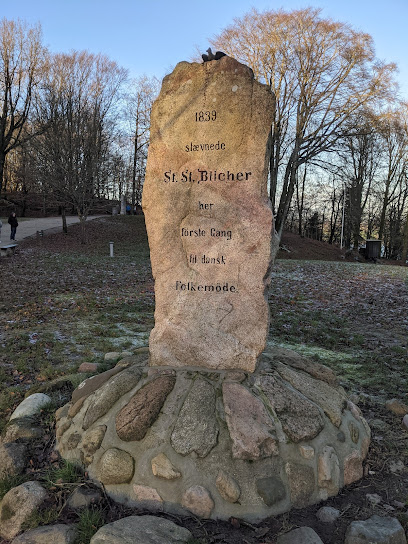
Folkemøde Mindesten anno 1839
7.2 km
Denmark's first democratic gathering, 1839—where ordinary citizens claimed their political voice.
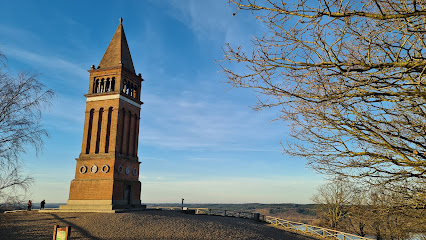
Himmelbjerget rutebåd
7.8 km
Denmark's highest point crowned by a historic tower, accessible by scenic lake cruise or forest trail.
Ejer Bavnehøj
11.0 km
A modest Danish hill with a mighty horizon, Ejer Bavnehøj blends reunification history, beacon legends and big-sky views into an easy, rewarding countryside stop.
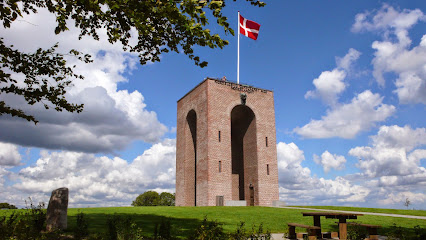
Genforeningssten på Ejer Bavnehøj
11.1 km
Denmark's third-highest point crowned with a monumental 1920 reunification memorial and iconic tower.
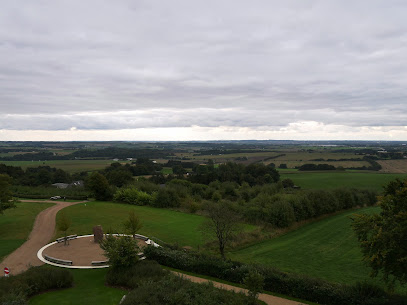
Ejerbavnehøj MØDESTED
13.0 km
Denmark's third-highest peak crowned by a 1924 monument to national reunification, offering panoramic views and historic significance.
Lovisehøj
14.1 km
A 73-meter forest hill with royal heritage and sweeping views across Danish lakes and woodlands.
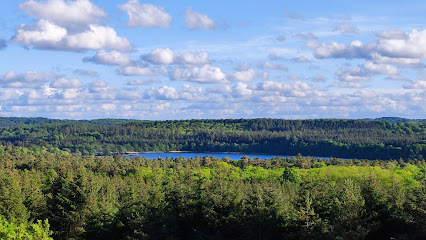
Silkeborg Vesterskov mindesten
15.9 km
A modest memorial stone in Silkeborg Vesterskov, where forest tranquillity and wartime history meet in a quiet, contemplative woodland clearing.
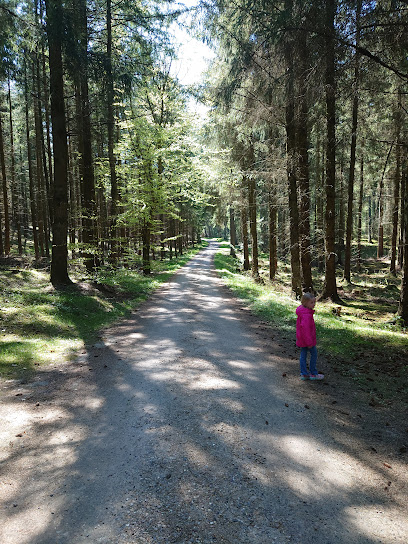
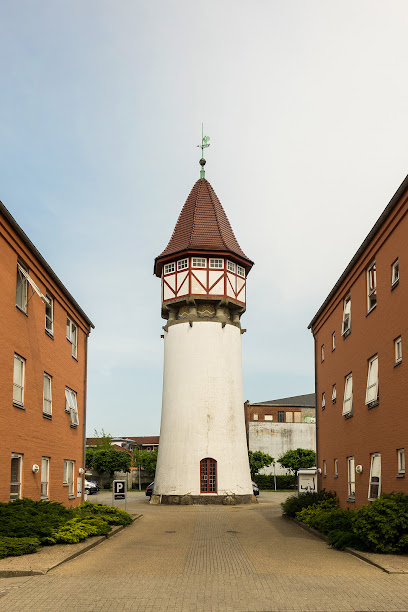
Silkeborg Water Tower
16.6 km
A heritage-listed industrial landmark symbolising Silkeborg's textile manufacturing legacy.
Museum Silkeborg, Hovedgården
16.8 km
Discover Byparkens Legeplads, a lively playground in Roskilde’s city park, blending creative play, family-friendly amenities, and community spirit in an urban green oasis.

Museum Silkeborg, Papirmuseet
16.9 km
Historic main square in the center of Roskilde, surrounded by vibrant markets, cafés, and the iconic cathedral—where Danish tradition meets everyday city life.

silkeborg
17.0 km
Historic 1871 railway landmark connecting Central Jutland with frequent regional services and heritage charm.
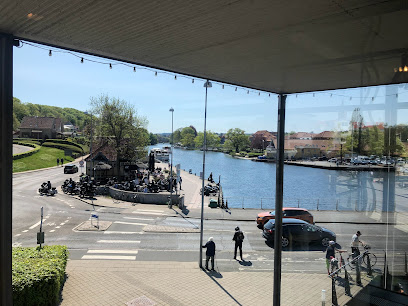
Statue of Michael Drewsen
17.0 km
Bronze tribute to Silkeborg’s founding industrialist, anchoring the historic town square and local traditions at the heart of Denmark’s lake district.
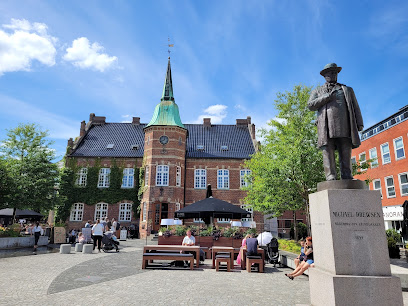
Slotsholmen
17.2 km
Denmark's island of power: nine centuries of royal rule, government, and cultural heritage in Copenhagen's heart.
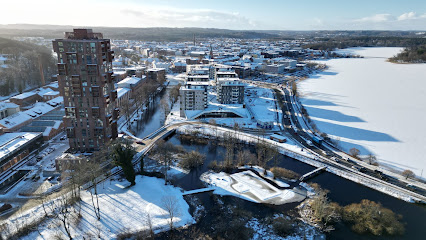
Springvand
17.2 km
Northern Europe's grandest fountain transforms Silkeborg's lakeside with water jets soaring 33 meters high and mesmerizing evening light shows.
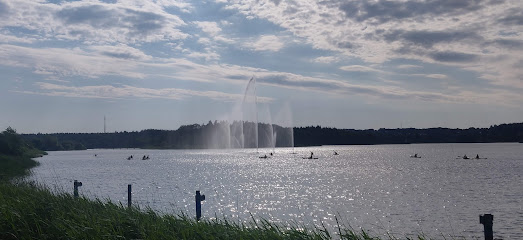
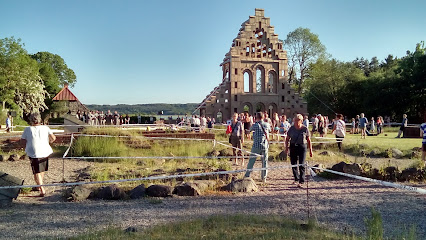
Funder Ruin
17.6 km
Experience the vibrant blend of history and modern life at Stændertorvet, Roskilde's central square.

Unmissable attractions to see

Kallehave bålhytte
2.8 km
A modest grill shelter tucked into the Kallehave woods near Gl. Rye, perfect for unhurried campfire cooking and a quiet break on forest hikes.

Øm Klostermuseum
3.8 km
Atmospheric monastery ruins and a specialist museum in skeletal archaeology, set between Jutland’s lakes with herb gardens, graves and traces of medieval monastic life.
Mossø
5.4 km
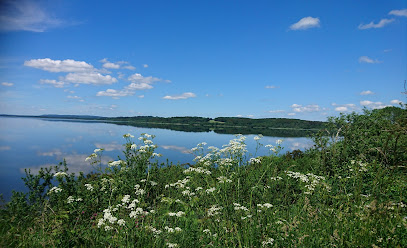
Jutland’s largest lake, where wide horizons, protected birdlife and easygoing outdoor adventures meet in the rolling Danish Lake Highlands.
Ry havn
7.0 km
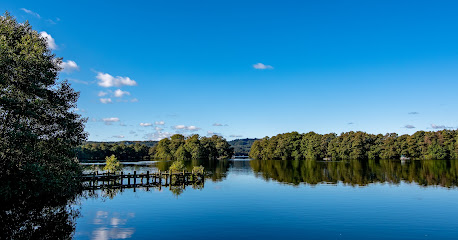
Quiet lakeside marina in Ry, offering relaxed waterfront life, boat trips into the Silkeborg Lakes and easy access to the gentle hills of Denmark’s lake district.
Bestig Himmelbjerget
7.1 km
Follow a classic forest trail from lakeshore to the summit of Denmark’s fabled Sky Mountain, combining gentle ascent, big views and layers of national history.
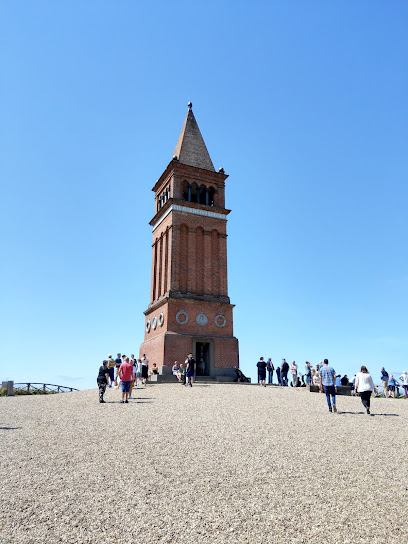
H.C. Andersen bench
7.1 km
Discover Råbjerg Mile, Northern Europe’s largest migrating sand dune—a stunning, ever-shifting landscape near Skagen, perfect for exploration and breathtaking views.
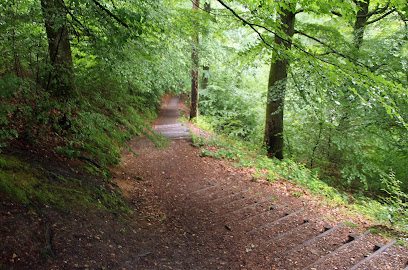
Himmelbjerget
7.3 km
Iconic Danish “mountain” above the Silkeborg lakes, blending sweeping forest-and-lake views with constitutional history, forest trails and classic excursion life.
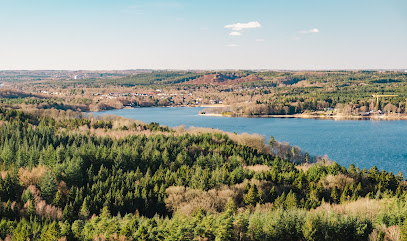
Himmelbjergtårnet
7.3 km
A 25‑metre red-brick memorial crowning Himmelbjerget, offering sweeping lake-and-forest panoramas and a powerful glimpse into Denmark’s democratic story.
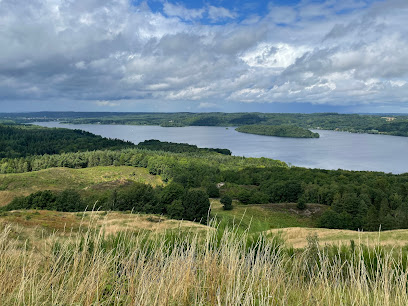
The Uncovered Bridge
7.4 km
Step back in time at Høgdal, Central Jutland’s idyllic open-air museum, where authentic farm life, heritage crafts, and Danish rural traditions come vividly to life.
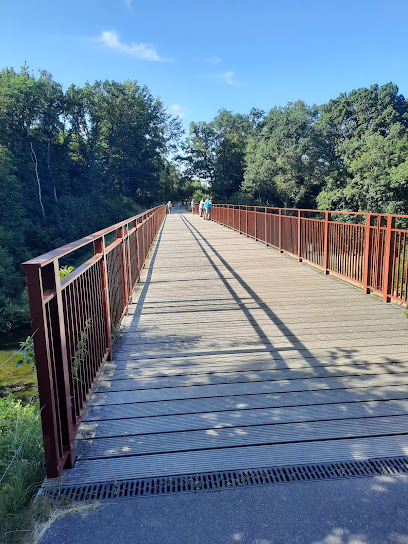
Himmelbjergegnens Tårnhøje Tårn
7.6 km
Historic hilltop tower above Søhøjlandet’s lakes and forests, blending Denmark’s constitutional story with sweeping Jutland views and atmospheric woodland paths.
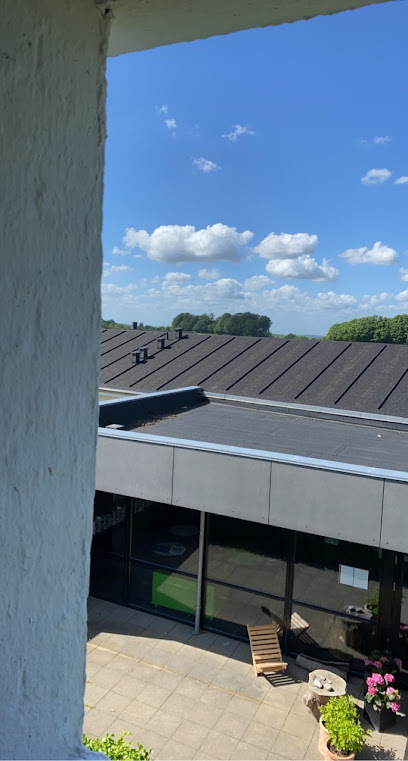
Turbådene Himmelbjerget
7.8 km
Classic excursion boats carrying you from lakeside Ry through serene Søhøjlandet to the foot of Denmark’s famed Himmelbjerget for views, walks and fresh air.
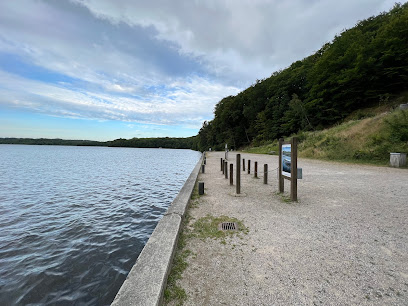
Yding Skovhøj
7.9 km
Ancient Bronze Age burial mounds, gentle forest trails and a long-running “highest point” debate meet atop this modest yet characterful hill in East Jutland.
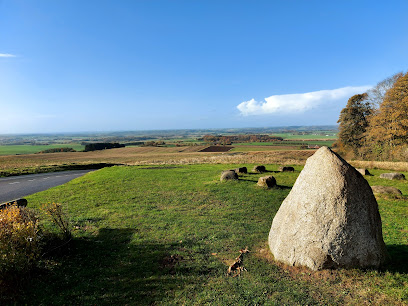
Maskenkol
8.0 km
A quiet stretch of Knudsø’s northern shore, Maskenkol offers gentle lakeside walking, open views and everyday Danish nature just beyond the town of Ry.
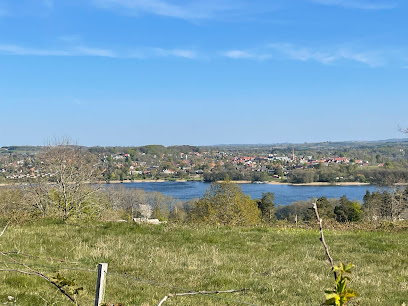
Yding Skovhøjs parkeringsplads
8.2 km
Denmark's highest point awaits at this forest gateway, crowned with ancient Bronze Age mounds.
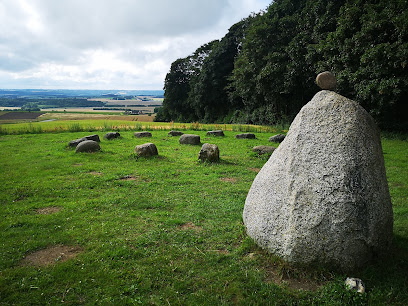
Dynæs voldsted
8.9 km
Quiet medieval castle mounds and deep ditches on a wooded peninsula in the Silkeborg Lakes, where earthworks, water and forest hint at a vanished stronghold.
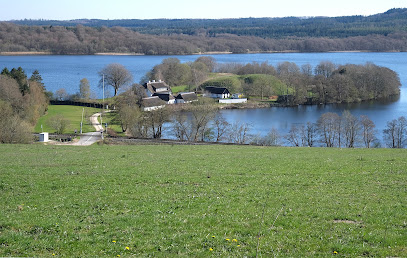
Essential places to dine

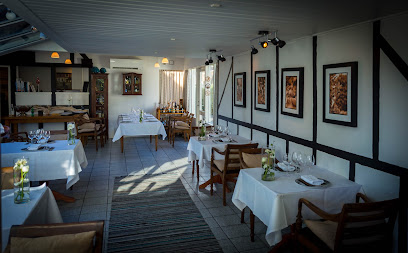
Lyng Dal Hotel og Restaurant
3.9 km
Intimate family-run hotel and seasonal restaurant in Ry, where garden-driven Danish cuisine, good wine and quiet countryside surroundings create a cosy Jutland escape.
Café Himmelsk
6.4 km
Homemade pastries and mountain views in Denmark's legendary lake district.
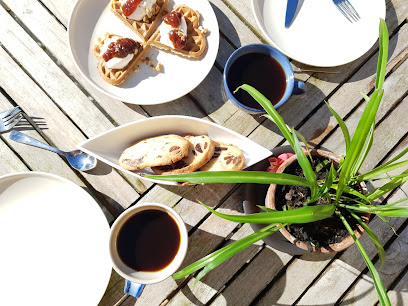
KobKun
7.0 km
Tiny Thai kitchen in the heart of Ry, serving fragrant curries and stir-fries in an intimate 13-seat space with a strong local takeaway following.
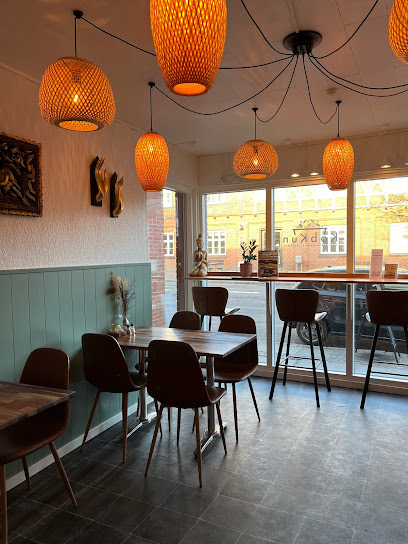
Byens Kylling & Pizza Ry
7.0 km
Casual neighborhood pizza and chicken takeaway in Ry, serving hearty portions and familiar flavors for easy, budget‑friendly dinners after a day outdoors.
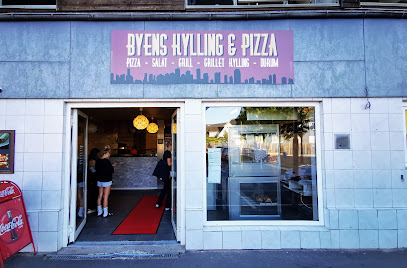
Lakeside Ry - Restaurant
7.1 km
Intimate waterfront dining blending Nordic tradition with global innovation in Denmark's Lake District.
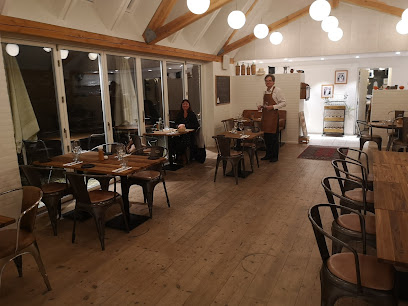
Cafeteria Himmelbjerget
7.1 km
Casual hilltop cafeteria at Himmelbjerget, serving classic Danish comfort food and ice cream with wide views over the Silkeborg lakes and surrounding forests.
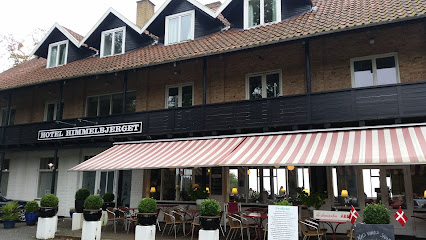
Ry Gastropub
7.1 km
Relaxed gastropub heart of Ry, serving comforting pub favourites, modern Danish flavours and easygoing drinks in a warm, social setting from lunch to late evening.
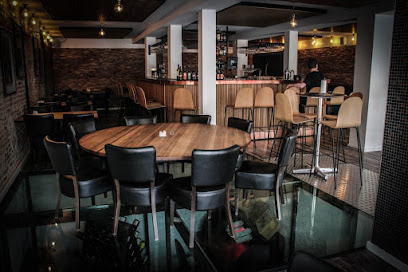
Hotel Ry
7.1 km
Contemporary comfort in Denmark's scenic heartland, where golf, hiking, and local gastronomy meet.
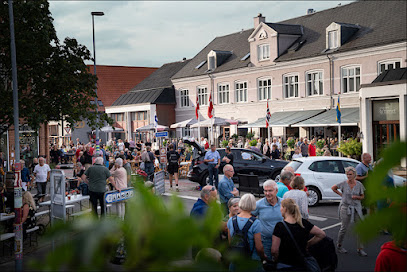
Brasseri Ry'tteriet
7.1 km
Intimate hotel brasserie in lakeside Ry, pairing French‑inspired comfort food, seasonal Danish ingredients and candlelit evening ambience in the heart of Søhøjlandet.
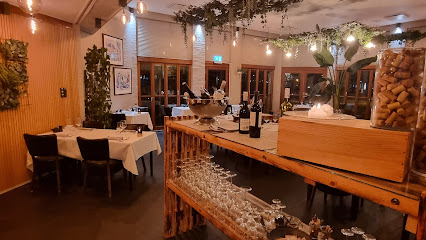
Restaurant Da Angelo
7.1 km
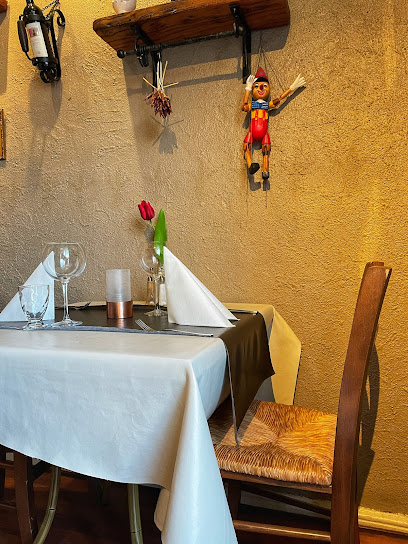
Authentic Italian dining in the heart of Ry's charming lakeside town center.
Umisushi
7.1 km
Neighbourhood sushi and takeaway in the lakeside town of Ry, serving fresh rolls and casual Japanese favourites in a relaxed, modern setting.

Knudhule Badehotel og Gastronomisk Institut
9.0 km
Award-winning lakeside hotel and fine dining destination in Denmark's scenic Søhøjlandet region.
Restaurant Gastronomisk Institut
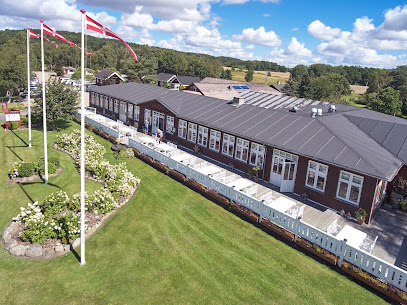
9.1 km
Seasonal Danish–French cooking, a serious wine cellar and wide lake views come together at this refined yet relaxed restaurant inside Knudhule Badehotel.
Svejstrup Præstegård
9.6 km
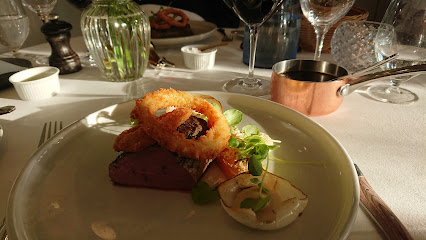
Historic rectory garden transformed into a seasonal summer restaurant and cultural venue.
Restaurant Aalekroen
10.3 km
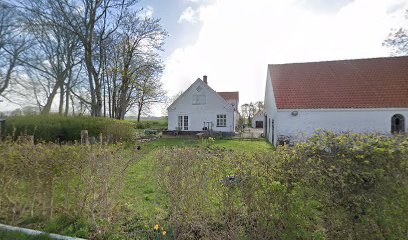
Classic Danish kro-style restaurant on the shores of Julsø, pairing hearty traditional dishes and fried eel with sweeping lakeside views near Silkeborg.
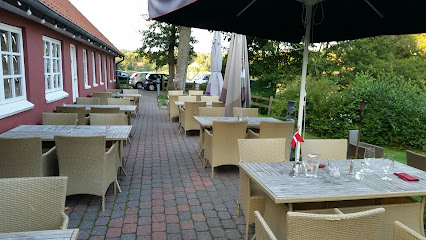
Markets, malls and hidden boutiques

Dagli'Brugsen Gl. Rye
4.0 km
Community-owned supermarket where every purchase strengthens local bonds and supports sustainable living.
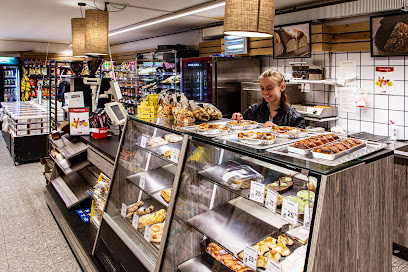
Made by Ella
4.1 km
Intimate goldsmith’s studio in Ry, where local jewelry artist Julie Ella Jappe handcrafts custom designs and contemporary pieces in a calm, small-town setting.
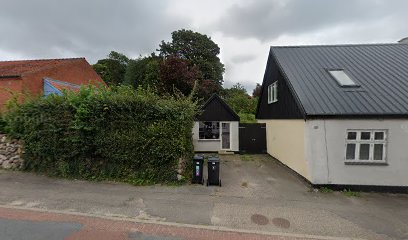
Nordic Yarn - a woolly affair
6.6 km
A cosy, family-run Nordic wool shop on a Jutland farm near Ry, where Icelandic and Norwegian yarn fill the shelves and horses graze just outside.
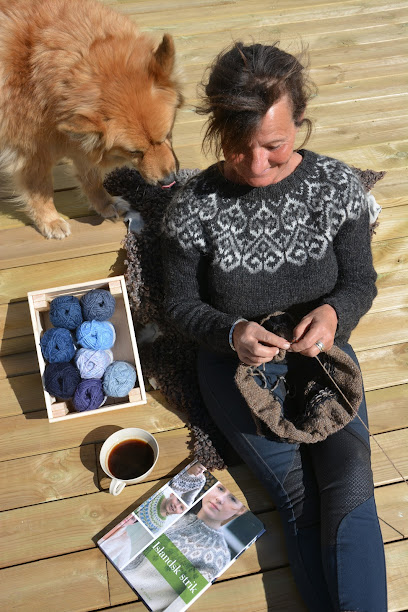
Rye Nørskov Gårdbutik
6.9 km
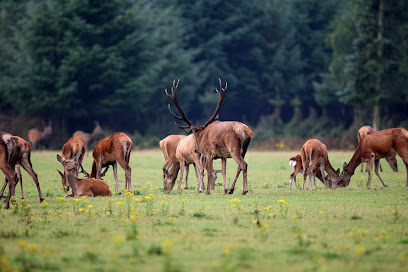
Historic farm shop in a mill building, selling wild game from estate forests with uncompromising quality and sustainability.
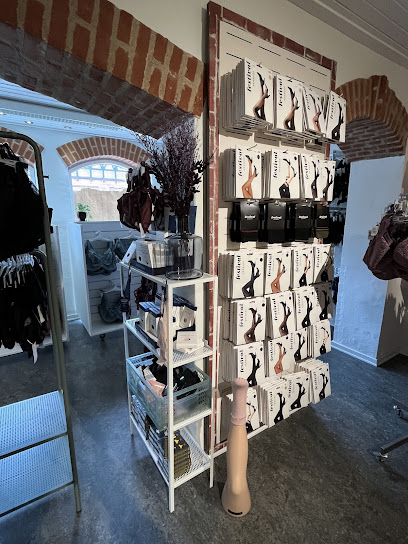
by Diana
7.0 km
An intimate Ry lingerie boutique offering personal fittings, Scandinavian style and a carefully curated selection of everyday essentials and special-occasion pieces.
Hanne Linding Denmark / BUTIK No. 9 Ry
7.1 km
Intimate Ry boutique by textile artist Hanne Linding, showcasing feminine Danish knitwear, curated colors and timeless, everyday Scandinavian design.

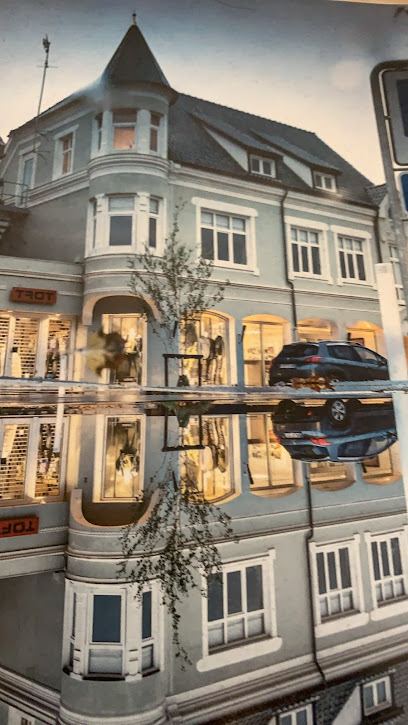
Toft suits men & women
7.1 km
Distinctive menswear and womenswear for those who value timeless quality and personal style.
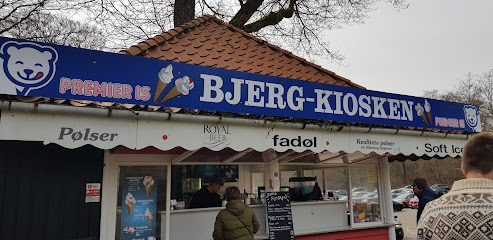
Bjerg-kiosken
7.1 km
Compact hilltop kiosk on Himmelbjerget serving ice cream, snacks and drinks to walkers and day-trippers at one of Denmark’s most iconic viewpoint areas near Ry.
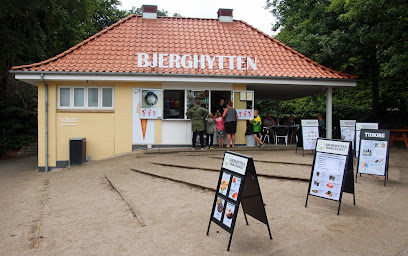
Bjerghytten
7.1 km
Bjerghytten: Savor Ice Cream Delights Amidst Himmelbjerget's Scenic Beauty
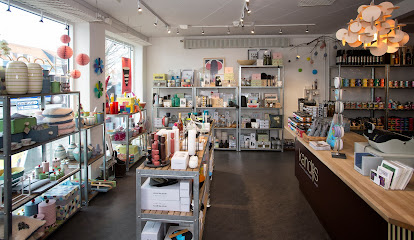
Kandis
7.1 km
A welcoming Ry specialty shop where wine, sweets, gourmet delicacies and thoughtful gifts come together under one cosy, carefully curated roof.
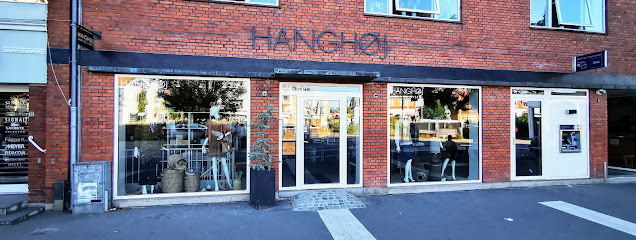
Hanghøj
7.1 km
A cosy Scandinavian fashion and lifestyle boutique in the heart of Ry, offering curated women’s clothing, accessories and gifts with a relaxed, personal touch.
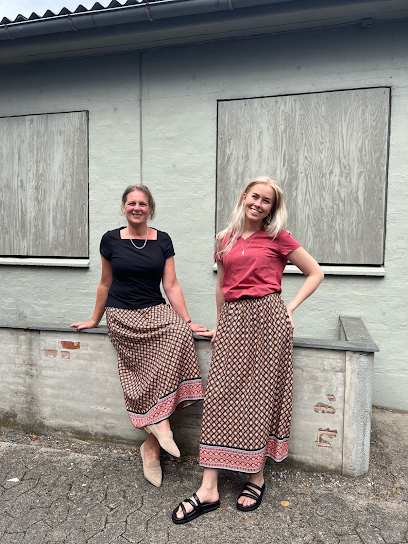
Taste
7.1 km
Intimate Ry boutique for thoughtfully chosen lingerie and womenswear, offering calm, personal service and understated Nordic style on Skanderborgvej.
Ugleboden
7.1 km
Casual ice cream and souvenir stall on Himmelbjerget, adding a sweet, no-frills pause to hikes and family outings in the wooded hills above Ry.
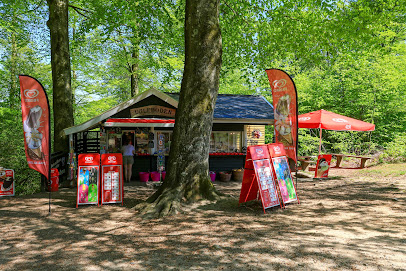
Ørneboden
7.2 km
Small hilltop souvenir shop on Himmelbjerget, pairing simple treats and mementos with big views over Søhøjlandet’s lakes and forests above Ry.
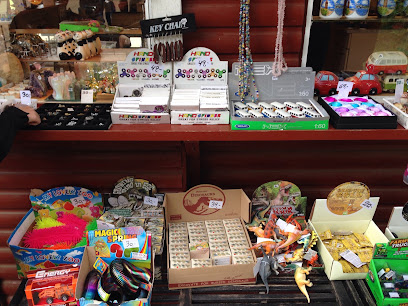
Pierrot La Lune
7.2 km
A small, stylish children’s clothing boutique on Ry’s central square, blending Scandinavian design, quality fabrics and a cosy, neighbourhood atmosphere.
Essential bars & hidden hideouts

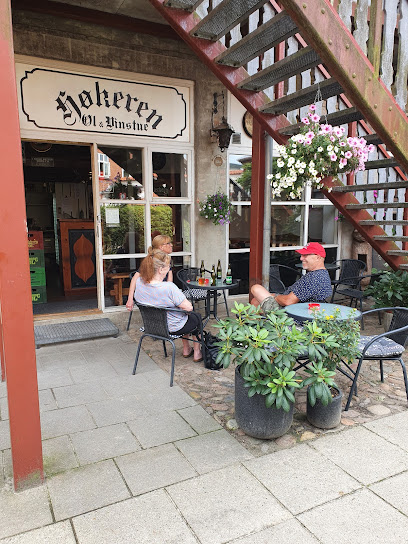
Høkeren
7.1 km
Possibly Denmark’s smallest pub, Høkeren in Ry distills classic Danish tavern culture into 18 sociable square meters of wood, warmth and well‑poured drinks.
La Vinya
7.1 km
Chic wine bar and tapas lounge in Ry, offering curated wines, local bites, and cozy ambiance—perfect for unwinding after your Himmelbjerget adventure.
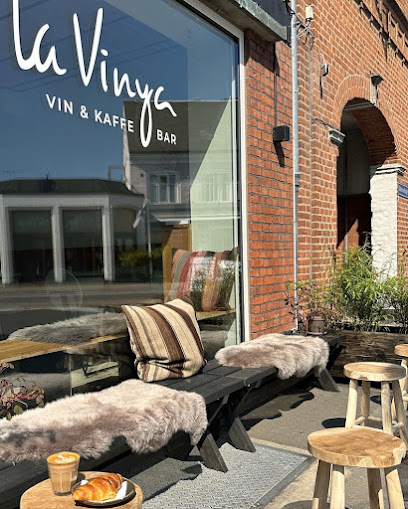
Ambolten Ry
7.1 km
Cosy neighborhood bar and social hub in the heart of Ry, mixing cold beers, live music and small-town charm in a laid-back, living-room atmosphere.
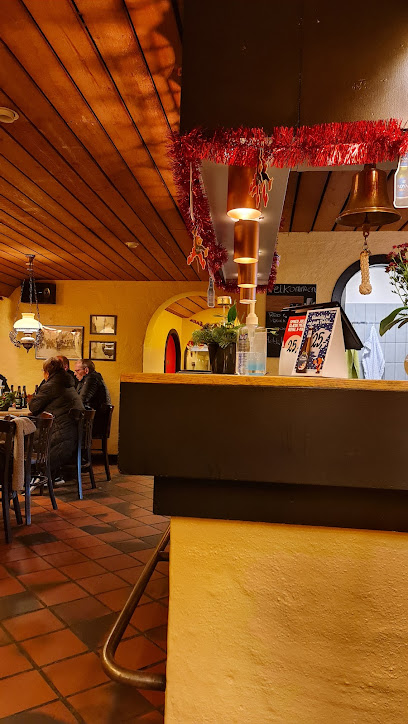
Sprutskuret I/S
8.9 km
A cosy, no-fuss neighborhood bar on Østbirk’s main street, where simple drinks, local life and unhurried conversations create a classic small-town Danish atmosphere.
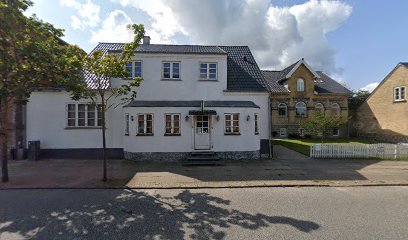
Dartklubben Potten
14.4 km
A classic Danish darts clubhouse in Låsby, where competitive heritage, cold drinks and small-town hygge come together around the oche.
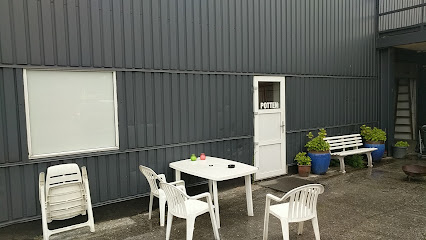
Bar Bund
14.7 km
Cozy neighborhood bar on Adelgade in central Skanderborg, pouring classic drinks in an intimate, low-lit setting that comes alive on weekend evenings.
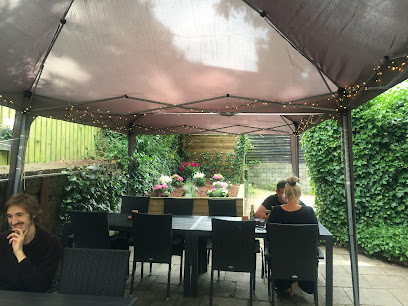
Bar 8660
14.8 km
Cosy local pub and brewery bar on Adelgade, pouring Skanderborg Bryghus beers, classic drinks and simple bar bites for relaxed evenings in central Skanderborg.
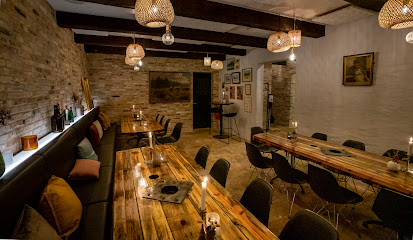
Værtshus
14.9 km
A compact, unpretentious local bar on Adelgade where Skanderborg’s everyday life gathers over simple beers, easy conversation and a relaxed evening atmosphere.
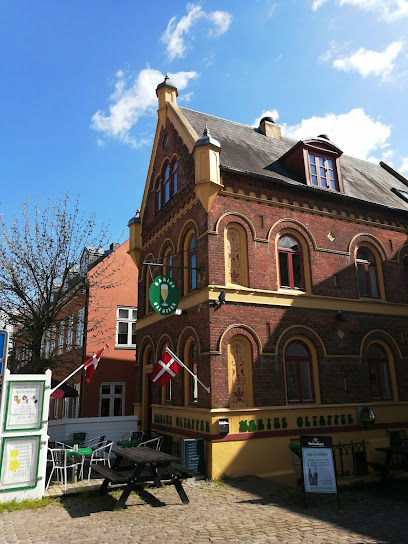
Marius Øltapper
14.9 km
Unpretentious Skanderborg bar on Adelgade pouring well-kept beers and offering a relaxed slice of Danish pub life from midday pints to late weekend nights.
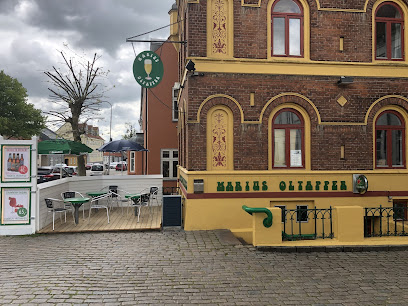
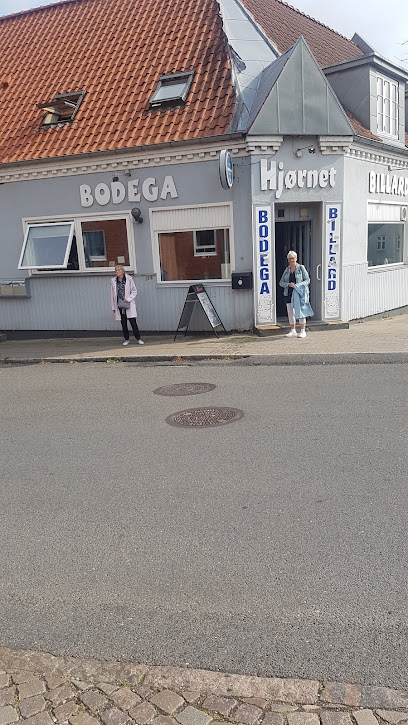
Bodega Hjørnet
16.4 km
A cosy corner bodega in central Silkeborg, where dim lights, cold beer and easy conversation capture the timeless charm of Danish bar culture.
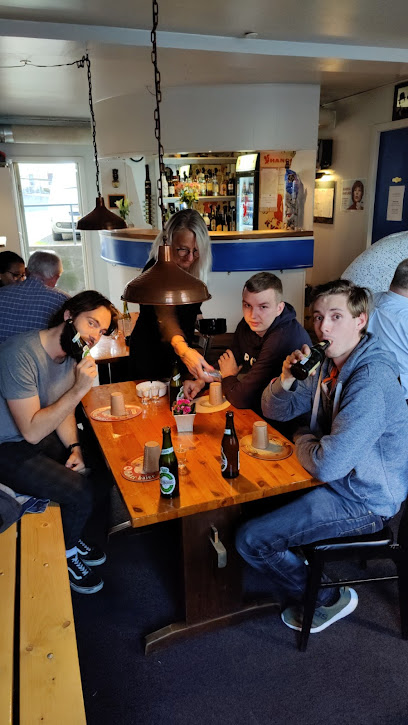
Cafe' Paradis
16.5 km
A compact, old‑school bodega in central Silkeborg, serving cold beers, local atmosphere and late‑night conversation in an unpretentious, lived‑in bar setting.
Bakkens bodega
16.5 km
Unpretentious beer hall on Århusvej where locals, cold drafts and simple pub fare create a slice of everyday Silkeborg life from late morning to late evening.
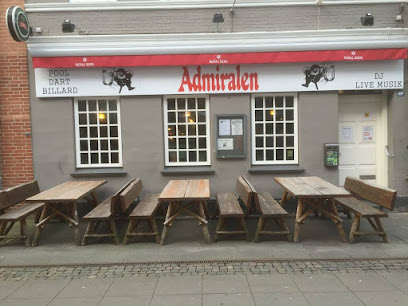
The Admiral Pub
16.8 km
Classic Danish bodega bar in central Silkeborg, serving inexpensive drinks and everyday atmosphere from quiet daytime pints to late‑night weekend sessions.
Café Kling Klang
16.8 km
Intimate, candlelit bar-café on Silkeborg’s Søndergade, blending everyday hygge, music and drinks in a laid-back neighbourhood atmosphere.
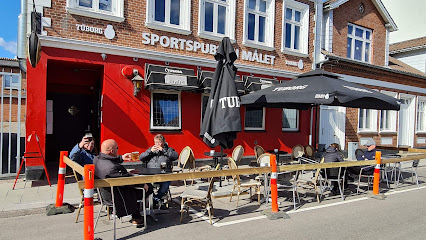
Sportspubben Målet
16.8 km
A cozy, no-frills sports pub in central Silkeborg, where big screens, cold beer and local chatter turn every match day into a shared living room.
Nightclubs & after hour spots

Team Paderborner
14.1 km
Nightclub entertainment in Denmark's scenic Dyrehaven forest and lakeside setting.
B'sharp - Silkeborg Rhythm Og Blues Association
16.8 km
Volunteer-run blues stronghold in central Silkeborg, where intimate weekend concerts, affordable drinks and close-up performances keep rhythm & roots music alive.
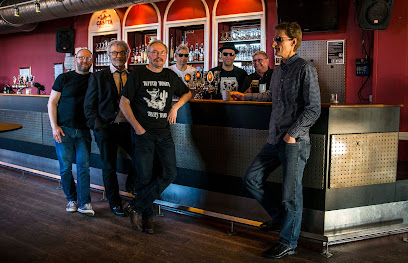
Riverboat Jazz Festival
16.9 km
Scandinavia’s celebrated Riverboat Jazz Festival: riverside concerts, boat gigs, and open-air revelry set against Silkeborg’s scenic lakes and vibrant summer spirit.
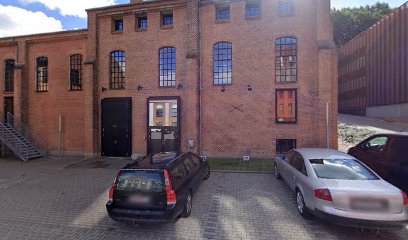
Kedelhuset
16.9 km
Kedelhuset: Silkeborg’s buzzing live music and culture venue, blending industrial heritage with creative energy in the lively riverside Papirfabrikken district.
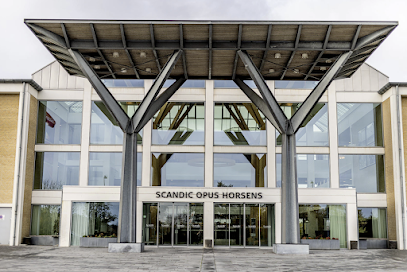
Scandic Opus Horsens
20.3 km
A contemporary Scandinavian hotel in Horsens with spa, dining, and panoramic city-to-nature views—an elegant gateway to both urban and outdoor experiences.
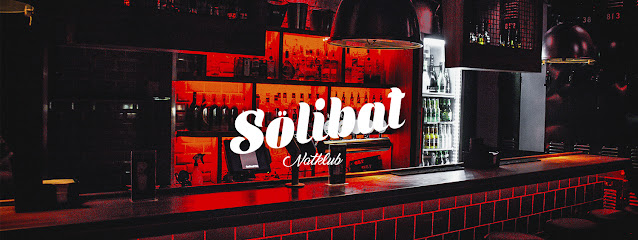
Sölibat Natklub
21.7 km
Late-night, no-frills clubbing in central Horsens, where loud music, simple drinks and a compact dance floor create an unapologetically local party vibe.
PDD
22.1 km
Compact, no-frills nightclub on Lindvigsvej in Horsens, offering late-night dancing, simple drinks and an intimate, local-party atmosphere on weekends.
Oskar hossman
22.1 km
Compact, high-energy nightclub in central Horsens, where pulsing beats, colourful lights and a sociable crowd define the city’s after-hours heartbeat.
Horsens New Style Dance Club
24.4 km
Horsens' premier line dancing venue where beginners and advanced dancers unite in movement and community.
Bastian Bar & Nightclub, Odder - Nightclub
29.2 km
Odder's central nightlife destination for weekend entertainment and social gathering
Luksusmassage Århus
32.5 km
Experience Aarhus's dynamic nightlife at Luksusmassage, where music and energy blend for an unforgettable evening.
KLUB22
33.3 km
Discover the ultimate nightlife experience at KLUB22 in Aarhus, where electrifying music and vibrant atmosphere await.
V58
34.1 km
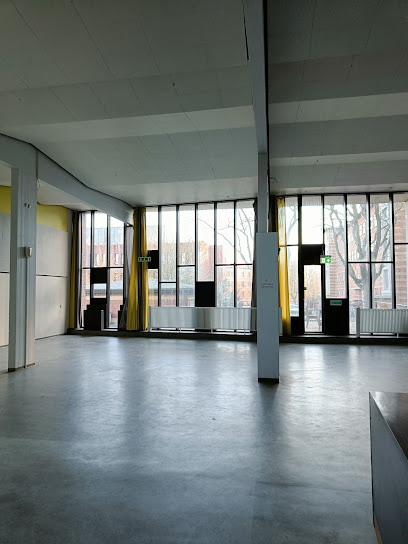
Experience the vibrant nightlife at V58 in Aarhus, where live music meets an energetic atmosphere for an unforgettable night out.
equalclub
34.1 km
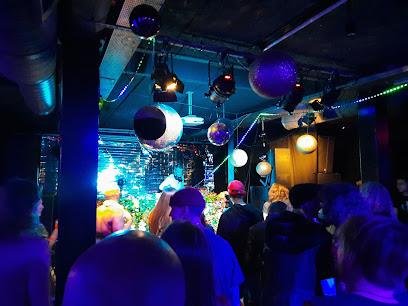
Discover the thriving nightlife of Aarhus at Equal Club, where music, dance, and unforgettable experiences come together.
Flintstone Pub
34.2 km
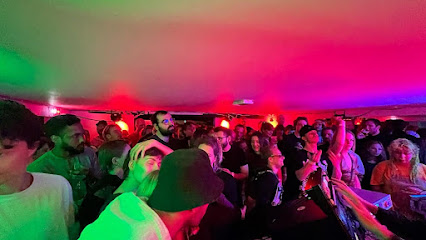
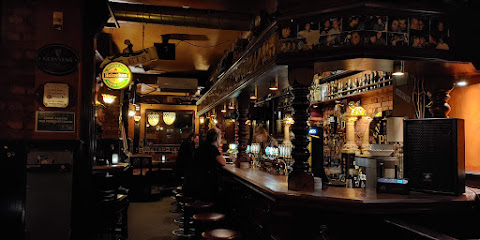
Flintstone Pub in Aarhus blends retro décor, affordable drinks, and live music, offering a lively gathering place for locals and visitors in the city’s central quarter.
For the vibe & atmosphere seeker
- Tranquil
- Scenic
- Relaxing
- Unique
- Casual
For the design and aesthetic lover
- Rustic Designs
- Vintage Styles
For the architecture buff
- Historic
- Landmarks
- Parks & Gardens
- Viewpoints
- Heritage Neighborhoods
For the view chaser and sunset hunter
- Iconic Views
- Panoramas
- Waterfront
- Sunset Spots
For the social media creator & influencer
- Photo Spots
- Selfie Spots
- Architectural Shots
- Reel-Friendly
For the eco-conscious traveler
- Low Impact
- Protected Area
- Public-Transport Accessible
- Leave-No-Trace Critical
- Locally Managed
- Wildlife Habitat
For the kind of experience you’re after
- Nature Escape
- Photowalk
- Adventure Photo Shoot
- Cultural Heritage
- Roadtrip Stop
- Day Trip
- Mindfulness
For how adventurous you want the journey to be
- Easy Access
Location Audience
- Family Friendly
- Senior Friendly
- Child Friendly
- Teen Friendly
- Solo Friendly
- Couple Friendly
- Solo Female Friendly
- LGBT Friendly


