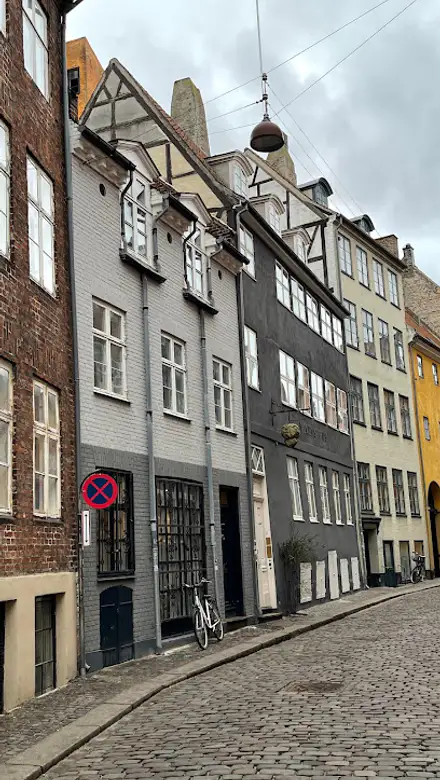
Magstræde Travel Guide
Free Guide: A gently curving cobbled lane of colorful townhouses, Magstræde distills five centuries of Copenhagen history into one remarkably atmospheric old-town street.


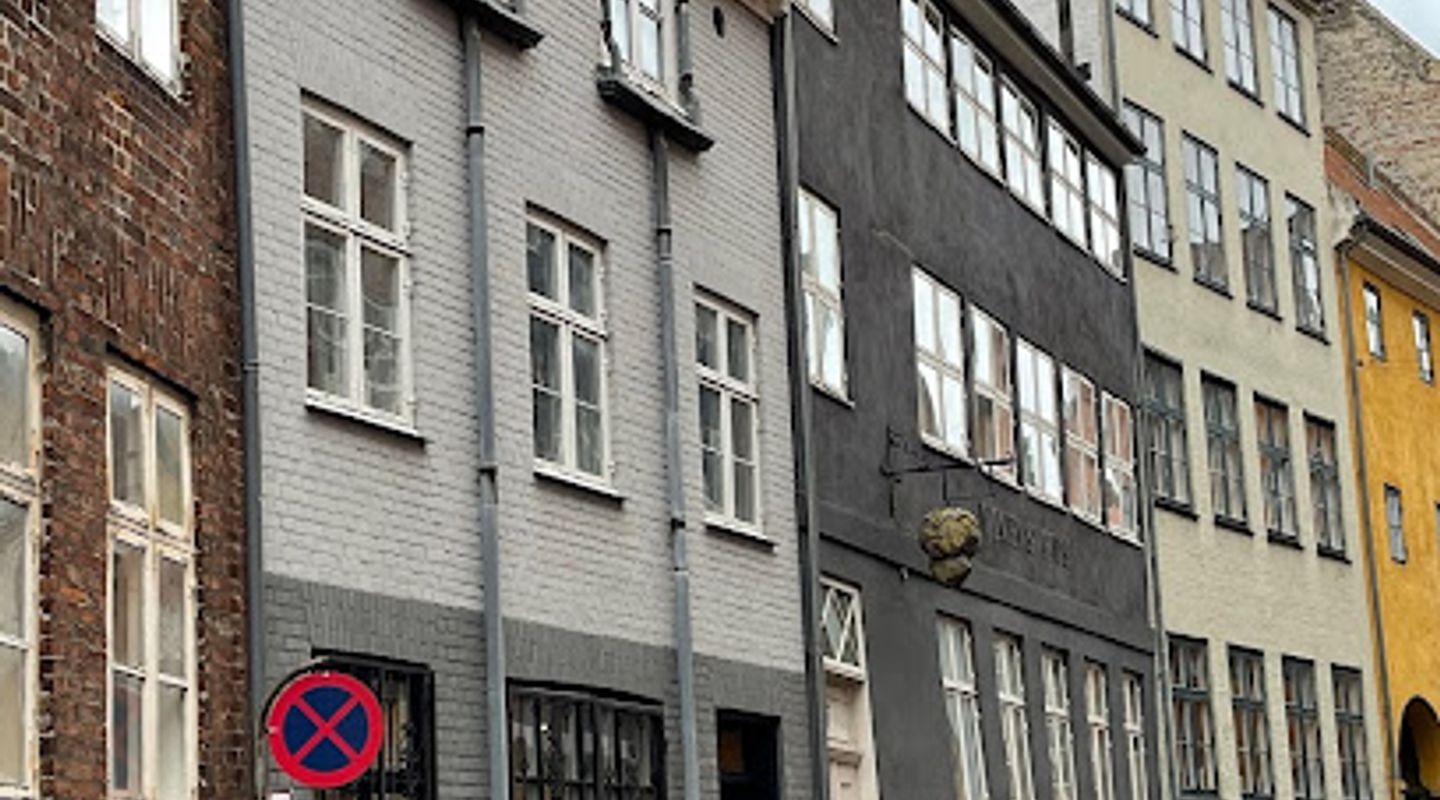
A brief summary of Magstræde
A gently curving cobbled lane of colorful townhouses, Magstræde distills five centuries of Copenhagen history into one remarkably atmospheric old-town street.
Magstræde is one of Copenhagen’s oldest streets, a short cobbled lane threading through the historic heart of Indre By. Dating back to the 16th century, it is lined with vividly painted townhouses and some of the city’s oldest surviving residential buildings, including 17–19 from the 1640s. Once close to the medieval shoreline, today it feels like a quiet time capsule: crooked facades, worn cobblestones and glimpses of spires framing a classic Danish streetscape, ideal for slow strolls and photography between major sights.
On-site amenities
 Restrooms
 Drink options
 Drinking water
 Food options
 Seating areas
 Trash bins
 Information boards
Opening hours
- Every dayOpen 24 hours
Opening hours as listed on the venue’s Google Business Profile. Hours can change for services and special events, so check with the venue before you go.
- Address
- Magstræde, 1204 København
Getting there
Metro
City Bus
Bicycle
On Foot from Rådhuspladsen Area
Discover more about Magstræde
A Small Street with a Long Copenhagen Story
Magstræde may be only a short stretch of cobblestones, but it carries five centuries of Copenhagen history in its curve. Laid out in the 1520s as the shoreline was pushed outward with new landfill, the lane once edged the city’s waterfront. Its name recalls an old word for a public latrine that stood nearby, a reminder that even the prettiest corners of the old town began as practical infrastructure in a bustling port.Over time the sea retreated behind new quays and houses, yet Magstræde remained a lived-in back street rather than a grand boulevard. Fires, rebuilding and shifting fashions reshaped much of central Copenhagen, but this lane kept its intimate scale and irregular building line, preserving a cross-section of everyday urban architecture from the 17th to the 19th centuries.
Colorful Houses and Cobblestone Character
The first thing that catches your eye is the color: warm ochres, deep reds and muted greens layered over centuries of plaster. Many of the townhouses are listed, protected for their historical value. Numbers 17 and 19, a symmetrical red pair from the 1640s, count among the oldest surviving residential buildings for ordinary townsfolk anywhere in the city. Nearby façades show later styles, from modest merchants’ homes to more refined classical fronts.Underfoot, the original cobbles give the street its distinctive rhythm and sound. The narrow width and gentle bend create changing viewpoints every few steps: a doorway framed by timber beams, a lantern bracketed to a wall, or a glimpse of a church tower beyond the roofs. Despite being in the very center of the capital, Magstræde feels enclosed and almost cinematic, as if the modern city has receded just out of frame.
From Working Waterfront to Urban Backdrop
In its earliest days, Magstræde sat hard by the harbor, and the houses on its south side rose from freshly made ground where the coastline had been shifted. This move freed space for new warehouses, workshops and cramped dwellings that served a growing trading city. Some properties here were associated with craftsmen and small industries, including breweries and storage buildings that supplied nearby markets.The street weathered the great fires that devastated other quarters and survived the later refashioning of Copenhagen into a more ordered, neoclassical city. Rather than being swept away, its older structures were adapted, heightened or refronted. That patchwork history is still legible today in mismatched rooflines, differing window proportions and traces of bricked-up openings along the walls.
Everyday Life Between Historic Neighbours
Despite its age, Magstræde is not treated as an open-air museum. People live and work along the lane, and there is a quiet domestic rhythm behind the postcard looks. The surrounding blocks are dotted with cafés, small restaurants, culture houses and galleries, so you might hear the clink of glasses from a side street or music drifting out from a nearby venue as you walk.Because it sits between key institutions and canals, Magstræde often forms part of wider walks through the old town. You may find office workers taking a shortcut, students cutting between lectures, or cyclists rolling along the parallel streets. Step a little to the side, however, and it is easy to pause in a doorway or alcove and simply absorb the textures of brick, timber and stone.
Framing the Perfect Old-Town Moment
Magstræde’s gentle curve, mixed roof heights and colorful façades have made it one of the city’s classic photographic motifs. Early in the day, the eastern light slants down the lane, catching window frames and cobbles, while in the late afternoon the hues turn softer and more golden. The lack of heavy traffic means you can often line up a shot without modern clutter dominating the frame.For visitors, the appeal lies in how concentrated the experience is. In just a few minutes you can trace centuries of architectural evolution, sense the former waterfront, and imagine the lives that have unfolded behind these doors. Whether you linger for half an hour with a camera or simply detour on your way between major landmarks, Magstræde offers a compact, atmospheric distillation of historic Copenhagen.
Evendo Review Centre
 Google
Guest reviews
Best time to go
Quietest: Jan, Feb & Mar · before 6am
Busy times are Evendo estimates for a typical year, to help you plan. Actual crowds vary with events, school holidays and the weather.
Explore Magstræde on the map
A handpicked selection of must-see spots near Magstræde, mapped for you.
Get your free copy of our complete guide to Magstræde, delivered straight to you.
Everything on this page, from opening hours and how to get there to Eve’s tips and the best time to go, in one PDF you can read offline, print or share.
Already have an account? Sign in
Your Magstræde guide is ready.
We'll send it to · Not you? Sign out

Getting your guide ready…
We are putting together a fresh copy of the Magstræde guide. This can take up to a minute.
This can take a few moments. If your browser asks, choose Allow so the download can start. You'll find the guide in your Downloads folder.
Nothing happened? Download it again
Sorry, the guide is taking longer than usual. Please try again in a minute, or get it by email instead.
Other nearby places you may find interesting
The closest places of the same kind, if this one is not quite what you had in mind.
-
-
-
-
-


Swipe for more places
More to explore near Magstræde

 Best experiences near Magstræde
 Best hotels near Magstræde
 Best landmarks near Magstræde
 Best attractions near Magstræde
 Best shops near Magstræde
 Best restaurants near Magstræde
 Best bars near Magstræde
Do you manage this location?
Take control to get all the benefits, like improved information, better appearance, and stronger visibility across AI-powered discovery.
Explore more
Explore more of Copenhagen Region
Discover the Copenhagen Region: A perfect mix of historic charm and modern vibrancy, offering scenic beauty, cultural landmarks, and a high quality of life.
Explore Copenhagen Region
Explore more of Denmark
Discover Denmark: A perfect blend of history, modern design, and the cozy concept of hygge. Explore vibrant cities, serene landscapes, and world-class cuisine.
Explore Denmark