

Vandkunsten Springvand, Copenhagen Region Travel Guide
A compact 1910 fountain in a cobbled Old Town square, Vandkunsten Springvand quietly tells Copenhagen’s long story of water, work and everyday city life.
Tucked into the small cobbled square of Vandkunsten in Copenhagen’s Old Town, Vandkunsten Springvand is a compact 1910 fountain with a long backstory. Its granite column, fish-scale patterns and four bronze fish heads recall the square’s centuries as a watermill site and later a bustling fish market. Today this modest yet characterful fountain anchors a quiet historic pocket surrounded by listed townhouses and red-brick facades.
A brief summary to Vandkunsten Springvand
- Vandkunsten 8, Copenhagen, Indre By, 1467, DK
- Duration: 0.5 to 1 hours
- Free
-
 Outdoor
- Mobile reception: 5 out of 5

Know before you go
Hi, I'm Eve. Here are a few practical things to know before exploring Vandkunsten Springvand.
- Take a few minutes to inspect the granite column up close: the carved fish scales and four bronze fish heads directly reference the square’s former life as a fish market.
- Combine a stop at the fountain with a short stroll around the surrounding streets to spot older facades and one of Copenhagen’s oldest embedded street signs.
- Visit during early morning or late afternoon on weekdays for a quieter atmosphere and softer light on the polished red-granite top of the fountain.
Do you manage this location?
Take control to get all the benefits, like improved information, better appearance, and stronger visibility across AI-powered discovery. Learn more about listing your business on Evendo
Activate your presenceOther nearby places you may find interesting
The closest places of the same kind, if this one is not quite what you had in mind.
Explore Vandkunsten Springvand on the Map
A handpicked selection of must-see spots near Vandkunsten Springvand, mapped for you.
Unlock the Best of Vandkunsten Springvand
Buy tickets
-
No tickets available
Book tours with entry
-
No tours available
Book tours without entry

Getting There
-
Public transport from Copenhagen Central Station
From Copenhagen Central Station, take the S-train one stop to Nørreport or ride the M3 Cityring metro to Rådhuspladsen; both journeys take about 3–5 minutes and cost roughly 20–30 DKK for a single zone ticket. From either stop, allow 10–15 minutes on foot along generally flat, paved streets through the Old Town. Services run frequently throughout the day, and all stations and trains provide step-free access.
-
City bus within central Copenhagen
Several city bus lines run across central Copenhagen and stop within a 5–10 minute walk of Vandkunsten Springvand, with typical travel times of 10–20 minutes from most inner districts. A standard bus ticket costs around 20–30 DKK depending on zones and can be purchased via ticket machines or mobile apps. Buses are low-floor with ramps, but the final approach to the fountain is along narrow, cobbled streets that may feel uneven for wheelchairs or strollers.
-
Bicycle access in the city center
Copenhagen’s extensive cycle lanes make it easy to reach the Old Town by bicycle in 5–20 minutes from most central neighbourhoods. Bike-share services and rentals typically cost from 20–40 DKK for a short ride or around 100–150 DKK for a full day. Expect to dismount and walk the last stretch on the cobbled square, where space is shared with pedestrians and bicycle parking is limited.
-
Walking from nearby Old Town areas
If you are already exploring central Copenhagen, Vandkunsten Springvand lies within a comfortable 10–20 minute walk from many Old Town sights. The route leads through mixed pedestrian and traffic-calmed streets with some cobblestones and occasional gentle gradients. This is a pleasant option in mild weather but may be less comfortable in heavy rain or icy conditions.
For the on-the-go comforts that matter to you
-
 Seating Areas
-
 Trash Bins
-
 Information Boards
-
 Drink Options
-
 Food Options
Discover more about Vandkunsten Springvand
A modest fountain in a storied Old Town square
Vandkunsten Springvand sits at the heart of one of Copenhagen’s smaller historic squares, a short, cobbled pause in the dense fabric of the Old Town. The space takes its name from the Danish word for “water feature,” but the story reaches much further back than the fountain you see today.Around you, narrow lanes open onto a compact plaza framed by brick and plaster townhouses, some from the 18th century, that survived the great city fires of 1728 and 1795. The scale here is intimate: low eaves, gabled roofs and a human-sized square that feels almost like a shared courtyard in the middle of the city.From medieval water mill to royal supply line
The name Vandkunsten goes back to a watermill established here in the late Middle Ages, when this area held a mill pond feeding Copenhagen Castle on nearby Slotsholmen. Water was pumped to the royal residence through hollowed wooden pipes, a sophisticated piece of urban infrastructure for its time.Over the centuries the mill and pond disappeared, leaving a patch of land that was later ordered paved and put into use as a market square. For years it served as a fish market, with stalls and barrels crowding the cobbles where you now stand. The current fountain draws directly on this watery, workaday past.An early 20th‑century fountain with a quiet symbolism
The present Vandkunsten Springvand was commissioned in the early 1900s and inaugurated in 1910 as part of a broader effort to embellish Copenhagen with public art and civic monuments. Designed by architect Johannes Magdahl Nielsen, it is deliberately restrained in scale yet rich in detail.At its centre rises a granite stele, its lower cylindrical section clad in stylised fish-scale carving. From four bronze fish heads set into the stone, jets of water leap into the shallow basin, a playful nod to the square’s days as a fish market. Above, a polished red-granite hemisphere tops the column, catching shifts of light on bright days and reflecting the surrounding facades.Architecture and details surrounding the basin
Look beyond the water to the buildings that enclose the square. Several are listed for preservation, including former breweries at numbers 8 and 10, later converted into residences. Their classical pilasters and period windows speak to the prosperity of 18th- and 19th-century Copenhagen.At one end of the square, a larger historicist building nicknamed “Kronborg” echoes the lines of the famous castle in Helsingør with stepped gables and ornamented brickwork. On the corner facing Frederiksholms Kanal, the red-brick building from 1910 carries one of the city’s oldest street-name signs, spelling the square’s name in an archaic form embedded directly into the facade.Everyday rhythms in a small urban retreat
Despite its central location, Vandkunsten feels tucked away from the busiest streets. The fountain provides a soft soundtrack of splashing water that mingles with bicycle bells and snippets of conversation from nearby cafés and offices. Benches and low steps invite short pauses: a quick coffee, a quiet read, or a moment to study the sculpted fish and worn cobbles.The square’s modest size and layered history make it less about spectacle and more about atmosphere. It offers a glimpse of Copenhagen on a smaller scale, where infrastructure became market, and market became memory, distilled into a single compact fountain in the middle of the Old Town.












Your all‑in‑one travel companion app
Explore expert travel guides, compare and book tours, experiences, hotels, and more—all from the palm of your hand. Download now for seamless trip planning wherever your wanderlust takes you.


Explore More of Copenhagen Region
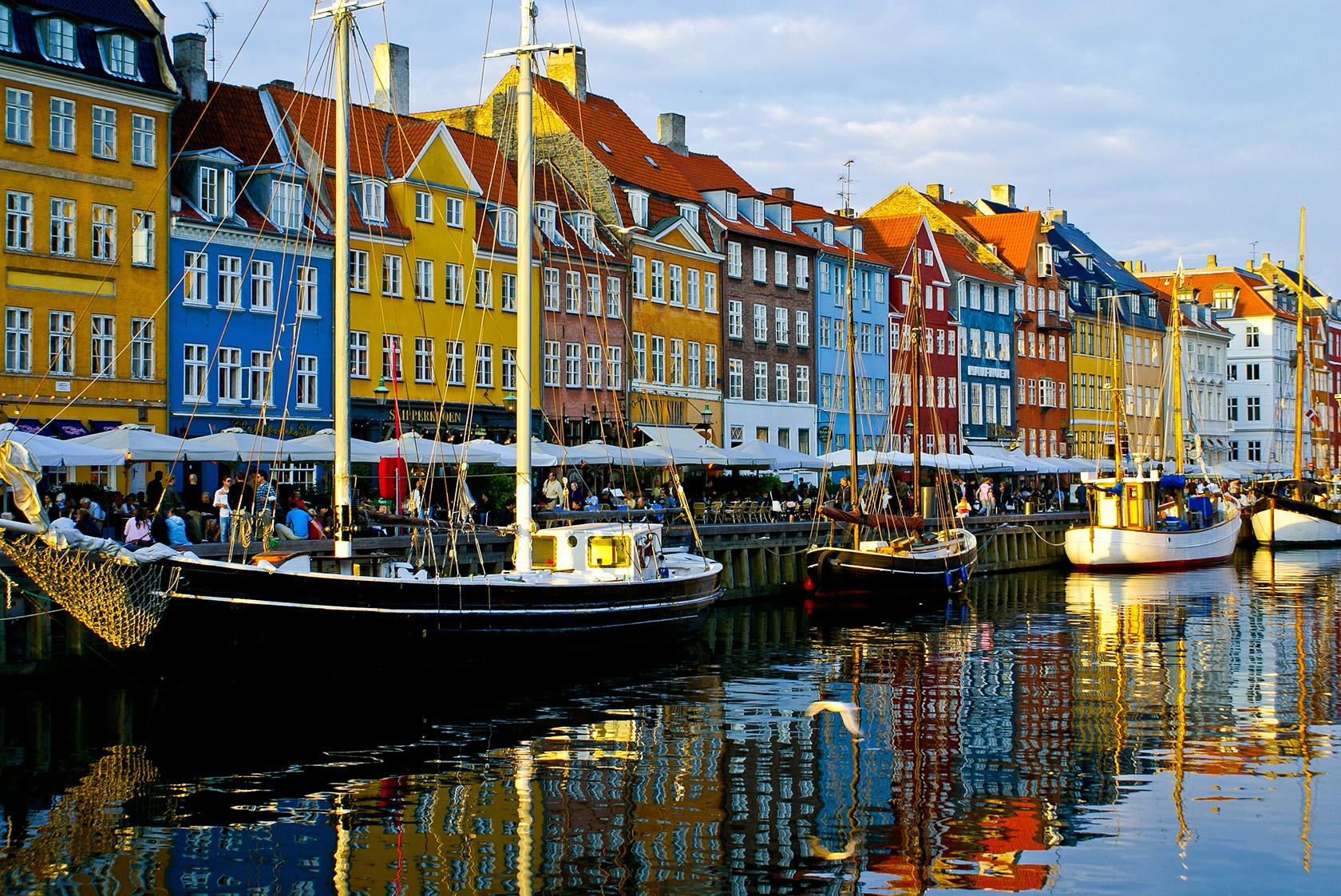
Looking beyond Vandkunsten Springvand? Discover Copenhagen Region for broader travel guides, local hot-spots, and regional highlights.
Explore Copenhagen Region
Discover masterpieces from the Danish Golden Age and European classics to contemporary art in Denmark’s largest art museum, set by Copenhagen’s serene city park.
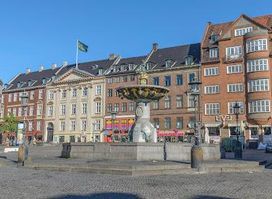
Cobbled, compact and quietly dramatic, Nytorv blends royal-era markets, grim judicial history and Neoclassical authority at the pedestrian heart of old Copenhagen.
