Frederiksberg Allé, Copenhagen Travel Guide
Copenhagen’s historic royal boulevard, where linden trees, theatres and elegant facades lead you from city buzz to the green embrace of Frederiksberg Gardens.
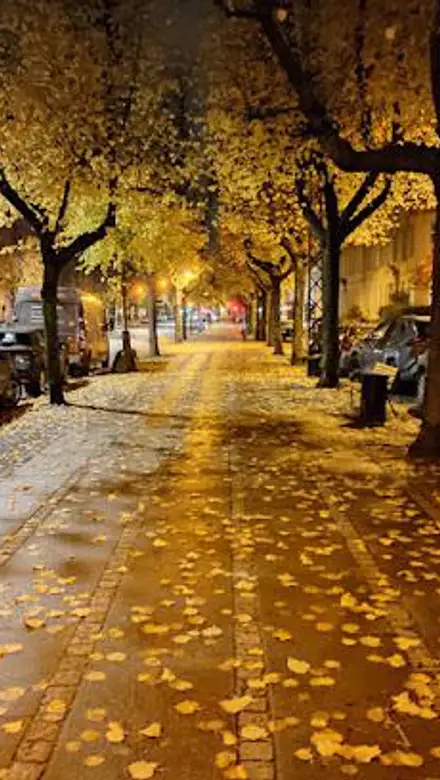
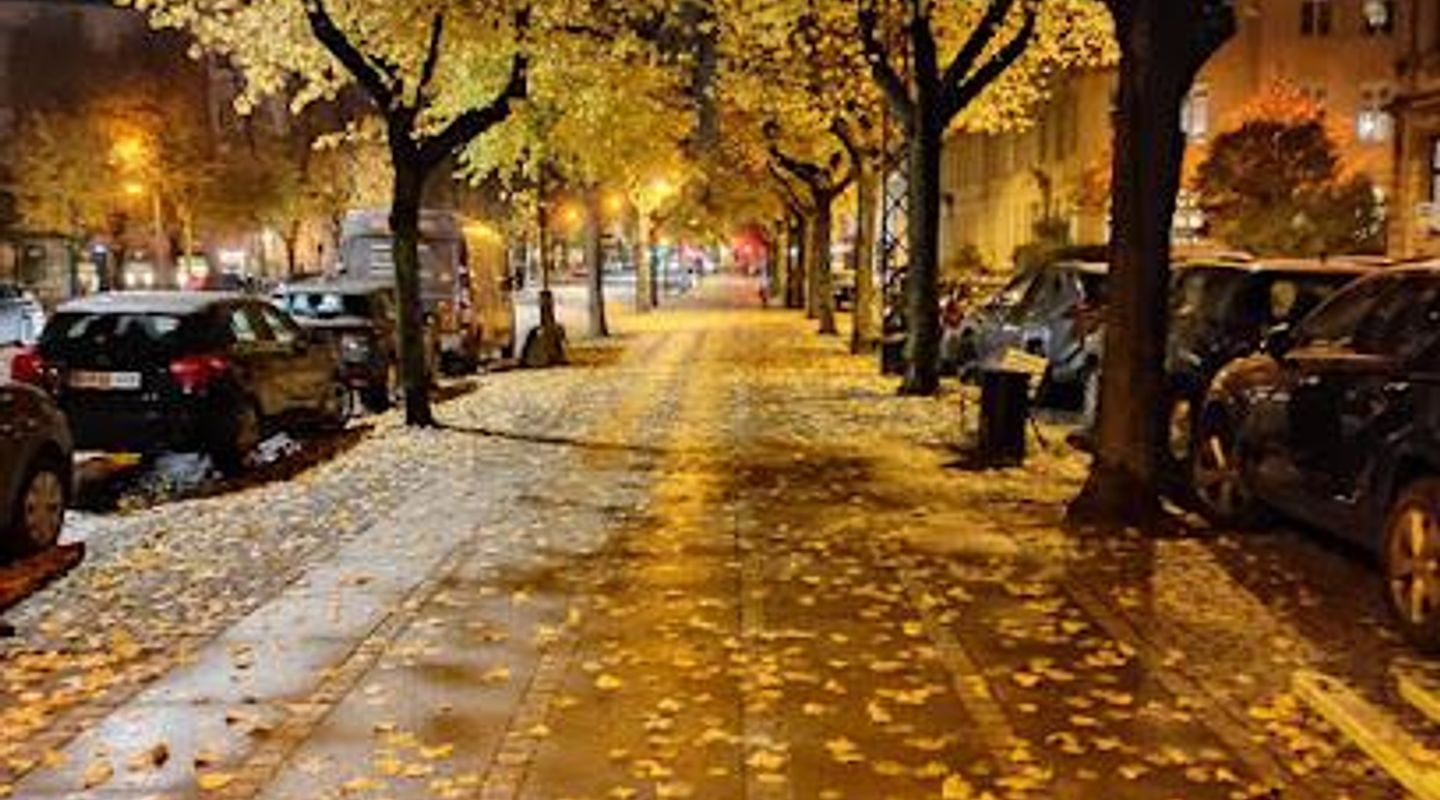
Frederiksberg Allé is Copenhagen’s classic tree-lined boulevard, a 1.1 km avenue stretching from lively Vesterbrogade to the gateway of Frederiksberg Gardens. Once a royal road to Frederiksberg Palace, it is now a graceful mix of linden-shaded promenades, elegant 19th‑century facades, theatres, cafés and boutiques. This is where everyday city life and old royal grandeur meet, ideal for a leisurely stroll, people‑watching, and linking central Copenhagen with verdant Frederiksberg.
A brief summary to Frederiksberg Allé
- Frederiksberg Municipality, Frederiksberg C, DK
- Duration: 0.5 to 2 hours
- Free
-
 Outdoor
- Mobile reception: 5 out of 5

Know before you go
Hi, I'm Eve. Here are a few practical things to know before exploring Frederiksberg Allé.
- Walk the full length from Vesterbrogade to Frederiksberg Gardens to appreciate the gradual shift from busy city streets to leafy parkland.
- Time your visit for late afternoon or golden hour when the light catches the facades and the tree canopy for especially photogenic views.
- Combine a stroll on Frederiksberg Allé with a performance at one of the avenue’s theatres for a classic local evening out.
- Plan a coffee or pastry stop at a café along the boulevard to sit outside and watch everyday Frederiksberg life pass by.
- In spring and early summer, look up to enjoy the fresh linden leaves and listen for birdsong softening the sounds of traffic.
Do you manage this location?
Take control to get all the benefits, like improved information, better appearance, and stronger visibility across AI-powered discovery. Learn more about listing your business on Evendo
Activate your presenceOther nearby places you may find interesting
The closest places of the same kind, if this one is not quite what you had in mind.

Explore Frederiksberg Allé on the Map
A handpicked selection of must-see spots near Frederiksberg Allé, mapped for you.
Unlock the Best of Frederiksberg Allé
Buy tickets
-
No tickets available
Book tours with entry
-
No tours available
Book tours without entry

Getting There
-
Metro from central Copenhagen
From central Copenhagen, take metro line M3 on the City Circle line to Frederiksberg Allé Station, which sits directly beneath the boulevard. The ride from major hubs such as Kongens Nytorv typically takes around 8–12 minutes, with trains running every few minutes throughout the day. A single zone 1–2 ticket usually costs about 20–30 DKK and is valid across metro, buses and trains within the city’s core areas.
-
Bus within Frederiksberg and Vesterbro
Several city bus routes serve stops along or very close to Frederiksberg Allé, linking it with neighbouring districts like Vesterbro, Nørrebro and the wider Frederiksberg area. Typical journey times within the inner city range from 10–25 minutes depending on traffic. Standard bus fares match metro prices at roughly 20–30 DKK for a short inner‑city trip, and services usually run at least every 10–20 minutes during the day.
-
Cycling from inner Copenhagen
Cycling is one of the most convenient ways to reach Frederiksberg Allé from central Copenhagen, with dedicated bike lanes on most major approaches. From areas around City Hall Square or the inner harbour, expect a relaxed ride of about 10–20 minutes on mostly flat terrain. You can use your own bike or rent a city bike from various stations, with typical short‑term rental costs starting from around 20–40 DKK for 30–60 minutes of use.
-
On foot from nearby districts
If you are already in Vesterbro or central Frederiksberg, walking to Frederiksberg Allé is straightforward and allows you to discover side streets along the way. From lively Vesterbrogade near City Hall Square, the approach generally takes 20–30 minutes at a moderate pace on flat, paved sidewalks. The route is suitable for most fitness levels, though crossing a few busy intersections is required and can add a little time at peak hours.
For the on-the-go comforts that matter to you
-
 Restrooms
-
 Drink Options
-
 Drinking Water
-
 Food Options
-
 Seating Areas
-
 Sheltered Areas
-
 Trash Bins
-
 Information Boards
Discover more about Frederiksberg Allé
From Royal Route to Urban Boulevard
Frederiksberg Allé was laid out in the early 18th century as a ceremonial avenue leading from Copenhagen’s western edge to Frederiksberg Palace, the summer residence of the king. For more than a century it functioned as a private royal road, a carefully composed axis flanked by orderly rows of linden trees and aligned vistas toward the palace hill.Over time, as the city expanded beyond its old ramparts, the avenue shifted from exclusive route de roi to one of the main spines of the growing Frederiksberg district. When it finally opened to the public in the 19th century, it quickly became synonymous with sophistication, promenading and the fashionable leisure of an affluent suburb.Architecture, Linden Trees and Sense of Space
Today the boulevard is defined by its generous width, broad pavements and double rows of mature linden trees that form a leafy canopy for much of the year. In spring and summer the foliage softens the traffic and creates a green tunnel that feels almost park-like; in winter, the bare branches trace delicate patterns against the low northern light.On either side rise handsome late 19th- and early 20th‑century apartment houses, interspersed with freestanding villas and corner properties with ornate stucco, bay windows and classical details. The long perspective of facades and trees gives Frederiksberg Allé a distinctly European grandeur, often compared to Parisian boulevards, yet on an intimate, liveable Danish scale.Theatre Lights and Cultural Landmarks
Culture is woven into the avenue’s identity. The boulevard developed into an entertainment axis from the mid‑18th century, and traces of that legacy remain in its theatres. Venues such as the Betty Nansen Theatre and Aveny-T keep the performance tradition alive, their entrances opening directly onto the sidewalk where theatre‑goers spill out under the trees before and after shows.These cultural anchors sit alongside smaller creative businesses, galleries and local institutions, giving the street an everyday rhythm that balances residential calm with artistic energy. Evening light from theatre marquees and restaurant windows adds a warm glow that contrasts beautifully with the cool lines of the surrounding buildings.Cafés, Boutiques and Everyday Frederiksberg Life
Frederiksberg Allé is as much a living neighbourhood street as a historic sight. Ground floors host a curated mix of cafés, wine bars, bakeries and independent shops, especially toward the Vesterbrogade end and around Sankt Thomas Plads, the small circular square that the avenue bisects.Here you see families pushing prams, friends lingering over coffee at pavement tables, and office workers cutting through on bicycles. The ambience is relaxed rather than hectic, with just enough bustle to feel urban but with a notable sense of space and greenery. Side streets lead into quieter residential pockets and further culinary options, extending the experience beyond the main thoroughfare.Gateway to Gardens and Green Retreats
At its northwestern end, Frederiksberg Allé opens onto Frederiksberg Runddel, the formal forecourt that serves as the main entrance to Frederiksberg Gardens. This creates a powerful sequence: from built‑up boulevard under the trees directly into one of Copenhagen’s most romantic landscape parks, with lawns, canals and distant views of the palace.Because of this connection, many visitors experience the avenue as a soft transition between the dense inner city and the more tranquil, leafy world of Frederiksberg. Even if you are simply crossing from one district to another, the walk along the Allé feels like a small journey in its own right, with changing light, street life and greenery unfolding along the way.












Your all‑in‑one travel companion app
Explore expert travel guides, compare and book tours, experiences, hotels, and more—all from the palm of your hand. Download now for seamless trip planning wherever your wanderlust takes you.


Explore More of Copenhagen
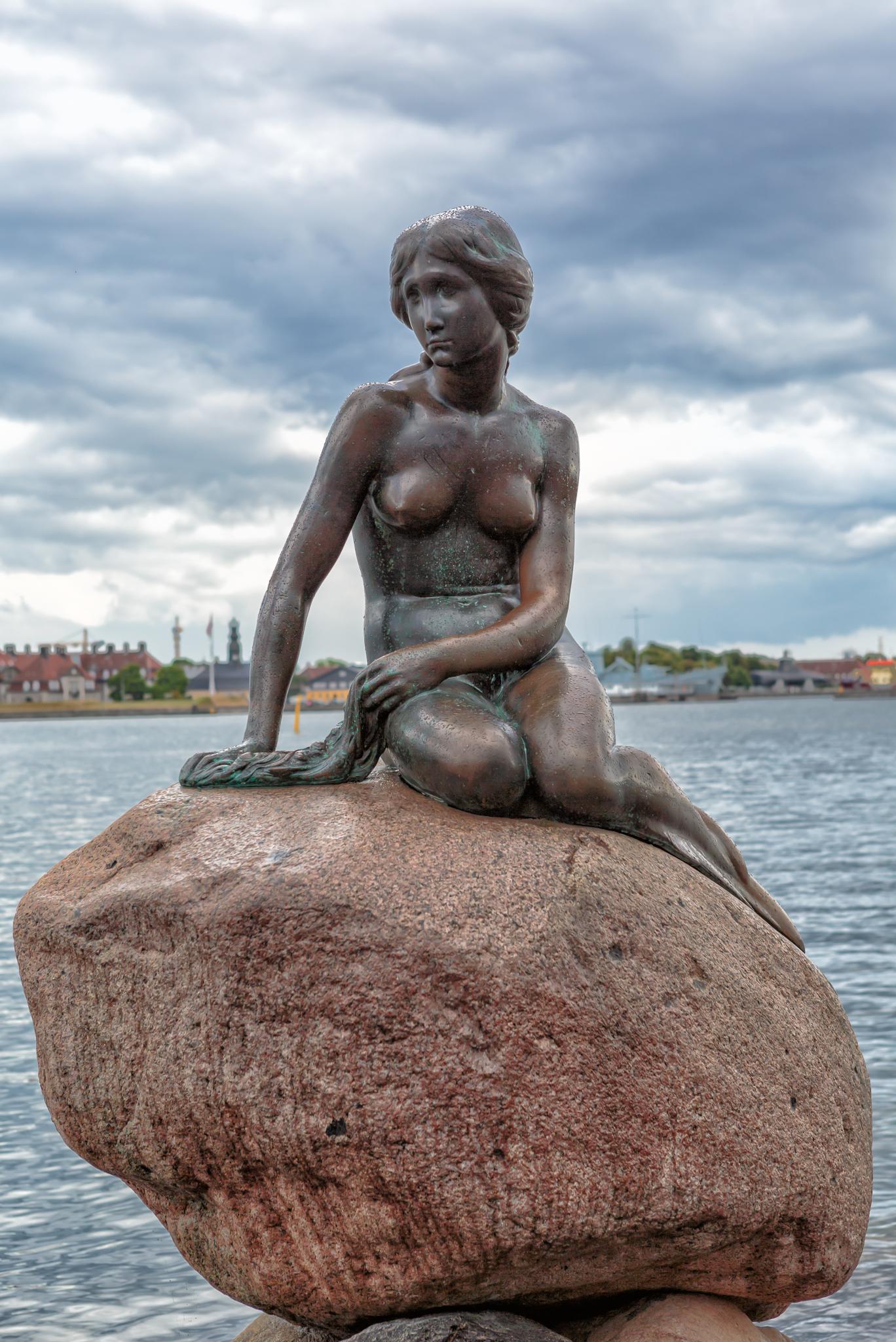
Looking beyond Frederiksberg Allé? Discover Copenhagen for broader travel guides, local hot-spots, and regional highlights.
Explore Copenhagen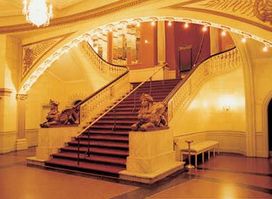
A lavish 1908 Belle Époque playhouse turned musical powerhouse, Det Ny Teater blends historic grandeur, modern stagecraft and an atmospheric city passage in central Copenhagen.
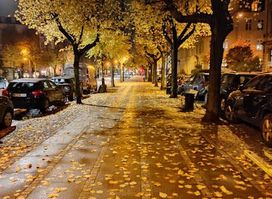
Copenhagen’s historic royal boulevard, where linden trees, theatres and elegant façades lead from city bustle to the green calm of Frederiksberg Gardens.