Kongeskibet Dannebrog, Copenhagen Travel Guide
A stately white royal yacht moored in Copenhagen’s harbour, Kongeskibet Dannebrog blends naval tradition, royal ceremony and maritime elegance in one iconic vessel.
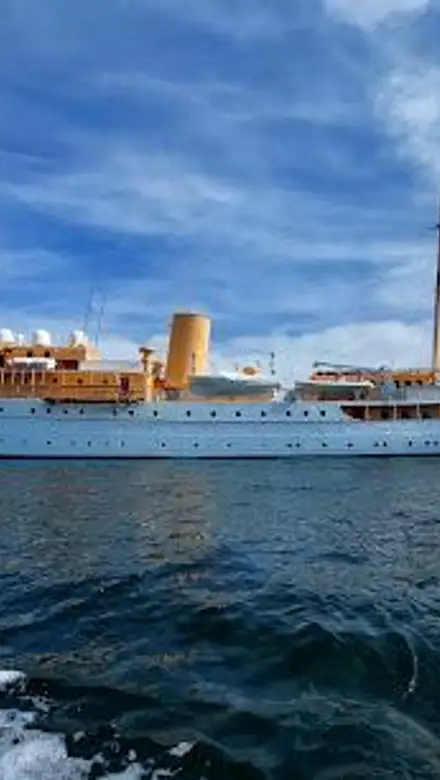
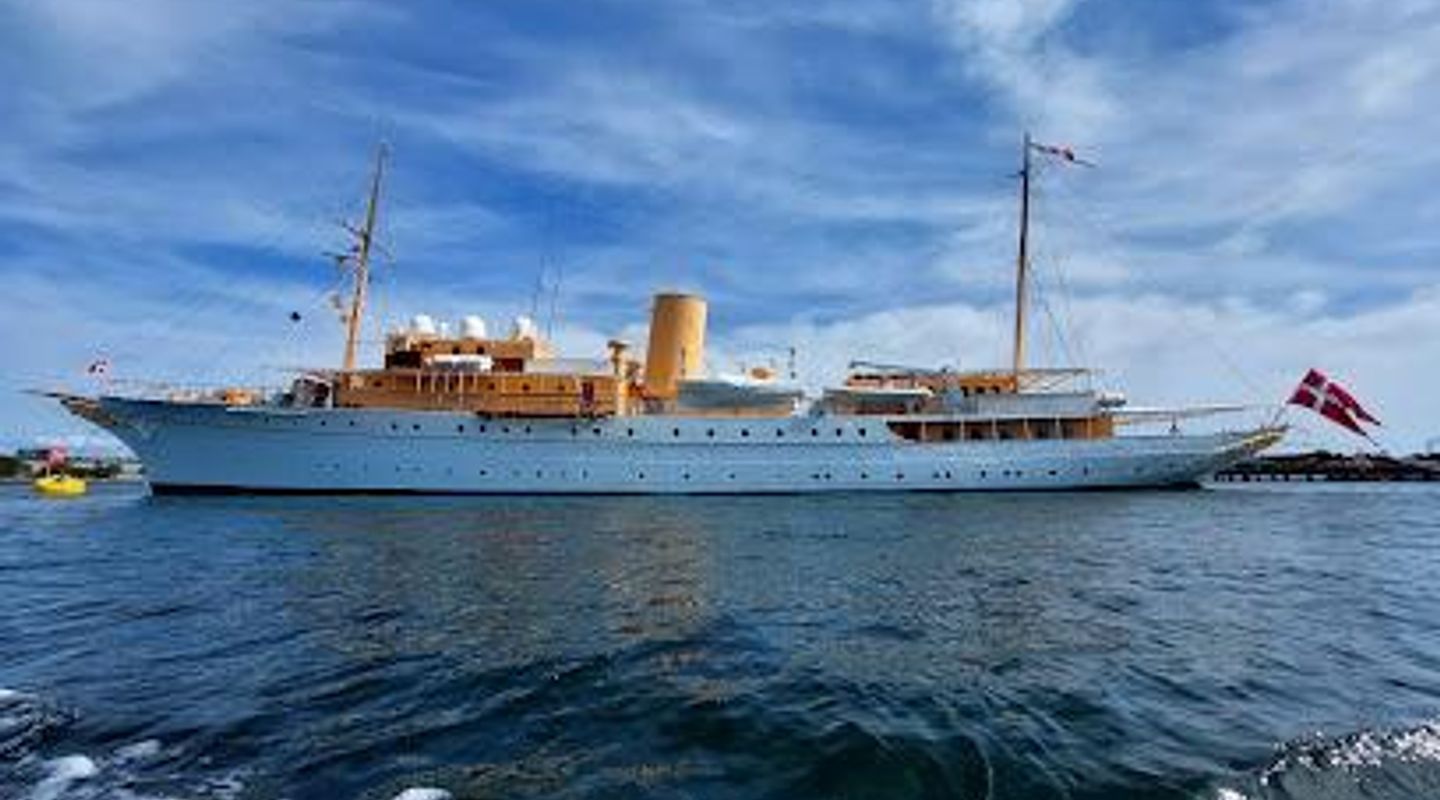
Moored along Copenhagen’s inner harbour, Kongeskibet Dannebrog is Denmark’s elegant royal yacht, a living symbol of the monarchy and maritime heritage. Launched in 1931–32, this slender white vessel with its clipper bow and tall masts serves as the official and private residence of the Danish royal family during summer cruises and state visits. You usually admire it from the quayside, watching ceremonial arrivals, salutes and carefully choreographed life on deck that blend naval precision with royal pageantry.
A brief summary to Kongeskibet Dannebrog
- Copenhagen, Indre By, 1259, DK
- Click to display
- Click to display
- Duration: 0.5 to 1.5 hours
- Free
-
 Outdoor
- Mobile reception: 5 out of 5

Know before you go
Hi, I'm Eve. Here are a few practical things to know before exploring Kongeskibet Dannebrog.
- Check the royal household’s official announcements to see if a departure or arrival is scheduled; these days offer salutes, flags and particularly atmospheric photos.
- Bring a zoom lens or binoculars if you enjoy details; from the quay you can pick out brass fittings, rigging and life on deck without getting in the crew’s way.
- Aim for early morning or late afternoon light for the best harbour views, when the white hull and masts reflect warmly in the calmer water.
- Combine a stop at the yacht with a stroll along the harbour to nearby royal and historic sites to appreciate the broader royal–naval landscape.
Do you manage this location?
Take control to get all the benefits, like improved information, better appearance, and stronger visibility across AI-powered discovery. Learn more about listing your business on Evendo
Activate your presenceOther nearby places you may find interesting
The closest places of the same kind, if this one is not quite what you had in mind.

Explore Kongeskibet Dannebrog on the Map
A handpicked selection of must-see spots near Kongeskibet Dannebrog, mapped for you.
Unlock the Best of Kongeskibet Dannebrog
Buy tickets
-
No tickets available
Book tours with entry

Book tours without entry

Getting There
-
Metro and short walk
From central Copenhagen, take the M3 or M4 metro line to Marmorkirken or Kongens Nytorv; trains run every few minutes and a single journey on a standard ticket costs roughly 20–25 DKK. From either station it is around a 15–25 minute walk along mostly flat, paved streets to the harbour area where the royal yacht is usually moored. This option is suitable for most visitors but may feel long for those with limited mobility, especially in wet or windy weather.
-
Harbour bus
Use the city’s harbour bus service, which operates like a waterborne bus along the inner harbour. A standard public transport ticket of about 20–25 DKK covers the ride, and boats typically run every 15–30 minutes during the day. Disembark at a central harbour stop near the royal district and walk 10–15 minutes along the quayside to view the yacht. Services can be reduced in the late evening or during severe weather, so check operating times in advance.
-
City bike
Copenhagen’s public bike‑share and rental shops offer a convenient way to reach the harbour. Expect to pay in the region of 50–150 DKK for a few hours’ use, depending on provider and bike type. The ride from central neighbourhoods to the royal waterfront typically takes 10–20 minutes on segregated cycle lanes with very gentle gradients. Be cautious near the quay edges and during busy events around royal departures, when pedestrian traffic increases.
-
Taxi or rideshare
A taxi from the central station area to the royal harbour typically takes 10–20 minutes, depending on traffic, and costs in the range of 120–200 DKK. Vehicles can usually drop passengers a short walk from the waterfront, though access may be restricted during major ceremonies or security operations involving the royal yacht. This is the most comfortable option for travellers with limited mobility or those visiting in bad weather.
For the on-the-go comforts that matter to you
-
 Restrooms
-
 Drink Options
-
 Drinking Water
-
 Food Options
-
 Seating Areas
-
 Trash Bins
-
 Information Boards
-
 Visitor Center
-
 Sheltered Areas
Discover more about Kongeskibet Dannebrog
A floating emblem of Danish royalty
Kongeskibet Dannebrog is more than a ship: it is a national symbol anchored in Copenhagen’s harbour. Built at the Naval Dockyard in 1931–32 as a replacement for an earlier paddle steamer of the same name, it was launched by Queen Alexandrine and entered service in 1932. Since then it has carried generations of Danish monarchs on summer cruises through home waters and on official visits abroad, bringing a touch of pageantry to ports across Denmark, Greenland, the Faroe Islands and beyond.When the royal standard flies from the stern, the yacht becomes a travelling residence for the royal family. It is at once a working naval vessel and a carefully guarded private home, which makes glimpsing it alongside the quay feel like seeing a slice of normally hidden royal life. The subtle creak of lines, the scent of the sea and the distinctive silhouette instantly signal that something ceremonial is underway.Graceful lines and naval craftsmanship
From the quayside you can appreciate Dannebrog’s elegant proportions. The hull, built of riveted steel on transverse frames, has a classic clipper bow and elliptical stern that recall the golden age of yacht design. At around 78 metres long, the ship seems slim and streamlined, with cream‑coloured upperworks, polished brass details and tall masts that catch the light on a clear Copenhagen day.Forward of the single funnel lie the crew quarters, cargo spaces and engine room; aft is the royal section, visually hinted at by varnished woodwork, more expansive windows and the covered quarterdeck. That covered aft deck doubles as a reception space in port, where dignitaries are welcomed beneath the Danish flag. Even without stepping aboard you can trace the division between hardworking naval machinery and refined royal comfort.Life and tradition on board
Dannebrog functions as an independent naval command with its own officers and complement of sailors and conscripts. Each year a new group of selected conscripts train extensively before joining the ship, taking on tasks from lookout duty and watchkeeping to the relentless polishing of brass and maintenance of brightwork. The rhythm of drills, signals and ceremonial routines is part of the attraction when the yacht lies in Copenhagen: you may see uniformed crew lining the rail or preparing for arrivals and departures.The royal apartments aft include studies, a dining saloon, lounges and bedrooms, furnished in a traditional style and incorporating pieces from the previous 19th‑century royal yacht. In its original design, the aft section could be converted into a hospital area in times of war, underscoring how closely royal representation and naval service were once intertwined. Today the ship occasionally assists with surveillance and sea‑rescue duties during voyages.Harbour setting and visitor experience
As a visitor you typically encounter Kongeskibet Dannebrog moored along the central harbour, often near other historic naval sites and royal residences. There is no regular public access on board, so the experience is about observing from shore: watching the reflections of the white hull in the harbour water, listening for the crack of salutes echoing off nearby facades and feeling the subtle buzz that builds when a departure or arrival is imminent.Photographers are drawn to the interplay of the yacht with Copenhagen’s waterfront architecture and changing northern light. Early morning and late afternoon often provide the most atmospheric views, with long shadows on the quays and a golden glow on rigging and flag. Even on a quiet day with no ceremony scheduled, the ship lends the harbour a sense of occasion.Ceremony, salutes and modern role
When the royal family boards in Copenhagen to begin a summer cruise, the city’s maritime heritage comes vividly to life. Cannon salutes thunder from shore batteries, flags flutter along the waterfront and the yacht eases out into the Øresund under a forest of raised cameras. These departures and later homecomings connect contemporary Denmark with longstanding royal rituals, turning the harbour into a temporary open‑air stage.Despite its age, Dannebrog remains fully active, maintained through careful overhauls to preserve both structural integrity and historical character. It continues to represent Denmark abroad, docking at foreign ports during state visits and cultural occasions. For travellers exploring the city, catching sight of Kongeskibet Dannebrog is a reminder that Copenhagen’s royal and maritime stories are still being written on the water in front of them.












Your all‑in‑one travel companion app
Explore expert travel guides, compare and book tours, experiences, hotels, and more—all from the palm of your hand. Download now for seamless trip planning wherever your wanderlust takes you.


Explore More of Copenhagen
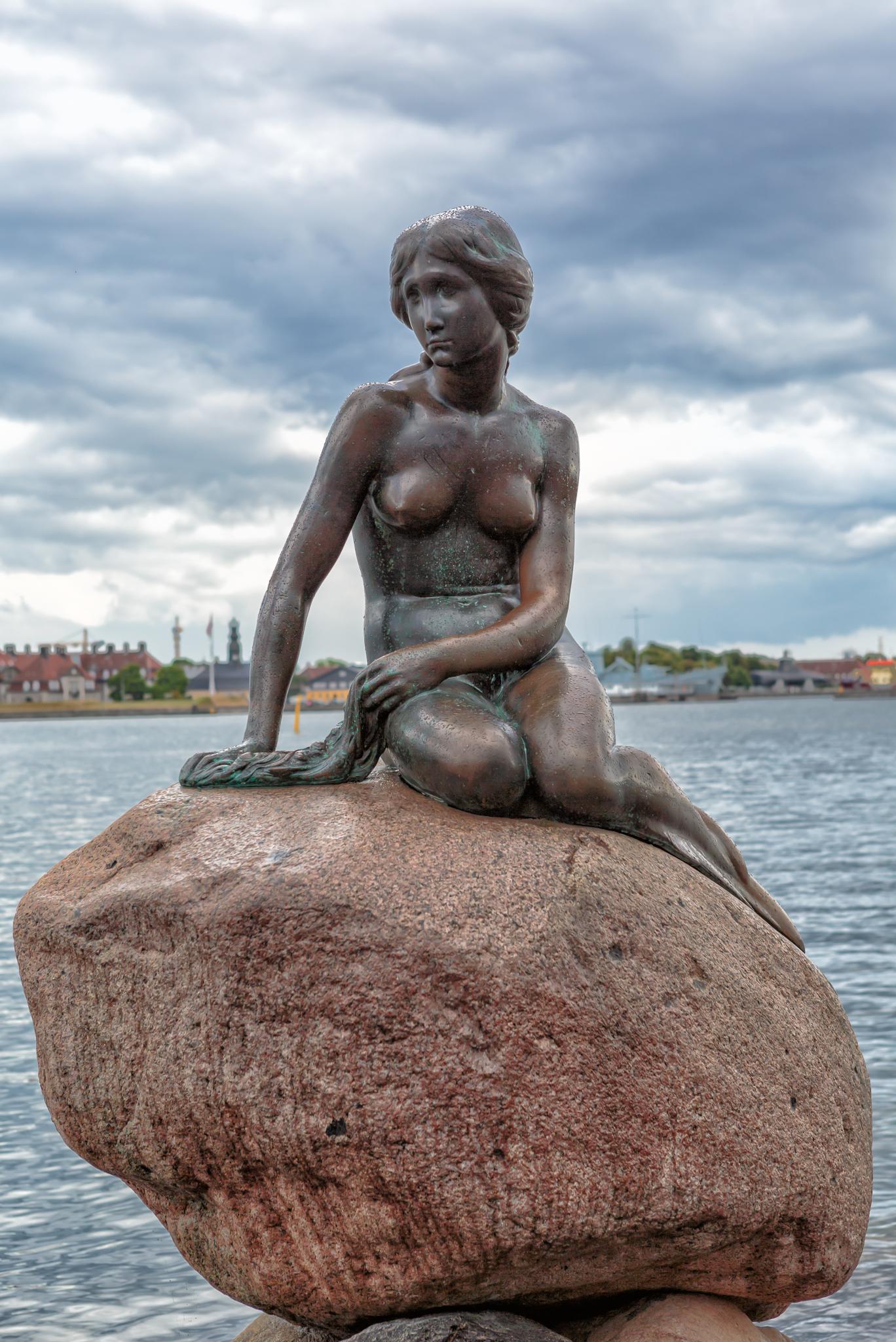
Looking beyond Kongeskibet Dannebrog? Discover Copenhagen for broader travel guides, local hot-spots, and regional highlights.
Explore Copenhagen
Go underground beside Copenhagen’s Citadel to follow five real lives through occupation, resistance and collaboration in a gripping World War II museum.
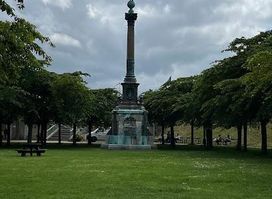
Harbourfront lawns, sculptures and sea air come together at Langelinieparken, a tree‑lined promenade linking calm green spaces with classic Copenhagen waterfront sights.