Nikolaj Art Gallery, Copenhagen Travel Guide
Medieval church reborn as Copenhagen's most atmospheric contemporary art center, where eight centuries of history frame cutting-edge creativity.
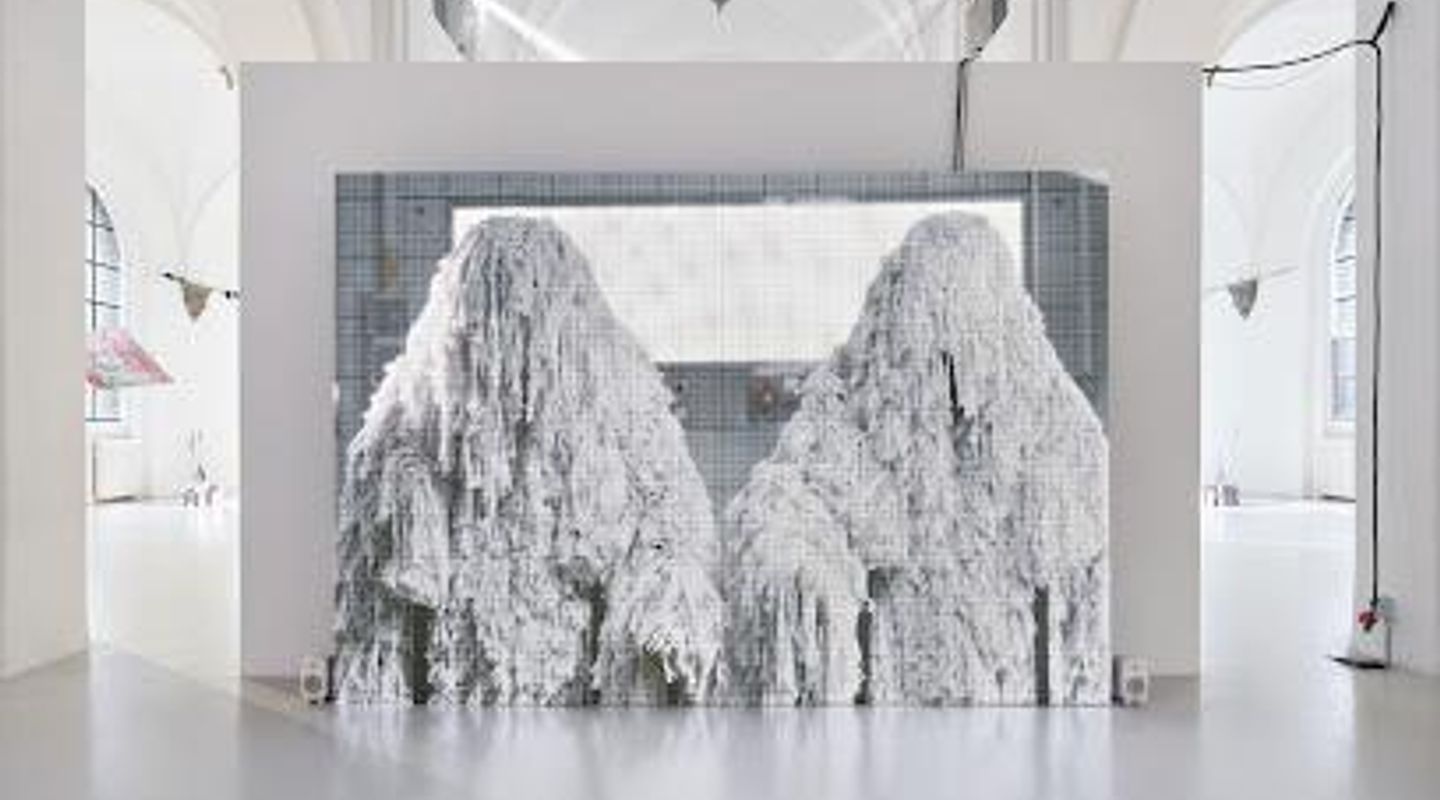
Nikolaj Kunsthal is a cutting-edge contemporary art center housed in the restored Church of St. Nicholas, Copenhagen's third-oldest church, located in the heart of the city between Christiansborg Palace and Kongens Nytorv. Originally built in the early 1200s as a place of worship, the building was devastated by the Great Fire of 1795 and subsequently transformed into a fire station, butcher's market, and naval museum before becoming an avant-garde art space in 1957. Today, it showcases 5–6 experimental and innovative exhibitions annually across three gallery spaces, featuring Danish and international contemporary art in a breathtakingly beautiful setting of whitewashed walls, soaring ceilings, and a distinctive 90-meter tower with a verdigris copper spire.
A brief summary to Nikolaj Art Gallery
- Nikolaj Plads 10, Copenhagen, Indre By, 1067, DK
- Click to display
- Click to display
- Duration: 1.5 to 3 hours
- Budget
-
 Indoor
- Mobile reception: 5 out of 5
- Tuesday 11 am-6 pm
- Wednesday 11 am-6 pm
- Thursday 11 am-6 pm
- Friday 11 am-6 pm
- Saturday 11 am-5 pm
- Sunday 11 am-5 pm

Know before you go
Hi, I'm Eve. Here are a few practical things to know before exploring Nikolaj Art Gallery.
- Visit during weekday mornings (Tuesday–Friday, 11am–1pm) for a quieter experience; the space is especially atmospheric when natural light streams through the tall Neo-Baroque windows and crowds are minimal.
- Combine your visit with the nearby Thorvaldsens Museum, located just across the canal—admission to Nikolaj Kunsthal includes free entry to this sculpture museum, making for a rich cultural afternoon.
- Explore the Tower Room for a unique perspective; the exhibition space within the historic 90-meter tower offers intimate views and a direct connection to the building's most iconic architectural element.
- Linger in the café, which has become the social and contemplative heart of the building; it functions as both a quiet refuge and a vibrant gathering space, especially during evening openings and special events.
- Check the exhibition schedule in advance; the center rotates 5–6 major exhibitions annually, each with distinct themes and artistic approaches, so timing your visit to a specific show enhances the experience.
Do you manage this location?
Take control to get all the benefits, like improved information, better appearance, and stronger visibility across AI-powered discovery. Learn more about listing your business on Evendo
Activate your presenceOther nearby places you may find interesting
The closest places of the same kind, if this one is not quite what you had in mind.

Explore Nikolaj Art Gallery on the Map
A handpicked selection of must-see spots near Nikolaj Art Gallery, mapped for you.
Unlock the Best of Nikolaj Art Gallery
Buy tickets
-
No tickets available
Book tours with entry


Getting There
-
Metro + Walking
Take the Copenhagen Metro (Lines M1 or M2) toward Vanløse or Christianshavn and exit at Kongens Nytorv station. From the station, Nikolaj Kunsthal is a 3–5 minute walk northwest through the historic city center. Follow signs toward Nikolaj Plads. Single journey ticket costs approximately 24 DKK; a 24-hour pass is around 80 DKK. Service runs every 3–6 minutes during peak hours.
-
Bicycle
Copenhagen's extensive cycle network makes this an ideal option. Rent a bike from one of the city's many rental stations (approximately 80–150 DKK per day) and cycle to Nikolaj Plads in the Inner City district. The journey from most central locations takes 5–15 minutes depending on starting point. Secure bike parking is available near the venue.
-
Walking from Strøget
If you're exploring Copenhagen's main shopping street Strøget, Nikolaj Kunsthal is a 10–15 minute walk away. Head toward Kongens Nytorv square and then navigate to Nikolaj Plads, which sits between Christiansborg Palace and the square. The route passes through atmospheric medieval streets in the Inner City.
-
Bus
Several bus routes serve the Inner City area near Nikolaj Kunsthal, including routes 1A, 2A, 6A, and 14. Journey times vary from 10–20 minutes depending on your starting location and traffic. A single ticket costs 24 DKK. Buses run frequently throughout the day, with reduced service in evenings and on Sundays.
For the on-the-go comforts that matter to you
-
 Restrooms
-
 Drink Options
-
 Food Options
-
 Seating Areas
-
 Information Boards
-
 Visitor Center
Discover more about Nikolaj Art Gallery
Eight Centuries of Transformation and Resilience
The Church of St. Nicholas traces its origins to the early 1200s, making it Copenhagen's third-oldest church and one of the city's most historically layered buildings. For nearly six centuries, it served as a sacred space where generations of worshippers found solace within its walls. The building reached its architectural zenith in 1591 with the completion of its imposing 90-meter-high Renaissance tower, which became one of the city's most recognizable landmarks, its verdigris copper spire gazing across Copenhagen's low rooftops. This tower would become the building's most enduring symbol, surviving catastrophes that would destroy everything else around it.The Great Fire of 1795 proved catastrophic for the church. The blaze consumed much of the structure, and the cost of repairs was deemed too great for the parish to bear. The congregation was dissolved, and the building's sacred purpose came to an end. Only the brick tower survived the inferno, and for many years it served as a fire lookout post, a solitary sentinel watching over the city it once graced. The original Renaissance spire collapsed and buried itself deep underground, lost to history for centuries until archaeologists would eventually recover it.From Utility to Cultural Awakening
Following the fire, the remaining structure underwent a series of pragmatic transformations. From 1805 onward, the building was repurposed as a fire station, then as a butcher's market—an ironic fate that gave the surrounding square its colloquial name, Maven, derived from the Danish word for stomach. The building later served as a naval museum, each incarnation stripping away layers of its former identity. In 1829, the celebrated author Hans Christian Andersen even set a popular theatrical piece, "Love on St. Nicholas Church Tower," within its confines, cementing its place in Danish cultural memory.The early 20th century brought a turning point. Carlsberg founder Carl Jacobsen, a passionate patron of the arts and cultural heritage, donated funds to rebuild the tower—a remarkable gesture of faith in a structure that would no longer serve a congregation. Architect Hans Christian Amberg undertook the restoration around 1910, approaching the work with reverence rather than trendiness. His discipline lay in recreating the spirit of the original building while respecting its architectural and cultural heritage. The rebuilt tower, with its restored spire, returned to the city skyline a symbol that had been absent for over a century.Birth of an Avant-Garde Vision
In 1957, artist and organizer Knud Pedersen rented a portion of the former church to establish an "Art library"—an unorthodox marketplace where visitors could borrow contemporary artworks for a symbolic fee, the price of a cigarette packet. This innovative concept inaugurated the building's transformation into an avant-garde venue and experimental exhibition space, a trajectory that would eventually lead to the establishment of the Copenhagen Contemporary Art Center as it exists today. The vision was radical: to democratize access to contemporary art and create a space where experimental and innovative artistic expressions could flourish.Contemporary Restoration and Living Dialogue
In recent years, Engel Architects undertook a sensitive restoration that stripped away decades of ad hoc modifications—exposed electrical installations, blocked windows and arches, layers of plastic paint obscuring original surfaces. The work revealed the building's original qualities: whitewashed walls, soaring ceilings, and towering Neo-Baroque windows that flood the interior with light. A contemporary café was introduced as the new heart of the building, serving as a gathering point that shifts from contemplative refuge during the day to vibrant social space during evening openings. The restoration created a deliberate dialogue between past and present, where modern interventions sit comfortably alongside centuries of history.The Exhibition Space Today
Nikolaj Kunsthal now comprises three distinct gallery spaces: the Lower Gallery, the Upper Gallery, and the Tower Room, each offering unique perspectives on contemporary art. The center organizes 5 to 6 special exhibitions annually, focusing on experimental and innovative artistic expressions from Danish and international artists. Since 2011, it has hosted an annual video art festival called Pixelade. Beyond exhibitions, the center presents concerts, performances, guided tours, artist talks, and special dinners, positioning itself as a multidisciplinary cultural hub. The building's soaring ceilings, thick walls, and abundant natural light create an inspiring atmosphere that supports both serious artistic engagement and social connection.A Monument to Artistic Courage
What makes Nikolaj Kunsthal extraordinary is not merely its architectural beauty or historical significance, but its embodiment of cultural resilience. A building that survived fire, served utilitarian purposes, and was nearly forgotten has been reborn as a beacon of contemporary creativity. It stands as a living monument to the power of cultural investment and artistic vision—a place where the sacred and the everyday meet, where history maintains an ongoing dialogue with the present, and where visitors encounter art within spaces that themselves tell stories of transformation, loss, and renewal.












Your all‑in‑one travel companion app
Explore expert travel guides, compare and book tours, experiences, hotels, and more—all from the palm of your hand. Download now for seamless trip planning wherever your wanderlust takes you.


Explore More of Copenhagen
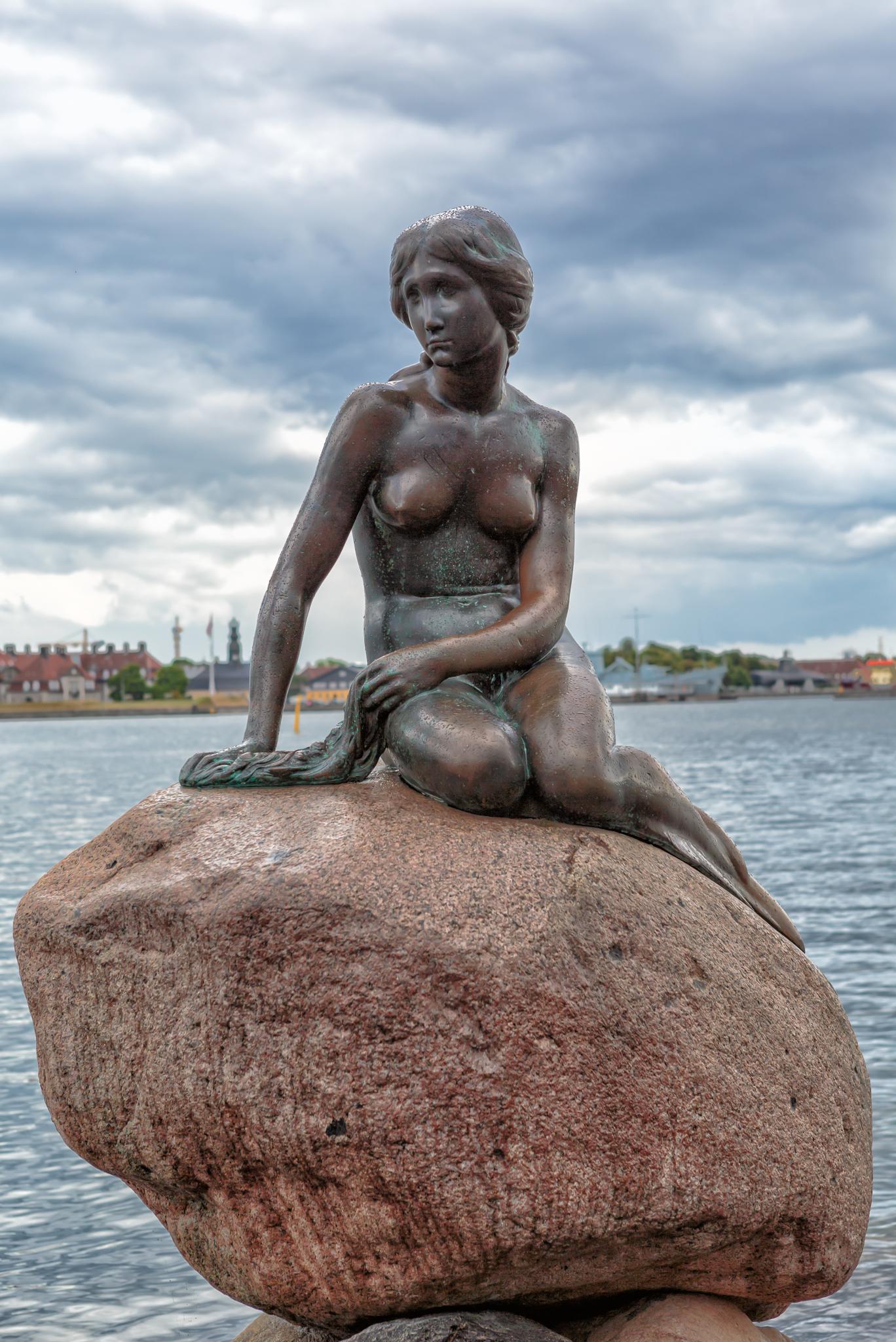
Looking beyond Nikolaj Art Gallery? Discover Copenhagen for broader travel guides, local hot-spots, and regional highlights.
Explore Copenhagen