

Ny Carlsberg Glyptotek
A palm-filled Winter Garden, world-class antiquities and Nordic–French masterpieces meet inside Copenhagen’s most atmospheric art museum.
Ny Carlsberg Glyptotek is Copenhagen’s great temple of sculpture and painting, founded in 1897 by brewer and art patron Carl Jacobsen. Just behind Tivoli Gardens, this atmospheric museum combines a spectacular glass-domed Winter Garden filled with palms and fountains, world-class collections of Egyptian, Greek, Etruscan and Roman antiquities, and outstanding 19th–20th century Danish and French art including works by Rodin, Degas, Gauguin and the Impressionists.
A brief summary to Ny Carlsberg Glyptotek
- Dantes Plads 7, Copenhagen, Indre By, 1556, DK
- +4533418141
- Visit website
- Duration: 2 to 3.5 hours
- Mid ranged
-
 Indoor
- Mobile reception: 5 out of 5
- Tuesday 10 am-5 pm
- Wednesday 10 am-5 pm
- Thursday 10 am-9 pm
- Friday 10 am-5 pm
- Saturday 10 am-5 pm
- Sunday 10 am-5 pm
Local tips
- Plan at least 2–3 hours so you can see both the antiquities and the modern galleries and still have time to unwind in the Winter Garden café.
- Start on the upper floors for the Danish and French art, then work your way down to the Egyptian and classical collections to avoid backtracking.
- Check current exhibitions in advance; major temporary shows may replace some permanent displays but often include important loaned works.
- Bring a light layer: gallery temperatures are cool to protect the art, but the Winter Garden and roof terrace can feel noticeably warmer.
- Photography is generally allowed for personal use without flash; always follow signage and staff instructions in sensitive areas.

For the on-the-go comforts that matter to you
- Restrooms
- Drink Options
- Drinking Water
- Food Options
- Lockers
- Seating Areas
- Sheltered Areas
- Trash Bins
- Information Boards
- Visitor Center
Getting There
-
Train and walk from Copenhagen Central Station
From Copenhagen Central Station, Ny Carlsberg Glyptotek is about a 6–8 minute walk on mostly level pavements, suitable for most visitors with basic mobility. Regional and intercity trains as well as the S-train network all stop here, making this the most convenient hub if you are coming from elsewhere in Zealand or from the airport via train. Trains typically run every few minutes during the day, and a standard adult single from the airport to the station costs roughly 30–40 DKK depending on ticket type. Once at the station, follow general signs toward the city centre and Tivoli Gardens; the museum stands just beyond the park in a compact museum district.
-
Metro to Rådhuspladsen or Nørreport and walk
You can also take the metro M3 Cityringen to Rådhuspladsen Station, from where it is around 10–12 minutes on foot along broad city streets with good crossings and kerb cuts. Trains on the M3 line run every few minutes throughout the day, and an adult single ticket within the central zones is typically in the 20–30 DKK range. Nørreport Station is a slightly longer 15–20 minute walk but offers direct metro connections to the airport and other parts of the city. Both routes are straightforward and largely flat, though in wet or icy weather pavements can be slippery, so allow extra time.
-
City bus services
Several city bus lines stop within a short walk of Ny Carlsberg Glyptotek, serving the central Copenhagen area and outlying neighbourhoods. Buses usually run every 5–15 minutes during the day and slightly less often in the evening. A standard single journey on the regular bus network within the central zones generally costs about 20–30 DKK, valid for a set time period so you can transfer between buses or metro if needed. Most buses are low-floor and wheelchair accessible, though they can be crowded at rush hour and during major events near Tivoli Gardens, so off-peak travel is more comfortable.
-
Bicycle within central Copenhagen
For those already in the city centre, cycling to Ny Carlsberg Glyptotek is a practical option thanks to Copenhagen’s extensive network of segregated bike lanes. The museum lies close to major cycling routes that run around Tivoli Gardens and past the City Hall area. Travel time from most central districts is between 5 and 15 minutes by bike, depending on your starting point. You can use a personal bicycle or one of the many app-based bike-share services; short rides typically cost from around 10–20 DKK, with fees increasing by duration. Be aware that bike parking can be busy at peak times, and always lock your bike securely in designated stands.
Ny Carlsberg Glyptotek location weather suitability
-
 Any Weather
-
 Rain / Wet Weather
-
 Cold Weather
-
 Mild Temperatures
-
 Hot Weather
- Snow
Discover more about Ny Carlsberg Glyptotek
A brewer’s dream turned art sanctuary
Ny Carlsberg Glyptotek was born from the passion – and fortune – of brewer Carl Jacobsen, who transformed his private collection into a public museum at the end of the 19th century. Stepping inside today, you enter the vision of an industrial magnate determined to surround his city with beauty. Grand halls, vaulted ceilings and richly detailed stonework frame thousands of artworks that trace a line from ancient civilizations to modern Europe. The name "Glyptotek" refers to a collection of sculpture, and that focus is still at the heart of the museum. Marble figures, bronzes and terracottas line the galleries, many displayed in natural light that brings out every chisel mark and curve. The building itself has grown in stages over more than a century, and you can feel the shift from historicist opulence to later, calmer modern wings as you wander.Ancient worlds under one roof
One of the museum’s great strengths is its Department of Antiquities, which gathers outstanding works from ancient Egypt, Greece, Etruria and Rome. Here you move between sarcophagi and mummies, temple reliefs and painted coffins that span some 3,500 years of Egyptian history. The carefully lit rooms and muted colours create a contemplative atmosphere that suits the age and gravity of the pieces. In the classical galleries, rows of Greek and Roman statues stand in colonnaded halls, from idealized athletes and gods to intense, characterful portrait busts of emperors. Etruscan artefacts – urns, bronzes and decorative details – add another layer to this panorama of Mediterranean cultures. Together, the antiquities give a vivid sense of how sculpture and ornament once filled temples, villas and public spaces across the ancient world.Nordic light and French colour
Beyond antiquity, the modern collection focuses on 19th- and early 20th-century Danish and French art. Danish Golden Age paintings capture Copenhagen’s streets, seascapes and quiet interiors with crystalline northern light. Nearby, sculptural works trace the development of Danish realism and symbolism, often displayed with generous space around them so you can walk and look from every angle. The French rooms bring a change of rhythm and colour, with Impressionist canvases, post-Impressionist experiments and a particularly rich representation of Paul Gauguin. A complete series of Degas bronzes and dozens of works by Auguste Rodin highlight the museum’s sculptural strengths in this period. Moving between these rooms, you see how ideas, techniques and tastes crossed borders in an era of rapid artistic change.The Winter Garden at the museum’s heart
At the centre of the complex lies the famous Winter Garden, a soaring glass-domed hall filled with tall palms, lush planting, a central fountain and a fish pool. The air here is warmer and more humid than in the surrounding galleries, and the sound of water and soft echoes from the dome create a gentle acoustic backdrop. It feels like a conservatory and an indoor piazza at once, with sculptures placed among the greenery. A café borders the Winter Garden, offering light lunches, cakes, coffee and drinks. Sitting here between exhibition visits is part of the Glyptotek experience: you can rest with a view of fronds and statues, watching shafts of light move across the tiled floor. On upper levels, a roof terrace opens in warmer months, giving open-air views over Copenhagen’s towers and rooftops and reminding you how central the museum is in the city.Architectural details and changing exhibitions
As you explore, notice how different wings of the building carry different architectural languages – from richly ornamented, historicist interiors to more restrained modern galleries designed to let the works speak for themselves. Floors shift from mosaics to parquet, and doorways often frame long perspectives of aligned sculptures. Alongside the permanent displays, the museum stages special exhibitions that draw on its own holdings and loans from elsewhere. These projects might focus on a particular artist, theme or historical moment, and they often bring fresh juxtapositions to familiar pieces. Not every work is always on view, but this changing rhythm means repeat visits can reveal new angles on the collection.Planning your time in the galleries
Most visitors find that two to three hours allows a comfortable first encounter with the Glyptotek, including time in the Winter Garden and café. Art enthusiasts can easily linger longer, especially if a major special exhibition is on. The layout invites unhurried wandering rather than a fixed route, so you can dip into an era, then return to a favourite room or sculpture. The museum operates with regular daytime hours from Tuesday to Sunday, with extended opening on Thursday evenings for those who prefer a quieter or more atmospheric visit. With its combination of world-class collections, distinctive architecture and oasis-like Winter Garden, Ny Carlsberg Glyptotek offers one of Copenhagen’s most evocative indoor cultural experiences in any season.Iconic landmarks you can’t miss

H. C. Andersens Blvd.
0.3 km
A broad, bustling boulevard where Hans Christian Andersen’s legacy meets City Hall Square, Tivoli’s lights, and the everyday pulse of central Copenhagen.
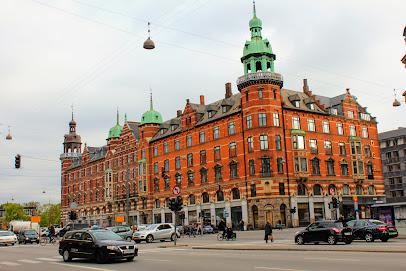
Copenhagen Central Post Building
0.4 km
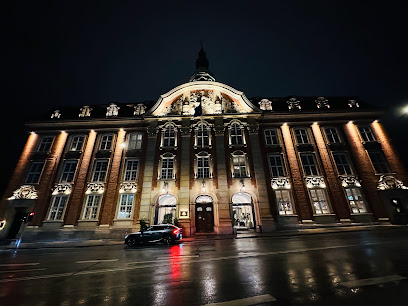
A majestic neo-Baroque landmark intertwining Denmark’s postal history with Vesterbro’s vibrant urban fabric, located beside Copenhagen’s bustling central railway station.
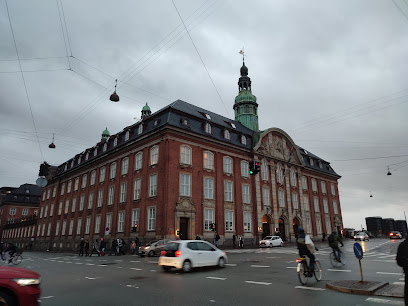
Lur Blowers
0.4 km
Bronze Age horns meet early 20th‑century grandeur in this 20‑metre column, where two silent lur players keep watch over Copenhagen’s bustling City Hall Square.
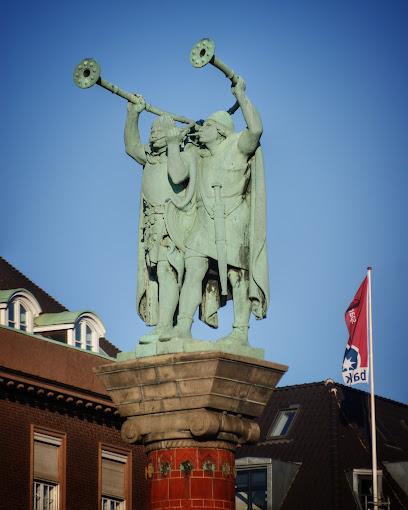
The Stable Boy's House
0.4 km
A modest former service house on Frederiksholms Kanal, quietly recalling the working lives behind Copenhagen’s royal stables and the grandeur of nearby Christiansborg.
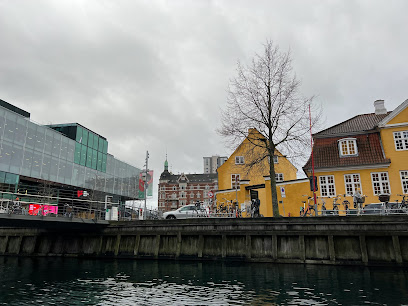
Copenhagen Central Station
0.5 km
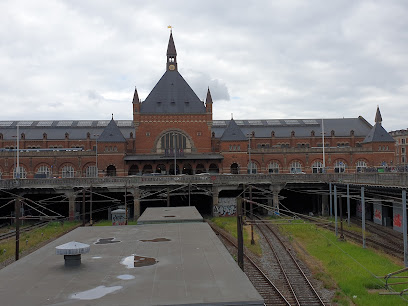
Historic brick-and-timber rail hub at the heart of Copenhagen, combining grand architecture, everyday convenience and instant access to the city’s main sights.
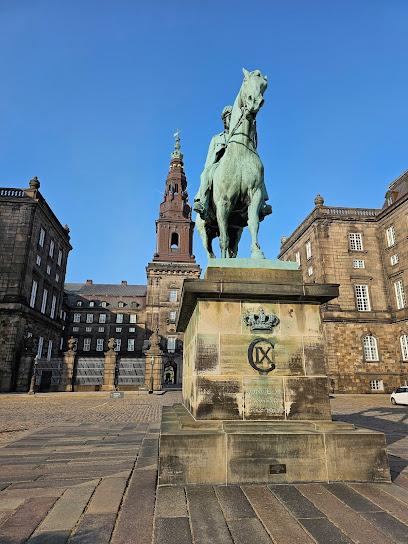
Equestrian statue of Christian IX
0.5 km
A quiet yet powerful royal monument in Christiansborg’s riding ground, uniting a pivotal Danish king with the groundbreaking sculptor who cast him in bronze.
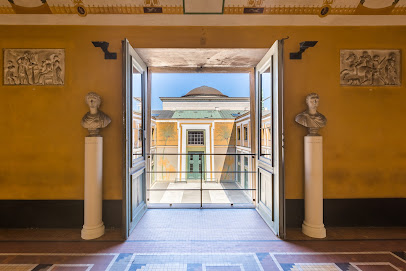
Thorvaldsens Museum
0.5 km
Explore the world of neoclassical sculpture at Thorvaldsens Museum in Copenhagen, home to the works of Bertel Thorvaldsen and a treasure trove of art and architectural inspiration.
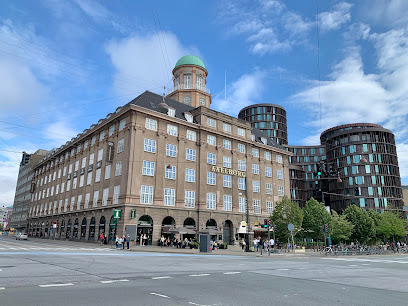
Copenhagen Visitor Service
0.6 km
Central, modern orientation center offering expert advice, resources, and insider tips for exploring Copenhagen’s sights, culture, and neighborhoods.
Nytorv 2
0.6 km
Where Copenhagen’s Neoclassical courthouse meets a centuries-old market square, blending solemn civic history with the everyday buzz of the old city.
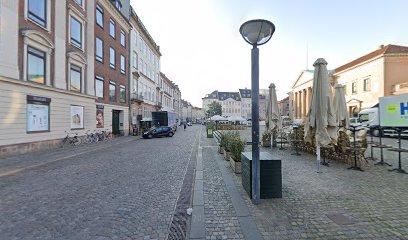
Søren Aabye Kierkegaard by Louis Hasselriis
0.6 km
Discover Nordic art, culture, and cuisine from Iceland, Greenland, and the Faroe Islands at North Atlantic House, a historic waterfront warehouse in Copenhagen.
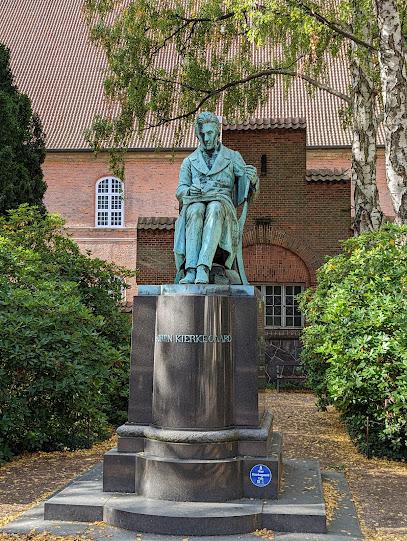
The Danish Parliament
0.6 km
Where copper spires, royal salons and granite façades frame the working heart of Danish democracy on Copenhagen’s historic Island of Power.
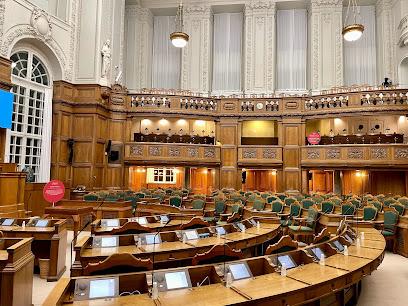
Frihedsstøtten
0.6 km
Statuesque tribute to Danish freedom: Frihedsstøtten stands as a majestic milestone marking the abolition of serfdom at the vibrant gateway to Copenhagen's Vesterbro.
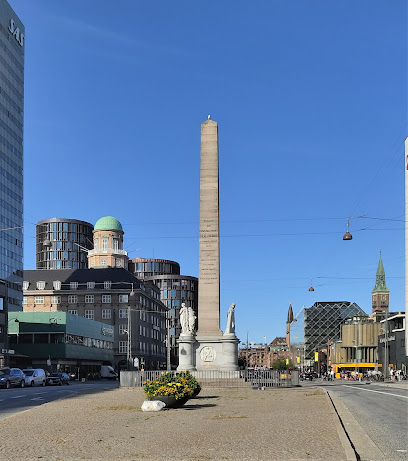
Gammeltorv
0.6 km
Discover Copenhagen's only Russian Orthodox Church, renowned for its gilded domes, lavish icons, and evocative ties to Denmark's royal and multicultural heritage.
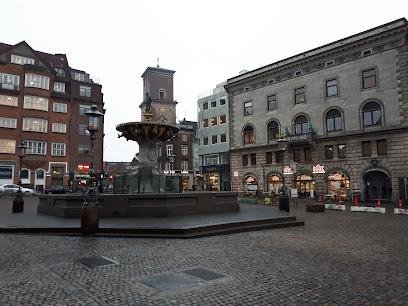
Kopenhagen
0.6 km
Spectacular palace at Copenhagen’s core, blending royal grandeur, political intrigue, and centuries of Danish history—home to Parliament, the courts, and the monarchy.
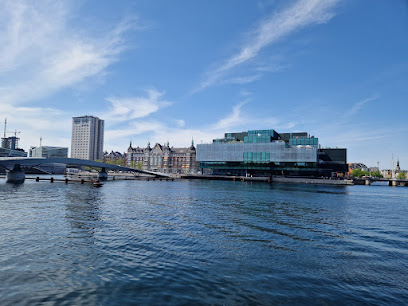
Christiansborg Palace
0.6 km
Explore the majestic Christiansborg Palace in Copenhagen, a blend of history, culture, and stunning architecture that captivates all who visit.
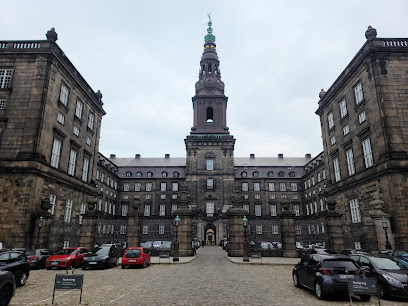
Unmissable attractions to see

Museum of Copenhagen
0.2 km
Explore a thousand years of Copenhagen's history through artifacts, interactive exhibits, and the stories of its people.
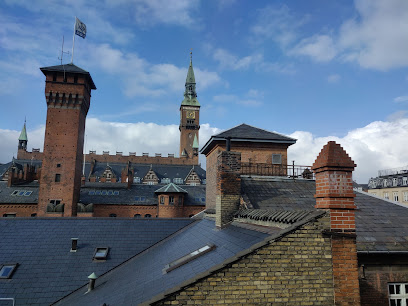
National Museum of Denmark
0.2 km
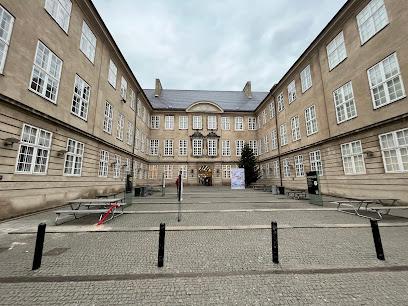
Denmark’s past comes alive in a grand city palace, where Vikings, royal salons and playful children’s galleries tell 14,000 years of stories under one roof.
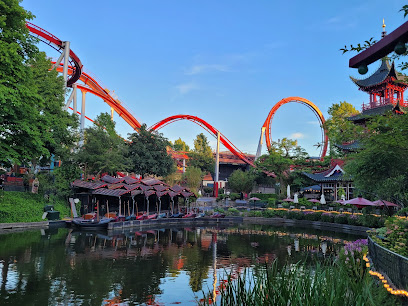
Tivoli Gardens
0.3 km
Explore enchanting Rosenborg Castle in Copenhagen, home to Denmark’s Crown Jewels, opulent royal halls, lush gardens, and centuries of riveting royal history.
Himmelskibet
0.3 km
Spin 80 meters high on the world's tallest carousel swing for breathtaking Copenhagen views.
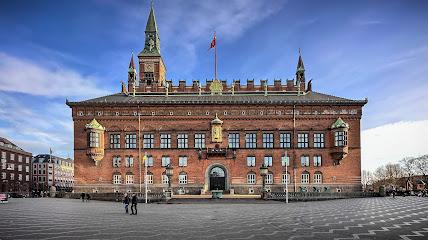
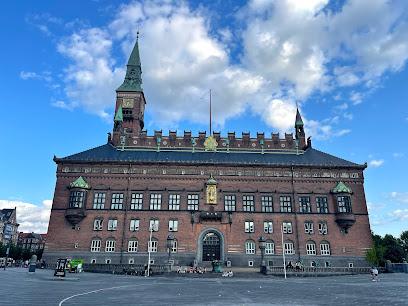
Copenhagen City Hall
0.3 km
Explore Denmark's Viking heritage along the scenic Skjoldungestien trail.
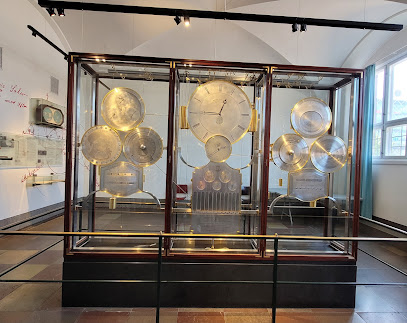
Jens Olsen's World Clock
0.3 km
Descend beneath Søndermarken Park to discover Copenhagen’s historic water cisterns, now transformed into a mesmerizing underground art museum unlike any other in Denmark.
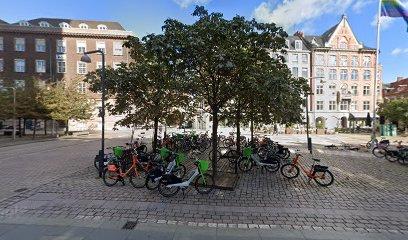
Rainbow Square
0.3 km
A small city-centre plaza with a powerful rainbow dedication, Rainbow Square turns everyday pavement beside Copenhagen City Hall into a quiet landmark for LGBTQ+ equality.
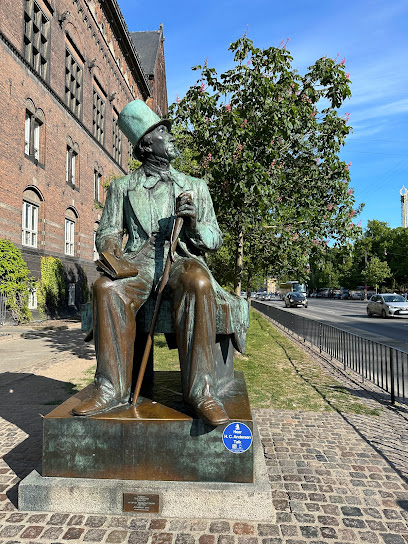
Statue of Andersen
0.3 km
A larger-than-life Hans Christian Andersen sits in bronze on Copenhagen’s City Hall Square, book in hand, gazing toward Tivoli Gardens in the city’s vibrant heart.
Frederiksholms Kanal
0.3 km
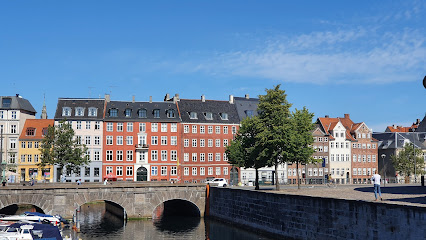
Frederiksholms Kanal—a historic waterway offering tranquil walks, classic canal views, and a journey through the heart of Copenhagen’s regal past.
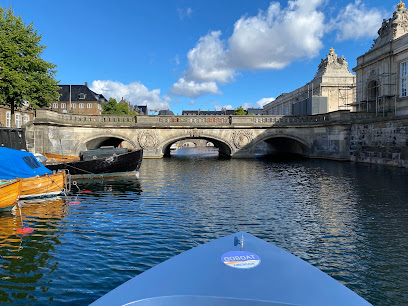
Marmorbroen
0.3 km
An 18th‑century Rococo bridge that once formed the grand entrance to Christiansborg Palace, Marmorbroen quietly unites royal history, canal views and everyday city life.
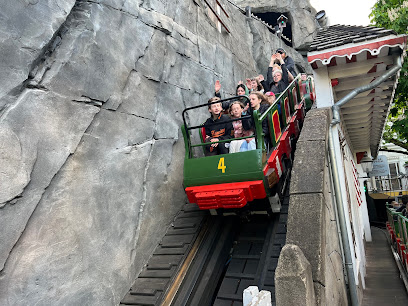
Rutschebanen
0.4 km
A century-old wooden roller coaster weaving through a rocky mountain in Tivoli Gardens, where a live brakeman and rattling timber keep Copenhagen’s past in motion.
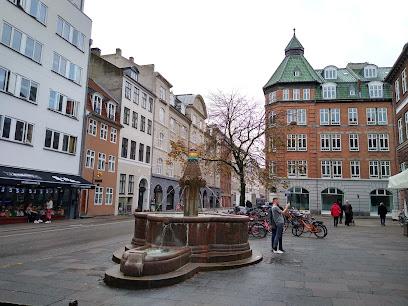
Vandkunsten Springvand
0.4 km
Experience Copenhagen’s blend of urban cool and waterside relaxation at Islands Brygge, where harbor views, bathing, and local life come together in a thriving central district.
Ripley's Believe It or Not!
0.4 km
A compact oddities museum on Rådhuspladsen where shrunken heads, vortex tunnels and record‑breaking curiosities turn everyday Copenhagen into a world of wonders.
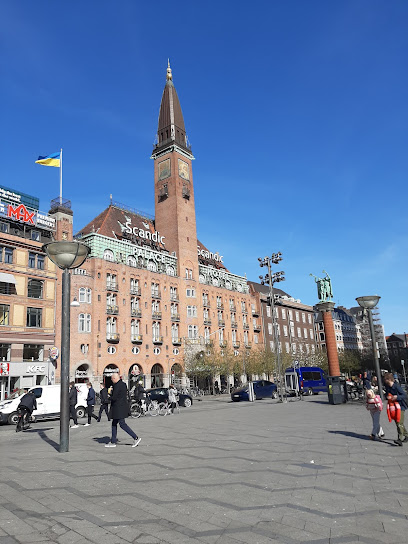
City Hall Square
0.4 km
Copenhagen’s grand urban living room: a historic civic square framed by City Hall, whimsical fountains, and the gateway to the pedestrian heart of the city.
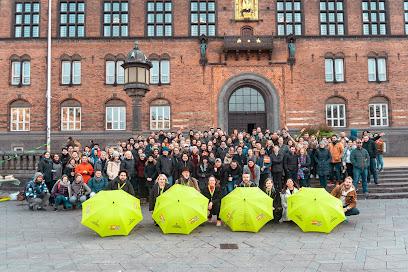
Copenhagen Free Walking Tours
0.4 km
Discover masterpieces from the Danish Golden Age and European classics to contemporary art in Denmark’s largest art museum, set by Copenhagen’s serene city park.
Essential places to dine

Restaurant Noi
0.1 km
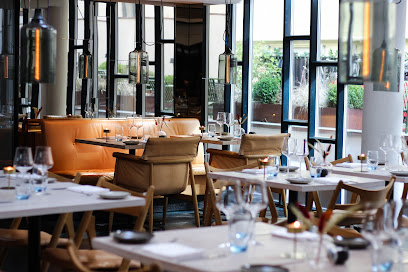
Experience modern Nordic cuisine in a stylish, contemporary setting at Restaurant Noi, a favorite for seasonal dining in the heart of central Copenhagen.
Restaurant Karla
0.1 km
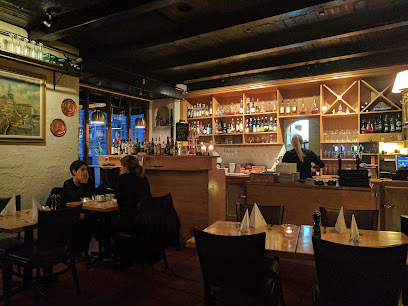
Century-old Danish restaurant serving beloved classics and authentic smørrebrød in the heart of Copenhagen, steps from major museums and city attractions.
Rio Bravo
0.1 km
Western‑themed Copenhagen stalwart serving hearty Danish classics and steaks late into the night in a nostalgic saloon setting off City Hall Square.
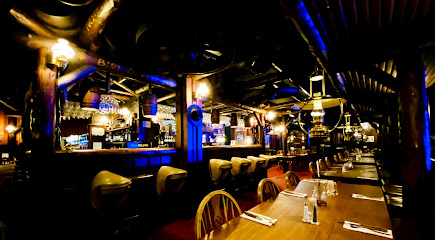
Kanal-Caféen
0.3 km
Historic canal-side lunch restaurant from 1852, serving classic Danish smørrebrød and platters in cosy wood-panelled rooms beside Frederiksholms Kanal.
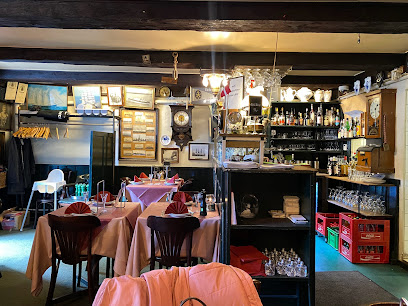
Restaurant Puk
0.4 km
Historic Danish restaurant in Indre By, Copenhagen, serving classic smørrebrød and comfort dishes in a centuries-old setting with authentic local atmosphere.
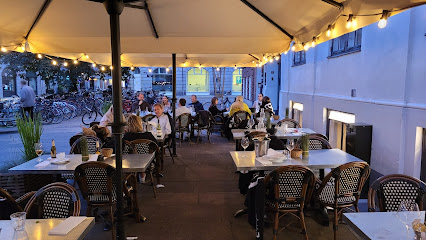
La Baracca Tivoli - Food Hall
0.4 km
Handmade Italian pasta and wine in the heart of Tivoli Food Hall, offering relaxed, counter-service dining steps from Copenhagen Central Station.
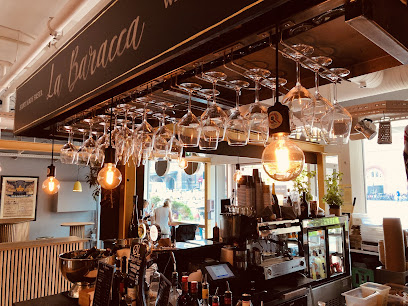
Spisestedet FEED
0.4 km
Discover exquisite flavors and an inviting atmosphere at Spisestedet FEED in the heart of København.
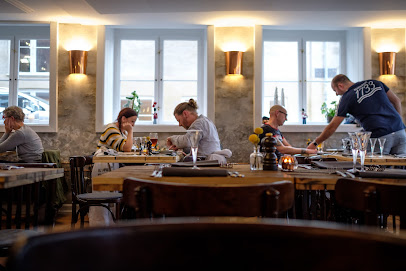
Restaurant 1733
0.5 km
Traditional Danish smørrebrød and hearty classics served in a cosy 18th‑century townhouse on Nybrogade, with canal views and warm, informal hospitality.
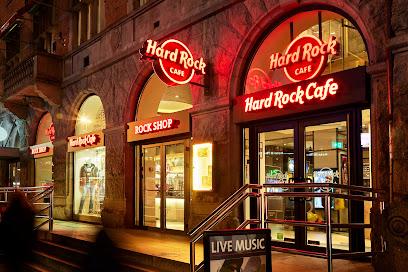
Hard Rock Cafe Copenhagen
0.5 km
Rock legends, legendary burgers, and unforgettable American dining in Copenhagen's vibrant heart.
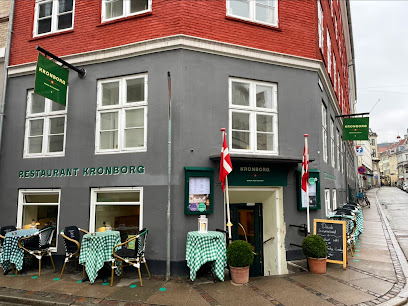
Restaurant Kronborg
0.5 km
Warm, candlelit hygge in Copenhagen’s old town, where classic Danish smørrebrød, hearty lunches and aquavit bring traditional flavors to a cosy side-street dining room.
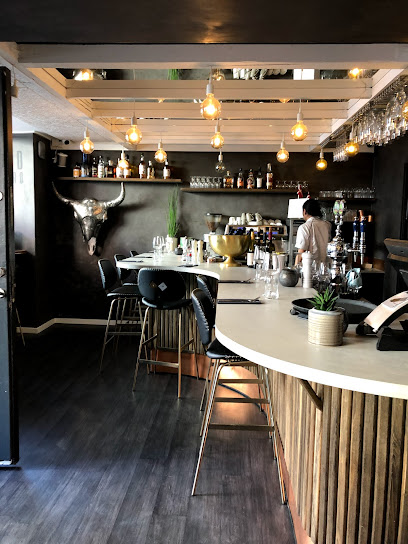
Marv & Ben
0.6 km
Inventive New Nordic tasting menus and Danish culinary artistry await in an atmospheric 18th-century townhouse in Copenhagen’s historic Indre By.
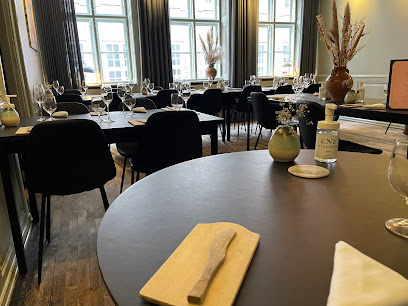
Husmanns Vinstue
0.6 km
Classic smørrebrød, candles and aquavit in a historic Copenhagen cellar devoted entirely to the long, unhurried Danish lunch.
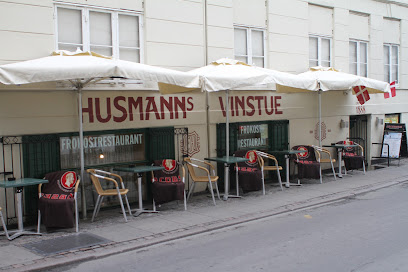
Københavner Cafeen
0.6 km
Traditional Danish comfort food and smørrebrød served in a cozy, low-lit cellar restaurant on a historic Copenhagen side street steeped in hygge.
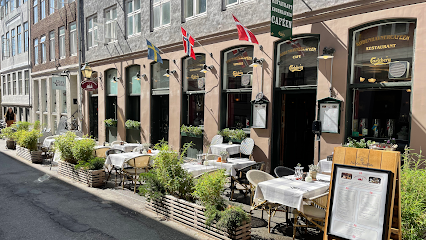
Restaurant Tight
0.6 km
Cozy multi-level townhouse restaurant in Copenhagen’s Old Town serving Nordic cuisine with a sunny southern twist, generous portions and a warm, brick-and-beam atmosphere.
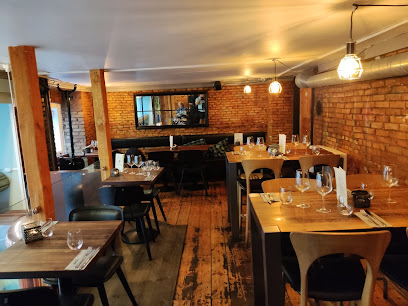
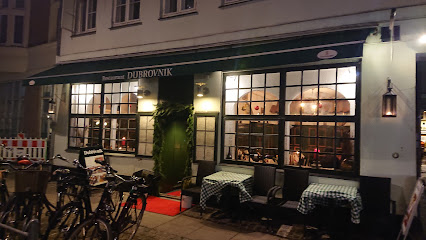
Dubrovnik Restaurant
0.6 km
Cosy Croatian tavern in Copenhagen’s inner city, serving generous grills and rustic Adriatic comfort food in a warm, wood‑panelled dining room.
Markets, malls and hidden boutiques

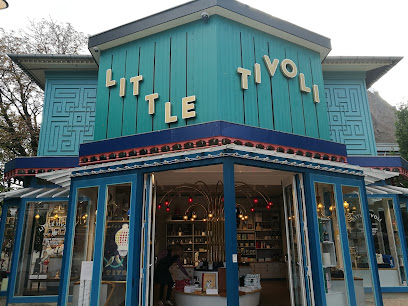
Tivoli Gift Shop
0.3 km
A compact slice of Tivoli Gardens magic just outside the park gates, perfect for picking up Copenhagen souvenirs before or after your visit.
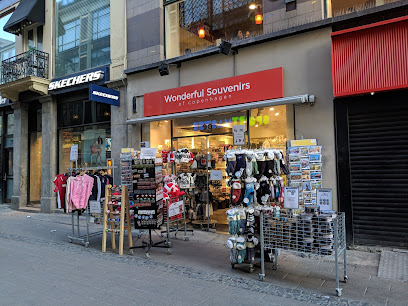
Wonderful Souvenirs
0.4 km
Compact, colourful and central, Wonderful Souvenirs on Frederiksberggade is a one-stop Strøget shop for easy Copenhagen-themed gifts and keepsakes.
Danish Souvenirs
0.4 km
Central Copenhagen’s one‑stop Strøget shop for Little Mermaid trinkets, Viking keepsakes and easy last‑minute gifts before you say farvel to Denmark.
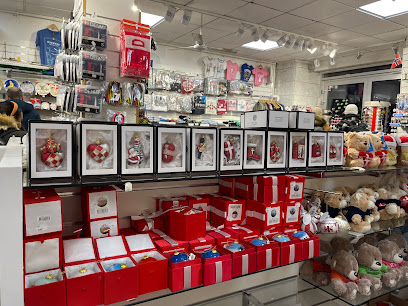
Viking Souvenirs
0.5 km
Lively Strøget souvenir shop packed with Viking‑themed gifts, Danish icons and suitcase‑friendly mementos, ideal for quick last‑minute presents in central Copenhagen.
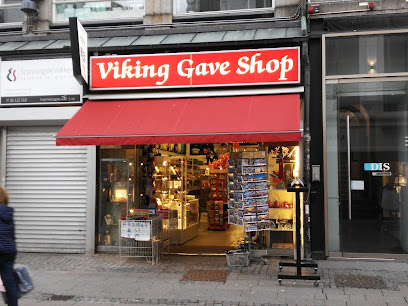
Souvenir Shop
0.5 km
Compact, convenient and central, this Frederiksberggade souvenir shop on Strøget is a quick one‑stop for classic Copenhagen gifts and mementos.
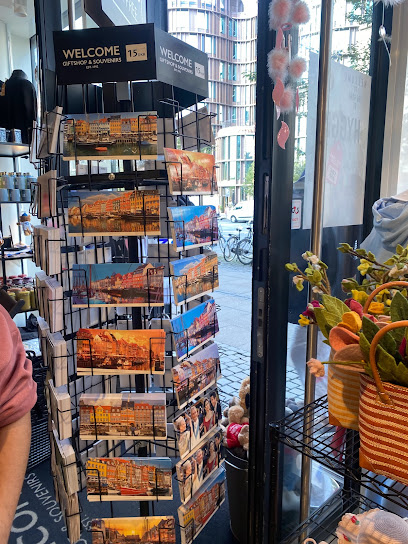
Souvenir Gift Shop
0.5 km
Compact, central and colourful, this Vesterbrogade gift shop is a quick and easy stop for Copenhagen-themed souvenirs between Tivoli, Vesterbro and the Central Station.
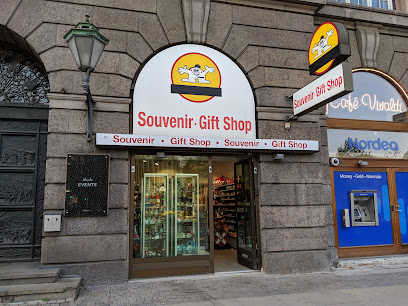
Danish Art & Christmas Shop
0.6 km
A cosy, year‑round Christmas haven in a historic Copenhagen townhouse, filled with Danish‑designed ornaments, paper art and festive hygge moments.
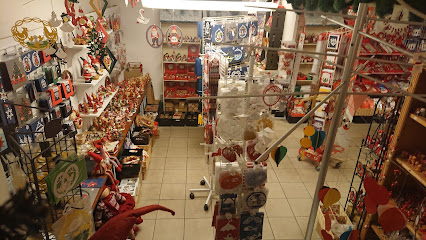
Carmen Copenhagen
0.6 km
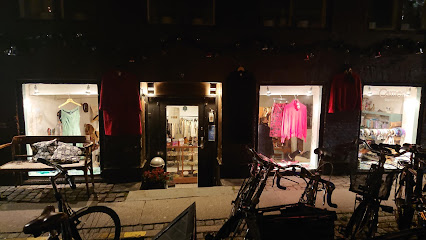
Compact vintage treasure trove in Copenhagen’s Latin Quarter, where characterful clothes, curated racks, and cozy atmosphere turn slow browsing into a small adventure.
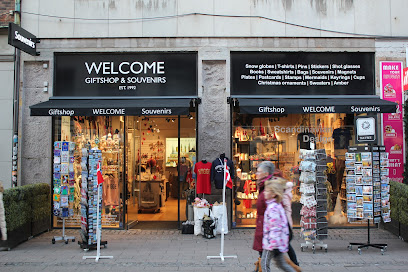
Welcome Giftshop & Souvenirs
0.6 km
Central Copenhagen’s hygge-filled stop for Scandinavian design and classic Danish souvenirs, perfectly placed on Nygade just off Strøget’s busy pedestrian flow.
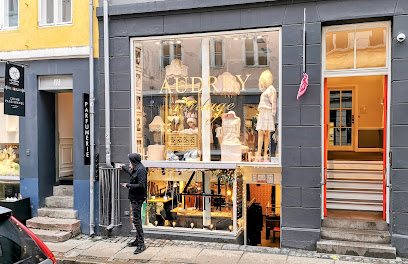
Audrey Vintage
0.6 km
Curated vintage fashion in Copenhagen's heart, where timeless style meets sustainable shopping.
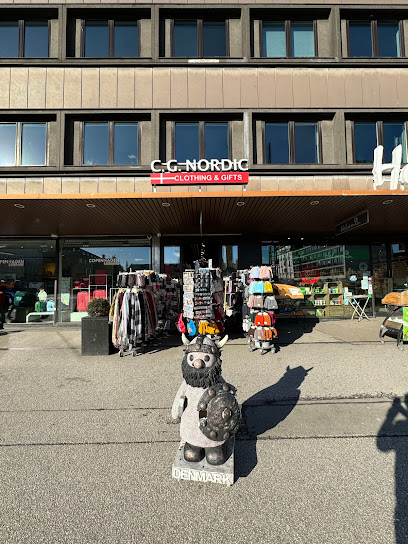
C. G. Nordic clothing and gifts
0.6 km
A small Vesterbro boutique where Nordic clothing, cozy textiles and design-led gifts capture the understated charm of contemporary Scandinavian style.
Akimbo
0.6 km
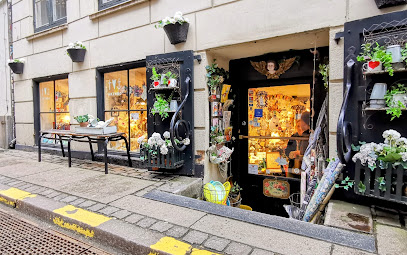
A cosy basement gift shop in Copenhagen’s old town, packed with colourful design, quirky treasures and hygge-infused souvenirs on charming Hyskenstræde.
Duck Haven
0.6 km
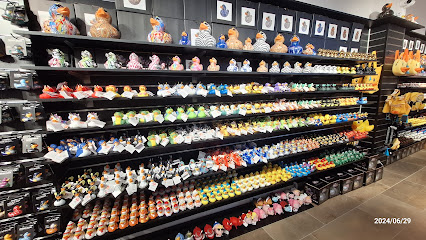
A tiny, colourful shop in Copenhagen’s old town where hundreds of themed rubber ducks turn souvenir hunting into a playful, photo‑worthy detour.
Det Gamle Apotek Copenhagen
0.6 km
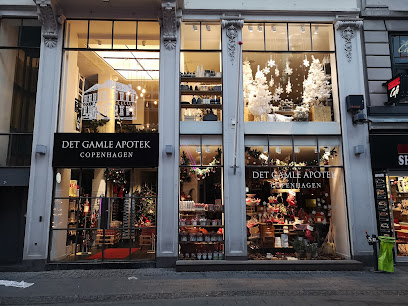
Step off bustling Vimmelskaftet into a nostalgic world of Danish Christmas sparkle, romantic décor and gift-worthy treasures at Det Gamle Apotek Copenhagen.
Wasteland
0.7 km
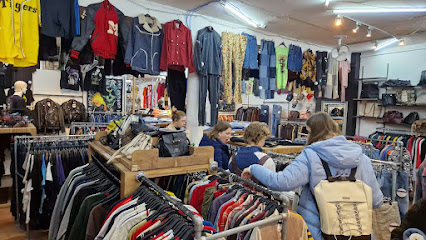
A high-energy vintage hub in Copenhagen’s Latin Quarter, packed with curated 80s, 90s and Y2K streetwear, denim and accessories in a distinctly urban setting.
Essential bars & hidden hideouts

The Marble Bar
0.1 km
An intimate marble-clad cocktail hideaway inside Nobis Hotel Copenhagen, serving Scandinavian-inflected drinks and quiet luxury steps from Tivoli Gardens.
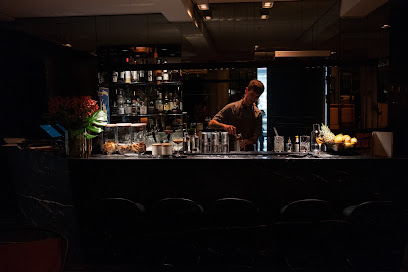
The Storm Inn Copenhagen
0.1 km
Experience the warmth of The Storm Inn in Copenhagen, a cozy pub offering a wide selection of drinks in a welcoming atmosphere.
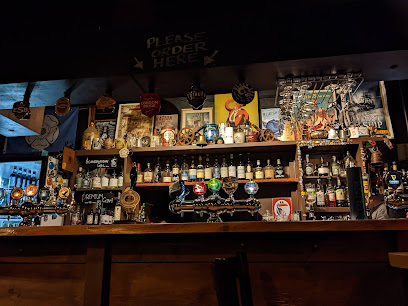
The Rooftop Bar
0.2 km
Compact rooftop oasis atop Hotel Danmark, pairing 360-degree Copenhagen views with cocktails, bubbles and golden-hour sunsets above the city’s historic heart.
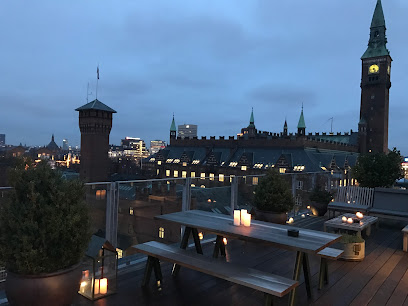
Southern Cross Pub
0.3 km
Two-floor Copenhagen sports pub pouring affordable pints, wall-to-wall live games, and late-night energy in the heart of the inner city.
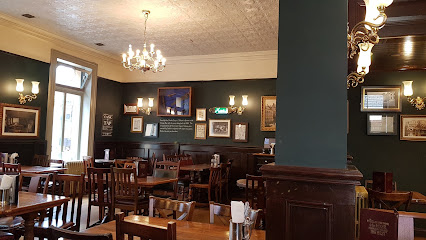
Zefside
0.4 km
Underground cocktail bar by night, pulsing nightclub by dawn—Copenhagen's shape-shifting social hub.
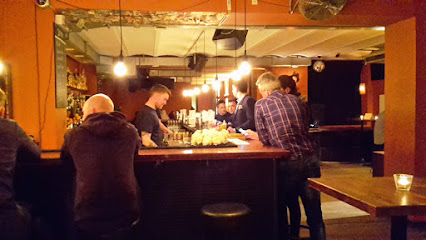
Taphouse
0.4 km
Copenhagen’s modern beer hall, pouring 61 ever‑changing craft taps in a relaxed, Scandinavian setting just steps from the historic city center.
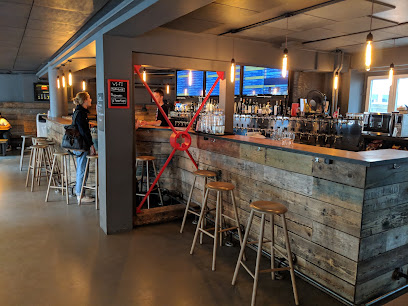
not your USUAL wine bar
0.4 km
Discover wines from the world's forgotten regions in Copenhagen's most unconventional wine bar.
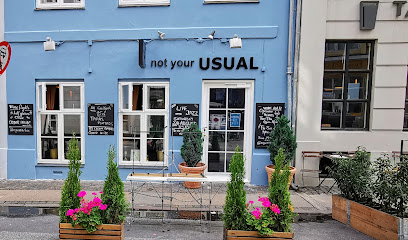
Centralhjørnet
0.4 km
One of Copenhagen’s oldest gay bars, Centralhjørnet is a cosy, festive corner pub where historic LGBTQ+ heritage meets camp décor and easy-going charm.
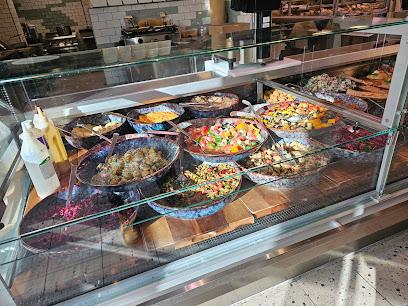
Proud Mary Pub
0.5 km
Loud, lively and central, Proud Mary Pub brings a British-style pub atmosphere, hearty bar food and big beer nights to Copenhagen’s Vesterbrogade.
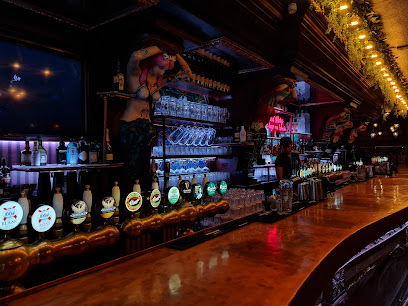
The Scottish Pub
0.5 km
Lively Scottish‑style pub on Copenhagen’s main square, pouring pints and whisky late into the night with music, sports on TV and an easygoing, social crowd.
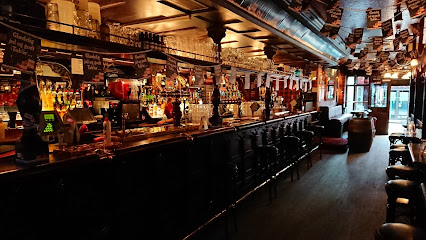
Godt Øl
0.5 km
Cosy basement craft beer bar in Copenhagen’s old town, pouring 12 rotating taps in a low-key, conversation-friendly setting from mid-afternoon until late night.
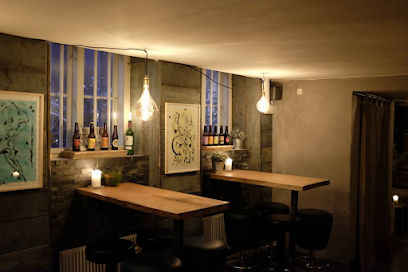
Ruby
0.5 km
An unmarked 18th‑century townhouse on Nybrogade hides Ruby, a quietly glamorous cocktail institution where inventive drinks meet candlelit canal-side charm.
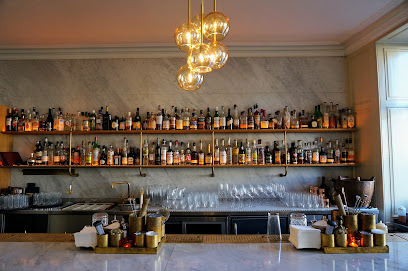
Library Bar
0.5 km
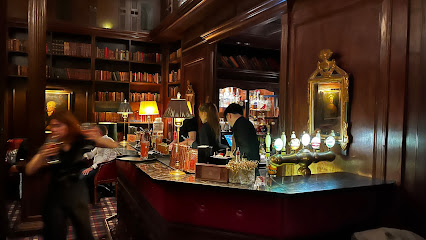
Experience Copenhagen's luxurious Library Bar, where sophisticated cocktails meet an inviting atmosphere, perfect for unwinding after a day of exploration.
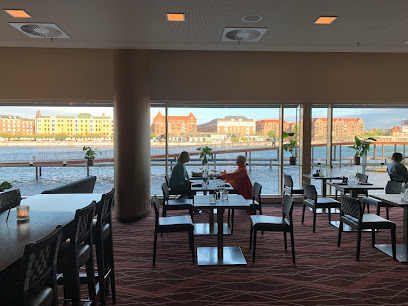
Pier5 Bar
0.5 km
Waterfront cocktails and harbor views in Copenhagen's contemporary hotel bar.
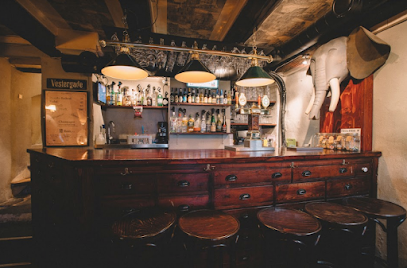
Musen & Elefanten
0.5 km
Smoky, old-school Copenhagen bar and cigar hideaway where classic drinks, worn wood and late-night conversations create a timeless, slightly secret atmosphere.
Nightclubs & after hour spots

Club Mambo
0.2 km
Experience the energetic nightlife of Copenhagen at Club Mambo, a vibrant night club offering salsa dancing, cocktails, and delicious dining.
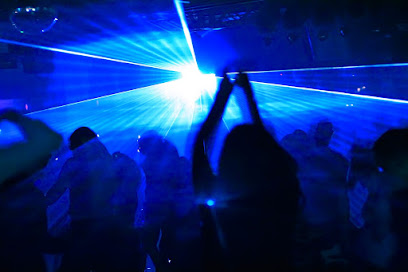
Module
0.5 km
Discover the ultimate nightlife experience at Module Night Club in Copenhagen, where world-class DJs and an electrifying atmosphere await.
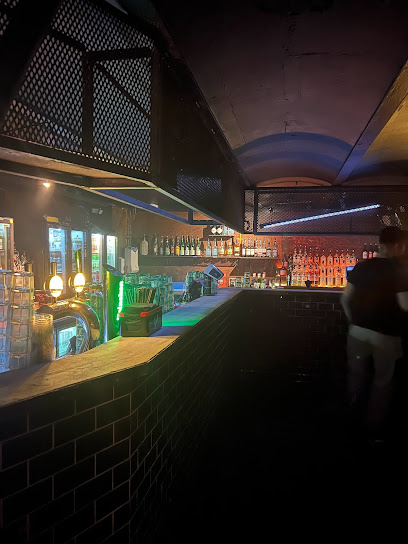
Dorsia
0.5 km
Central Copenhagen nightclub with late‑night DJs, cocktails and an image‑conscious crowd packed into a dark, modern interior off busy Kattesundet.
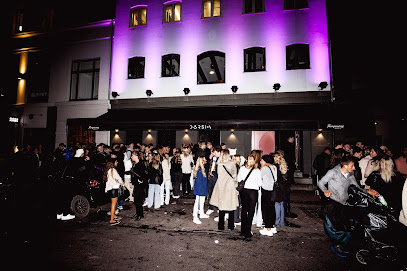
Chateau Motel
0.6 km
Discover the lively nightlife of Copenhagen at Chateau Motel, a top destination for cocktails and dancing in a vibrant atmosphere.
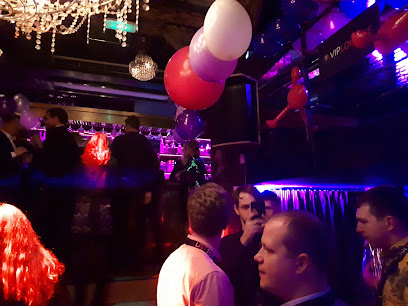
G*A*Y Copenhagen Nightclub
0.6 km
Experience the heart of LGBTQ+ nightlife at G*A*Y Copenhagen Nightclub, where vibrant energy and inclusive atmosphere await every visitor.
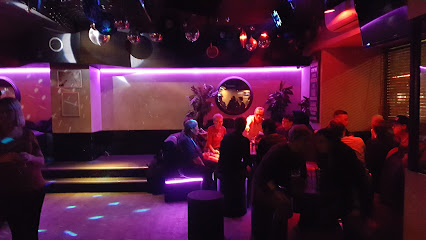
Never Mind
0.6 km
Experience the vibrant nightlife of Copenhagen at Never Mind, where electrifying music meets an eclectic crowd for unforgettable nights.
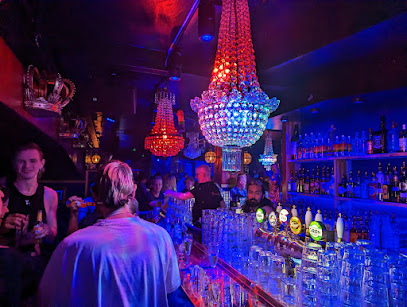
Miami Bar
0.6 km
Discover Copenhagen's nightlife at Miami Bar, where cocktails and dancing create unforgettable nights in a vibrant atmosphere.
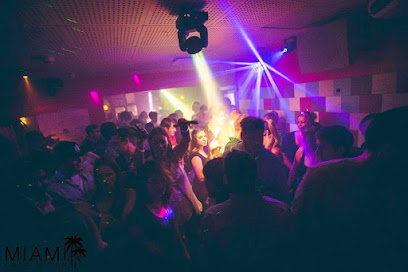
Mirror
0.6 km
Dive into the heart of Copenhagen's nightlife at Mirror, where the rhythm never stops and unforgettable memories are made.
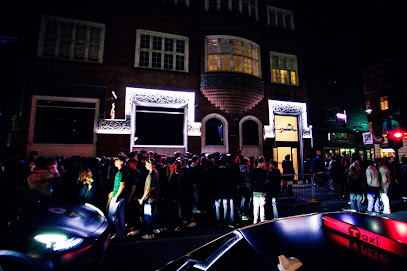
Hive
0.6 km
Copenhagen's premier high-end nightclub with cutting-edge design, VIP service, and immersive themed experiences.
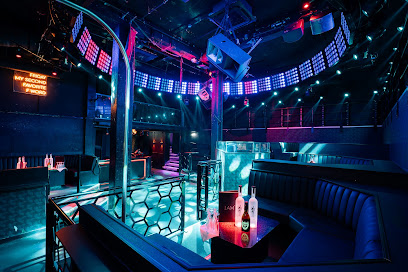
Rumors
0.6 km
Discover the heart of Copenhagen's nightlife at Rumors, where energetic vibes and unforgettable nights await you.
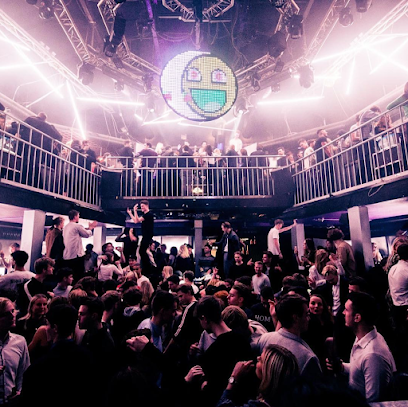
Cosy Bar
0.7 km
Discover the lively atmosphere of Cosy Bar, a top gay nightclub in Copenhagen offering fantastic music, vibrant crowds, and unforgettable nights.
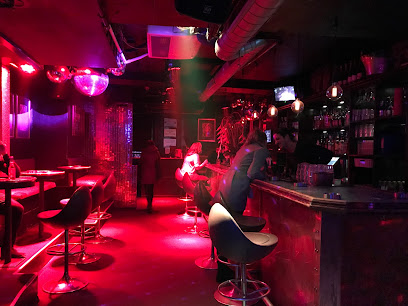
Den Anden Side
0.7 km
Discover the electrifying nightlife of Copenhagen at Den Anden Side, a techno haven for party lovers and night owls.
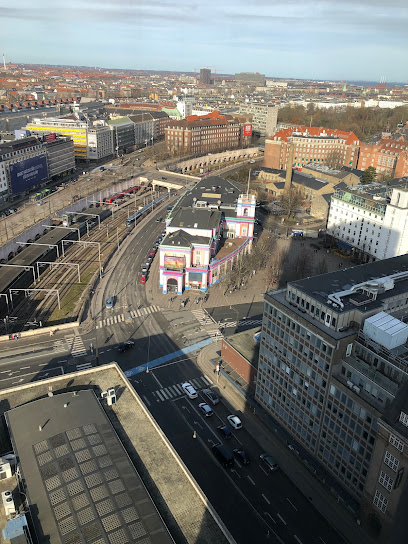
La Terraza
0.7 km
Compact nightclub on Studiestræde in Copenhagen’s old town, offering loud beats, straightforward drinks and an unpretentious late-night dance floor.
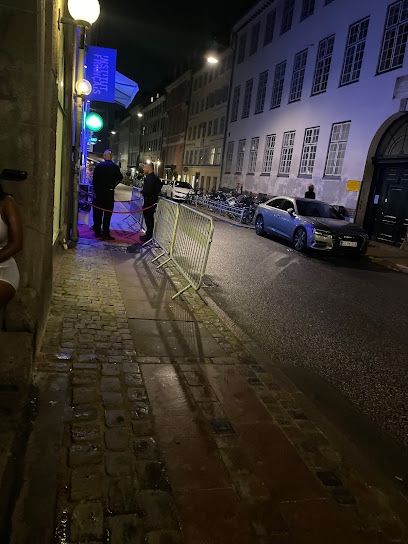
CristalClubCopenhagen
0.8 km
Dive into Copenhagen's nightlife at Cristal Club, where upscale ambiance meets electrifying music and unforgettable experiences.
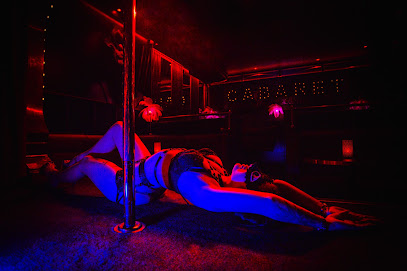
Baggen
0.9 km
Discover the electrifying atmosphere of Baggen, where Copenhagen's nightlife comes alive with vibrant music and unforgettable experiences.
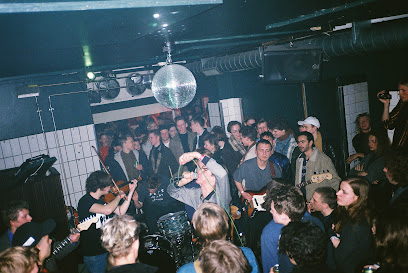
For the vibe & atmosphere seeker
- Relaxing
- Tranquil
- Zen
- Scenic
- Unique
- Casual
- Boutique
For the design and aesthetic lover
- Modern Designs
- Vintage Styles
- Rustic Designs
For the architecture buff
- Historic
- Modern
- Landmarks
- Art & Design
- Sacred Sites
For the view chaser and sunset hunter
- Iconic Views
- Panoramas
- Skyline
For the social media creator & influencer
- Instagrammable
- Photo Spots
- Selfie Spots
- Aesthetic Corners
- Reel-Friendly
- Architectural Shots
For the eco-conscious traveler
- Public-Transport Accessible
- Low Impact
- Car-Free Access
For the kind of experience you’re after
- Mindfulness
- Meditation Spot
- Spiritual / Energy Spot
- Cultural Heritage
- Photowalk
- Adventure Photo Shoot
- Day Trip
- Weekend Getaway
For how adventurous you want the journey to be
- Easy Access
Location Audience
- Family Friendly
- LGBT Friendly
- Senior Friendly
- Child Friendly
- Teen Friendly
- Wheelchair Access
- Solo Friendly
- Couple Friendly
- Solo Female Friendly
- Vegetarian Friendly
- Vegan Friendly
- Business Friendly


