Sophienholm, Copenhagen Travel Guide
Romantic country house turned lakeside art hall, where classical architecture, Golden Age stories and a leafy park by Bagsværd Lake meet just outside Copenhagen.
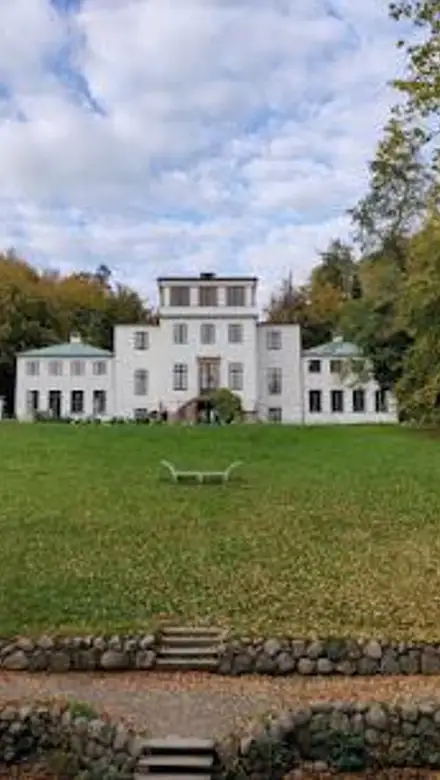
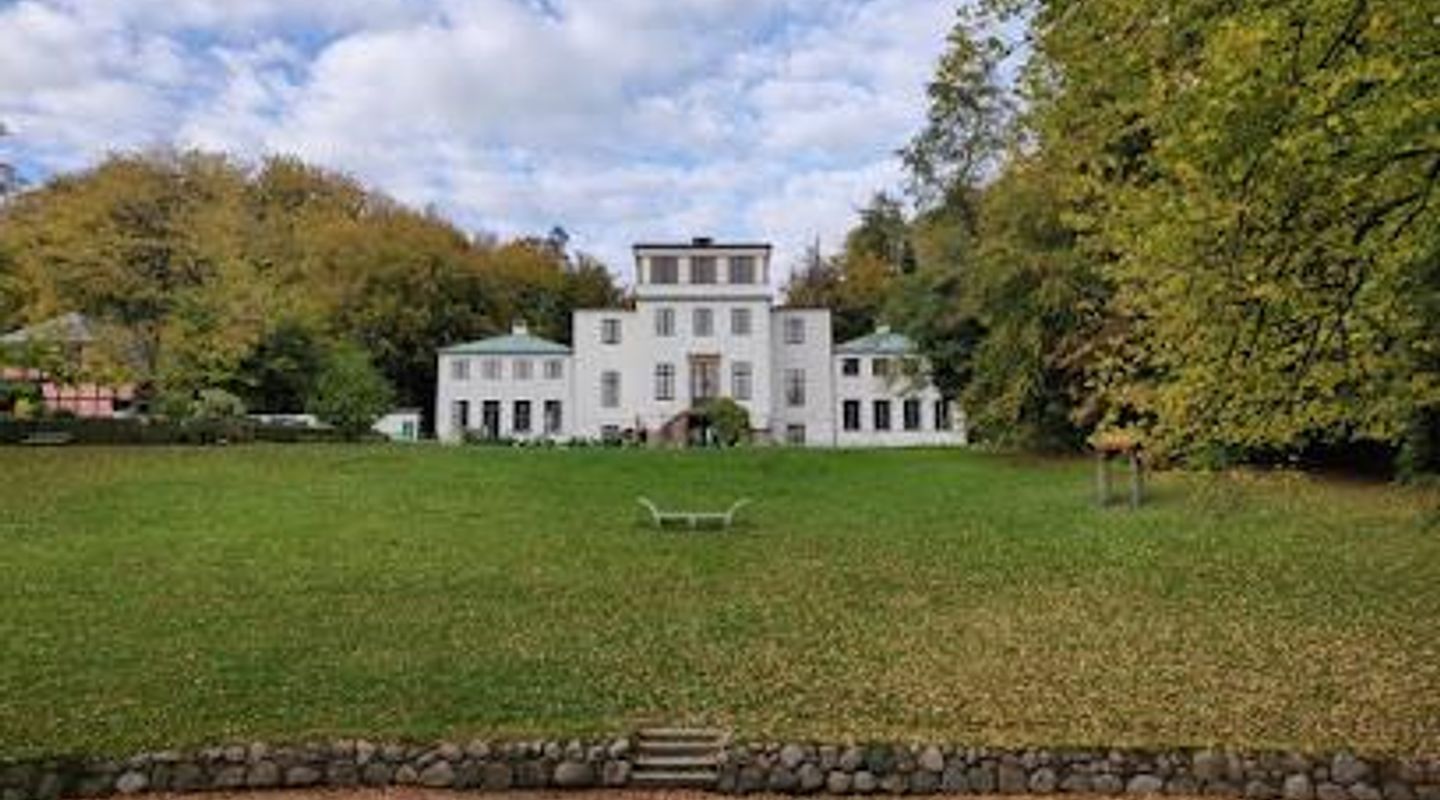
Sophienholm is an elegant 18th‑century country house turned art hall, set in a romantic landscape park on the shores of Bagsværd Lake in Kongens Lyngby, just north of Copenhagen. Once a celebrated gathering place of the Danish Golden Age, it now hosts changing art exhibitions, a café and outdoor sculptures, blending classical architecture, cultural history and tranquil lakeside scenery in one compact, rewarding stop.
A brief summary to Sophienholm
- st, Nybrovej 401, Lyngby, 2800, DK
- Click to display
- Duration: 1.5 to 4 hours
- Mid ranged
-
 Mixed
Mixed
- Mobile reception: 4 out of 5

Know before you go
Hi, I'm Eve. Here are a few practical things to know before exploring Sophienholm.
- Check exhibition dates and opening hours in advance; the park is generally accessible longer hours than the indoor galleries.
- Allow time to explore both the main house and the CoBrA Room in the former stable buildings to appreciate the contrast between classical and modern art.
- Bring comfortable shoes and, if the weather is good, plan a slow loop through the lakeside park to see the outdoor sculptures and viewpoints.
- Combine your visit with a coffee or light meal in the on-site café, which offers relaxing views over the lawns and the lake.
- If you prefer quieter galleries, aim for weekday mornings outside Danish school holidays, when the grounds and exhibition spaces are usually calmer.
Do you manage this location?
Take control to get all the benefits, like improved information, better appearance, and stronger visibility across AI-powered discovery. Learn more about listing your business on Evendo
Activate your presenceOther nearby places you may find interesting
The closest places of the same kind, if this one is not quite what you had in mind.

Explore Sophienholm on the Map
A handpicked selection of must-see spots near Sophienholm, mapped for you.
Getting There
-
S-Train and bus from central Copenhagen
From central Copenhagen, take the S-Train line to Lyngby Station, a journey of about 20–25 minutes. From there, local buses toward Nybrovej run regularly and reach the stop closest to Sophienholm in roughly 10–15 minutes, followed by a short, mostly level walk through a residential area and greenery. A standard two-zone ticket within Greater Copenhagen typically costs around 24–30 DKK one way. Buses and trains run frequently during the day, with reduced frequency late evenings and on some holidays.
-
Regional bus from northern Copenhagen suburbs
If you are already in the northern suburbs, use regional or local buses that serve the Lyngby–Bagsværd corridor and stop along Nybrovej. Travel times range from 10–30 minutes depending on your starting point and route. Expect to pay around 24–30 DKK for most single journeys within two to three zones. Services are generally reliable, but evening and weekend timetables can be less frequent, so it is worth checking departure times in advance.
-
Cycling within Greater Copenhagen
Sophienholm lies within comfortable cycling distance for many visitors staying in Copenhagen or the northern suburbs. A ride from central Copenhagen typically takes 35–50 minutes, following a mix of dedicated bike lanes and quieter roads, with gentle hills as you approach the lake area. City bike rentals and hotel bikes usually cost from about 100–150 DKK per day. Surfaces are mostly paved, but be prepared for occasional gravel paths near the park, and dress for changeable coastal weather.
-
Taxi or rideshare from Copenhagen center
Taking a taxi or rideshare from central Copenhagen directly to Sophienholm usually takes 20–30 minutes, depending on traffic. Fares typically range from about 250–400 DKK one way for up to four passengers. This option is convenient if you are travelling with luggage or have limited mobility, as you can be dropped off close to the entrance, but costs are significantly higher than public transport and prices may rise at peak times or late at night.
For the on-the-go comforts that matter to you
-
 Restrooms
-
 Drink Options
-
 Food Options
-
 Seating Areas
-
 Sheltered Areas
-
 Picnic Areas
-
 Trash Bins
-
 Information Boards
-
 Visitor Center
Discover more about Sophienholm
A lakeside country house with a Golden Age soul
Sophienholm is a former country estate perched above the tree-fringed shores of Bagsværd Lake, a short hop from central Copenhagen yet surrounded by greenery and water. Originally built in 1768–69 for Theodor Holmskiold, director of the Danish postal service, the house was named after his wife Sophie and soon became one of the area’s most refined retreats. Later owners expanded and reshaped the property, but its essence as a cultured refuge just outside the capital has remained.From the outside, Sophienholm still reads as a classic landsted – a country house designed as much for leisure and conversation as for everyday living. It feels intimate in scale compared with city palaces, but carefully composed, with balanced wings, tall windows and views that always lead your eyes back to trees, lawns and water.Classical architecture framed by an English romantic park
Around 1800 the wealthy merchant Constantin Brun commissioned French architect Joseph-Jacques Ramée to transform Sophienholm, giving it the strict French classicist look that defines the main building today. Clean lines, clear symmetry and restrained decoration contrast beautifully with the softer, rolling landscape outside. Ramée also redesigned the grounds in the style of an English landscape garden, complete with winding paths, open lawns and orchestrated sightlines towards the lake.The park still carries touches of those romantic ambitions. Historic features such as the porter’s lodge, a former Norwegian house and a Chinese pavilion once added an almost theatrical quality to walks through the estate, and while not all original garden structures survive, the sense of curated nature is unmistakable. Mature trees, long views across the water and scattered sculptures make the grounds as much an open-air gallery as a simple picnic setting.Salons, artists and the spirit of the Danish Golden Age
Sophienholm’s most storied chapter belongs to Constantin Brun’s wife, Friederike Brun, a writer and cosmopolitan salon hostess. In the early 1800s she turned the estate into a lively cultural meeting place, inviting leading figures of the Danish Golden Age – poets, composers and thinkers – to summer stays filled with readings, music and conversation. Names such as Adam Oehlenschläger and other literary contemporaries found inspiration here, and the house and park slipped into poems and songs of the era.This salon culture gave Sophienholm an unusual blend of domestic intimacy and intellectual ambition. It was a private home, yet also a stage for ideas, performances and artistic experimentation. Echoes of that period linger in the way the rooms are used today: not as static historic interiors, but as flexible spaces where art and dialogue continue to unfold.From private estate to public art hall
In the late 19th century the Aller publishing family took over the estate, and in 1963 Sophienholm passed into public ownership under Lyngby-Taarbæk Municipality. After careful restoration, the house reopened as an art venue, and it now functions as a kunsthal – an exhibition hall for changing shows rather than a fixed collection. Exhibitions span Danish contemporary art, historical themes and curated projects that often resonate with the building’s heritage.A highlight is the CoBrA Room in the former stable buildings, where a ceiling connected to the experimental CoBrA art movement links Sophienholm’s Golden Age past with 20th-century avant-garde energy. Outdoor sculptures punctuate the lawns and paths, and temporary installations occasionally spill into the park, making a walk here as visually engaging as a tour through the galleries inside.Visiting today: art, café and slow strolls by the water
Today Sophienholm is equal parts cultural venue and peaceful escape. Inside, light-filled rooms host two to five major exhibitions a year, alongside smaller shows and events such as talks, workshops and concerts. The on-site café makes good use of the lake views, encouraging long pauses between gallery visits.Outside, the park is freely accessible and invites unhurried wandering along the shoreline, with benches, gentle slopes and shaded corners that suit both quiet reflection and relaxed family outings. Whether you come primarily for art, architecture, a lakeside walk or a mixture of all three, Sophienholm offers a compact slice of Danish cultural history wrapped in greenery and water views, easily fitted into a half-day or leisurely afternoon.












Your all‑in‑one travel companion app
Explore expert travel guides, compare and book tours, experiences, hotels, and more—all from the palm of your hand. Download now for seamless trip planning wherever your wanderlust takes you.


Explore More of Copenhagen
Looking beyond Sophienholm? Discover Copenhagen for broader travel guides, local hot-spots, and regional highlights.
Explore Copenhagen
A tranquil woodland lake looped by a 10 km trail, rich in birdlife, legends and gentle outdoor adventures just northwest of Copenhagen.

Long, tranquil lake on Copenhagen’s northern fringe, where everyday walks, picnics and wildlife share the shoreline with a world-class rowing course.