
The King's Garden, Copenhagen Travel Guide
Denmark's oldest royal garden where four centuries of Danish heritage meet vibrant modern city life.
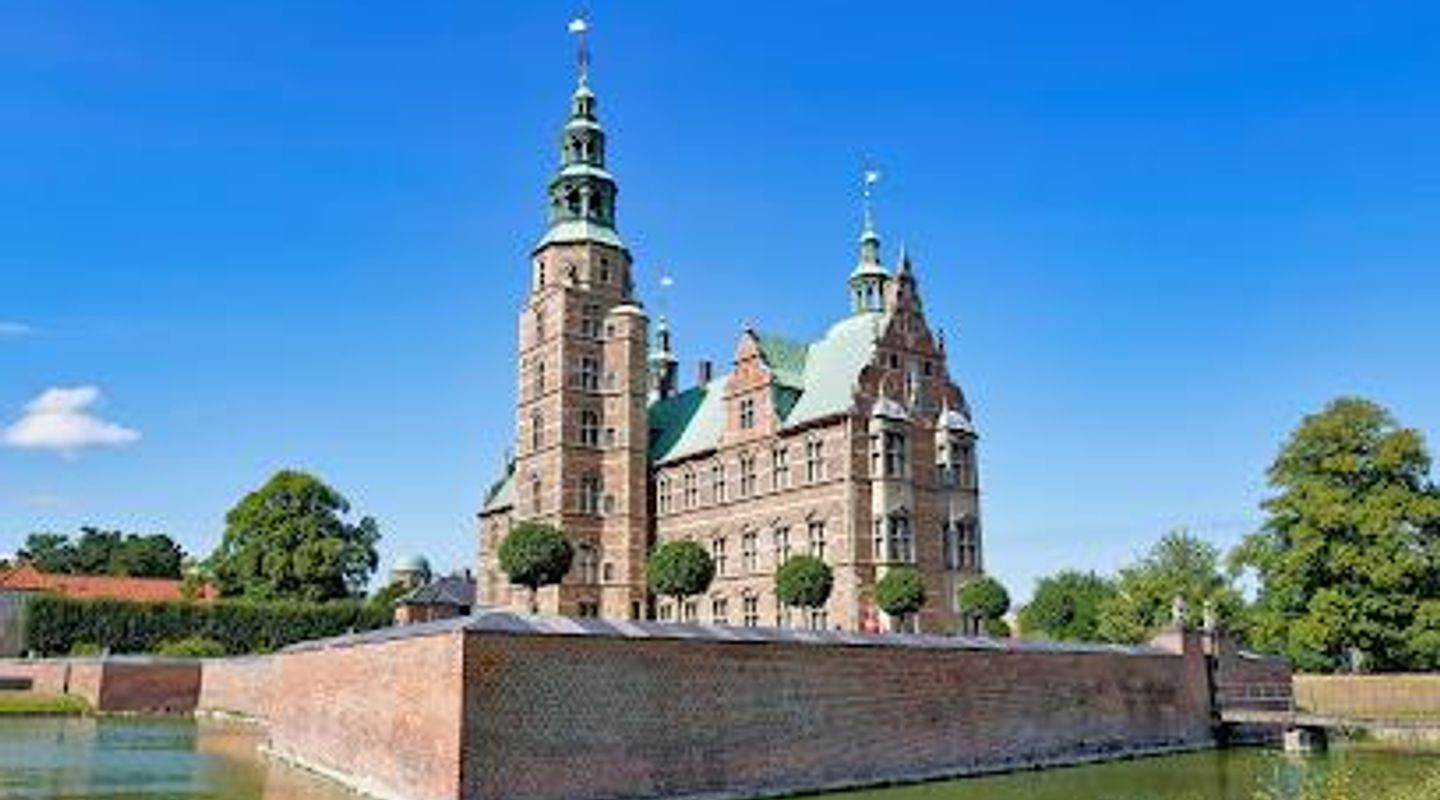
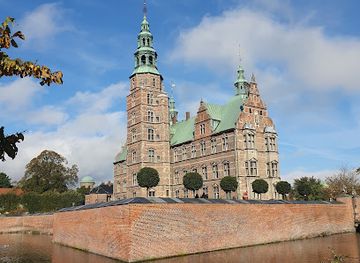
Denmark's oldest and most visited public park, established in 1606 by King Christian IV, The King's Garden (Kongens Have) spans 12 hectares of meticulously maintained Renaissance and Baroque landscapes in central Copenhagen. Home to the iconic Rosenborg Castle, which houses the Danish Crown Jewels, the garden features tree-lined avenues, formal flowerbeds, and the famous 240-meter English herbaceous border. Free to enter and open daily from 7 AM to 5 PM, it attracts 2.5 million visitors annually seeking picnics, cultural events, and a living connection to four centuries of Danish royal heritage.
A brief summary to The King's Garden
- Øster Voldgade 4A, Copenhagen, Indre By, 1307, DK
- Click to display
- Duration: 1 to 3 hours
- Free
-
 Outdoor
- Mobile reception: 5 out of 5
- Monday 7 am-5 pm
- Tuesday 7 am-5 pm
- Wednesday 7 am-5 pm
- Thursday 7 am-5 pm
- Friday 7 am-5 pm
- Saturday 7 am-5 pm
- Sunday 7 am-5 pm

Know before you go
Hi, I'm Eve. Here are a few practical things to know before exploring The King's Garden.
- Arrive early at Rosenborg Castle (opens 10 AM in winter, 9 AM in summer) to avoid long queues; timed entry tickets are required and peak season slots sell out. Book online in advance when possible.
- Visit in early spring to witness the spectacular crocus displays in front of Rosenborg Castle, or in late spring through autumn to enjoy the 240-meter English herbaceous border at peak bloom.
- Bring a picnic from nearby supermarkets; while the Hercules Pavilion offers refreshments, dining options within the garden are limited. Numerous seating areas and lawns provide perfect picnic spots.
- Explore the Knight's Path and Lady's Path diagonal avenues for the most photogenic perspectives, and don't miss the Krumspringet Renaissance maze garden completed in 2001.
- Plan 2–3 hours total: allow 1–2 hours for Rosenborg Castle interior and 1–2 hours for leisurely garden exploration, sculptures, and pavilion visits.
Do you manage this location?
Take control to get all the benefits, like improved information, better appearance, and stronger visibility across AI-powered discovery. Learn more about listing your business on Evendo
Activate your presenceOther nearby places you may find interesting
The closest places of the same kind, if this one is not quite what you had in mind.

Explore The King's Garden on the Map
A handpicked selection of must-see spots near The King's Garden, mapped for you.
Unlock the Best of The King's Garden
Buy tickets
-
No tickets available
Book tours with entry


Getting There
-
Metro + Walking
Take the Copenhagen Metro to Nørreport Station (Red or Yellow Line), approximately 5–8 minutes from central Copenhagen. Exit and walk 3–5 minutes to the garden entrance at Øster Voldgade. This is the most direct and popular option. No cost beyond standard metro fare (approximately 24–36 DKK for a single journey within the city zone).
-
Bicycle
Rent a bicycle from any of Copenhagen's numerous bike-sharing stations (approximately 30–80 DKK per journey or 80 DKK daily pass). Cycle to the garden via dedicated bike lanes; travel time is 10–15 minutes from Nyhavn or central areas. Bike parking is available throughout the garden.
-
Walking
Walk from central Copenhagen (Nyhavn, Strøget, or Amalienborg Palace area) in 15–25 minutes depending on starting point. The garden is centrally located and well-signposted. Terrain is flat and urban; no special footwear required.
-
Bus
Multiple bus routes serve the area surrounding the garden (routes 1A, 6A, 14, 15, 26, 27, 28, 29, 40, 42, 43, 184, 185, 186). Journey time varies from 10–20 minutes depending on origin and route. Standard bus fare applies (approximately 24–36 DKK for single journey within city zone).
For the on-the-go comforts that matter to you
-
 Restrooms
-
 Drink Options
-
 Drinking Water
-
 Food Options
-
 Seating Areas
-
 Sheltered Areas
-
 Picnic Areas
-
 Trash Bins
-
 Information Boards
Discover more about The King's Garden
Four Centuries of Royal Vision and Public Legacy
The King's Garden emerged from the ambitious vision of King Christian IV in 1606, when he commissioned a pleasure garden and summer residence on land outside Copenhagen's East Rampart. Originally designed in the French Renaissance style with symmetrical layouts and ornamental flowerbeds, the garden was initially reserved exclusively for the royal family and court elite. By the 1660s, it had been redesigned in the Baroque style, featuring an intricate garden maze, long tree-lined avenues, and an octagonal pavilion at its center. The garden's transformation from private royal domain to beloved public space occurred gradually; by the early 18th century, the Danish royals had shifted their favor to other residences, and the garden was eventually opened to the public around 1770, becoming a cherished gathering place for all Copenhageners.Architectural Splendor and Landscape Design
Rosenborg Castle stands as the garden's crowning jewel—a magnificent Dutch Renaissance palace that began as a modest summerhouse and evolved into one of Scandinavia's most significant royal residences. The castle operated as the primary royal home from 1606 until 1710 and now functions as a museum housing the Royal Danish Collection, including the nation's Crown Jewels and Royal Regalia displayed in secure vaults beneath the building. The garden itself showcases masterful landscape architecture, with its original structure remaining remarkably intact despite centuries of evolution. Key features include the Knight's Path (Kavalergangen) and the Lady's Path (Damegangen)—diagonal avenues that frame the garden's circulation—alongside formal parterre gardens that serve as intimate outdoor rooms. The Hercules Pavilion, refurbished in 1999 as a café and cultural venue, dates from the garden's founding and has served numerous purposes throughout its history, from hermitage to concert venue.Northern Europe's Longest Herbaceous Border
Among the garden's most celebrated features is its renowned English Garden, which contains what is described as Northern Europe's longest herbaceous border—stretching an impressive 240 meters with stunning flower displays from early spring through autumn. Inspired by English mixed border traditions, this horticultural masterpiece showcases the garden's commitment to blending formal Renaissance geometry with naturalistic planting schemes. In 2001, a symmetrical Renaissance-style garden named Krumspringet (meaning "the caper" or "dodge") was completed as a contemporary interpretation of the 17th-century maze depicted in historical plans. This modern addition pays homage to the garden's historical elements while providing visitors with a circuitous path system designed to facilitate unexpected encounters and discoveries. Throughout the 12 hectares, visitors encounter meticulously tended formal gardens, generous greenswards, tree-lined pathways, and seasonal plantings including early spring crocuses that create spectacular displays in front of Rosenborg Castle.A Living Monument to Danish Culture
Today, The King's Garden functions as far more than a historical artifact—it is a vibrant civic space where four centuries of Danish culture and leisure intersect seamlessly with contemporary urban life. Attracting approximately 2.5 million visitors annually, the garden welcomes families, students, artists, joggers, and locals seeking respite in the heart of Copenhagen. Children play in shaded playgrounds, couples relax on the lawns, art lovers admire sculptures dotting the grounds, and cultural events animate the space throughout the year. The garden's ability to honor its royal past while embracing modern Copenhagen life exemplifies the city's character. Free and open to all, with daily hours from 7 AM to 5 PM, the garden offers an unforgettable escape that combines historical significance with everyday accessibility, making it an essential experience for understanding both Denmark's royal heritage and Copenhagen's identity as a livable, culturally rich capital.












Your all‑in‑one travel companion app
Explore expert travel guides, compare and book tours, experiences, hotels, and more—all from the palm of your hand. Download now for seamless trip planning wherever your wanderlust takes you.


Explore More of Copenhagen
Looking beyond The King's Garden? Discover Copenhagen for broader travel guides, local hot-spots, and regional highlights.
Explore Copenhagen
University-based museum of geology, zoology, and botany set beside Copenhagen’s Botanical Garden, linking scientific collections with the living world outside.

Scandinavia's premier Islamic art museum, housed in a historic townhouse with free admission year-round.
