Frederiksberg Palace, Copenhagen Travel Guide
A golden Baroque hilltop palace above Frederiksberg Gardens, where royal intrigue, landscape artistry and modern military life quietly share the same grand stage.
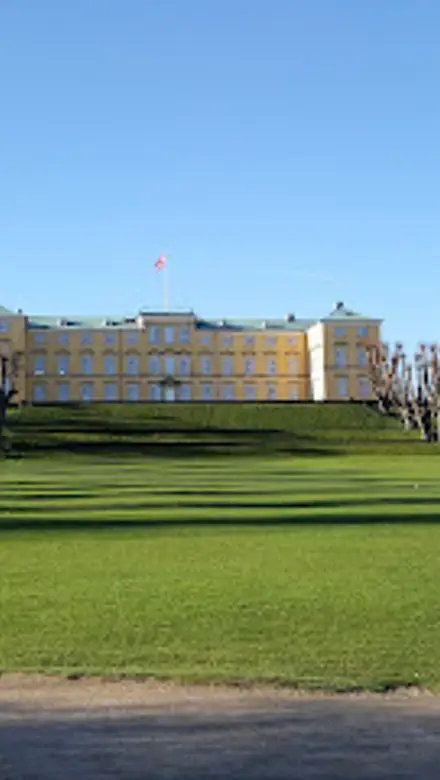
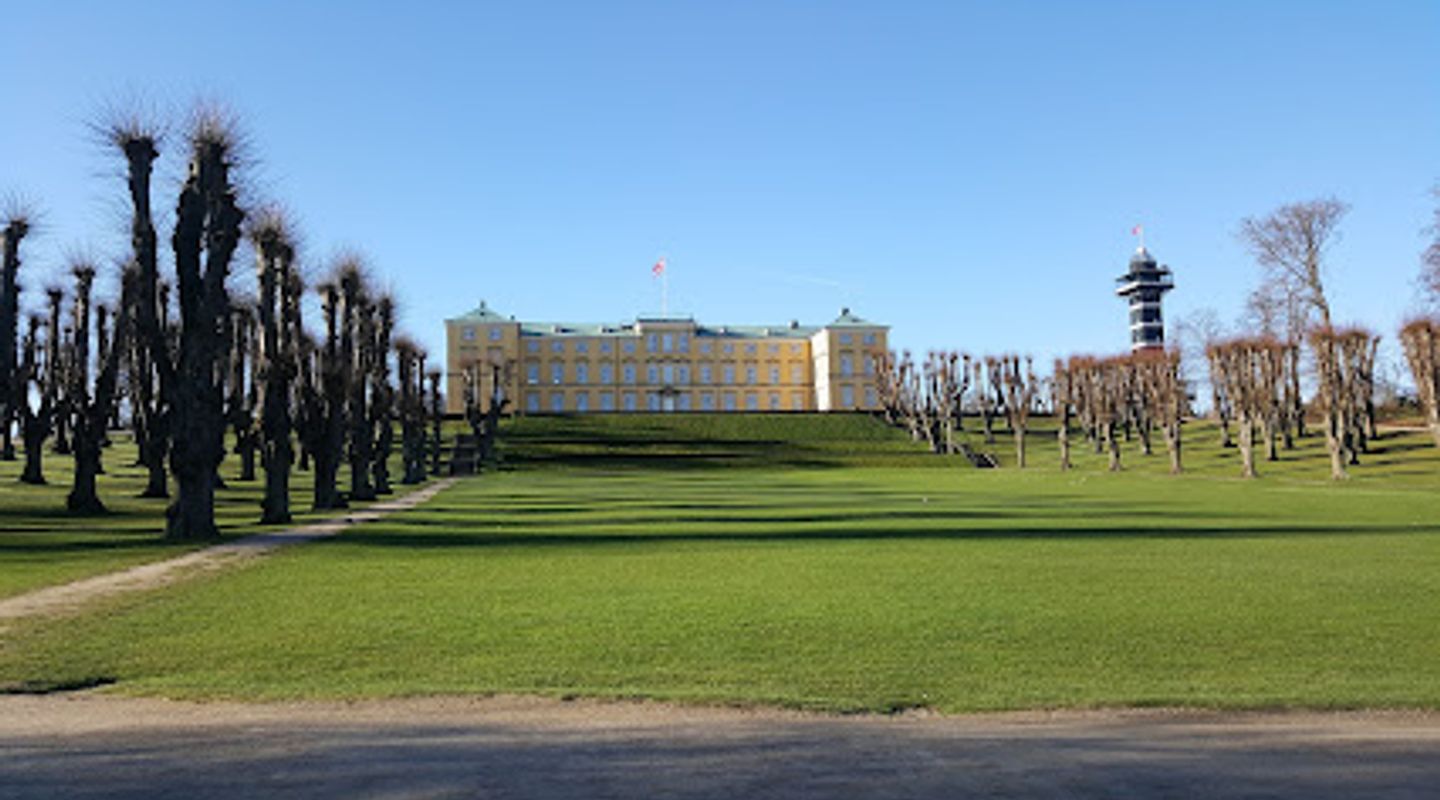
Perched on a gentle hill above leafy Frederiksberg Gardens, Frederiksberg Palace is a stately Baroque residence that once served as the summer retreat for Denmark’s kings. Its warm yellow facades, dark roofline and forest of chimneys form a striking backdrop to the surrounding lawns, lakes and winding paths. Today the building houses the Royal Danish Military Academy, so interior access is limited to guided tours, but the palace’s dramatic silhouette, royal stories and sweeping views make it a compelling stop in Copenhagen’s greenest corner.
A brief summary to Frederiksberg Palace
- Roskildevej 28 A, Frederiksberg C, Frederiksberg C, 2000, DK
- Click to display
- Click to display
- Duration: 1.5 to 3 hours
- Free
-
 Outdoor
- Mobile reception: 5 out of 5

Know before you go
Hi, I'm Eve. Here are a few practical things to know before exploring Frederiksberg Palace.
- Plan time to explore Frederiksberg Gardens and Søndermarken as well as viewing the palace; the hilltop terrace offers some of the area’s best panoramas.
- Check in advance for the monthly guided tour dates if you hope to see the palace interior; tours are limited and involve many stairs.
- Wear comfortable shoes, as the approach to the palace involves a steady uphill walk and the surrounding park paths can be uneven in places.
- Combine a palace-and-park stroll with a visit to nearby Copenhagen Zoo or the underground Cisternerne art space in Søndermarken.
Do you manage this location?
Take control to get all the benefits, like improved information, better appearance, and stronger visibility across AI-powered discovery. Learn more about listing your business on Evendo
Activate your presenceOther nearby places you may find interesting
The closest places of the same kind, if this one is not quite what you had in mind.


Explore Frederiksberg Palace on the Map
A handpicked selection of must-see spots near Frederiksberg Palace, mapped for you.
Unlock the Best of Frederiksberg Palace
Buy tickets
-
No tickets available
Book tours with entry
-
No tours available
Book tours without entry

Getting There
-
Metro and walk from central Copenhagen
From central Copenhagen, take the M1 or M2 metro line to Frederiksberg Station, then walk for about 15–20 minutes through the urban neighborhood and into Frederiksberg Gardens, following the main paths uphill toward the palace. The metro ride takes around 5–10 minutes from the inner city, with frequent departures throughout the day, and is covered by regular zone tickets or city travel cards.
-
Bus from city centre to Frederiksberg Gardens
Several city bus routes run from central Copenhagen toward Frederiksberg Gardens and the zoo area, typically taking 15–25 minutes depending on traffic. From stops along Roskildevej or Smallegade, it is a 5–10 minute walk on gently sloping paths to reach the palace hill. Buses use the same zone-based tickets as the metro, so a standard city fare is sufficient, and services run at regular intervals during daytime and early evening.
-
Cycling from inner Copenhagen
Cycling from the inner city to Frederiksberg Palace usually takes 15–25 minutes, using Copenhagen’s extensive network of segregated bike lanes. The route is mostly flat until you reach Frederiksberg Hill, where there is a short but manageable climb. Public bike‑share schemes and rental bikes are widely available in central districts, and cycling offers flexibility to explore Frederiksberg Gardens and nearby attractions at your own pace.
For the on-the-go comforts that matter to you
-
 Restrooms
-
 Drink Options
-
 Drinking Water
-
 Food Options
-
 Seating Areas
-
 Sheltered Areas
-
 Picnic Areas
-
 Trash Bins
-
 Information Boards
-
 Visitor Center
Discover more about Frederiksberg Palace
Royal retreat on Frederiksberg Hill
Frederiksberg Palace crowns one of Copenhagen’s highest points, looking out across the broad lawns, lakes and tree-lined paths of Frederiksberg Gardens. The long, low, ochre-yellow façade and dark, hipped roof give the building a powerful horizontal presence, emphasized by tall chimneys and symmetrically arranged windows. From the terrace in front of the palace, the view drops away over the gentle slope of the park, with sinuous canals and romantic bridges drawing the eye toward the city skyline.Commissioned in the early 1700s by King Frederik IV as a summer residence away from Christiansborg, the original building was relatively modest. A few years later it was expanded into the commanding H‑shaped palace you see today, inspired by Italian Baroque villas the king admired on his travels. The location was carefully chosen: high enough to catch breezes, close enough to court life in central Copenhagen, yet enveloped in greenery and ornamental gardens.Dramatic lives behind the yellow walls
Although the palace is now the sober home of the Royal Danish Military Academy, its past is filled with royal drama. King Christian VI made it his permanent residence for a time, and the complex later became closely associated with his son, the mentally ill King Christian VII. Here, Christian VII lived with Queen Caroline Mathilde, whose relationship with the royal physician Johan Friedrich Struensee became one of the most famous scandals in Danish history.In the palace basement, hidden from the formality of court life, Caroline Mathilde’s marble bathroom and mirrored room once offered a rare private sanctuary. The building also witnessed key dynastic moments, including the birth of the future King Frederik VI in the late 18th century. When the royal family finally left in 1852, the palace’s era as an intimate royal home came to an end, and by 1869 it had been adapted for officer training, a role it still plays today.Baroque architecture in a green amphitheatre
Architecturally, Frederiksberg Palace is a textbook example of Baroque ideals translated into a northern climate. The structure’s balanced composition, central projection and rhythm of pilasters and window bays all speak to a desire for order and grandeur. Yet the warm plaster tones and relatively restrained ornamentation give it a softer, almost domestic character compared with the more exuberant palaces of southern Europe.What sets the palace apart is the way it interacts with its setting. The building stands at the top of a broad, grassed slope that functions almost like a natural amphitheatre, focusing attention on the facades above. Behind and around it, the former Baroque gardens were reshaped into an English-style landscape park, with serpentine paths, irregular tree clusters and carefully composed views back to the palace. Architectural features such as the Chinese Summerhouse and the Apis Temple punctuate the greenery, adding an exotic note to the scene.From formal gardens to romantic parkland
The gardens you see spreading out from the hill began in the early 18th century as rigidly formal parterres. Around the turn of the 19th century, they were transformed into a landscape garden in the English style, echoing the changing tastes of the age. Straight avenues softened into curving paths, and ornamental canals were reshaped into apparently natural lakes and streams.As you wander the lawns below the palace, you encounter shaded groves, open meadows and quiet waterside stretches inhabited by ducks and herons. Sightlines are carefully choreographed so that the palace’s yellow bulk appears and disappears among trees, reminding you that this is not wild countryside but a designed environment. Near the main entrance, horticultural displays and carefully curated planting beds underline the site’s long link with garden design and plant collecting.Experiencing the palace today
Because the building serves as the Royal Danish Military Academy, interior access is usually restricted to occasional guided tours, often held on specific Saturdays outside summer and winter breaks. These tours reveal ornate rooms, a Baroque chapel and historical spaces associated with the 18th‑century royal residents, but require advance planning and involve many stairs.Even without stepping inside, a visit rewards you with a rich sense of place. The approach up the hill, the sweep of the terrace, and the interplay between palace and park convey centuries of royal ambition, personal drama and evolving landscape design. With Copenhagen Zoo on one side and the more wooded Søndermarken park on the other, Frederiksberg Palace forms the dignified, historical anchor of a wider green district that many travelers weave into a relaxed half‑day outdoors.












Your all‑in‑one travel companion app
Explore expert travel guides, compare and book tours, experiences, hotels, and more—all from the palm of your hand. Download now for seamless trip planning wherever your wanderlust takes you.


Explore More of Copenhagen
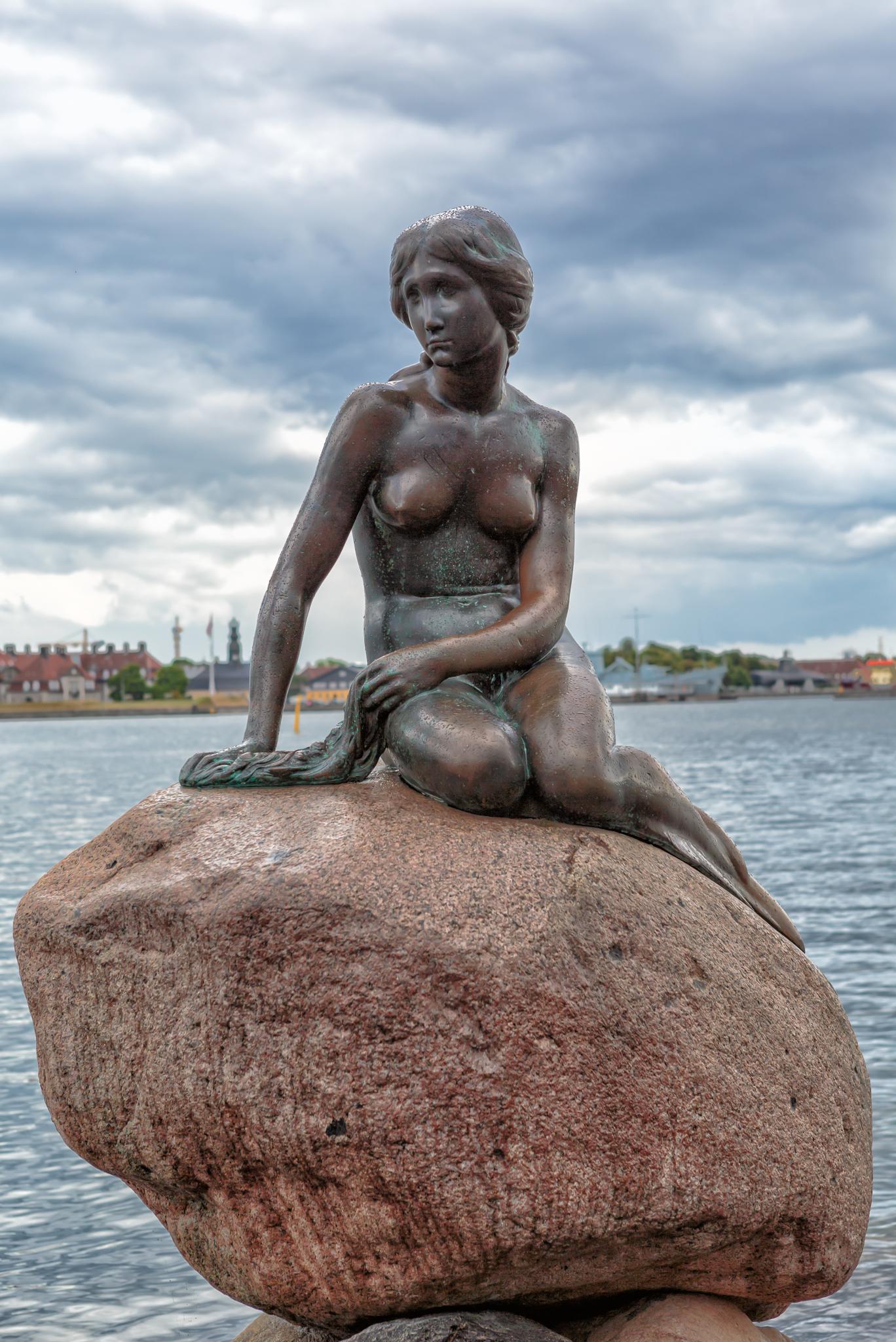
Looking beyond Frederiksberg Palace? Discover Copenhagen for broader travel guides, local hot-spots, and regional highlights.
Explore Copenhagen
Scandinavia's largest cemetery: a 54-hectare landscape of history, architecture, and remembrance in Copenhagen.

Historic parklands in Frederiksberg with grand avenues, romantic woodlands, royal pavilions, and subterranean secrets—an urban oasis blending nature and history.