Øresund Bridge
Europe's longest combined bridge-tunnel connecting Copenhagen and Malmö—a 16km engineering triumph and symbol of Nordic unity.
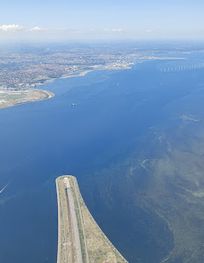
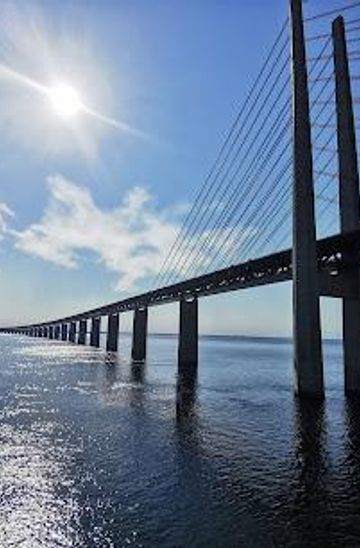
The Øresund Bridge is a 16-kilometre combined rail and road link connecting Copenhagen, Denmark and Malmö, Sweden across the Øresund Strait. Opened in 2000, this architectural marvel comprises an 8-kilometre cable-stayed bridge, a 4-kilometre underwater tunnel, and an artificial island. It carries over 60,000 daily travellers and is Europe's longest combined road-rail bridge, offering spectacular views of the Baltic Sea and serving as both a vital transport corridor and iconic symbol of Nordic cooperation.
A brief summary to Øresund Bridge
- Malmö, SE
- Click to display
- Click to display
- Duration: 0.25 to 2 hours
- Mid ranged
-
 Outdoor
- Mobile reception: 5 out of 5

Know before you go
Hi, I'm Eve. Here are a few practical things to know before exploring Øresund Bridge.
- For the best views, cross by train rather than car—the lower railway level offers unobstructed panoramic vistas of the Baltic Sea and the bridge's architecture.
- Visit Luftkastellet lookout point near Malmö for stunning photographs of the bridge's silhouette rising above the water, especially during golden hour.
- If driving, purchase an ØresundGO discount contract for regular crossings—the annual fee is recovered on the first round trip with significant savings.
- Combine your bridge crossing with a day trip to either Copenhagen or Malmö; the 45-minute train journey makes it ideal for exploring both cities in one day.
- Bring valid identification (passport or ID card) when crossing, even though there are no formal border controls between Denmark and Sweden.
Do you manage this location?
Take control to get all the benefits, like improved information, better appearance, and stronger visibility across AI-powered discovery. Learn more
Activate your presenceOther nearby places you may find interesting


Getting There
-
Train from Copenhagen
Frequent regional trains depart from Copenhagen Central Station (København H) directly to Malmö Central Station, crossing the Øresund Bridge on the lower level. Journey time is approximately 45 minutes with trains departing every 20 minutes throughout the day. Tickets cost around 13–20 EUR one way depending on booking method. Purchase tickets at station counters or online in advance. This is the most scenic option with unobstructed views of the strait.
-
Car via toll bridge
Drive from Copenhagen via the E20 motorway directly onto the Øresund Bridge. The crossing takes approximately 15–20 minutes depending on traffic. Toll booths are located on the Swedish side; payment is required for all vehicles. Standard car tolls range from 50–70 EUR depending on vehicle type and booking method. ØresundGO discount contracts offer significant savings for regular crossings. Online tickets can be purchased in advance to expedite passage.
-
Bus service
Several coach operators run services between Copenhagen and Malmö, crossing the bridge as part of their route. Journey time is approximately 1.5–2 hours depending on stops. Buses are economical (typically 10–25 EUR) but slower than train or car due to traffic and scheduled stops. Services operate daily with varying frequencies depending on the operator.
-
Bicycle or pedestrian viewpoint
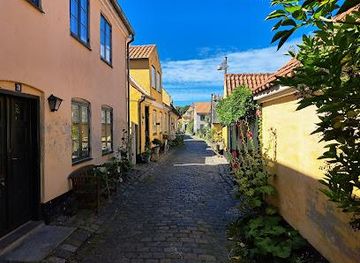
The bridge itself is not accessible to pedestrians or cyclists. However, Luftkastellet lookout point near Malmö offers exceptional views of the bridge's structure and is accessible by car or local bus. Alternatively, Dragør Harbour in Denmark provides waterfront perspectives of the bridge from the Danish side, accessible by car or local transport.
For the on-the-go comforts that matter to you
-
 Restrooms
-
 Drink Options
-
 Food Options
-
 Information Boards
Discover more about Øresund Bridge
Engineering Marvel Spanning Two Nations
The Øresund Bridge stands as one of Europe's most impressive engineering achievements, stretching nearly 16 kilometres across the Øresund Strait between Copenhagen and Malmö. Completed in 2000, this combined rail and road structure represents a bold vision of Nordic cooperation and connectivity. The bridge itself measures approximately 8 kilometres, rising to a height of 57 metres above the Flintrännan channel with its distinctive cable-stayed towers. From the midpoint artificial island of Peberholm, traffic transitions into a 4-kilometre underwater tunnel that emerges on the Danish island of Amager, just outside Copenhagen. This innovative two-level design accommodates a four-lane motorway on the upper level and a double-track railway on the lower level, allowing simultaneous movement of cars and trains in both directions.A Bridge Born from Decades of Vision
The concept of connecting Denmark and Sweden across the Øresund dates back to the 1930s, when Swedish engineers first proposed a bridge between Elsinore and Helsingborg. However, decades of political negotiation, economic uncertainty, and environmental concerns delayed the project. The Nordic Council identified the bridge as a priority goal for intra-Nordic mobility in 1953, yet it took another four decades before serious construction began. In 1991, Danish and Swedish parliaments finally signed a bilateral agreement, and in 1993, the design by Danish architect Georg Rotne was selected. Construction commenced in 1995, and the bridge opened to traffic on 1 July 2000, with an official dedication ceremony attended by Queen Margrethe II of Denmark and King Carl XVI Gustaf of Sweden. The opening transformed regional connectivity and sparked significant economic and social changes across both nations.Daily Life and Regional Impact
Since opening, the bridge has fundamentally reshaped the relationship between Copenhagen and Malmö. More than 60,000 people traverse it daily, with commuter numbers growing from just 3,291 in 2000 to 18,000 by 2010. The ten-minute journey by car or train has created a seamless labour market, allowing workers to live in one country and work in the other. Economic research demonstrates the bridge's transformative impact: a 2021 study found it increased innovation in Malmö by attracting high-skilled workers, while a 2022 study revealed a 13.5 percent increase in average regional wages. The bridge also connects Scandinavia's road and rail networks directly to mainland Europe, making it a crucial artery for goods, services, and people moving between the Nordic region and the continent.Crossing the Bridge: Experience and Views
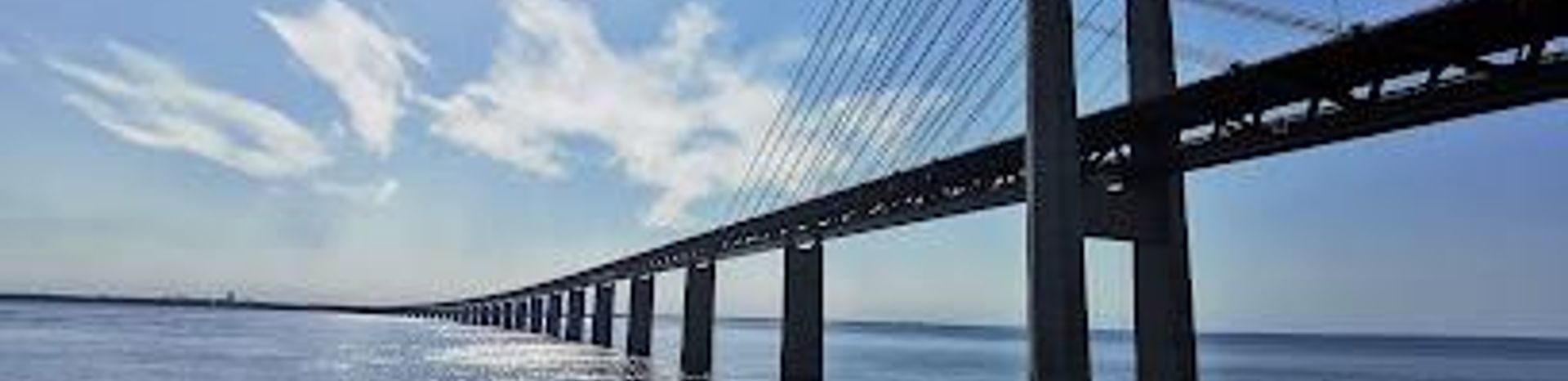
Travelling across the Øresund Bridge offers a memorable experience regardless of transport mode. Drivers and train passengers enjoy panoramic views of the dark blue Baltic Sea, with the bridge's towering pillars creating a striking visual landscape. The journey is smooth and efficient, with no border controls between the two Schendinavia nations—though passengers must carry valid identification. The bridge is particularly dramatic when viewed from the water or from vantage points along the Swedish and Danish coasts. Luftkastellet, a lookout point near Malmö, provides one of the best perspectives of the bridge's imposing silhouette rising above the water. The bridge has become iconic in popular culture, most notably as the setting for the acclaimed Danish-Swedish television series "The Bridge," which brought international attention to this symbol of Nordic cooperation.Practical Access and Tolls
Crossing the bridge by car requires payment at toll booths located on the Swedish side. Tolls vary depending on vehicle length and type, with discounts available through the ØresundGO subscription programme. Online tickets can be purchased in advance for occasional travellers, while regular commuters benefit from special contracts. Train travel is straightforward, with frequent services connecting Copenhagen Central Station to Malmö Central Station in approximately 45 minutes, with trains departing every 20 minutes. The Malmö City Tunnel, completed in 2010, now allows direct rail connections through the city centre, improving accessibility for both commuters and tourists. The bridge operates 24 hours daily, making it accessible at any time for those needing to cross between the two countries.Explore the best of what Øresund Bridge has to offer













More about Copenhagen Region
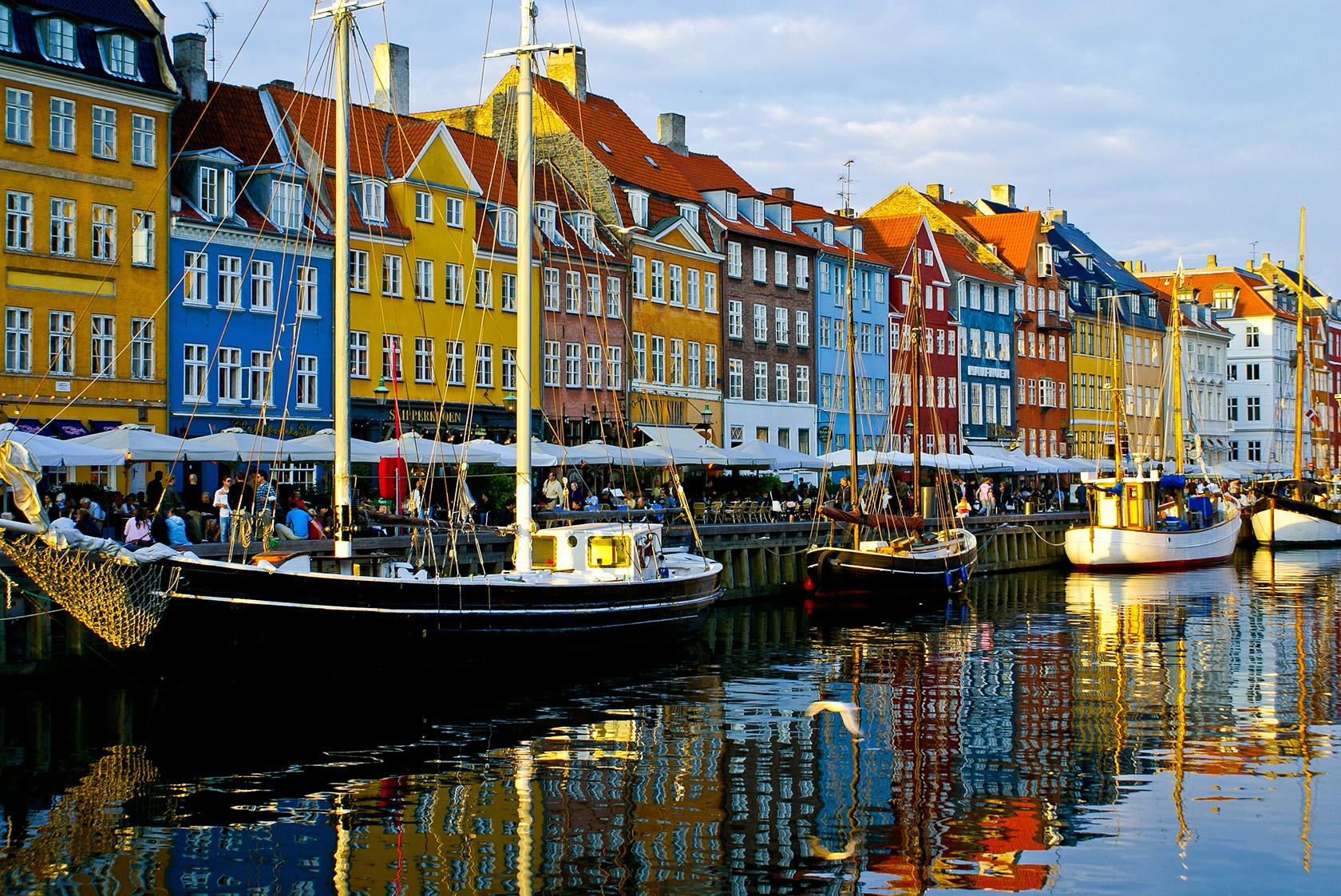
Discover the Copenhagen Region: A perfect mix of historic charm and modern vibrancy, offering scenic beauty, cultural landmarks, and a high quality of life.
Tell me more about Copenhagen Region