
Evolution Museet, Falster Travel Guide
Denmark’s first dinosaur museum, Evolution Museet in Knuthenborg Safaripark, brings 300 million years of evolution to life with real fossils and immersive storytelling.
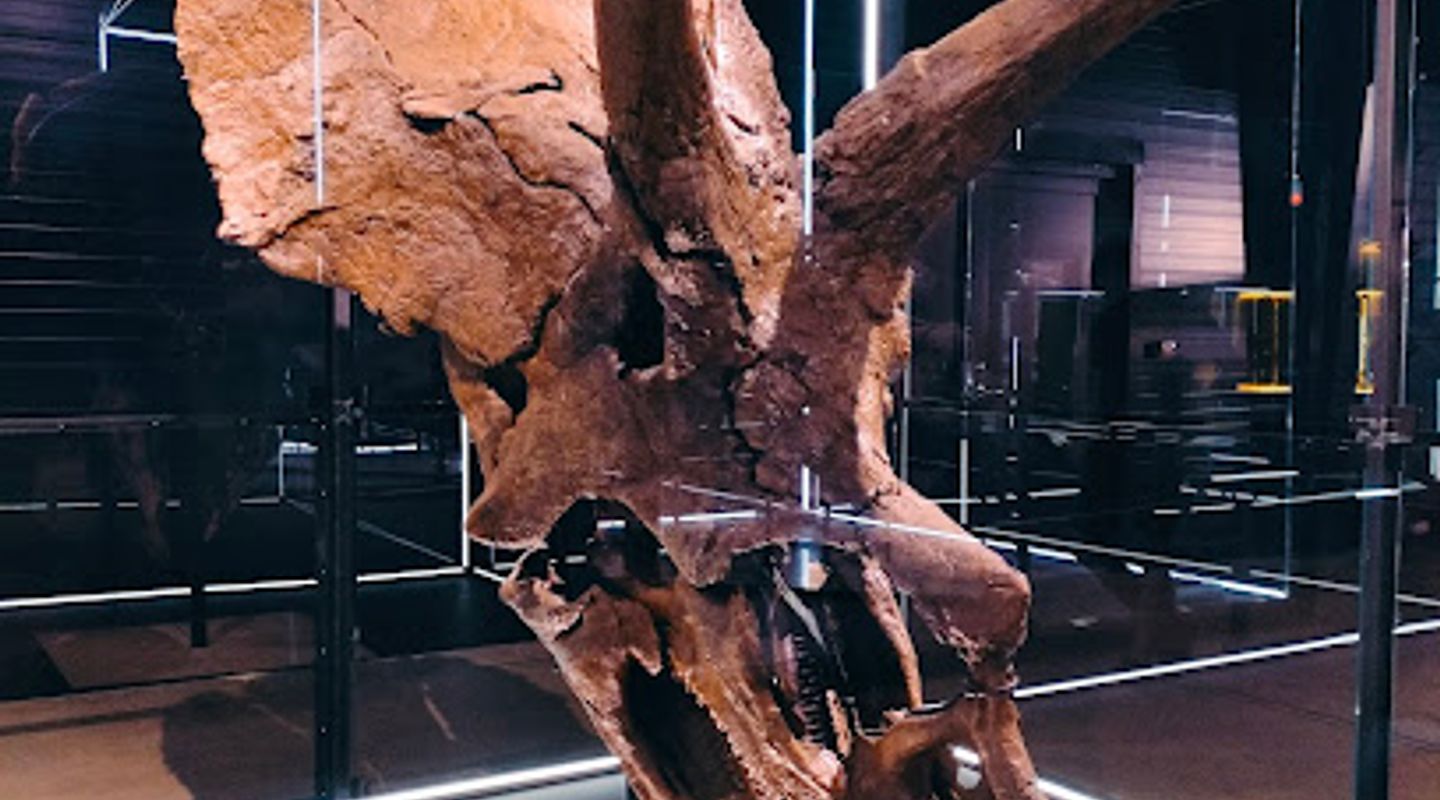
Set within Knuthenborg Safaripark on the island of Lolland, Evolution Museet (Museum of Evolution) is Denmark’s first dedicated dinosaur museum. Inside more than 1,000 m² of gallery space, you walk through 300 million years of natural history, from strange sea creatures of the Permian to giant Jurassic predators and Ice Age megafauna. Real, exceptionally complete skeletons – including the famed Allosaurus “Big Joe”, the giant Torosaurus “Adam”, rare Archaeopteryx and a hulking ground sloth – are brought to life with dramatic light, sound and even scent, creating a strikingly immersive, family-friendly experience.
A brief summary to Evolution Museet
- Knuthenborg Park 6, Bandholm, 4941, DK
- Duration: 1 to 2 hours
- Mid ranged
-
 Indoor
- Mobile reception: 4 out of 5
- Monday 10 am-5 pm
- Tuesday 10 am-5 pm
- Wednesday 10 am-5 pm
- Thursday 10 am-5 pm
- Friday 10 am-5 pm
- Saturday 10 am-5 pm
- Sunday 10 am-5 pm

Know before you go
Hi, I'm Eve. Here are a few practical things to know before exploring Evolution Museet.
- Plan at least 1–2 hours for the museum itself on top of your time in Knuthenborg Safaripark, as the galleries cover multiple geological periods with many detailed exhibits.
- Wear layers: the indoor halls can feel cool compared with the outdoor safari areas, and you may move repeatedly between buildings and open-air zones.
- Combine your visit with the nearby Dinosaur Forest to help younger visitors connect the real skeletons inside with life‑size reconstructions outside.
- Look for the bone maps beside each skeleton to see exactly which elements are original fossils and which are reconstructions.
- If visiting in high season, arrive earlier in the day to enjoy the museum before the busiest afternoon hours in the wider safari park.
Do you manage this location?
Take control to get all the benefits, like improved information, better appearance, and stronger visibility across AI-powered discovery. Learn more about listing your business on Evendo
Activate your presenceOther nearby places you may find interesting
The closest places of the same kind, if this one is not quite what you had in mind.
Explore Evolution Museet on the Map
A handpicked selection of must-see spots near Evolution Museet, mapped for you.
Getting There
-
Car from Maribo (regional hub)
From Maribo, driving to Knuthenborg Safaripark typically takes 15–20 minutes, using well‑signed regional roads through open countryside. Standard passenger cars are sufficient; no special vehicle is needed. Entry to Evolution Museet is included in the safari park ticket, which usually costs around DKK 260–320 per adult and less for children, with seasonal variations. Arrive earlier on sunny summer weekends, as queues for the main park gate can lengthen late morning.
-
Train and bus from Copenhagen region
From Copenhagen, take a regional train toward Lolland, changing for Maribo; the rail journey commonly takes about 1¾–2¼ hours. From Maribo, seasonal buses or local taxis cover the remaining stretch to Knuthenborg Safaripark in roughly 15–25 minutes. A combined one‑way train and bus trip generally totals around DKK 180–260 per adult depending on ticket type and time of day. Services are less frequent outside peak season, so check departure times in advance and allow a buffer for connections.
-
Cycling from Bandholm and nearby villages
Cyclists based in Bandholm or nearby villages can reach Knuthenborg Safaripark on quiet rural roads in roughly 15–30 minutes depending on starting point and pace. The terrain is mostly flat, but wind from the coast can affect effort. There is no extra fee for arriving by bicycle beyond the standard park admission, and bikes must be left in designated areas before you enter the safari driving zones and continue on foot to Evolution Museet. This option is best during daylight months with mild weather.
For the on-the-go comforts that matter to you
-
 Restrooms
-
 Drink Options
-
 Food Options
-
 Seating Areas
-
 Sheltered Areas
-
 Trash Bins
-
 Information Boards
-
 Visitor Center
Discover more about Evolution Museet
A prehistoric world inside a Danish safari park
Evolution Museet sits in the heart of Knuthenborg Safaripark near Bandholm, turning a day among living animals into a deeper journey through life on Earth. This indoor museum spans over a thousand square metres, purpose-built to showcase one of Europe’s strongest collections of real dinosaur fossils. Rather than a classic glass‑case gallery, it is designed as a dramatic, darkened space where towering skeletons, projected animations and soundscapes surround you at every turn.The museum links directly to the park outside: you move from exhibits of long‑extinct creatures to views of today’s giraffes, rhinos and antelopes roaming the grounds. This juxtaposition underpins the whole concept – evolution as a continuous story, not just a prehistoric chapter frozen in time.From Permian seas to Jurassic giants
Your journey begins long before the age of dinosaurs, in the Permian period, when life was only just establishing itself on land. Fossils of fin‑backed predators such as Dimetrodon and other odd, early vertebrates illustrate how animals adapted from shallow seas to harsh, arid environments. As you move forward in time, the galleries shift in mood, carrying you into the Triassic and Jurassic with changing light, sound and projected landscapes.In the main dinosaur hall, immense skeletons dominate the floor: long‑necked sauropods, horned giants and nimble predators posed as if mid‑stride. Information is delivered in clear layers, so both children and curious adults can grasp how these creatures lived, hunted, nested and interacted with their surroundings, and how they relate to the animals we know today.Iconic fossils: Big Joe, Adam and Archaeopteryx
Star of the collection is “Big Joe”, an Allosaurus around nine metres long and over a tonne in life, with more than 95% of his skeleton preserved. You can walk almost underneath his ribcage, tracing tooth marks and healed injuries that tell of battles millions of years ago. Nearby stands “Adam”, a Torosaurus with what is considered the largest known dinosaur skull, its sweeping frill and horns dramatically lit to emphasise scale.Perhaps most scientifically precious is a rare Archaeopteryx, one of only a handful of specimens worldwide. Delicate impressions of feathers mark this transitional fossil between non‑avian dinosaurs and birds, neatly illustrating evolution in action. Completing the deep‑time cast are Permian reptiles, dinosaur eggs and nests, and an impressive Ice Age section featuring the giant ground sloth Eremotherium alongside other Pleistocene beasts.Multisensory storytelling with lights, sound and scent
What sets Evolution Museet apart is its theatrical, multisensory approach. Each geological era has its own soundscape: the echo of waves in ancient seas, distant thunder over steamy Jurassic forests, icy winds sweeping through Ice Age plains. Carefully controlled lighting picks out details in bone and rock, while background projections shift from coral reefs to fern jungles and tundra.Scent plays an unexpected role. In some zones you catch hints of swamp, earth or metallic “blood”, subtly reinforcing the idea that these were once real, living environments. Interactive elements and clear bone maps invite you to examine how much of each skeleton is original fossil, encouraging a deeper appreciation of the painstaking science behind every display.Families, wheelchair users and curious minds
The museum is fully integrated into a day in Knuthenborg Safaripark: entry is included in the park ticket, and you can break up drives through the animal areas with a focused hour or two indoors. Ramps and step‑free routes in the exhibition buildings make it accessible for wheelchair users and families with prams, while wide aisles allow time to linger beneath the largest skeletons without feeling cramped.For children, the narrative of giant predators, hatching eggs and Ice Age giants pairs naturally with the nearby Dinosaur Forest of full‑scale moving models. For adults, clear geological timelines, detailed labels and links to current research provide plenty of intellectual depth. Whether you stay briefly or delve into every panel, Evolution Museet adds a compelling scientific counterpoint to the safari outside, rounding out Knuthenborg as a full‑day natural history destination.












Your all‑in‑one travel companion app
Explore expert travel guides, compare and book tours, experiences, hotels, and more—all from the palm of your hand. Download now for seamless trip planning wherever your wanderlust takes you.


Explore More of Falster
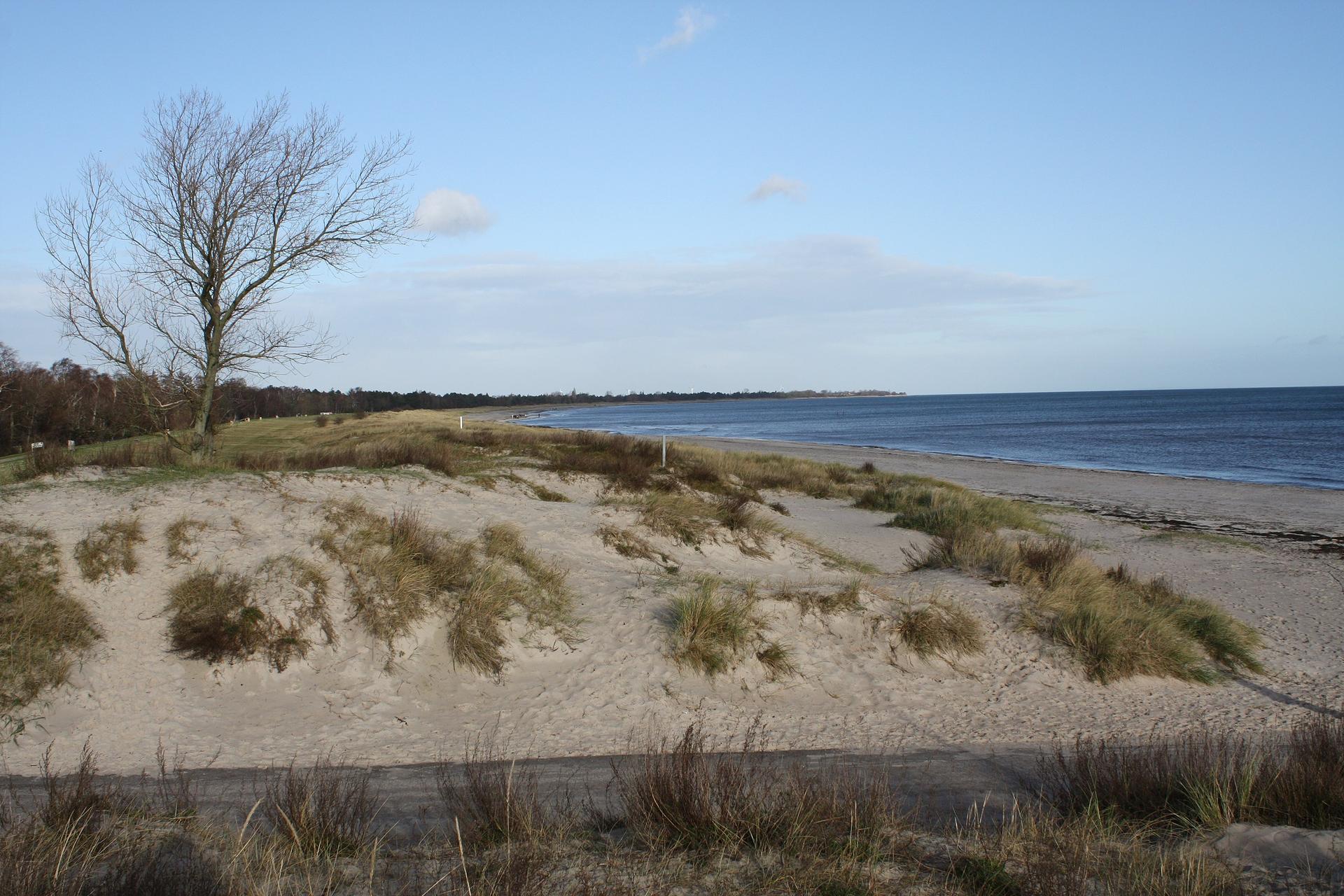
Looking beyond Evolution Museet? Discover Falster for broader travel guides, local hot-spots, and regional highlights.
Explore Falster