Bandholm Strand, Lolland Travel Guide
A compact, child‑friendly Baltic cove on Lolland’s north coast, where soft sand, shallow water and a classic seaside village backdrop create a gentle beach escape.
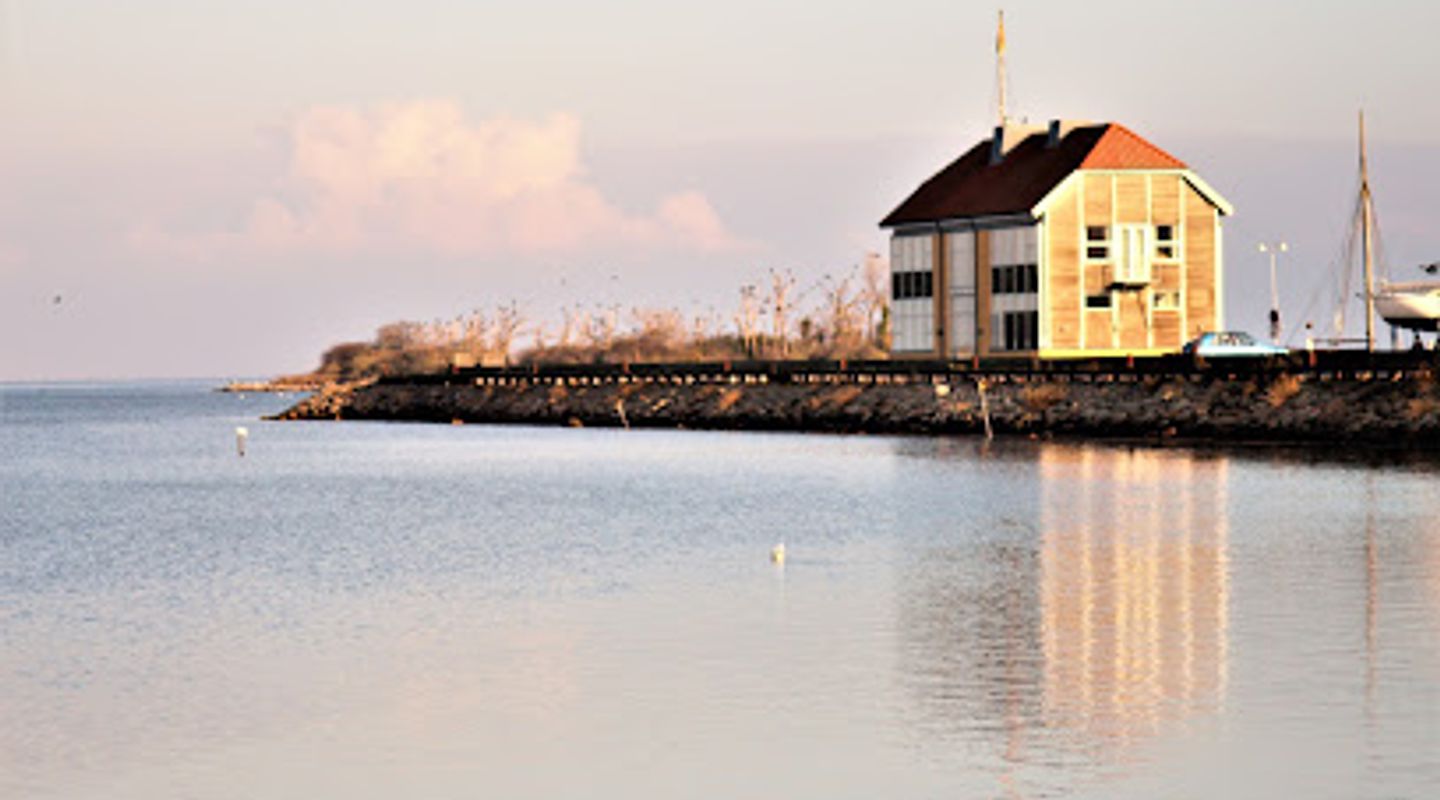
Tucked into a sheltered cove on the north coast of Lolland, Bandholm Strand is a compact, family-friendly beach framed by a small park and the elegant Bandholm Badehotel. An artificial sandy strip softens a coastline otherwise short on natural beaches, with shallow, calm Baltic waters that stay waist-deep far from shore, making it ideal for children. Views stretch across the Småland Sea towards the islands of Askø and Lilleø, while the nearby village, harbor and historic bath house add a quietly nostalgic seaside charm.
A brief summary to Bandholm Strand
- Strandparken, Bandholm, 4941, DK
- Duration: 1 to 3 hours
- Free
-
 Outdoor
- Mobile reception: 4 out of 5

Know before you go
Hi, I'm Eve. Here are a few practical things to know before exploring Bandholm Strand.
- Pack water shoes for children and adults, as the seabed can include patches of stones or seaweed beyond the soft sand close to shore.
- Combine a beach stop with a visit to the nearby historic bath house and a short stroll through Strandparken for changing views of the harbor and hotel.
- Bring windproof layers even in summer; the open shoreline can feel cooler than the village when a breeze comes off the Baltic.
Do you manage this location?
Take control to get all the benefits, like improved information, better appearance, and stronger visibility across AI-powered discovery. Learn more about listing your business on Evendo
Activate your presenceOther nearby places you may find interesting
The closest places of the same kind, if this one is not quite what you had in mind.


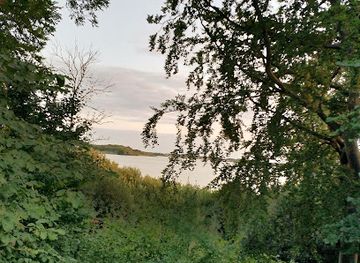
Explore Bandholm Strand on the Map
A handpicked selection of must-see spots near Bandholm Strand, mapped for you.
Getting There
-
Car from Maribo
From Maribo, driving to Bandholm Strand typically takes 15–20 minutes via local roads. The route is straightforward through open countryside with minimal traffic. Parking is usually available close to the beach and harbor area, but spaces can be tighter on warm summer weekends. Fuel costs are modest for the short distance, and there are no tolls or special fees specifically for reaching the beach.
-
Regional bus from Maribo
A regional bus service generally links Maribo and Bandholm in around 20–30 minutes, with more departures on weekdays than weekends. Expect a standard local bus fare in the range of 20–40 DKK one way, payable by contactless card or mobile ticket. The bus stop in Bandholm is within walking distance of the beach on mostly flat pavement, making the final approach easy for most visitors.
-
Cycling from Maribo and nearby villages
Cycling from Maribo to Bandholm Strand takes about 35–50 minutes each way, following relatively flat rural roads typical of Lolland. There are sections without dedicated cycle paths, so riders should be comfortable sharing quiet country roads with local traffic. The terrain is gentle, and the route is feasible from spring through autumn, though strong coastal winds can affect travel time.
For the on-the-go comforts that matter to you
-
 Restrooms
-
 Drinking Water
-
 Seating Areas
-
 Trash Bins
-
 Information Boards
Discover more about Bandholm Strand
A Small Sandy Escape on Lolland’s North Shore
Bandholm Strand is a modest but carefully shaped beach tucked into a shallow bay on Lolland’s north coast, where the Baltic Sea meets the Småland waters. Here, a man-made stretch of pale sand has transformed what was once a rather muddy inlet into a surprisingly inviting spot for bathing and lazy seaside hours. The beach is narrow rather than expansive, but its gently curving shoreline, backed by grass and low vegetation, gives it a cosy, almost intimate feel.Unlike the wild dunes of Denmark’s west coast, the landscape here is low and sheltered. On calm days the sea looks more like an oversized lagoon than an open coast, with only the faintest ripple breaking the surface. It is this sense of enclosure that makes the beach feel tranquil, even when families are spreading towels and children are building sandcastles near the water’s edge.Sea Views, Village Silhouettes and Baltic Light
From the sand you look straight out across the water towards the islands of Askø and Lilleø, which rise as low silhouettes on the horizon. Ferries slip in and out of the neighboring harbor, adding a quiet rhythm of movement without disturbing the overall calm. When the light slants in from the west, the sea often takes on silvery tones, and the outlines of piers and boats stand out sharply against the sky.Turn inland and the elegant Bandholm Badehotel forms a graceful backdrop behind the trees and lawns, its classic seaside architecture reinforcing the sense of being in a traditional Danish bathing village. Further along, the historic wooden bath house with its long pier reaches into deeper water, a reminder of 19th-century bathing culture that still shapes the area’s character.Gentle Waters and Child-Friendly Swimming
One of Bandholm Strand’s defining features is its extremely shallow seabed. Here the water remains knee- to waist-deep for a long distance, and currents are typically very weak. This combination makes the beach particularly suited to families with younger children learning to swim or simply splashing about with buckets and nets. On warm days, adults often wade far out while children paddle closer to shore, everyone still within easy sight of the sand.At the same time, the sheltered bay means waves rarely build to any significant height. Instead of surf, you get clear, calm water that warms relatively quickly in summer. For many visitors, the experience is less about dramatic sea bathing and more about relaxed, low-key time at the water’s edge, with plenty of breaks to sit back on the sand or on the grassy bank above the beach.Parkland, Promenade and Seaside Strolling
Directly behind the strand, Strandparken stretches out as a green buffer between the village and the sea. Simple paths, lawns and scattered trees create a pleasant transition from the houses of Bandholm to the shoreline. It is an easy place to wander with an ice cream in hand, pause on a bench to watch the ferry glide past, or let children run on the grass after they have tired of digging in the sand.The proximity of the small harbor, pier and bathing house means you can easily turn a visit to the beach into a wider seaside stroll. Wooden jetties, old rail tracks near the museum railway and discreet maritime details give the area a subtly historic atmosphere. Everything lies within a compact radius, so even a short walk reveals shifting perspectives between water, village, park and hotel.Slow Seaside Moments in a Quiet Corner of Denmark
Bandholm Strand is not about spectacle or grand scale; its appeal lies in a slower rhythm. It offers a gentle introduction to the Baltic coast, especially for travellers staying nearby or exploring Lolland’s attractions such as Knuthenborg Safari Park. The modest size encourages unhurried visits: an hour or two of swimming, reading in the sun or simply watching the changing light on the water.For many, the strongest memory is the combination of soft sand underfoot, the reassuringly shallow sea and the sight of small ferries and pleasure craft tracing calm lines across the horizon. In a region better known for farmland and dikes than for beaches, this little strand provides a charming, easygoing pause between excursions into the island’s wider landscapes.












Your all‑in‑one travel companion app
Explore expert travel guides, compare and book tours, experiences, hotels, and more—all from the palm of your hand. Download now for seamless trip planning wherever your wanderlust takes you.


Explore More of Lolland
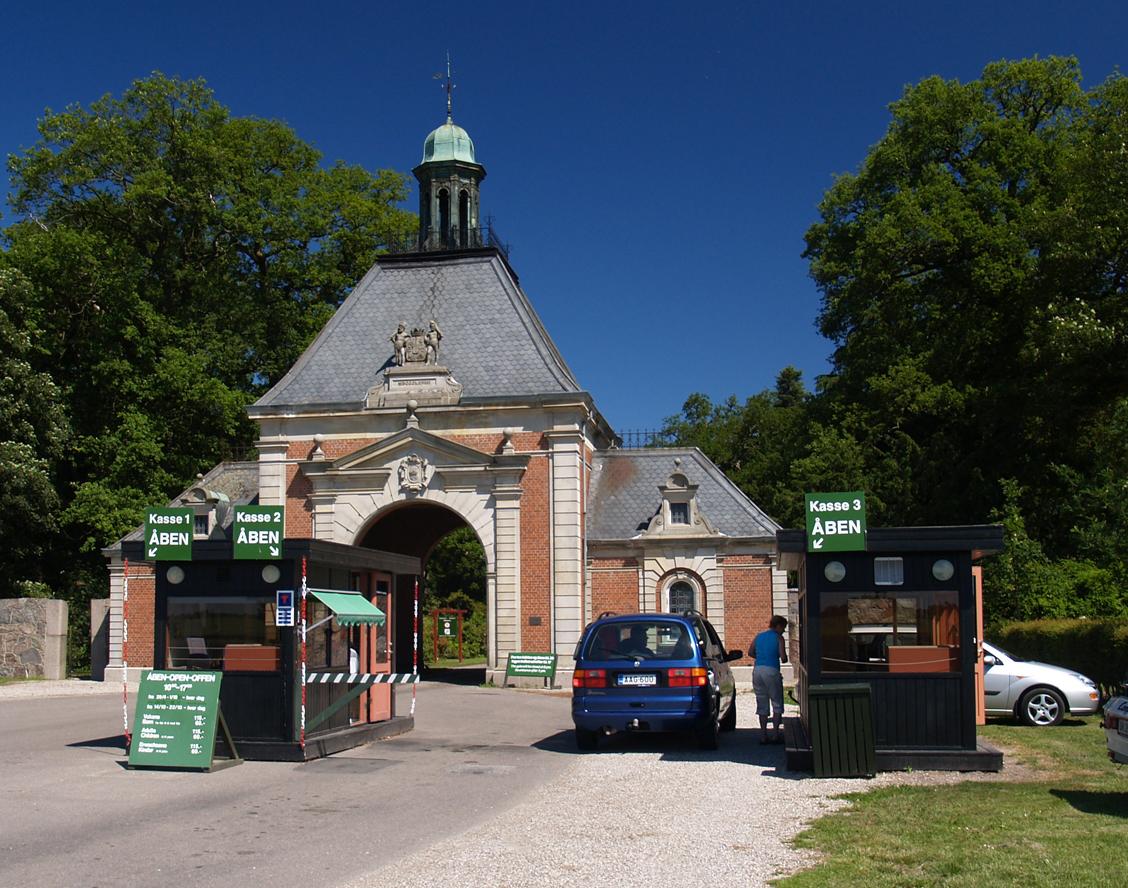
Looking beyond Bandholm Strand? Discover Lolland for broader travel guides, local hot-spots, and regional highlights.
Explore Lolland
An 18th-century aristocratic estate where Enlightenment ideals and sensory history come alive in a romantic Lolland setting.
A tranquil white-sand beach on Lolland's north coast, perfect for families seeking calm Baltic waters and timeless Danish seaside charm.