Stiftsmuseum Maribo Travel Guide
Free Guide: A compact island museum where a Stone Age girl, medieval church art and rune stones tell 10,000 years of Lolland-Falster stories under one historic roof.


A brief summary of Stiftsmuseum Maribo
A compact island museum where a Stone Age girl, medieval church art and rune stones tell 10,000 years of Lolland-Falster stories under one historic roof.
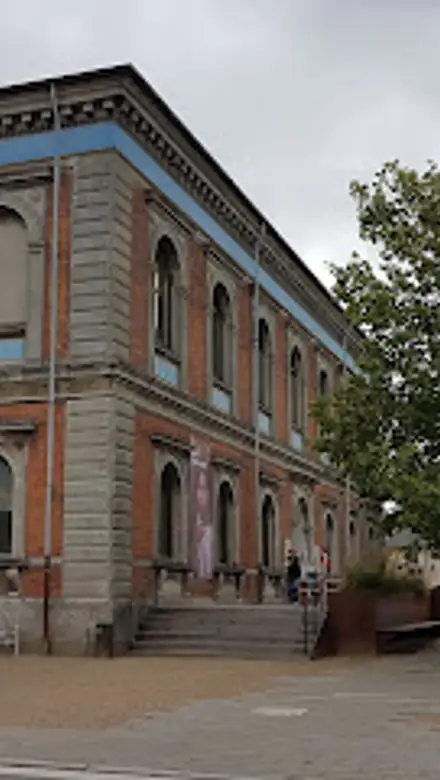
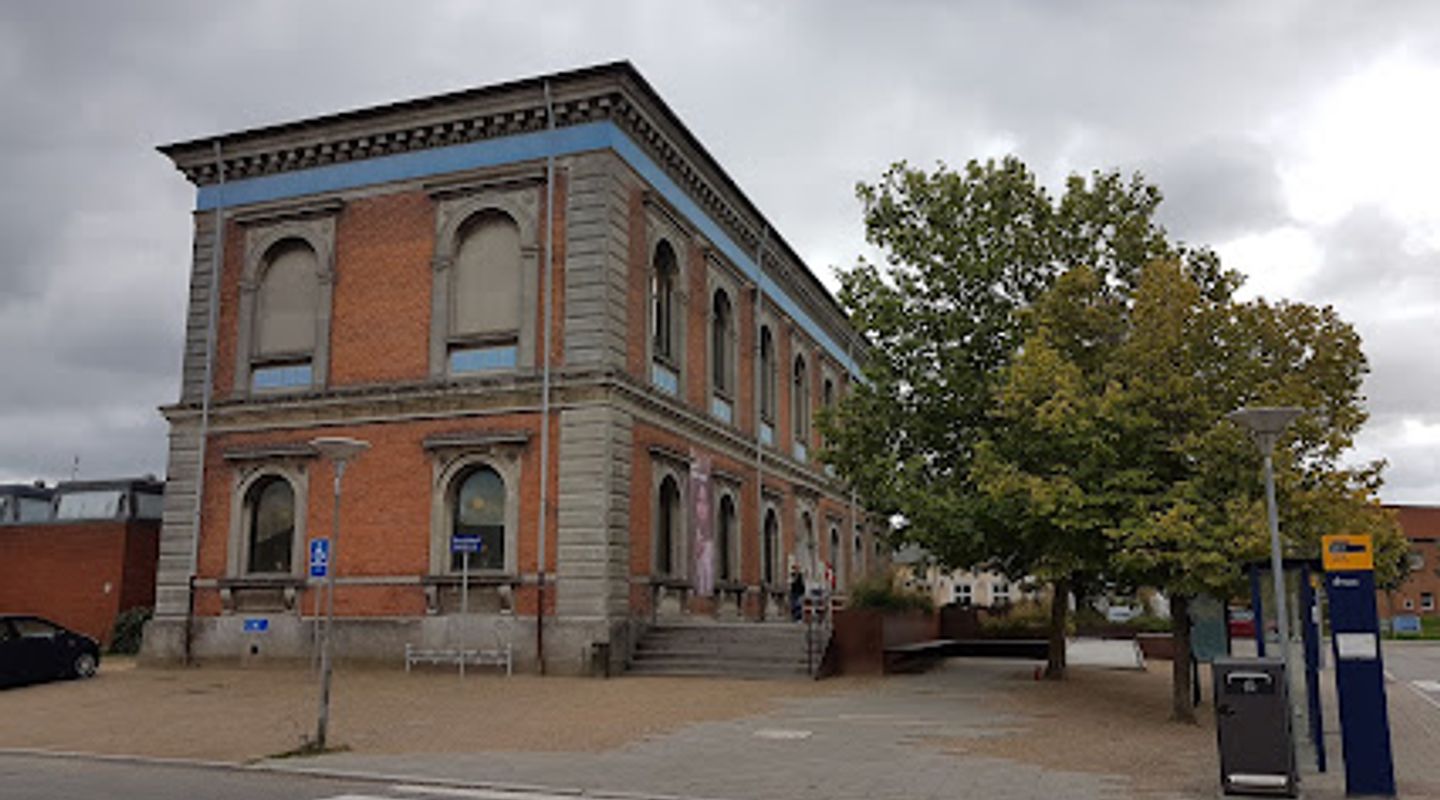
Stiftsmuseet Maribo, housed in a stately 1890s building beside Maribo Station, is the cultural-historical heart of Lolland-Falster. Inside, imaginative exhibitions span 10,000 years of local history, from the Stone Age world of “Lola” – a girl reconstructed from DNA found in ancient birch-bark chewing gum – to evocative displays of medieval Christianity, rune stones and storm-surge tales. Compact yet rich in stories, it’s an engaging stop that blends archaeology, faith, and everyday life on the islands.
On-site amenities
 Restrooms
 Seating areas
 Trash bins
 Information boards
 Visitor centre
Opening hours
- Mon10 am–4 pm
- Tue10 am–4 pm
- Wed10 am–4 pm
- Thu10 am–4 pm
- Fri10 am–4 pm
- Sat10 am–3 pm
- SunClosed
Opening hours as listed on the venue’s Google Business Profile. Hours can change for services and special events, so check with the venue before you go.
- Address
- Banegårdspladsen 11, 4930 Maribo
- Phone
- Website
Getting there
Train from Copenhagen and regional cities
Regional bus within Lolland-Falster
Car or rental car from Zealand and Germany
Cycling on national and local routes
Discover more about Stiftsmuseum Maribo
A museum at the crossroads of town and history
Stiftsmuseet Maribo sits right in the middle of town, in a solid late-19th‑century brick building that once embodied civic pride and confidence. Today it serves as the main cultural-historical museum for Lolland-Falster, drawing together 10,000 years of human life on these low, fertile islands. Just outside, trains and bikes come and go; inside, time slows as you move from prehistory to the present through carefully staged rooms and atmospheric lighting.The foyer sets the tone with polished floors, high ceilings and a sense of quiet anticipation. It is here that you first meet the museum’s rune stones, their carved surfaces catching the light, hinting at Viking Age communities and their commemorations. From this central space, staircases lead to upper levels while doors open into modern, narrative-led galleries on the ground floor.
Lola and the deep time of Lolland
The star of the museum’s archaeological story is “Lola”, a Stone Age girl whose existence was reconstructed from DNA preserved in a piece of birch-bark chewing gum unearthed during excavations on Lolland. In the dedicated exhibition, soundscapes, thoughtful lighting and tactile reconstructions bring her world to life: wetlands rich in game, simple tools, and the everyday tasks of a community living here about 5,700 years ago.Rather than presenting objects in isolation, the exhibition invites you into Lola’s imagined day. You see tools like flint blades and bone points, but also traces of diet, health and appearance derived from scientific analysis. It is an engaging blend of hard data and careful speculation, showing how archaeology and genetics can illuminate a single human life from deep prehistory.
Faith, imagery and the OMG gallery
Another highlight is the OMG (Oh My God) exhibition, which explores medieval Christianity on Lolland-Falster. In a series of low-lit rooms, crucifixes, altarpieces and carved figures create an intimate encounter with the religious imagination of the Middle Ages. Spotlights pick out flaking paint and delicate carvings, while displays unpack the symbolism embedded in the objects.Alongside church art, the exhibition explains how local churches were built and decorated, drawing attention to fresco fragments and architectural details that many pass by without noticing. The result is a glimpse into a time when these islands were dotted with richly painted interiors and when faith shaped everyday rhythms, from work in the fields to rituals around birth and death.
Rune stones, storm surges and living landscapes
Back in the foyer, the Sædinge and Skovlænge rune stones stand almost like silent hosts, their inscriptions testifying to people who named each other, claimed land and remembered the dead over a thousand years ago. Their presence anchors the museum in the wider story of the Danish kingdom and its early Christianization.Another exhibition, STORM, turns to the drama of the sea and weather. In a darkened space, films and testimonies evoke devastating storm surges that have reshaped these low-lying coasts. The contrast with the calm galleries elsewhere in the museum is striking and emphasizes how vulnerable, yet resilient, the islands have always been. Together, these displays connect environmental forces, human settlement and the long-term shaping of the landscape.
Atmosphere, accessibility and practical comforts
The building’s three levels are arranged in spacious, mostly bright rooms, with a few sections deliberately darkened for effect. Some areas use motion-sensitive lighting and sound, from the chirping birds of Lola’s world to the more intense audio of the storm exhibition. The ground floor, including the shop, tourist information point and OMG gallery, is accessible via a ramp, while upper floors are reached by wide staircases with handrails.Facilities include restrooms, a small shop and nearby parking on Banegårdspladsen. The museum is used for seasonal events such as children’s activities around the Stone Age and guided tours focused on Lola’s world, reinforcing its role as a local hub for history and learning.
Planning a visit alongside Maribo’s other gems
Although compact, Stiftsmuseet Maribo rewards an unhurried visit of one to two hours, especially if you take time to read the interpretive texts and watch the films in full. Its central location makes it easy to combine with a stroll to the lakes of Nature Park Maribosøerne or to the nearby open-air museum of historic houses.Whether you are tracing the evolution of belief, following the shoreline through stormy centuries or looking into the eyes of a reconstructed Stone Age girl, the museum offers a coherent narrative of Lolland-Falster as a lived-in landscape. It is an ideal introduction to the region’s character before you venture further into its villages, coasts and forests.
Evendo Review Centre
 Google
Guest reviews
Best time to go
Quietest: Jan, Feb & Nov · before 8am or from 6pm
Busy times are Evendo estimates for a typical year, to help you plan. Actual crowds vary with events, school holidays and the weather.
Explore Stiftsmuseum Maribo on the map
A handpicked selection of must-see spots near Stiftsmuseum Maribo, mapped for you.
Get your free copy of our complete guide to Stiftsmuseum Maribo, delivered straight to you.
Everything on this page, from opening hours and how to get there to Eve’s tips and the best time to go, in one PDF you can read offline, print or share.
Already have an account? Sign in
Your Stiftsmuseum Maribo guide is ready.
We'll send it to · Not you? Sign out

Getting your guide ready…
We are putting together a fresh copy of the Stiftsmuseum Maribo guide. This can take up to a minute.
This can take a few moments. If your browser asks, choose Allow so the download can start. You'll find the guide in your Downloads folder.
Nothing happened? Download it again
Sorry, the guide is taking longer than usual. Please try again in a minute, or get it by email instead.
Other nearby places you may find interesting
The closest places of the same kind, if this one is not quite what you had in mind.
-
The Medieval Center Experience 15th-century Denmark through living history, trebuchets, tournaments, and authentic medieval crafts.
-
Guldborgsund Zoo & Botanisk Have Intimate town-edge zoo and botanical garden where animal encounters, leafy paths and playgrounds have long shaped family days out in Nykøbing Falster.
-
Horreby Lyng Falster’s only raised bog, where quiet boardwalks, restored peatland and traces of ancient life create a subtle, atmospheric escape into Danish nature.
-
Zipline Systofte Seasonal lakeside adventure park near Nykøbing Falster with a 400 m twin zipline, floating aquapark and high-jump airbag for families and thrill-seekers.
-
Crocodile Zoo, Falster Tropisk, fugtig varme, kæmpekrokodiller og bevaringsprojekter samles i et kompakt, intenst reptilunivers midt på Falster.
Swipe for more places
More to explore near Stiftsmuseum Maribo

 Best experiences near Stiftsmuseum Maribo
 Best hotels near Stiftsmuseum Maribo
 Best landmarks near Stiftsmuseum Maribo
 Best attractions near Stiftsmuseum Maribo
 Best shops near Stiftsmuseum Maribo
 Best restaurants near Stiftsmuseum Maribo
 Best bars near Stiftsmuseum Maribo
Do you manage this location?
Take control to get all the benefits, like improved information, better appearance, and stronger visibility across AI-powered discovery.
Explore more

Explore more of Falster
Discover Falster: A blend of serene beaches, rich history, and lush landscapes in Denmark's southern island treasure.
Explore Falster
Explore more of Denmark
Discover Denmark: A perfect blend of history, modern design, and the cozy concept of hygge. Explore vibrant cities, serene landscapes, and world-class cuisine.
Explore Denmark