

Camping Outdoors Museum Travel Guide
Free Guide: A nostalgic journey through tents, caravans and holiday dreams, the Camping Outdoors Museum at Egeskov celebrates the simple freedom of life on the road.


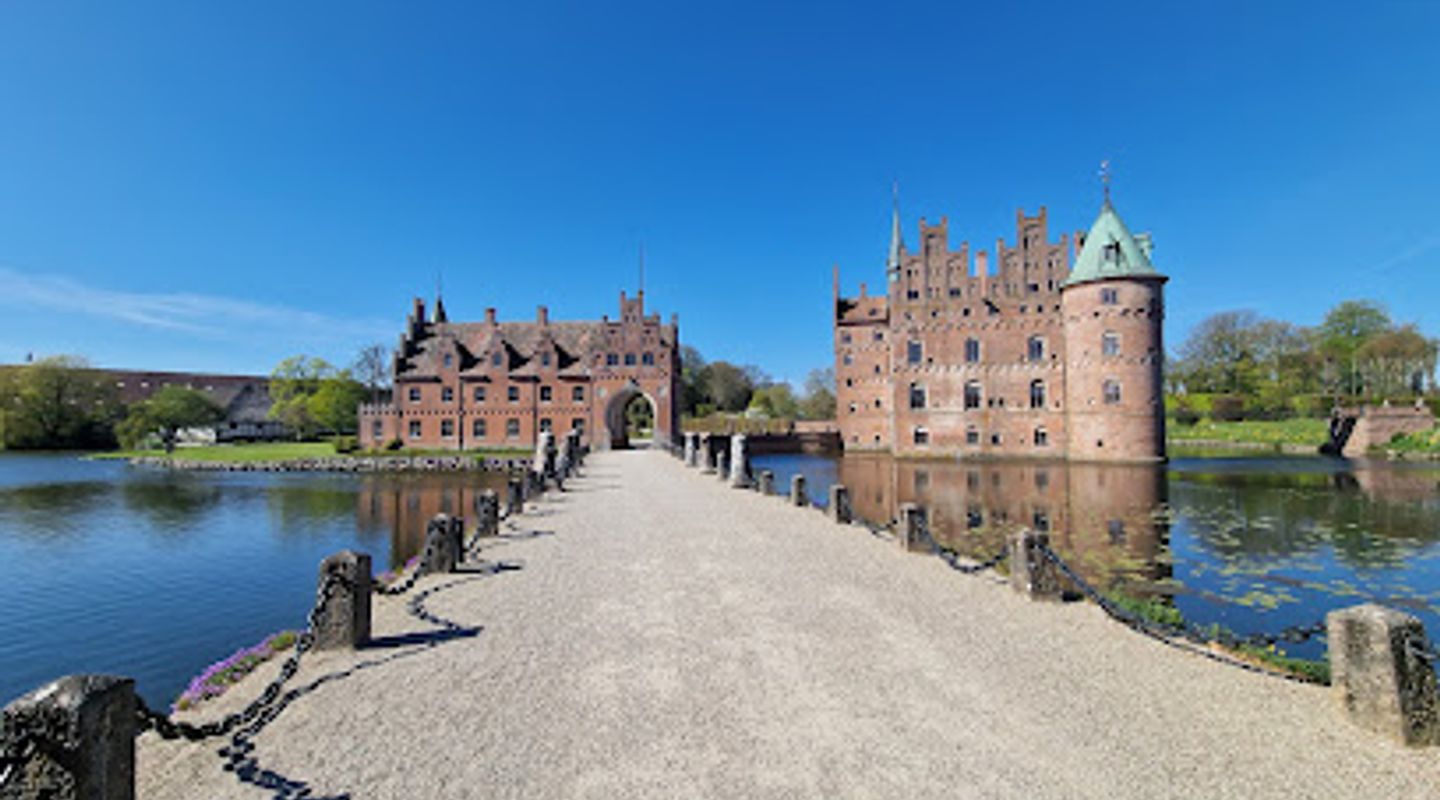
A brief summary of Camping Outdoors Museum
A nostalgic journey through tents, caravans and holiday dreams, the Camping Outdoors Museum at Egeskov celebrates the simple freedom of life on the road.
Tucked within the grounds of Egeskov on Funen, the Camping Outdoors Museum traces the story of life on the road, from simple canvas tents to iconic caravans and motorhomes. Set in rural surroundings near the moated Egeskov Castle, this playful museum combines nostalgic exhibits, quirky vehicles, and family-friendly displays to show how Scandinavians have holidayed under open skies for generations.
On-site amenities
 Restrooms
 Drink options
 Drinking water
 Food options
 Seating areas
 Sheltered areas
 Trash bins
 Information boards
 Visitor centre
- Address
- Egeskov Gade 18, 5772 Kværndrup
- Website
Getting there
Regional train and local bus from Odense
Car from Odense and Funen region
Cycling from nearby towns on Funen
Discover more about Camping Outdoors Museum
Holiday dreams under canvas and tin
The Camping Outdoors Museum sits on the Egeskov estate near Kværndrup on the island of Funen, surrounded by gentle Danish countryside and the castle’s historic gardens. Here the focus shifts from moats and noble families to ordinary people heading out on holiday, chasing freedom on country roads and coastal campsites. The buildings may be modest compared to the nearby Renaissance castle, but the stories told inside are just as evocative.Step through the entrance and you move into a world of pitched tents, gleaming aluminium trailers and compact caravans that once turned farm fields and forest clearings into temporary villages. Quiet displays of enamel mugs, folding chairs and gas lamps conjure up the simple pleasures of evenings spent under wide northern skies.
From canvas pioneers to mobile comfort
One of the museum’s strengths is the way it lays out the evolution of camping in clear, visual steps. Early exhibits feature basic ridge tents and boxy trailers from the mid‑20th century, evoking a time when the idea of driving off with your bed and stove behind you still felt adventurous. Interiors are sparse: wooden bunks, minimal storage, perhaps a tiny stove – enough for families who spent most of their time outdoors.As you wander further, the silhouettes change. Rounded caravans with curved windows give way to bulkier motorhomes and clever folding designs. You can compare compact Scandinavian models built to survive unpredictable weather with bolder, more experimental shapes from elsewhere in Europe. The gradual march of comfort is easy to trace in the fabrics, built‑in kitchens and ingenious beds that disappear into walls or ceilings.
Everyday objects and quiet nostalgia
Beyond the vehicles themselves, the museum pays attention to the small details that defined camping trips. Display cases and reconstructed interiors are filled with board games, thermos flasks, checked tablecloths and collections of campsite pennants. Together they create a mood of low‑key nostalgia, even if you never spent a childhood summer in a caravan.Some interiors are left open so you can peer through the doorways and imagine the jostling elbows of breakfast on a rainy morning, or the stillness of late nights when only a reading lamp is left on. The muted colours, worn wood, and patterned curtains make it clear that these were not showpieces but lived‑in spaces carrying traces of countless holidays.
Part of a wider Egeskov day out
The Camping Outdoors Museum is only one element of a wider museum cluster at Egeskov, which also includes collections of classic cars, motorbikes, aircraft and fire engines plus extensive gardens and play areas. It works well as a mid‑visit change of pace, especially if you are combining it with the more formal castle interiors. The relaxed, accessible displays here invite unhurried wandering and appeal to a broad age range.Families can move at their own rhythm, pausing where children spot eye‑catching colours or unusual shapes. Adults often find themselves comparing designs to vehicles they once owned or borrowed. Because everything is on the flat and mostly indoors, this is a comfortable stop in mixed weather and a useful retreat on days when the wind coming across the fields feels particularly brisk.
Planning your visit inside the grounds
The museum lies within the ticketed Egeskov complex, so you experience it as part of a wider visit that may also include the castle, gardens and other exhibitions. Allow enough time: you can walk through in half an hour, but a more satisfying visit, with time to study details and enjoy the atmosphere, easily stretches to an hour or more.Lighting is generally soft but sufficient for photography, and signage is clear and visual, making the displays approachable even if you do not read Danish. Benches and informal seating spots around the estate provide places to pause between museum halls. Whether you are fascinated by design, drawn to everyday social history, or simply curious about how people made themselves at home on the move, the Camping Outdoors Museum offers a quietly charming window into a very human side of travel.
Evendo Review Centre
 Google
Guest reviews
Best time to go
Quietest: Jan, Feb & Mar · before 8am or from 8pm
Busy times are Evendo estimates for a typical year, to help you plan. Actual crowds vary with events, school holidays and the weather.
Explore Camping Outdoors Museum on the map
A handpicked selection of must-see spots near Camping Outdoors Museum, mapped for you.
Get your free copy of our complete guide to Camping Outdoors Museum, delivered straight to you.
Everything on this page, from opening hours and how to get there to Eve’s tips and the best time to go, in one PDF you can read offline, print or share.
Already have an account? Sign in
Your Camping Outdoors Museum guide is ready.
We'll send it to · Not you? Sign out

Getting your guide ready…
We are putting together a fresh copy of the Camping Outdoors Museum guide. This can take up to a minute.
This can take a few moments. If your browser asks, choose Allow so the download can start. You'll find the guide in your Downloads folder.
Nothing happened? Download it again
Sorry, the guide is taking longer than usual. Please try again in a minute, or get it by email instead.
Other nearby places you may find interesting
The closest places of the same kind, if this one is not quite what you had in mind.
-
-
-
-
-


Swipe for more places
More to explore near Camping Outdoors Museum
-
 Best experiences near Camping Outdoors Museum
-
 Best hotels near Camping Outdoors Museum
-
 Best landmarks near Camping Outdoors Museum
-
 Best attractions near Camping Outdoors Museum
-
 Best shops near Camping Outdoors Museum
-
 Best restaurants near Camping Outdoors Museum
-
 Best bars near Camping Outdoors Museum


Do you manage this location?
Take control to get all the benefits, like improved information, better appearance, and stronger visibility across AI-powered discovery.
Explore more
Explore more of Funen
Discover Funen, Denmark's lush island treasure, where fairy tales come to life amidst scenic landscapes, historic castles, and vibrant cultural heritage.
Explore Funen
Explore more of Denmark
Discover Denmark: A perfect blend of history, modern design, and the cozy concept of hygge. Explore vibrant cities, serene landscapes, and world-class cuisine.
Explore Denmark
