

Seden Strand, Funen Travel Guide
Modest local beach on Odense Fjord, where quiet swims, big skies and new coastal nature projects meet everyday life at the water’s edge.
Seden Strand is a quiet stretch of shoreline on the edge of Odense Fjord, northeast of Odense. Backed by low meadows and holiday homes, this modest local beach offers big skies, brackish shallows and a front-row view of the fjord’s birdlife. It is less about classic sun-and-sand and more about coastal walks, fresh air, kite-flying, simple dips and watching the play of weather over the water. Recently reshaped by climate adaptation projects, it also offers a glimpse of how new coastal nature is being created in Denmark.
A brief summary to Seden Strand
- Muslingevej 56, Odense Municipality, Odense NØ, 5240, DK
- Duration: 0.5 to 3 hours
- Free
-
 Outdoor
- Mobile reception: 4 out of 5

Know before you go
Hi, I'm Eve. Here are a few practical things to know before exploring Seden Strand.
- Bring water shoes or sturdy sandals; the fjord shore is shallow but can be stony and slippery with seaweed.
- Pack windproof layers even in summer, as breezes over Odense Fjord can feel cooler than in the city.
- If you enjoy birdwatching, visit in spring or autumn and bring binoculars to scan the fjord and nearby salt meadows.
- Respect local residents by keeping noise low, using bins if available and avoiding blocking driveways or private access paths.
- In winter or after storms, check local information for any advisories related to high water or strong winds at the fjord.
Do you manage this location?
Take control to get all the benefits, like improved information, better appearance, and stronger visibility across AI-powered discovery. Learn more about listing your business on Evendo
Activate your presenceOther nearby places you may find interesting
The closest places of the same kind, if this one is not quite what you had in mind.

Explore Seden Strand on the Map
A handpicked selection of must-see spots near Seden Strand, mapped for you.
Getting There
-
City bus from central Odense
From central Odense, use a city bus towards the Seden or Stige area; typical journeys from the main train station to stops near Seden Strand take about 25–35 minutes including walking time. A single adult ticket within Odense’s zone system usually costs around 24–30 DKK and can be bought via ticket machines or mobile apps. Services run frequently during the day but are less frequent in evenings and on weekends, so checking the timetable in advance is important.
-
Cycling from Odense city centre
Cycling from the centre of Odense to Seden Strand typically takes 25–35 minutes, covering roughly 7–9 km on mostly flat terrain. Much of the route can follow local roads and cycle-friendly streets through northeastern neighbourhoods. Wind off the fjord can make the final stretch feel cooler, and lighting is more limited after dark, so front and rear lights and reflective gear are recommended outside daylight hours.
-
Taxi within Odense area
A taxi ride from central Odense to Seden Strand usually takes about 15–20 minutes, depending on traffic. For a distance of around 8 km, fares are commonly in the range of 150–250 DKK including basic start fee and per-kilometre charges, with slightly higher prices in the evening and at night. Taxis generally drop passengers on nearby residential streets; from there, short on-foot access to the shoreline is required.
For the on-the-go comforts that matter to you
-
 Trash Bins
-
 Seating Areas
-
 Information Boards
Discover more about Seden Strand
Calm Fjord Shores on the Edge of Odense
Seden Strand sits where suburban Odense melts into open fjord landscape, a small ribbon of beach facing the wide waters of Odense Fjord. There is no dramatic surf here; instead you find gently lapping waves, a shallow foreshore and brackish water that mirrors the big Danish sky. Modest jetties, moorings and low houses set slightly back from the coast underline the area’s hybrid character as both everyday neighbourhood and easy-access nature spot.The beach itself is a mix of sand, stones and seaweed, changing subtly with the seasons and tides. On clear days the light can be intense, throwing reflections across the fjord and outlining distant farms and reeds in sharp silhouette. In windier weather, whitecaps scud across the water while the flat meadows behind remain a calm backdrop.Living with Water and New Coastal Nature
Seden Strand is part of a larger low-lying area that has seen repeated flooding during storm surges. In response, an ambitious nature-based project has reshaped parts of the shoreline east of here, moving dikes inland and allowing new salt meadows and shallow lagoons to form on former agricultural land. These interventions are designed to absorb high water while also creating more space for wildlife and a more natural coastal profile.For visitors, this means you encounter a coastline that is both protective infrastructure and living experiment. Subtle earthworks, elevated paths and new viewpoints invite you to experience how the landscape is being reimagined to cope with rising sea levels. Rather than hard sea walls, the emphasis is on soft edges, meandering streams and room for the fjord to spread out during extreme events.Birdlife, Salt Meadows and Quiet Observation
Odense Fjord is part of a European network of protected nature areas, important for migratory and breeding birds. While Seden Strand itself feels like a local bathing spot, it also serves as a low-key vantage point on this richer ecological picture. Waders probe the shallows, flocks of ducks and geese move across the water, and during migration periods the skies can fill with calling birds following ancient flyways.The nearby salt meadows, with their mix of grasses, mudflats and shallow pools, are critical habitat for specialized species. Interpretation boards and simple viewpoints in the wider area help explain how these habitats function and why they are being restored. Even without in-depth knowledge, you can sense the subtle gradation from residential lanes to semi-wild strandeng, where human traces thin out and the soundscape shifts towards wind and birds.Everyday Recreation by the Fjord
For locals, Seden Strand is as much a practical recreational space as it is a nature experience. On mild days people come to swim in the shallow water, launch small boats or kayaks, and let children play near the shoreline. The beach is not large, but its informal character suits short visits: an evening dip after work, a quick winter walk, a thermos of coffee on a bench while the fjord changes colour.Paths along the water connect small clusters of houses, moorings and grassy corners where you can sit or spread a blanket. There is room for kite-flying on breezier days and for slow contemplation when the fjord lies almost glassy. Compared with larger resort beaches on Funen, the atmosphere is understated and residential, making it feel more like a shared front garden for the surrounding community than a showpiece attraction.Seasonal Moods and Weather Drama
Because Odense Fjord is exposed to low-pressure systems from the Atlantic, weather here can shift quickly. Summer can bring hazy warmth, long evenings and pastel sunsets over the water, often with people wading far out in the shallows. Autumn and winter reveal a starker beauty: racing clouds, strong winds that drive waves against the shore, and the occasional high-water event that underscores why the area has needed new coastal protection.Each season offers a different mood. Spring brings returning birdlife and the first light strong enough for picnics in sheltered spots. In winter, bundled-up walkers trace the edge of the fjord, leaning into the wind and following the changing line of wrack on the shore. The modest scale of Seden Strand makes these shifts easy to feel up close, encouraging slow observation rather than spectacle.Exploring on Foot and Respecting a Fragile Edge
The best way to experience Seden Strand and its surroundings is on foot, moving between beach, meadows and small neighbourhood streets. Short strolls can easily turn into longer rambles along the fjord, linking viewpoints and quiet corners with wider views than the area’s size suggests. As you walk, it becomes clear how thin the line is between land and sea here, and how carefully that line is now being managed.Because this is both a residential area and a sensitive coastal environment, a light touch matters. Staying on established paths, giving space to birds feeding at the water’s edge and carrying out any rubbish all help keep the shoreline clean and the new nature projects effective. In return, Seden Strand offers a quietly instructive glimpse of how a community, a fjord and a changing climate intersect on a very human scale.












Your all‑in‑one travel companion app
Explore expert travel guides, compare and book tours, experiences, hotels, and more—all from the palm of your hand. Download now for seamless trip planning wherever your wanderlust takes you.


Explore More of Funen
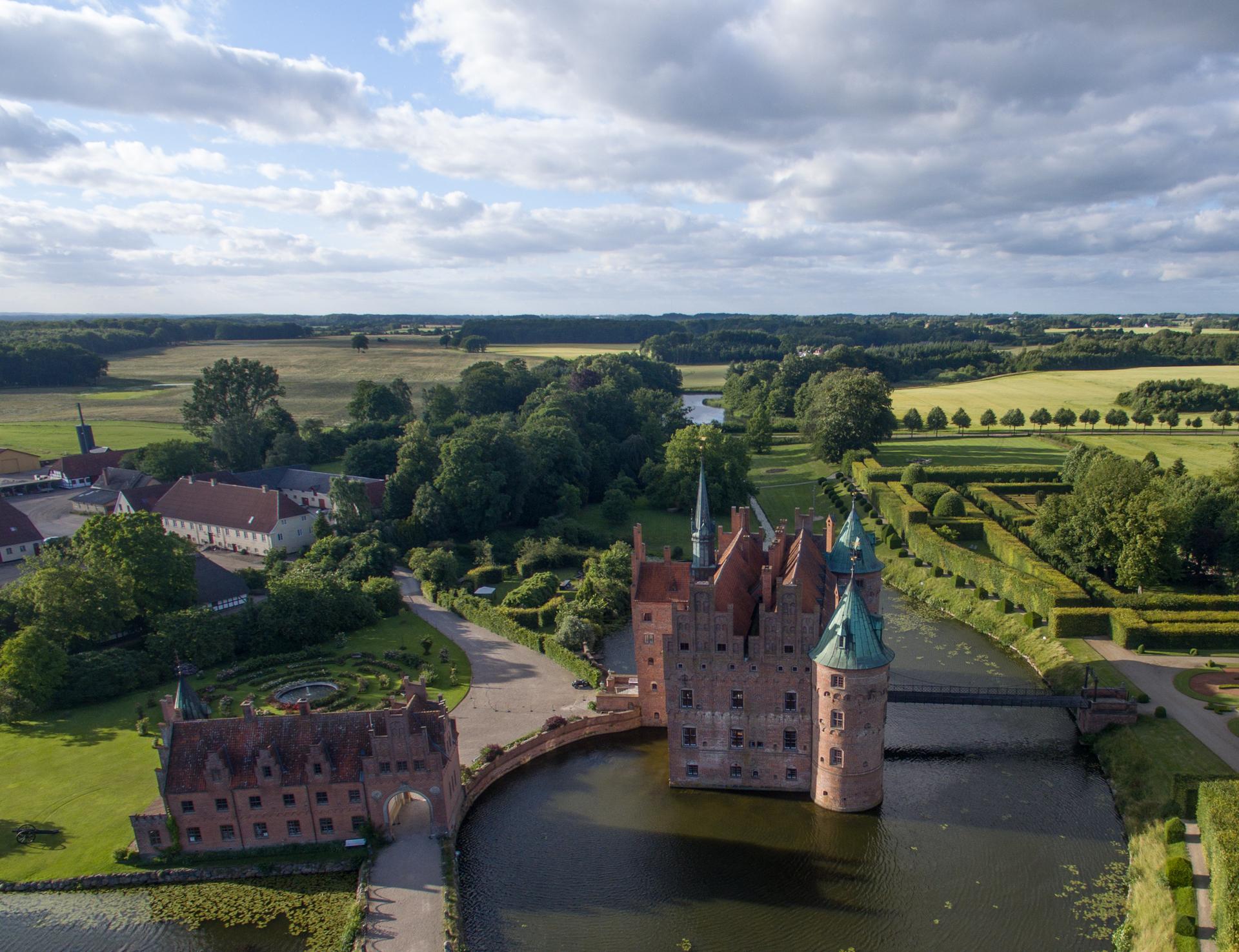
Looking beyond Seden Strand? Discover Funen for broader travel guides, local hot-spots, and regional highlights.
Explore Funen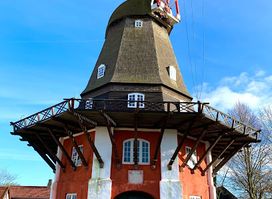
Working 1820 village windmill on Odense’s northern edge, where historic machinery, apple gardens and lively seasonal events bring rural Denmark to life.

A modest open-air classroom on Odense’s rural edge, Jordrummet invites hands-on encounters with soil, fields, and quiet green space between town and countryside.
