Thriges Kraftcentral Travel Guide
Free Guide: A fully operational 1916 power station where vintage diesel engines roar to life monthly, preserving a century of industrial innovation.


A brief summary of Thriges Kraftcentral
A fully operational 1916 power station where vintage diesel engines roar to life monthly, preserving a century of industrial innovation.
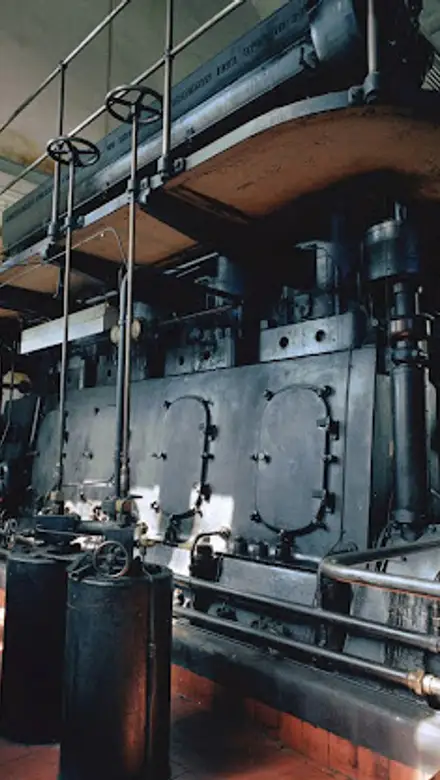
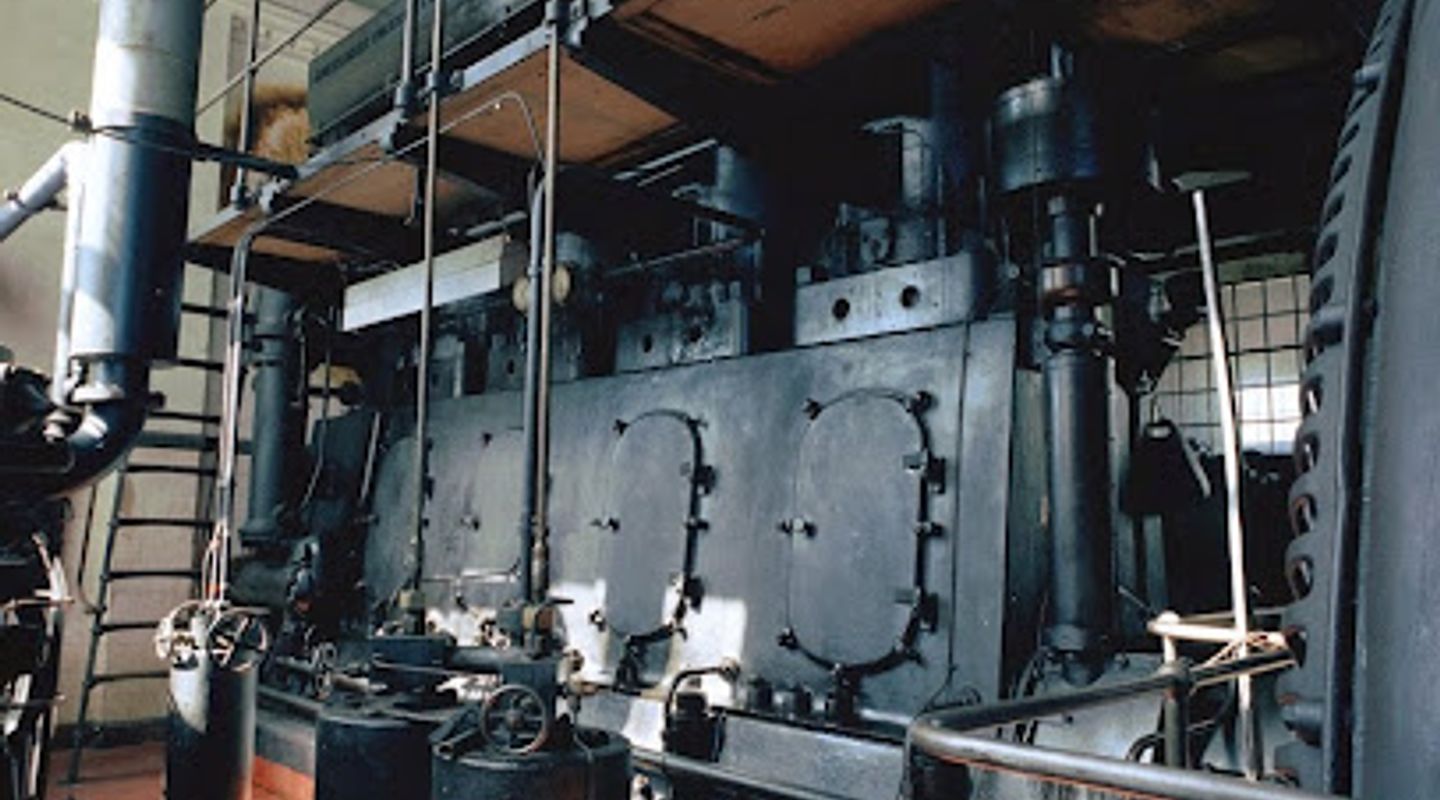
A meticulously preserved industrial power station built in 1916 for Thomas B. Thrige's factory complex, now operating as a museum branch under Museum Odense. The building showcases a rare intact interior from the early era of electrical engineering, featuring an original B&W diesel generator from 1923 that is ceremonially started on the first Sunday of each month (except January and July). Visitors can witness the machine in operation and explore exhibitions detailing Thomas B. Thrige's life, his company's history, and the power station's pivotal role in supplying electricity and heat to Odense's industrial district.
On-site amenities
 Information boards
 Seating areas
Opening hours
- MonClosed
- TueClosed
- WedClosed
- ThuClosed
- FriClosed
- Sat12 am–12:15 am
- SunClosed
Opening hours as listed on the venue’s Google Business Profile. Hours can change for services and special events, so check with the venue before you go.
- Address
- Haubergsvej 1, 5000 Odense C
- Phone
- Website
Getting there
Public Transport from Odense Central Station
Walking from City Center
Cycling
Private Vehicle
Discover more about Thriges Kraftcentral
Industrial Heritage and Architectural Significance
Thriges Kraftcentral stands as a nationally important industrial building, designed by architect Niels Jacobsen and completed in 1916. The power station was the beating heart of Thomas B. Thrige's expansive factory complex in Odense, supplying electricity and heat not only to the manufacturing facilities but also to the entire Skibhus Quarter of the city. The building's design reflects the industrial aesthetic of the early 20th century, with robust construction methods and engineering principles that have allowed it to survive largely intact for over a century.The original installation comprised a large diesel motor, two steam turbines, and a screw-tube boiler, representing state-of-the-art power generation technology for its time. In 1923, the initial B&W diesel engine was replaced with a more powerful model to meet growing demand. By 1926, further expansion occurred when Thrige acquired an upgraded turbine and generator from Odense's municipal electricity supply, demonstrating the facility's continuous evolution to serve industrial needs.
The Diesel Engine and Monthly Demonstrations
The centerpiece of the museum is the original B&W diesel generator installed in 1923, which remains fully operational. On the first Sunday of each month (excluding January and July), members of the Dieselgruppen—a dedicated group of volunteer mechanical engineers and enthusiasts—ceremonially start the machine, allowing visitors to experience the sights, sounds, and vibrations of early diesel-powered electricity generation. These monthly demonstrations transform the museum into a living history experience, bridging the gap between static preservation and dynamic understanding of industrial machinery.The diesel engine represents a crucial moment in the history of electrical engineering, when mechanical power generation was transitioning from steam to internal combustion. Watching the machine operate provides tangible insight into the engineering challenges and solutions of the era, as well as the physical demands of maintaining industrial infrastructure.
Restoration and Museum Development
After World War II, Thrige faced a critical decision regarding the power station's future. Rather than expand the facility with additional diesel equipment, the company chose to purchase electricity from Odense's municipal supply—a decision that likely reflected both economic considerations and the changing landscape of industrial energy provision. This choice inadvertently preserved the power station in its mid-20th-century state, preventing the modernizations that might have destroyed its historical integrity.In 2005 and 2006, comprehensive conservation work restored the building to its current condition. Thomas B. Thrige's Foundation financed the renovation, generator restoration, and creation of the museum exhibition. Since 2007, Thriges Kraftcentral has operated as a branch museum under Museum Odense (formerly Odense City Museums), ensuring professional curation and public access.
The Exhibition: Thomas B. Thrige and Industrial Odense
The museum houses a dedicated exhibition titled "High Speed! Thomas B. Thrige, the Company and the Power Center," which contextualizes the power station within the broader narrative of industrial development in Odense. The exhibition explores Thomas B. Thrige's entrepreneurial vision, the growth of his manufacturing enterprises, and the crucial role that reliable electricity played in enabling industrial production. Through photographs, artifacts, and explanatory panels, visitors gain understanding of how the power station functioned as both a technical marvel and a symbol of Odense's transformation into an industrial center.
Rare Intact Interior and Engineering Details
What distinguishes Thriges Kraftcentral from many other industrial heritage sites is the exceptional preservation of its interior. The machinery, control systems, piping, and structural elements remain largely original, offering a complete snapshot of early-20th-century power generation technology. This rarity makes the site invaluable for engineers, historians, and anyone interested in the material culture of industrial modernity. The building's interior layout reveals the spatial logic of power generation—how fuel, water, and mechanical systems were organized to maximize efficiency and safety.The screw-tube boiler, turbine housings, generator frames, and control panels all bear witness to the craftsmanship and engineering knowledge of their era. Many components are labeled and explained, allowing visitors to trace the flow of energy from fuel combustion through mechanical conversion to electrical generation.
Location and Urban Context
Situated at Buchwaldsgade 33 in Odense's city center, the power station occupies a strategic location within the historic industrial quarter. The building's proximity to the Danish Railway Museum and other cultural institutions makes it accessible to visitors exploring Odense's broader heritage. The surrounding neighborhood retains traces of its industrial past, though modern urban development has transformed much of the area. The power station's careful restoration demonstrates a commitment to preserving industrial memory within an evolving cityscape.
Evendo Review Centre
 Google
Guest reviews
Best time to go
Quietest: Jan, Feb & Jul · before 7am or at 8pm
Busy times are Evendo estimates for a typical year, to help you plan. Actual crowds vary with events, school holidays and the weather.
Explore Thriges Kraftcentral on the map
A handpicked selection of must-see spots near Thriges Kraftcentral, mapped for you.
Get your free copy of our complete guide to Thriges Kraftcentral, delivered straight to you.
Everything on this page, from opening hours and how to get there to Eve’s tips and the best time to go, in one PDF you can read offline, print or share.
Already have an account? Sign in
Your Thriges Kraftcentral guide is ready.
We'll send it to · Not you? Sign out

Getting your guide ready…
We are putting together a fresh copy of the Thriges Kraftcentral guide. This can take up to a minute.
This can take a few moments. If your browser asks, choose Allow so the download can start. You'll find the guide in your Downloads folder.
Nothing happened? Download it again
Sorry, the guide is taking longer than usual. Please try again in a minute, or get it by email instead.
Other nearby places you may find interesting
The closest places of the same kind, if this one is not quite what you had in mind.
-
-
-
-
-


Swipe for more places
More to explore near Thriges Kraftcentral

 Best experiences near Thriges Kraftcentral
 Best hotels near Thriges Kraftcentral
 Best landmarks near Thriges Kraftcentral
 Best attractions near Thriges Kraftcentral
 Best shops near Thriges Kraftcentral
 Best restaurants near Thriges Kraftcentral
 Best bars near Thriges Kraftcentral
Do you manage this location?
Take control to get all the benefits, like improved information, better appearance, and stronger visibility across AI-powered discovery.
Explore more
Explore more of Funen
Discover Funen, Denmark's lush island treasure, where fairy tales come to life amidst scenic landscapes, historic castles, and vibrant cultural heritage.
Explore Funen
Explore more of Denmark
Discover Denmark: A perfect blend of history, modern design, and the cozy concept of hygge. Explore vibrant cities, serene landscapes, and world-class cuisine.
Explore Denmark