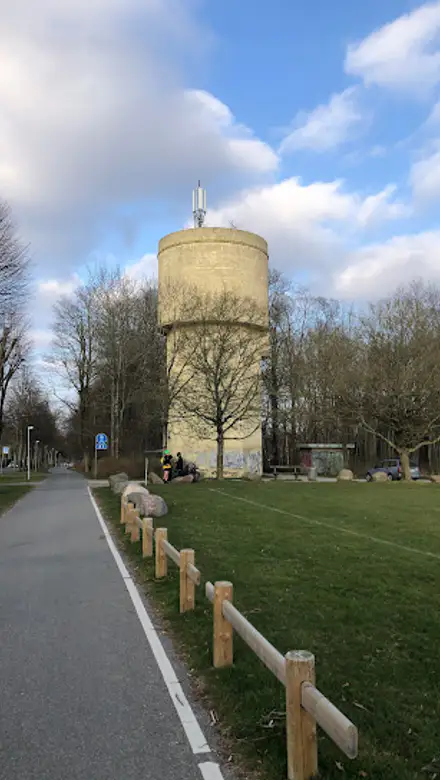
Det gamle vandtårn, Odense Travel Guide
Free Guide: A striking red-brick monument to Odense's industrial heritage and early 20th-century urban modernization.


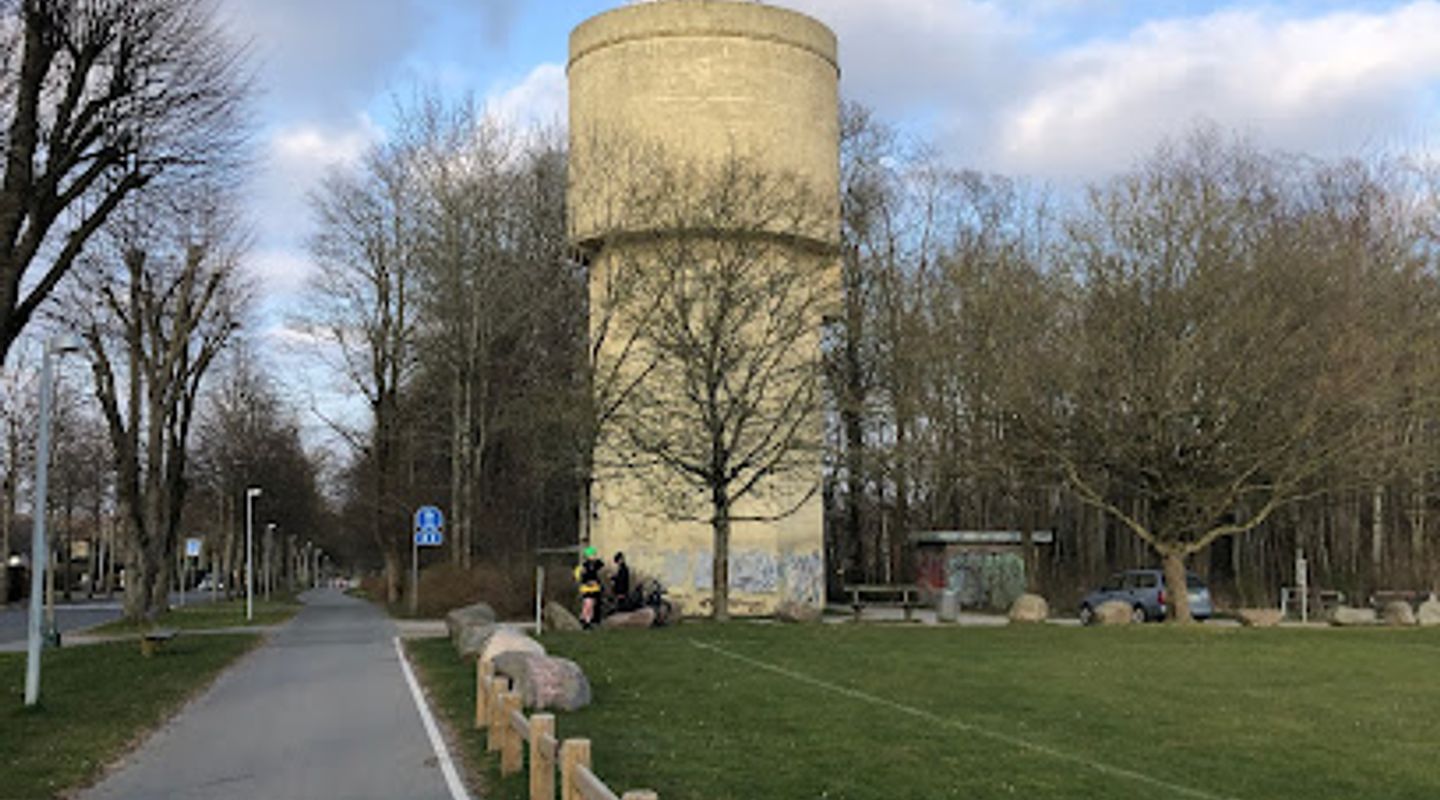
A brief summary of Det gamle vandtårn
A striking red-brick monument to Odense's industrial heritage and early 20th-century urban modernization.
Det gamle vandtårn is a historic brick water tower located in Odense, Denmark, representing an important chapter in the city's industrial and infrastructural development. Built in the early 20th century, this striking red-brick structure once served as a vital component of Odense's water supply system. Today, it stands as a testament to the engineering achievements of Denmark's industrial era and offers visitors insight into how modern utilities transformed urban life in the Nordic region.
On-site amenities
 Information boards
Opening hours
- Every dayOpen 24 hours
Opening hours as listed on the venue’s Google Business Profile. Hours can change for services and special events, so check with the venue before you go.
- Address
- Dalumgårds Alle 40A, 5250 Odense
Getting there
Public Bus
Bicycle
Car
Walking
Discover more about Det gamle vandtårn
A Monument to Industrial Progress
Det gamle vandtårn, or the Old Water Tower, is a remarkable brick structure that dominated Odense's skyline for over a century. Built in 1905 in the Romanesque style during the height of the Art Nouveau period, this 33-meter-tall tower was designed to hold a 110-cubic-meter reservoir. The tower's distinctive red-brick construction reflects the architectural preferences of early 20th-century Danish industrial design, when functional structures were crafted with both purpose and aesthetic consideration. Its prominent location at Dalumgårds Alle made it a recognizable landmark throughout the southwestern districts of Odense.
Engineering Marvel of Its Era
The water tower represented cutting-edge infrastructure for its time. Odense had pioneered modern water supply systems in Denmark, with the city establishing its first water and gas works in 1853—among the earliest in the nation. The old water tower was part of this legacy, serving the growing population as Odense transformed from a medieval trading center into an industrial city. The tower's design allowed gravity to distribute water pressure throughout the city's expanding neighborhoods, a system that proved efficient and reliable for decades. The engineering principles behind such towers were revolutionary, enabling cities to manage water distribution without constant mechanical pumping.
Architectural Character and Urban Significance
The tower's Romanesque brick design, executed during the flourishing Art Nouveau movement, gives it a distinctive character that sets it apart from purely utilitarian structures. The craftsmanship evident in its construction—the careful brickwork, proportions, and detailing—reflects a period when Danish architects and engineers took pride in creating infrastructure that was both functional and visually compelling. The tower's presence in the urban landscape served as a symbol of Odense's modernity and progress, much like the later Odinstårnet would become in the 1930s. Its red-brick facade has weathered over a century of Danish weather, standing as a durable testament to quality construction.
From Essential Utility to Historical Landmark
As Odense continued to grow and modernize throughout the 20th century, the old water tower eventually became surplus to the city's expanding water infrastructure needs. By the 1950s, the city's water distribution system had evolved significantly, and the tower was decommissioned from active service. Despite losing its original function, the structure has been preserved as a historical monument, recognized for its cultural and architectural value. Today, it stands as a tangible link to Odense's industrial heritage, offering visitors and residents alike a physical reminder of how the city modernized and adapted to meet the needs of its growing population.
A Window into Odense's Development
The old water tower tells the story of Odense's transformation from a medieval city into a modern urban center. In the 18th century, King Frederick IV ordered the rebuilding of Odense Palace and the construction of a canal to the harbor, facilitating trade and growth. By the 19th century, the city had become Denmark's second-largest urban center, with rapid industrial development spreading south of the river. The water tower, built in this context of expansion and modernization, represents the infrastructure investments that made such growth possible. Its preservation allows contemporary visitors to understand the practical innovations that shaped urban life in early 20th-century Denmark.
Evendo Review Centre
 Google
Guest reviews
Best time to go
Quietest: Jan, Feb & Dec · before 6am or at 9pm
Busy times are Evendo estimates for a typical year, to help you plan. Actual crowds vary with events, school holidays and the weather.
Explore Det gamle vandtårn on the map
A handpicked selection of must-see spots near Det gamle vandtårn, mapped for you.
Get your free copy of our complete guide to Det gamle vandtårn, delivered straight to you.
Everything on this page, from opening hours and how to get there to Eve’s tips and the best time to go, in one PDF you can read offline, print or share.
Already have an account? Sign in
Your Det gamle vandtårn guide is ready.
We'll send it to · Not you? Sign out

Getting your guide ready…
We are putting together a fresh copy of the Det gamle vandtårn guide. This can take up to a minute.
This can take a few moments. If your browser asks, choose Allow so the download can start. You'll find the guide in your Downloads folder.
Nothing happened? Download it again
Sorry, the guide is taking longer than usual. Please try again in a minute, or get it by email instead.
Other nearby places you may find interesting
The closest places of the same kind, if this one is not quite what you had in mind.
-
-
-
-
-


Swipe for more places
More to explore near Det gamle vandtårn

 Best experiences near Det gamle vandtårn
 Best hotels near Det gamle vandtårn
 Best landmarks near Det gamle vandtårn
 Best attractions near Det gamle vandtårn
 Best shops near Det gamle vandtårn
 Best restaurants near Det gamle vandtårn
 Best bars near Det gamle vandtårn
Do you manage this location?
Take control to get all the benefits, like improved information, better appearance, and stronger visibility across AI-powered discovery.
Explore more

Explore more of Odense
Discover Odense, Denmark's enchanting city where fairy tales come to life amidst historic streets, vibrant culture, and scenic beauty.
Explore Odense
Explore more of Denmark
Discover Denmark: A perfect blend of history, modern design, and the cozy concept of hygge. Explore vibrant cities, serene landscapes, and world-class cuisine.
Explore Denmark