Background

Sophienholm Kunsthal

A neoclassical estate where Denmark's Golden Age salon culture meets contemporary art in a romantic lakeside setting.

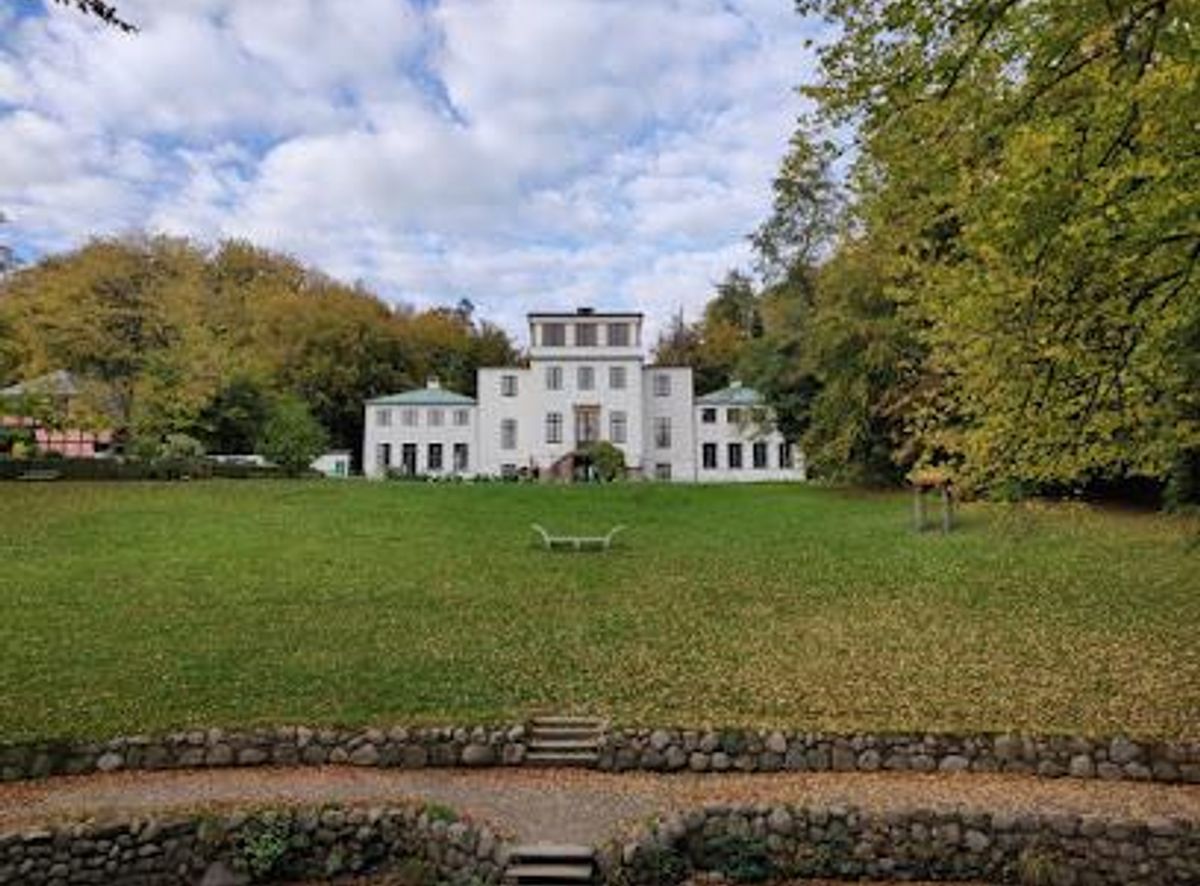
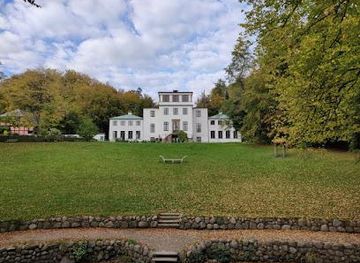
Sophienholm is a neoclassical country estate built in 1768 and transformed into a contemporary art gallery showcasing rotating exhibitions of modern and historical art. Set within a romantic landscape garden designed by French architect Joseph-Jacques Ramée, the estate overlooks Lake Bagsværd and hosts art exhibitions, summer concerts, and cultural events year-round. The property carries rich cultural heritage as the former salon of writer Friederike Brun during Denmark's Golden Age.

A brief summary to Sophienholm

  • st, Nybrovej 401, Lyngby, 2800, DK
  • Visit website
  • Duration: 2 to 4 hours
  • Mid ranged
  • Environment icon Mixed
  • Mobile reception: 4 out of 5

Local tips

  • Visit during summer months for outdoor concerts and garden events that recreate the spirit of Friederike Brun's legendary salons.
  • Allow time to explore the romantic landscape garden and woodland paths; the park's design evolution spans two centuries of Danish gardening tradition.
  • Check the exhibition schedule in advance, as the gallery hosts rotating contemporary art shows that change seasonally.
  • Visit the CoBrA Room to see the historic ceiling decoration by the influential artist collective and learn about mid-twentieth-century Danish art movements.
  • The on-site restaurant serves seasonal cuisine and is known for its signature Gateau Marcel chocolate cake—a perfect complement to your visit.
widget icon

Getting There

  • Train and Local Bus

    From Copenhagen Central Station, take the S-train line A or E toward Hillerød or Høje Taastrup, alighting at Lyngby Station (approximately 20–25 minutes). From Lyngby Station, board local bus 184 or 185 toward Bagsværd or Birkerød, exiting at the Sophienholm stop (approximately 10–15 minutes). Total journey time is roughly 40–50 minutes. Buses operate regularly throughout the day with reduced frequency on Sundays. Single tickets cost approximately 24–36 DKK depending on zones.

  • Bicycle

    From central Copenhagen, cycle north via the Bagsværd route or Lyngby cycle paths, a distance of approximately 15–18 kilometers. The journey takes 45–60 minutes depending on your starting point and route chosen. Dedicated cycle lanes exist for much of the route. Sophienholm provides bicycle parking facilities. This option is most practical during mild weather months and offers scenic views of North Zealand's landscape.

  • Private Car

    From Copenhagen, drive north on Route 2 or Route 16 toward Lyngby, following signs for Kongens Lyngby and Bagsværd. Sophienholm is located at Nybrovej 401, 2800 Kongens Lyngby. Journey time from central Copenhagen is approximately 25–35 minutes depending on traffic conditions. The estate offers on-site parking facilities. Note that parking may be limited during major exhibitions or special events.

  • Guided Tour from Copenhagen

    Several Copenhagen tour operators offer half-day and full-day excursions to Sophienholm, often combined with visits to other North Zealand attractions. These typically include transportation from central Copenhagen, guided interpretation of the estate's history and current exhibitions, and access to the grounds. Tour duration ranges from 4–8 hours. Prices vary by operator but generally range from 400–800 DKK per person, including transport and guide services.

Sophienholm location weather suitability

  • Weather icon Any Weather
  • Weather icon Clear Skies
  • Weather icon Mild Temperatures

Unlock the Best of Sophienholm

Buy tickets

    No tickets available

Book tours with entry

    No tours available

Book tours without entry

    No tours available

Discover more about Sophienholm

A Neoclassical Masterpiece and Cultural Icon

Sophienholm stands as an architectural and cultural landmark in North Zealand, originally constructed in 1768 by Theodor Holmskiold, director-in-chief of the Danish Postal Services. The estate takes its name from Sophie Holmskiold, the director's wife. In 1790, the property was acquired by Constantin Brun, a wealthy merchant, who commissioned renowned French architect Joseph-Jacques Ramée to undertake a comprehensive renovation. Between 1800 and 1805, Ramée virtually rebuilt and enlarged the main residence in strict French neoclassical style, creating one of his most significant works. The transformation elevated Sophienholm from a modest country house into an elegant estate that would become a beacon of cultural refinement.

The Golden Age Salon and Friederike Brun's Legacy

The true cultural significance of Sophienholm emerged through the vision and influence of Friederike Brun, Constantin's wife and a celebrated writer, poet, and composer of her era. Friederike had traveled extensively throughout Italy, Rome, and Geneva, where she had established renowned literary and musical salons. At Sophienholm, she recreated this intellectual atmosphere, gathering the foremost creative minds of Denmark's Golden Age during summer months. The estate became a meeting place for celebrated writers including Adam Oehlenschläger, Johannes Ewald, and Jens Baggesen, as well as composers such as Christoph Ernst Friedrich Weyse. European intellectuals and even royalty, including Prince Christian (later Christian VIII) and his consort, graced the legendary garden parties and evening entertainments. These gatherings left an indelible mark on Danish cultural history, inspiring literary works such as Oehlenschläger's poem "Til Frøken Ida Brun," which opens with the famous line "Sophienholm! hvi mørkner du din Himmel?"

The Romantic Landscape Garden

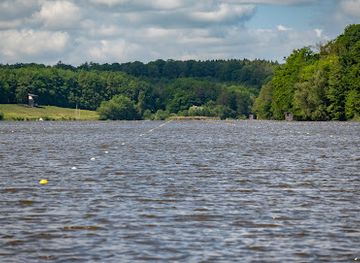
The gardens of Sophienholm represent a unique chapter in Danish landscape design tradition. Designed by Joseph-Jacques Ramée in the English romantic style, the park features open grassy expanses, mature specimen trees, and carefully composed vistas overlooking Lake Bagsværd. Ramée's original design was enriched by subsequent owners with thoughtful additions, including a Norwegian pavilion, a Chinese garden house, and a network of winding woodland paths. The estate's horticultural ambitions extended to exotic elements—Friederike famously introduced donkeys for leisurely rides along the sloping forest trails, creating a miniature Italian province in the Danish countryside. The romantic park remains a living testament to two centuries of Danish landscape gardening evolution and continues to provide visitors with intimate natural spaces interspersed with cultural attractions.

Preservation and Contemporary Purpose

Following the Brun family's era, Sophienholm passed through several private owners before being acquired by publisher Carl Aller in 1882. The Aller family maintained the estate until 1963, when Lyngby-Taarbæk Municipality assumed ownership. The main building had deteriorated significantly, necessitating extensive restoration work. The municipality carefully restored the structure and reopened it to the public in 1967 as an exhibition space dedicated to Danish Golden Age art. A second major restoration in 1994 introduced modern conservation systems while preserving the building's historical integrity. Today, Sophienholm operates as a leading contemporary art gallery, hosting four to five major exhibitions annually alongside smaller rotating displays.

Art and Cultural Programming

Sophienholm's transformation into a vibrant art institution honors its historical role as a cultural gathering place. The main gallery presents contemporary and modern art exhibitions that attract visitors throughout the Greater Copenhagen region. The CoBrA Room, housed in a former woodland studio, features a ceiling decorated by the influential CoBrA artist collective and serves as a museum annex for experimental contemporary art. Outdoor sculpture installations by renowned Danish artists including Jørgen Haugen Sørensen and Ib Spang Olsen are permanently positioned throughout the grounds. The estate hosts summer concerts, theatrical performances, guided pod-walks through the park, and cultural workshops that animate both the building and landscape. A memorial obelisk near the entrance, erected by the Aller family in the late nineteenth century, honors Constantin, Friederike, and their daughter Ida, ensuring the Brun family's cultural contributions remain visible to all visitors.

Busiest months of the year

Busiest hours of the day

Popular Experiences near Sophienholm

Popular Hotels near Sophienholm

Select Currency