St Alban's Church, North Zealand Travel Guide
A flint‑walled English parish church with royal ties, set in a tranquil Copenhagen park beside Kastellet’s moat and the sweeping waterside promenade.
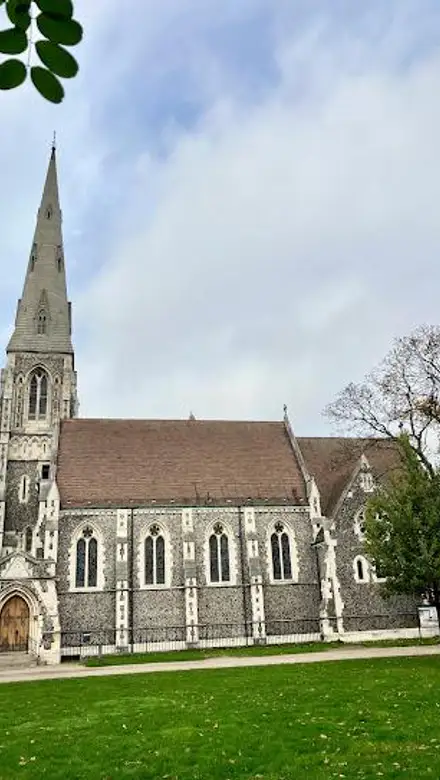
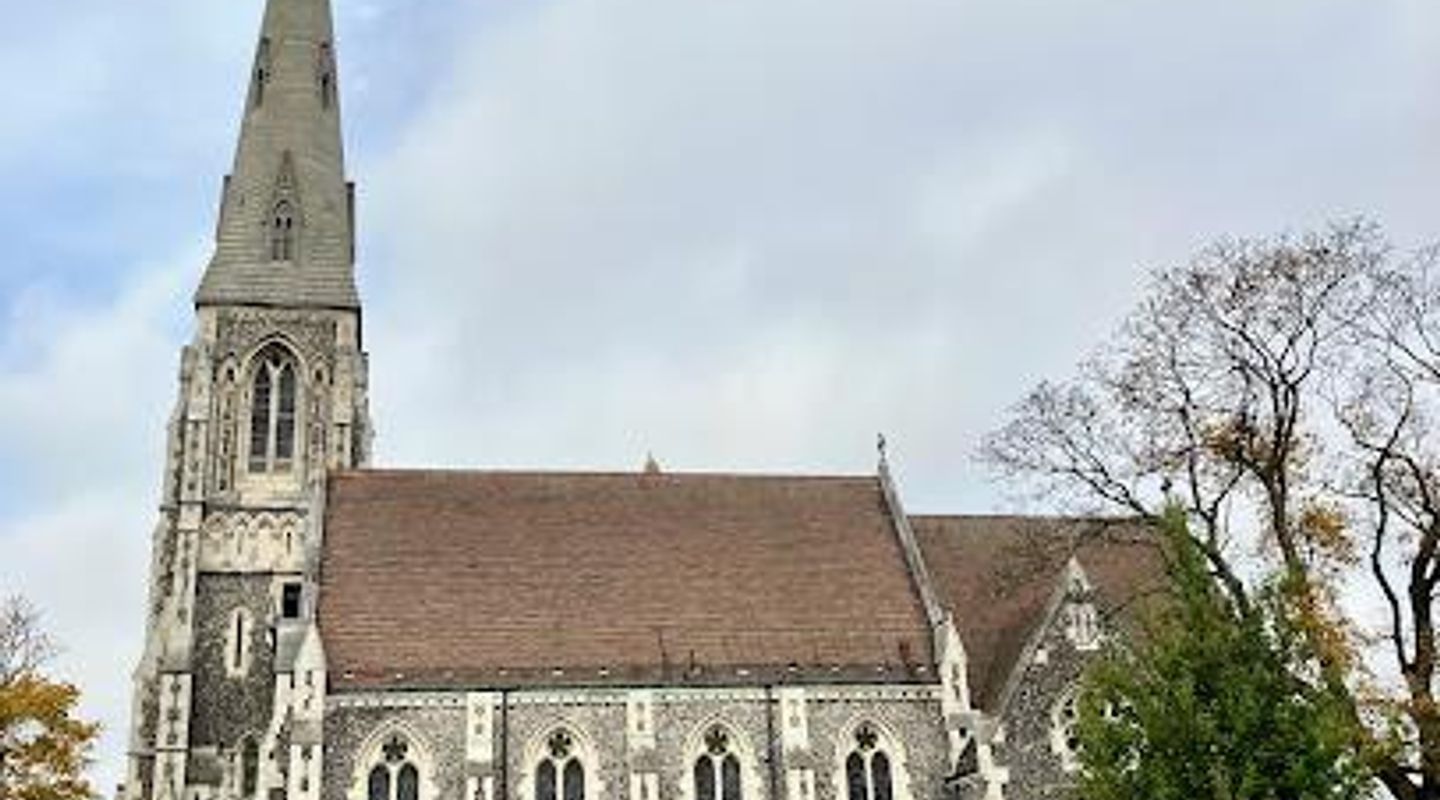
St Alban’s Church, often called the English Church, is a striking Gothic Revival Anglican church set amid the greenery of Churchillparken in central Copenhagen. Built between 1885 and 1887 for the city’s English congregation, it stands beside the star-shaped fortress Kastellet and the Gefion Fountain. With its flint and limestone walls, tall spire, stained-glass windows and calm, light-filled interior, it offers a tranquil contrast to the busy waterfront and a tangible link between Danish and British history.
A brief summary to St Alban's Church
- Churchillparken 11, Indre By, Indre By, 1263, DK
- Click to display
- Click to display
- Duration: 0.5 to 1.5 hours
- Free
-
 Mixed
Mixed
- Mobile reception: 5 out of 5
- Monday 10 am-1 pm
- Tuesday 10 am-1 pm
- Wednesday 10 am-1 pm
- Thursday 10 am-1 pm
- Friday 10 am-1 pm
- Saturday 10 am-1 pm
- Sunday 1 pm-4 pm

Know before you go
Hi, I'm Eve. Here are a few practical things to know before exploring St Alban's Church.
- Plan your visit during the church’s posted opening hours (typically late morning to early afternoon) if you want to see the interior; times can vary on church and public holidays.
- Walk a full loop around the church and nearby moat to find the best photo angles, especially the reflection of the spire in the water near Kastellet.
- If you enter during a service, sit quietly toward the back or wait near the entrance so as not to disturb worship, and avoid flash photography inside.
- Combine your stop here with visits to Kastellet and the Gefion Fountain; they are only a few minutes’ walk away and share the same park landscape.
- In cooler months, bring a warm layer; the historic stone interior can feel noticeably cooler than the outside air, especially on overcast days.
Do you manage this location?
Take control to get all the benefits, like improved information, better appearance, and stronger visibility across AI-powered discovery. Learn more about listing your business on Evendo
Activate your presenceOther nearby places you may find interesting
The closest places of the same kind, if this one is not quite what you had in mind.
Explore St Alban's Church on the Map
A handpicked selection of must-see spots near St Alban's Church, mapped for you.
Unlock the Best of St Alban's Church
Buy tickets
-
No tickets available
Book tours with entry


Getting There
-
Metro and Walk from Central Copenhagen
From Nørreport or Kongens Nytorv stations, take the M3 or M4 metro to Marmorkirken or Østerport; trains run every few minutes and a single zone ticket costs roughly 20–30 DKK. From either station, expect a 10–15 minute mostly level urban walk through central streets and park paths to reach the church. The route is paved and suitable for most visitors, though cobblestones in some sections may be less comfortable for wheelchairs or prams.
-
City Bus to Churchillparken Area
Several city bus lines run along the harbourfront and major arteries near Churchillparken, with stops within a 5–10 minute walk of St Alban’s Church. A standard bus ticket is typically 20–30 DKK, valid across buses, metro and local trains. Buses run frequently during the day but less often late evenings and on Sundays. The final approach from the bus stop is on park paths and pavements, generally easy and flat.
-
Bicycle from Inner City Neighbourhoods
Copenhagen’s cycle lanes make it straightforward to reach the church by bike from neighbourhoods such as Indre By, Vesterbro or Nørrebro in about 10–20 minutes. You can use public bike‑share schemes or rental bikes, usually costing around 30–80 DKK per hour depending on provider. Cycling offers flexibility and scenic views along the harbour, but be prepared for brisk winds and follow local cycling rules, especially near busy junctions.
-
Taxi from Central Hotels or Train Stations
A taxi ride from the main railway station or central hotels to Churchillparken typically takes 10–20 minutes, depending on traffic, and costs in the region of 120–200 DKK. Taxis can drop passengers close to the park entrances, from where a short, gentle walk leads to the church. This option is convenient for travellers with limited mobility or luggage, though road congestion can increase travel time during rush hours.
For the on-the-go comforts that matter to you
-
 Restrooms
-
 Seating Areas
-
 Trash Bins
-
 Information Boards
Discover more about St Alban's Church
An English Parish Church in the Heart of Copenhagen
St Alban’s Church rises above the lawns of Churchillparken like a piece of rural England quietly transplanted to Denmark’s capital. Its slender spire, knapped flint walls and pale limestone trim immediately distinguish it from the surrounding brick and copper roofs. Dedicated to Saint Alban, traditionally venerated as Britain’s first Christian martyr, it serves as Copenhagen’s only Anglican church and a focal point for the city’s English-speaking community.Step closer and the textures become more apparent: dark, glossy flint nods to traditional English ecclesiastical building, while the pale stone tracery gives the whole exterior a lace-like quality. The church occupies a prime position at the edge of the old defensive landscape, where the moats of Kastellet meet the leafy paths leading to the harbour, making it as much a scenic landmark as a place of worship.Royal Patronage and Cross‑Channel Connections
The story of St Alban’s is deeply entwined with Anglo‑Danish relations. By the mid‑19th century, a growing British merchant and diplomatic community in Copenhagen was holding Anglican services in rented rooms and dreaming of a dedicated church. Fundraising stalled until a royal marriage changed the congregation’s fortunes: in 1863, the Danish princess Alexandra married the future King Edward VII of the United Kingdom.Alexandra became the driving force behind the church project, using her position to secure donations and, crucially, an attractive site on the former military esplanade outside Kastellet. The foundation stone was laid in 1885, and the consecration in 1887 drew an exceptional gathering of European royalty, symbolising the close ties between Denmark’s royal house and the British crown. Since then, the church has remained a visible reminder of those historic connections.Gothic Revival Details and Imported Craftsmanship
Architect Arthur Blomfield, a prolific British church designer, conceived St Alban’s as a textbook Gothic Revival parish church. Tall lancet windows, steeply pitched roofs and buttresses recall the "Early English" style of the 13th century. Much of the material palette reinforces its British identity: roof tiles, interior fittings and decorative elements were brought from the United Kingdom, complementing the Danish flint and limestone used for the walls.Inside, the mood shifts to one of hushed intimacy. Light filters through stained glass that incorporates heraldic motifs and references to both British and Danish royal patrons. A carved stone font, a modest yet graceful altar and dark wooden pews create a familiar Anglican layout. Despite the church’s relatively small size, the vaulted ceiling and narrow chancel give a gentle sense of verticality that draws the eye toward the east end.A Green Refuge beside Kastellet and the Harbour
Part of St Alban’s enduring appeal lies in its setting. Churchillparken wraps around the church with lawns, trees and gravel paths, while the water of Kastellet’s moat and the nearby Gefion Fountain add movement and sound. From some angles, the church is reflected in still water, framed by the grassy ramparts and bastions of the 17th‑century fortress.The surrounding parkland encourages a slower pace: visitors linger on benches, pause to photograph the spire against the sky, or simply walk the short loop that connects the church with the fountain and the ramparts. In spring and summer, leafy branches soften the Gothic outlines; in winter, the flint and stone stand out crisply against low Nordic light and bare trees.Living Anglican Community and Quiet Moments
Although many people encounter St Alban’s as a picturesque landmark, it is first and foremost a working parish church of the Anglican Communion. Regular services, often in English, draw a diverse congregation of expatriates, students, diplomats and Danes with international ties. The rhythm of weekly worship and seasonal celebrations brings warmth and continuity to the historic space.Outside service times, the church usually opens for a few hours most days, allowing visitors to sit quietly in a pew, admire the stained glass and appreciate the craftsmanship at close range. There is no obligation to stay long: even a short visit can offer a moment of calm amid a busy sightseeing route. Modest information displays inside help explain the church’s history and symbolism without disturbing the contemplative atmosphere.Photography, Reflection and Respectful Visiting
St Alban’s is particularly photogenic, whether captured from the paths around the moat, framed by the spray of the Gefion Fountain, or silhouetted against a glowing evening sky. Many visitors combine a stop here with explorations of the nearby fortress and waterfront promenades, using the church as a visual anchor in the landscape.As with any active place of worship, respectful behaviour is essential. Simple considerations—speaking softly, dressing with basic modesty, and pausing photography during services—help preserve the tranquillity that makes the church so appealing. For those willing to slow down, St Alban’s offers not just a scenic backdrop but a layered story of faith, diplomacy and architecture at the meeting point of Danish and British worlds.












Your all‑in‑one travel companion app
Explore expert travel guides, compare and book tours, experiences, hotels, and more—all from the palm of your hand. Download now for seamless trip planning wherever your wanderlust takes you.


Explore More of North Zealand
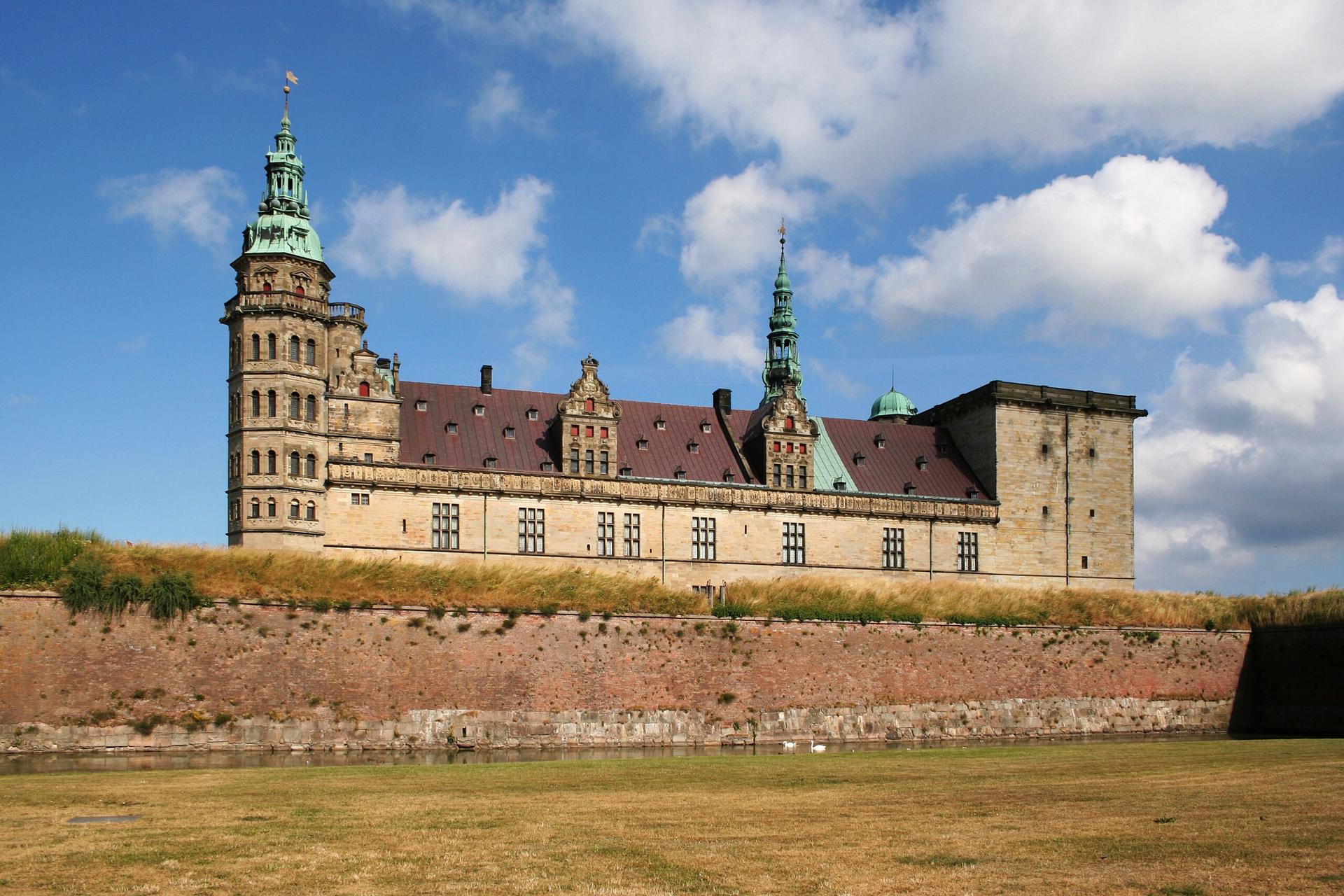
Looking beyond St Alban's Church? Discover North Zealand for broader travel guides, local hot-spots, and regional highlights.
Explore North Zealand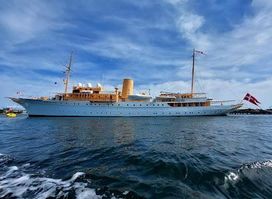
A graceful 1930s royal yacht moored in Copenhagen’s harbour, Kongeskibet Dannebrog is a floating palace and naval vessel that quietly showcases Denmark’s maritime monarchy.

Go underground beside Copenhagen’s Citadel to follow five real lives through occupation, resistance and collaboration in a gripping World War II museum.