

Medicinsk Museion Travel Guide
Free Guide: A historic surgeons’ academy turned cutting‑edge medical museum, where anatomical theatres, preserved bodies and artful exhibits reveal how we understand health and disease.


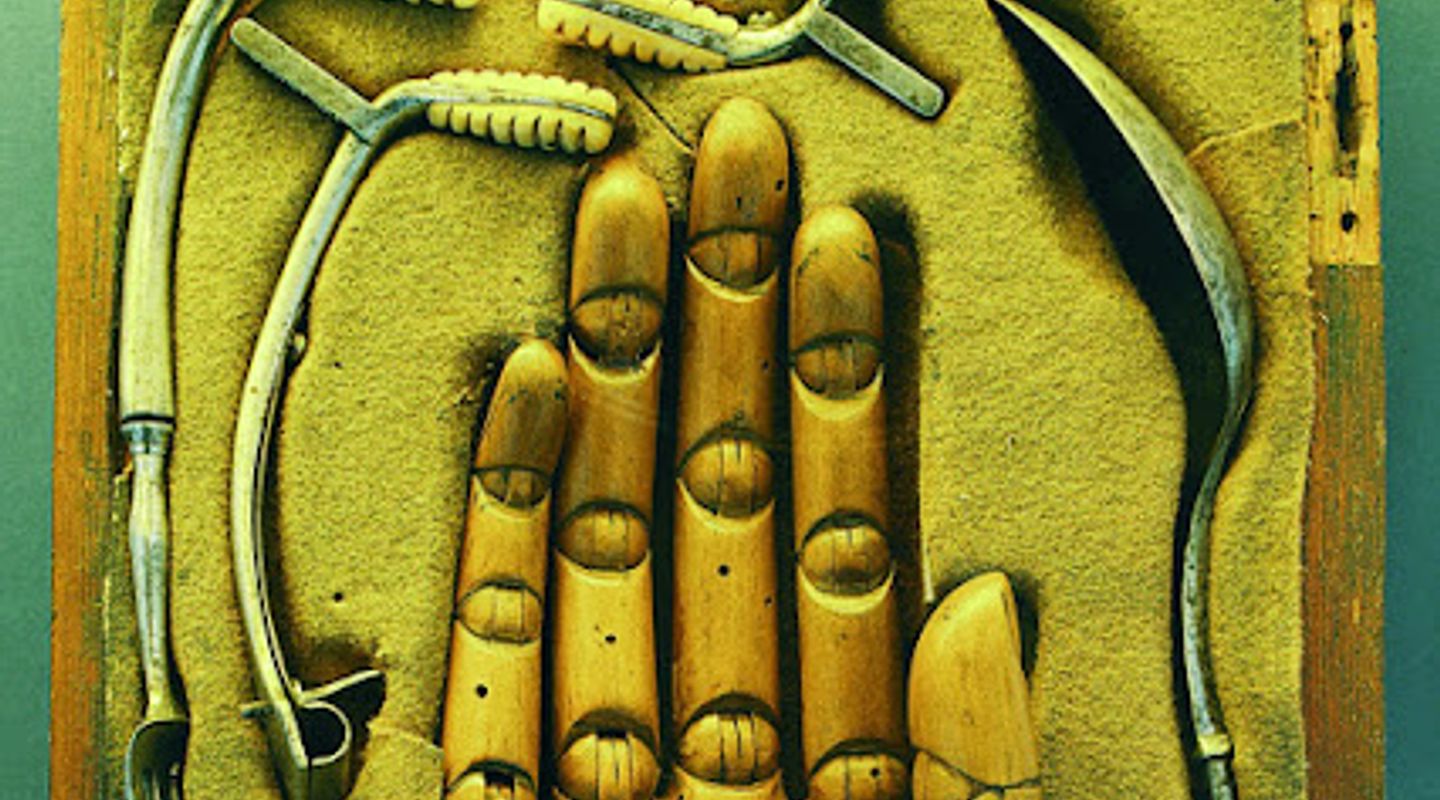
A brief summary of Medicinsk Museion
A historic surgeons’ academy turned cutting‑edge medical museum, where anatomical theatres, preserved bodies and artful exhibits reveal how we understand health and disease.
Housed in the former Royal Academy of Surgeons from 1787, Medical Museion on Bredgade turns the history of medicine into an intimate, often intense encounter with the human body. Exhibitions like Mind the Gut and The Body Collected mix historic specimens, instruments, and contemporary art to explore everything from epidemics and psychiatry to DNA and the microbiome. Atmospheric wooden lecture theatres, glass jars of preserved organs, and thought‑provoking displays make this compact museum one of Copenhagen’s most distinctive science and history experiences.
On-site amenities
 Restrooms
 Drink options
 Food options
 Seating areas
 Trash bins
 Information boards
Opening hours
- MonClosed
- Tue10 am–4 pm
- Wed10 am–4 pm
- Thu10 am–4 pm
- Fri10 am–4 pm
- Sat12 pm–4 pm
- Sun12 pm–4 pm
Opening hours as listed on the venue’s Google Business Profile. Hours can change for services and special events, so check with the venue before you go.
- Address
- Bredgade 62, 1260 København
- Phone
- Website
Getting there
Metro from central Copenhagen
City bus services
Bicycle within central Copenhagen
Taxi or rideshare within the city
Discover more about Medicinsk Museion
Where surgery met science in 18th‑century Copenhagen
Step inside the stately building on Bredgade and you enter the former Royal Danish Academy of Surgeons, completed in 1787 for the training of generations of physicians and anatomists. The elegant classical facade gives way to creaking staircases, panelled rooms and long corridors that still feel very much like an academic institution. Today, the spaces are filled not with students but with one of Europe’s richest collections of medical artefacts, now curated by the University of Copenhagen as Medical Museion.The building itself is part of the story. As you move between floors, you trace the path medical students once followed from lecture hall to dissection room. Layers of history sit side by side: polished wooden banisters from the 18th century, modern display cases, and contemporary installations that probe ethical questions about bodies, data and disease.
The anatomical theatre and the drama of learning
At the core of Medical Museion lies its most evocative space: the original anatomical theatre. Steep, curved rows of wooden benches rise around a central demonstration table where cadavers were once dissected under the watchful eyes of aspiring surgeons. Standing here, you can almost hear the scrape of chairs and low murmur of lectures as new knowledge about muscles, nerves and organs was literally laid bare.The theatre is still used for talks and academic events, preserving a direct link between past and present medical teaching. Subtle lighting and minimal interventions mean the room feels remarkably authentic, offering a rare chance to sense how anatomy was taught long before digital screens and virtual simulations.
The Body Collected: confronting preserved remains
One of the museum’s most memorable exhibitions, The Body Collected, brings together centuries of preserved human material. Shelves of glass jars hold organs, bones, fetuses and tissue samples, charting how the human body has been collected, classified and conserved for research from the 18th century to the age of biobanks and DNA.The presentation is sober rather than sensational. Labels explain why certain specimens were kept, how preservation techniques evolved, and what each collection contributed to medical understanding. The atmosphere can be intense, and some displays may feel challenging, but they offer a powerful insight into the ethical and scientific questions that arise when bodies become material for knowledge.
Mind the Gut and the hidden links inside you
Another signature exhibition, Mind the Gut, dives into the relationship between brain, bowels and bacteria. Here, art installations, historical instruments and contemporary research objects sit side by side to explore how digestion, mood, identity and microbiomes intersect. You might find yourself looking at intricate drawings of intestines next to pill bottles, gut‑related technologies and creative works that translate bodily processes into sound or sculpture.Rather than presenting a single narrative, the exhibition invites you to consider how ideas about diet, stress, mental health and the “second brain” in our gut have shifted over time. It is both scientific and sensorial, making a complex field tangible through objects you can closely examine in intimate rooms.
From epidemics to contemporary health debates
Beyond these headline shows, Medical Museion tackles epidemics, vaccination, surgery, psychiatry and more recent health crises. Displays on historical outbreaks sit alongside material from the Covid‑19 pandemic, such as protective equipment and testing paraphernalia, capturing how quickly everyday items can become symbols of global events.Elsewhere, cases of surgical tools, X‑ray equipment and early hospital technologies reveal just how dramatically treatment has changed. Temporary exhibitions frequently zoom in on specific themes—from dentistry to metabolism—using the museum’s vast collection of 150,000‑plus artefacts to illuminate new angles on health and disease.
An intimate museum experience on Bredgade
Despite the breadth of its subject, Medical Museion remains compact and walkable. Exhibitions unfold over several floors connected by stairs, with a small shop and a tranquil historic courtyard where, in warmer months, a café serves drinks and light meals. Treasure hunts and specially designed materials make it engaging for curious older children, though the preserved specimens and graphic themes may be intense for younger or sensitive visitors.With its combination of atmospheric architecture, meticulously presented collections and intellectually ambitious storytelling, this is a museum that lingers in the mind long after you step back onto Bredgade’s busy street.
Evendo Review Centre
 Google
Guest reviews
Best time to go
Quietest: Jan, Feb & Mar · before 9am or from 7pm
Busy times are Evendo estimates for a typical year, to help you plan. Actual crowds vary with events, school holidays and the weather.
Explore Medicinsk Museion on the map
A handpicked selection of must-see spots near Medicinsk Museion, mapped for you.
Get your free copy of our complete guide to Medicinsk Museion, delivered straight to you.
Everything on this page, from opening hours and how to get there to Eve’s tips and the best time to go, in one PDF you can read offline, print or share.
Already have an account? Sign in
Your Medicinsk Museion guide is ready.
We'll send it to · Not you? Sign out

Getting your guide ready…
We are putting together a fresh copy of the Medicinsk Museion guide. This can take up to a minute.
This can take a few moments. If your browser asks, choose Allow so the download can start. You'll find the guide in your Downloads folder.
Nothing happened? Download it again
Sorry, the guide is taking longer than usual. Please try again in a minute, or get it by email instead.
Unlock the best of Medicinsk Museion
Skip-the-line tickets, guided tours with entry, and walking tours of the area, booked in a few clicks.

Other nearby places you may find interesting
The closest places of the same kind, if this one is not quite what you had in mind.
-
-
-
-
-


Swipe for more places
More to explore near Medicinsk Museion

 Best experiences near Medicinsk Museion
 Best hotels near Medicinsk Museion
 Best landmarks near Medicinsk Museion
 Best attractions near Medicinsk Museion
 Best shops near Medicinsk Museion
 Best restaurants near Medicinsk Museion
 Best bars near Medicinsk Museion
Do you manage this location?
Take control to get all the benefits, like improved information, better appearance, and stronger visibility across AI-powered discovery.
Explore more
Explore more of Zealand
Discover the charm of Zealand, Denmark's largest island, blending vibrant city life in Copenhagen with serene coastal beauty and rich cultural heritage.
Explore Zealand
Explore more of Denmark
Discover Denmark: A perfect blend of history, modern design, and the cozy concept of hygge. Explore vibrant cities, serene landscapes, and world-class cuisine.
Explore Denmark
