Alchemist, South Zealand Travel Guide
A boundary‑pushing Copenhagen shipyard turned dome‑lit stage, where chef Rasmus Munk’s “holistic cuisine” unfolds as a multi‑hour fusion of theatre, art and fine dining.
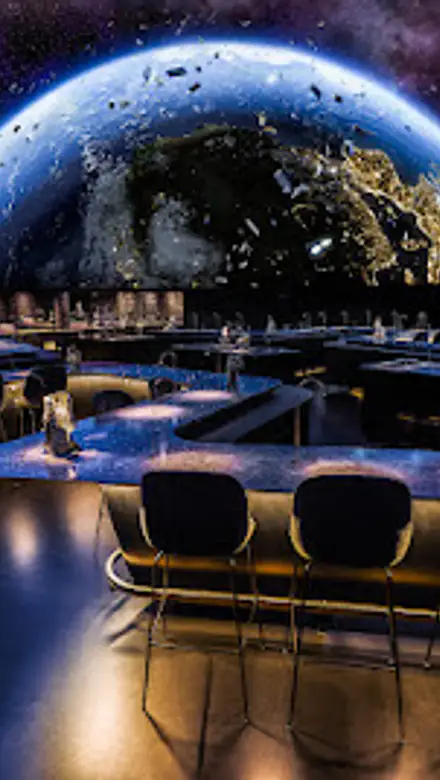
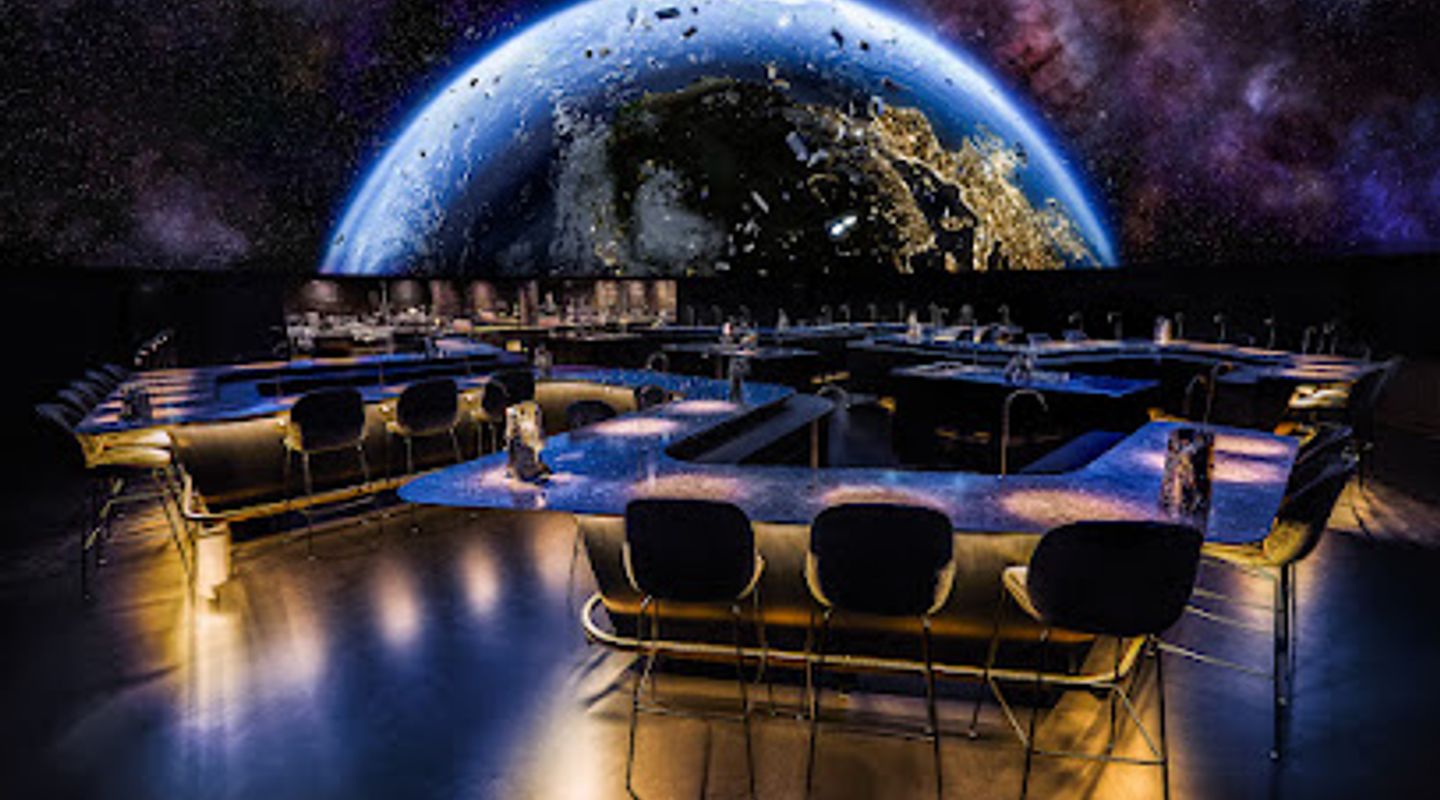
Hidden inside a former shipyard on Copenhagen’s Refshaleøen, Alchemist is less a restaurant and more a meticulously staged evening of “holistic cuisine.” Across a labyrinth of rooms and a vast planetarium‑like dome, chef Rasmus Munk presents dozens of small courses that fuse cutting‑edge technique, art installation, social commentary and serious Nordic produce. A night here can run well over five hours, blending theatre, light, sound and flavour into a single, immersive fine‑dining experience.
A brief summary to Alchemist
- Refshalevej 173C, København K, København K, 1432, DK
- Click to display
- Click to display
- Duration: 4.5 to 6.5 hours
- Luxury
-
 Indoor
- Mobile reception: 5 out of 5
- Tuesday 5 pm-12 am
- Wednesday 5 pm-12 am
- Thursday 5 pm-12 am
- Friday 5 pm-12 am

Know before you go
Hi, I'm Eve. Here are a few practical things to know before exploring Alchemist.
- Plan for a full evening: the Alchemist experience can run 5–6 hours or more, with many small courses and several room changes, so avoid scheduling anything afterwards.
- Bookings open well in advance and sell out quickly; join the waiting list early and be flexible with dates if you hope to secure a table.
- Mention any dietary restrictions when you book, as the highly choreographed menu requires notice to adapt without compromising the overall experience.
- Dress smart‑casual and comfortably; you will be seated and guided through different spaces for several hours under varying temperatures and lighting.
- Factor in the high cost of the set menu and pairings; there is no à la carte option, and payments are typically settled at the end of the long experience.
Do you manage this location?
Take control to get all the benefits, like improved information, better appearance, and stronger visibility across AI-powered discovery. Learn more about listing your business on Evendo
Activate your presenceOther nearby places you may find interesting
The closest places of the same kind, if this one is not quite what you had in mind.
Explore Alchemist on the Map
A handpicked selection of must-see spots near Alchemist, mapped for you.
Getting There
-
Public transport and short walk from central Copenhagen
From central Copenhagen, reach Refshaleøen by taking a bus or city harbor bus toward Refshaleøen and alighting at the nearest stop to the former shipyard area; the ride typically takes 15–25 minutes from the inner city and is covered by standard zone tickets or travel cards. From the stop, allow around 10–15 minutes on foot through a largely flat, ex‑industrial area that can feel exposed in bad weather but is easy to navigate. Services usually run frequently in the evening, but late‑night returns may be less frequent, so check the timetable in advance.
-
Taxi or ride‑hail from the city centre
A taxi or licensed ride‑hail from central Copenhagen to Refshalevej 173C typically takes 10–20 minutes, depending on traffic and departure point. Fares generally range from about 150 to 250 DKK one way, with higher prices late at night or in bad weather. Vehicles can usually drive directly into the Refshaleøen complex and drop you near the entrance, which is convenient if you are dressed up for a long evening or prefer to avoid the exposed waterfront walk; it is wise to pre‑book your return, as finding a taxi immediately after midnight in the area can take time.
-
Cycling from inner Copenhagen
For a more local way to arrive, many guests choose to cycle from the inner city to Refshaleøen using Copenhagen’s dedicated bike lanes almost the entire way. The ride from areas such as Indre By or Nørreport usually takes 15–25 minutes at a relaxed pace on mostly flat terrain with some waterfront stretches that can be windy. You can use your own bicycle or one of the city’s rental options, and there is typically informal space nearby to lock bikes, though racks may be shared with other venues in the former shipyard district.
For the on-the-go comforts that matter to you
-
 Restrooms
-
 Drink Options
-
 Drinking Water
-
 Food Options
-
 Seating Areas
-
 Trash Bins
-
 Information Boards
Discover more about Alchemist
A former shipyard turned culinary stage
Alchemist occupies an enormous industrial building on Refshaleøen, a once‑gritty shipyard peninsula transformed into one of Copenhagen’s most creative corners. Step inside the tall doors and the raw concrete shell gives way to a carefully choreographed world of dim light, velvet darkness and flickers of colour. The sense of entering a theatre rather than a dining room is deliberate: this is a place built for spectacle as much as for food.The heart of the space is a towering dome that functions like an indoor planetarium. Overhead, projections shift from drifting jellyfish to star‑strewn galaxies or images that allude to environmental and social themes. The dining area beneath is relatively sparse, letting the scale of the dome and the constantly changing ceiling set the mood for each act of the evening.Holistic cuisine and a night in five acts
Chef Rasmus Munk describes his approach as “holistic cuisine,” where each impression combines flavour, story, visual design and sometimes pointed commentary. A full experience often unfolds in several acts, each in a different room: an opening lounge to disarm you with a playful bite and a drink, the dome for a cascade of courses, side installations that might highlight food waste or animal welfare, and a final, more intimate space for desserts and reflection.Expect a long procession of tiny, highly detailed servings rather than a conventional tasting menu. There might be a perfectly spherical morsel filled with smoke that changes its flavour mid‑bite, a reimagined omelette hiding beneath a gossamer membrane of egg yolk, or a delicate tart built around pristine Nordic shellfish. Many dishes arrive with custom serving pieces, soundscapes or lighting cues that underscore the idea behind the bite.Art, provocation and play on the plate
Alchemist’s dishes often reference topics far beyond the kitchen: battery farming, plastic pollution, hunger, insects as food of the future. A deceptively whimsical presentation may carry a serious message, expressed through ingredients chosen for their symbolism as well as their taste. It is part art installation, part dinner, inviting you to consider where food comes from and how it shapes the world.At the same time, there is an undercurrent of pure hedonism. Rich stocks, intense reductions, carefully aged meats and prime seafood anchor the experience in pleasure, so that even the most conceptual serving still delivers clear flavours and textures. After hours of surprise and challenge, the closing sweets tend to land on a more comforting note, easing you gently back to reality.Service as choreography
With dozens of courses and only a small number of guests, service at Alchemist is orchestrated with near‑theatrical precision. Teams glide in and out of the dome in near silence, timing each appearance to avoid breaking dramatic moments in the projections overhead. Chefs often step out of the kitchen to present specific dishes, explaining a technique, a childhood memory or the idea behind what you are about to eat.Despite the scale and ambition, the tone stays relaxed rather than formal. Guests are encouraged to ask questions, handle unusual serving pieces and engage with the installations. Over several hours, you are gently guided through spaces, seated and reseated, and given time to pause, watch and absorb between clusters of courses.Practicalities and what to expect
An evening at Alchemist is a major commitment in both time and budget. The experience can last five to six hours or more, with upwards of 40 individual impressions flowing from canapés to desserts. Reservations typically open far in advance and are essential. Dress leans towards smart, but the emphasis is on comfort for a long, seated experience rather than strict formality.Portions are small but numerous, and pairings can be alcoholic or non‑alcoholic, often as imaginative as the food. Given the complexity, dietary adaptations usually need to be communicated well ahead of time. More than a quick meal, this is a night devoted entirely to one restaurant, in a part of Copenhagen that has made experimentation and creativity its calling card.More to explore near Alchemist







Your all‑in‑one travel companion app
Explore expert travel guides, compare and book tours, experiences, hotels, and more—all from the palm of your hand. Download now for seamless trip planning wherever your wanderlust takes you.


Explore More of South Zealand
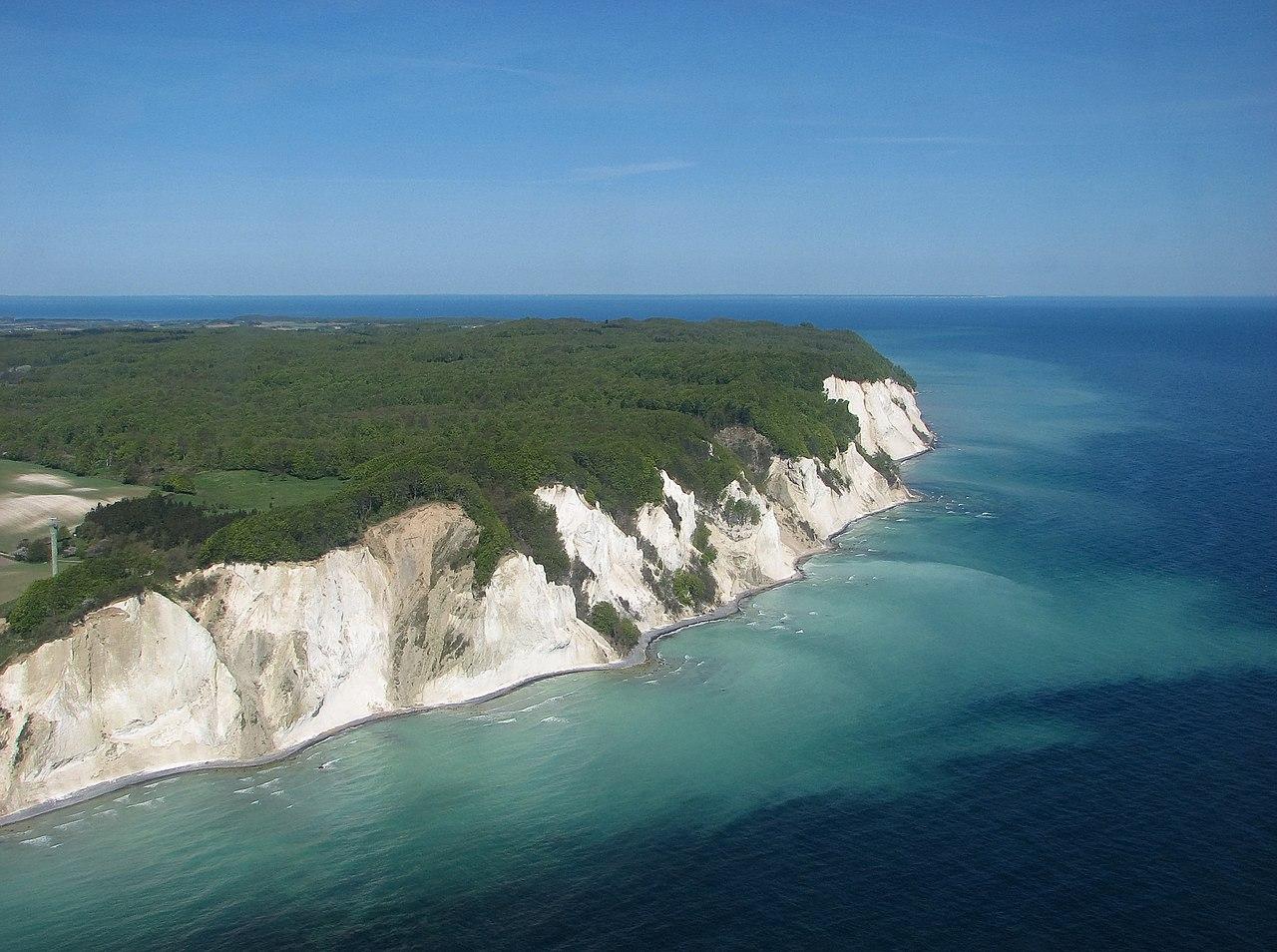
Looking beyond Alchemist? Discover South Zealand for broader travel guides, local hot-spots, and regional highlights.
Explore South Zealand
Classic Danish cooking and a famed herring buffet in a cozy canal-side tavern, set within one of Nyhavn’s colorful townhouses overlooking Copenhagen’s historic harbor.
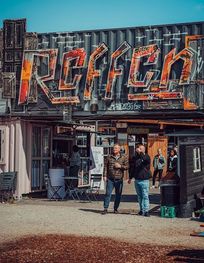
Waterfront street food, glowing ice rinks and urban harbour vibes come together at Copenhagen’s creative winter playground on Refshaleøen.