

St. Paul’s Church (Sankt Pauls Kirke), Nyboder
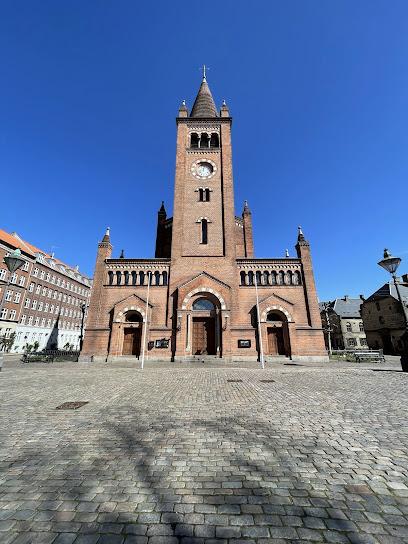
A red-brick Neo‑Romanesque tower rising above Nyboder’s yellow houses, St. Paul’s Church fuses naval history, city parish life and serene Copenhagen calm.
Anchoring the historic Nyboder district with its striking red-brick silhouette, St. Paul’s Church is a 19th-century Lutheran landmark in central Copenhagen. Completed in 1877 and designed by Johannes Emil Gnudtzmann in a Neo-Romanesque, Italianate style, it rises above rows of ochre naval housing like a brick campanile. Inside, calm light, sculptural details and a historic organ create an intimate, contemplative atmosphere, while outside the church tower forms a focal point amid one of the city’s most characterful neighbourhoods.
A brief summary to St. Paul's Church
- Gernersgade 33, Copenhagen, København K, 1319, DK
- +4531111745
- Visit website
- Duration: 0.5 to 1.5 hours
- Free
-
 Mixed
Mixed
- Mobile reception: 5 out of 5
Local tips
- Combine your visit with a slow wander through the Nyboder streets to appreciate how the church’s tower was designed as a focal point above the long rows of yellow naval housing.
- Check service and concert times in advance if you would like to hear the historic organ in use, as the atmosphere changes dramatically when the church is filled with music.
- Visit in the late afternoon or early evening for softer light on the red brick and ochre houses, ideal for photography from the surrounding square and side streets.
- Dress modestly and keep voices low inside the church, as this is an active parish and moments of quiet reflection or worship may be taking place during your visit.
- On rainy days, use the church interior as a peaceful pause between nearby museums and parks; bring a small bag only, as storage space inside is limited.

For the on-the-go comforts that matter to you
- Restrooms
- Seating Areas
- Trash Bins
- Information Boards
Getting There
-
Metro
From central Copenhagen, take the M3 Cityringen metro line to Marmorkirken Station, which typically takes 3–6 minutes from Nørreport or Kongens Nytorv. From the station it is an easy level walk of about 10–15 minutes through city streets to St. Paul’s Church. A single metro ticket within the central zones generally costs around 20–30 DKK, and trains run every few minutes throughout most of the day.
-
Bus
Several city bus routes run through the inner districts around Nyboder, with typical journey times of 10–20 minutes from central hubs such as Copenhagen Central Station or Nørreport depending on traffic. Standard city bus tickets in Copenhagen are usually 20–30 DKK for central zones, and services are frequent during the day and early evening. Expect short walks on paved pavements from the nearest stops to the church.
-
Bicycle
Cycling is one of the most convenient ways to reach St. Paul’s Church from most central neighbourhoods, with travel times often between 5 and 15 minutes thanks to Copenhagen’s extensive network of bike lanes. You can use city bikes or rental shops; short-term hires typically start around 20–40 DKK for a half hour, with longer passes available. The terrain is flat and suitable for most riders, but always use designated lanes and bike lights in low light.
-
Taxi
Taxis from central locations such as Copenhagen Central Station or the waterfront hotels generally take 10–20 minutes to reach Gernersgade, depending on traffic. Fares in the central area are commonly in the range of 120–220 DKK, with supplements at night and on holidays. Set-down is on nearby streets, and be aware that local parking is controlled and limited if you plan to continue by car.
St. Paul's Church location weather suitability
-
 Any Weather
-
 Rain / Wet Weather
-
 Mild Temperatures
-
 Cold Weather
-
 Hot Weather
Discover more about St. Paul's Church
Brick Landmark at the Heart of Nyboder
St. Paul’s Church stands on Gernersgade as the red-brick crown of Copenhagen’s Nyboder quarter, long known for its rows of yellow naval housing. Completed in 1877, the church arrived centuries after the neighbourhood itself, finally giving this seafaring community its own parish focus. Its tall tower pulls the eye above the low roofs, acting as a visual anchor both from within Nyboder and along the surrounding streets. The building’s Lutheran character is understated from the outside, with a simple cross crowning the spire and narrow arched openings punctuating the brickwork. Approaching across the square, you see how the robust masonry contrasts with the softer ochre tones of the historic homes, creating a layered tableau of Danish urban history in a single glance.Neo‑Romanesque Architecture with Italian Inspirations
Architect Johannes Emil Gnudtzmann drew on Romanesque revival forms and Italian church architecture for his first major commission here. The exterior is defined by round-arched windows, arcaded friezes, and a powerful, almost fortress-like tower that recalls Tuscan campanili more than northern Gothic spires. Red brick, laid with careful patterning, is the dominant material, giving the church warmth even on grey Copenhagen days. Closer inspection reveals decorative brick bands, recessed portals and carefully proportioned openings that balance solidity with elegance. This thoughtful composition has made the church a textbook example of 19th‑century Danish historicism, where international influences were adapted to local materials and scale. The result feels both cosmopolitan and firmly rooted in its Copenhagen setting.A Calm, Intimate Interior for Worship and Music
Inside, the mood shifts from urban landmark to quiet refuge. The nave’s round arches and sturdy pillars create a rhythmic sequence leading your eye toward the chancel. Pale walls, wooden pews and soft daylight filtered through clear and lightly tinted glass give the space an inviting, human scale rather than overpowering grandeur. A gilded crucifix above the altar forms the visual and spiritual centre, replacing an earlier painted altarpiece and catching light throughout the day. Overhead, the church’s organ – originating from the late 19th century and subsequently expanded – adds another layer of heritage. Its pipes fill the interior during services and concerts, making the building as much a place of sound as of sight.From Naval Parish to Restored City Church
St. Paul’s was built during a period of rapid population growth, when Copenhagen expanded beyond its old core and needed new parish churches. For Nyboder’s naval families, it became the spiritual heart of a self-contained community that once had its own school, hospital and regulations. The church’s identity as “Nyboder’s church” still resonates in its close relationship with the surrounding streets. By the late 20th century, demographic changes left the building underused and in poor condition. Proposals even surfaced to close or repurpose it. Instead, a substantial restoration safeguarded the structure and refreshed the interior, and the church was rededicated in the early 1990s. Today it functions as an active parish church while also hosting cultural events, integrating heritage with contemporary city life.Encountering the Church in Its Urban Ensemble
Part of the charm of visiting St. Paul’s lies in the way it interacts with its surroundings. Step outside and you are immediately in Nyboder’s grid of narrow streets and long, low terraces, many dating back to naval housing projects begun in the 17th and 18th centuries. The contrast between the intimate scale of the houses and the vertical emphasis of the church underlines how it was conceived as a communal focal point. From here, you are within easy walking distance of central green spaces and major cultural institutions, yet the immediate area retains an almost village-like calm. Whether you slip inside for a few quiet minutes on a weekday or linger around the square in the soft evening light, St. Paul’s Church offers a layered experience of architecture, history and everyday Copenhagen life in a single compact setting.Iconic landmarks you can’t miss

St. Paul's Church
0.0 km
Neo‑Romanesque red brick meets ochre-yellow naval housing at this calm parish church, giving Nyboder a quiet spiritual heart amid central Copenhagen.
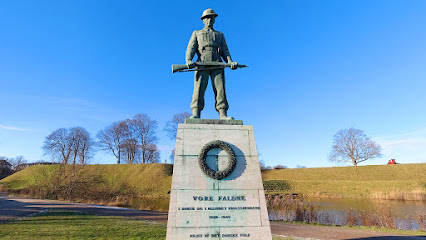
Our Fallen
0.6 km
A bronze tribute to World War II sacrifice, standing sentinel at Kastellet's gate since 1957.
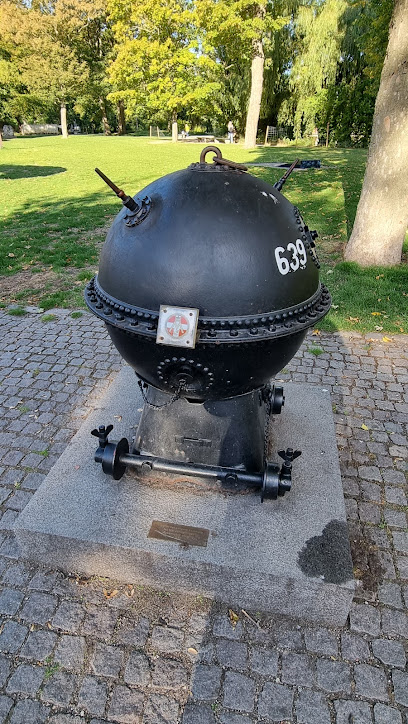
Horn mine
0.6 km
A disarmed World War II naval mine displayed in Churchill Park, turning a former weapon of the sea into a quiet reminder of conflict amid central Copenhagen’s greenery.
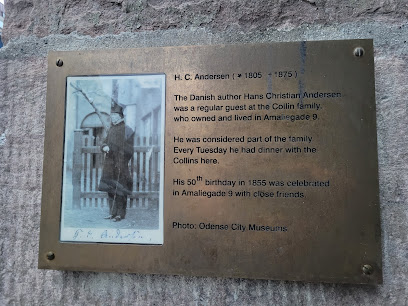
Hans Christian Andersen plaque
0.6 km
A modest plaque on elegant Amaliegade quietly marks Hans Christian Andersen’s presence amid the formal mansions and palace axis of Copenhagen’s Frederiksstaden.
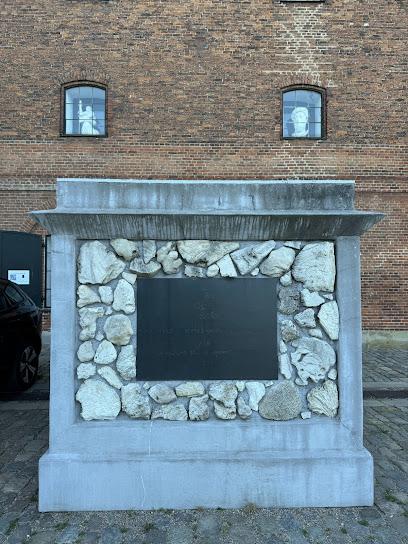
I am Queen Mary
0.7 km
A powerful harborfront monument honoring rebel leader Mary Thomas, confronting Copenhagen’s colonial past beside the historic West Indian Warehouse.
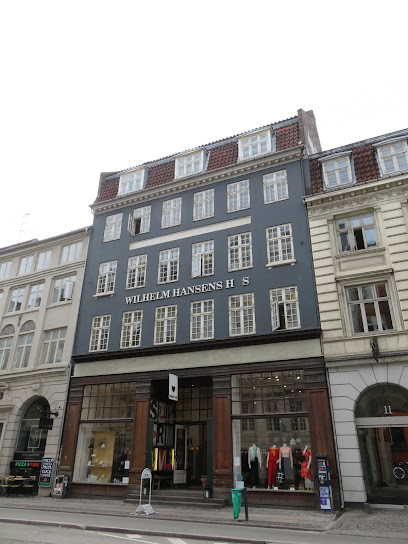
Wilhelm Hansens Hus
0.7 km
Former home of Denmark’s leading music publisher, quietly anchoring Gothersgade’s elegant streets between royal gardens and lively Kongens Nytorv.
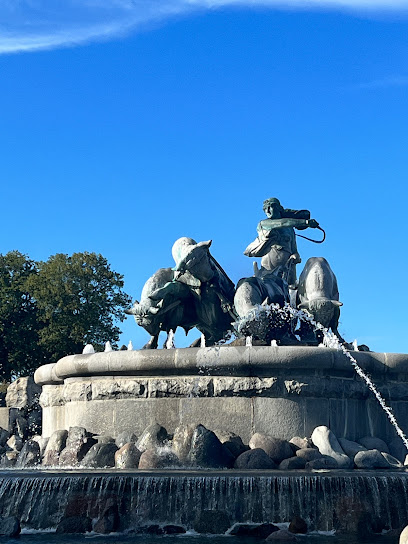
Gefion Fountain
0.7 km
A powerful Norse creation myth cast in bronze and spray, the Gefion Fountain unites legend, sculpture and harbor light on the edge of Churchillparken.
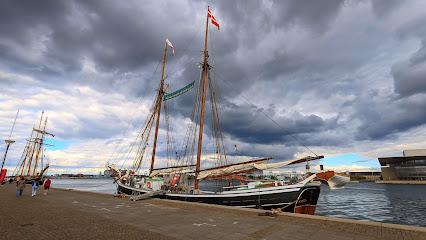
Larsens Pl.
0.7 km
Historic waterfront where Scandinavian dreams embarked for America, now a refined promenade of heritage and harbour views.
Indre By
0.7 km
Medieval streets, royal palaces, and European shopping converge in Copenhagen's historic heart.
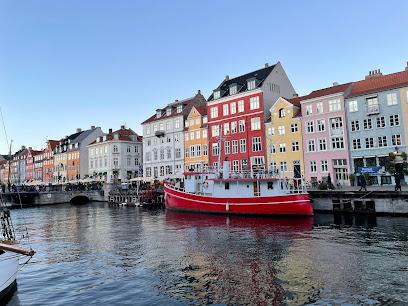
Sankt Annæ Pl.
0.8 km
Historic square blending royal heritage, climate innovation, and urban livability in central Copenhagen.
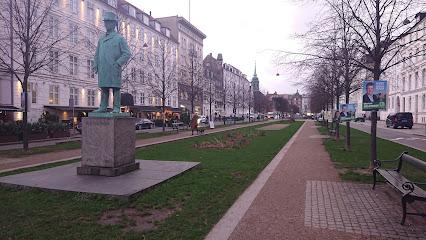
Monument to Denmark's international activities after 1948
0.8 km
Discover the Monument to Denmark's International Activities in Kastellet: A historical landmark celebrating Denmark's global contributions since 1948.
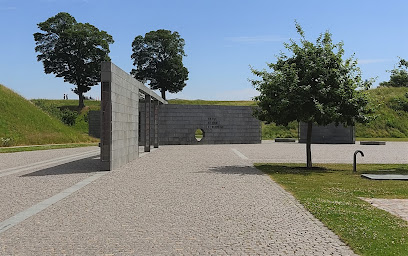
Memorial Anchor
0.8 km
A historic anchor monument honoring Danish WWII sailors, set at the heart of scenic Nyhavn, blending maritime history with Copenhagen’s lively canal atmosphere.
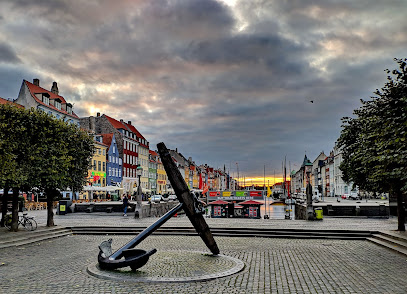
Kongens Nytorv
0.8 km
Discover Kongens Nytorv, Copenhagen's historic square, surrounded by iconic landmarks, vibrant culture, and easy access to Nyhavn and Strøget for an unforgettable experience.
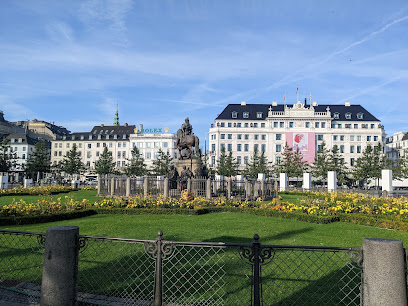
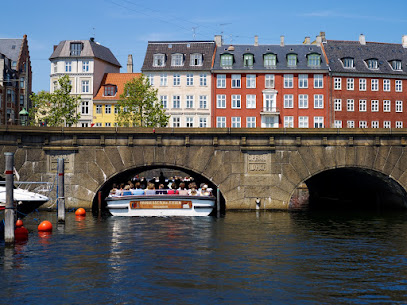
Stromma Canal Tours Copenhagen
0.8 km
A lush botanical oasis at the heart of Copenhagen, featuring historic glasshouses, rare Nordic plants, tranquil lakes, and immersive gardens for every season.
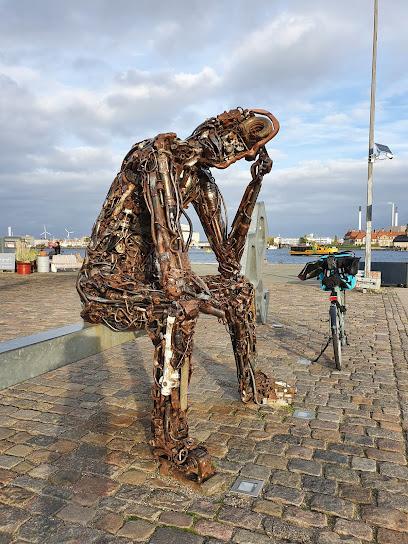
ZinkGlobal by Kim Michael
0.8 km
Aarhus University Park blends modernist architecture, landscaped gardens, and tranquil lakes to create an inviting oasis at the heart of Denmark’s vibrant student city.
Unmissable attractions to see

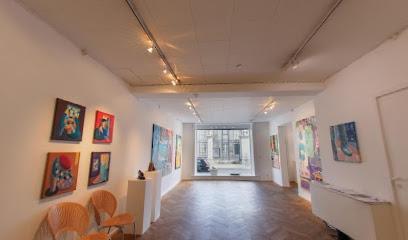
Bredgade Kunsthandel
0.3 km
Refined contemporary art gallery on Copenhagen’s Bredgade, where Danish and international works unfold in bright, minimalist rooms just steps from royal and design landmarks.
Medicinsk Museion
0.4 km
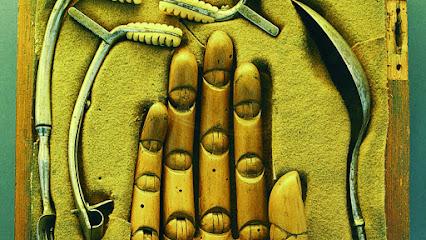
Historic surgical academy turned cutting‑edge medical museum, where preserved bodies, instruments and contemporary science exhibitions reveal how we understand health and disease.
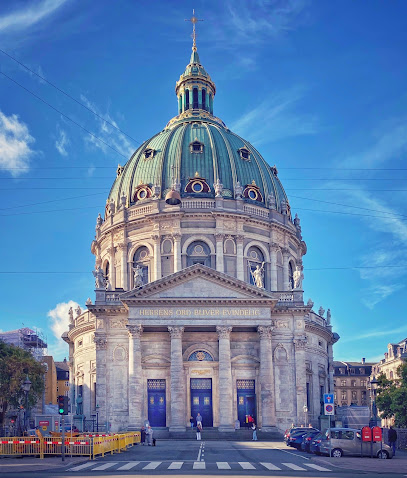
Frederik's Church
0.4 km
Statens Museum for Kunst in Copenhagen offers seven centuries of world-class art in luminous galleries, from old masters to Danish modern icons and contemporary innovators.
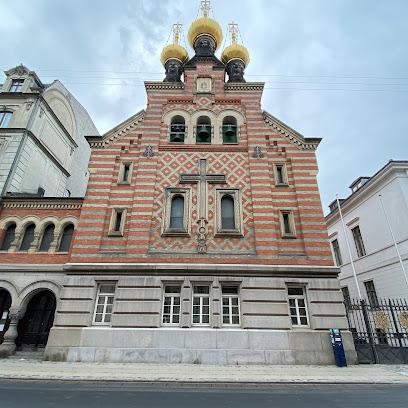
St. Alexander Nevsky Church
0.4 km
Explore the evolution of design at Copenhagen's premier museum, housed in a historic rococo building.
Designmuseum Danmark
0.4 km
Copenhagen’s temple of design, where rococo halls, iconic Danish chairs and a tranquil garden reveal how beautifully made objects shape everyday life.

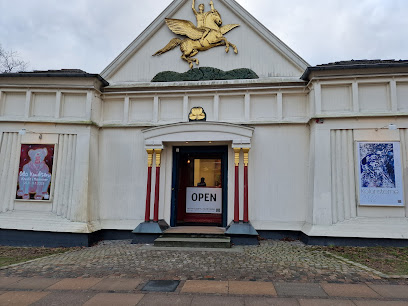
Den Frie Udstilling
0.4 km
Independent artist-run exhibition house in a striking wooden building, presenting changing contemporary art shows in the heart of Copenhagen’s Østerbro district.
The David Collection
0.5 km
Scandinavia's premier Islamic art museum, housed in a historic townhouse with free admission year-round.
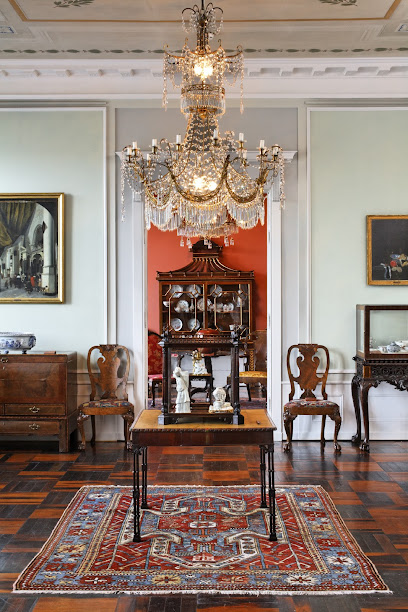
Amalienborg Palace Museum
0.5 km
Step behind the facades of Copenhagen’s royal square to explore intimate apartments, glittering gala halls and Fabergé treasures at Amalienborg Palace Museum.
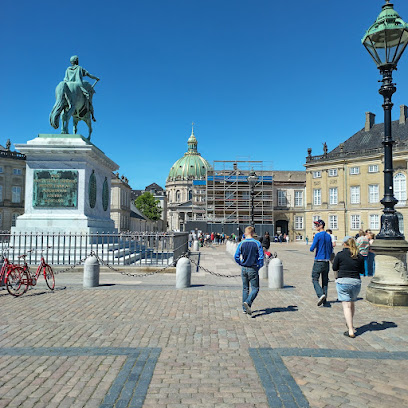
The King's Garden
0.5 km
Frederiksholms Kanal: An evocative canal-side promenade at the heart of Copenhagen, blending royal history, stately architecture, and peaceful city scenes.
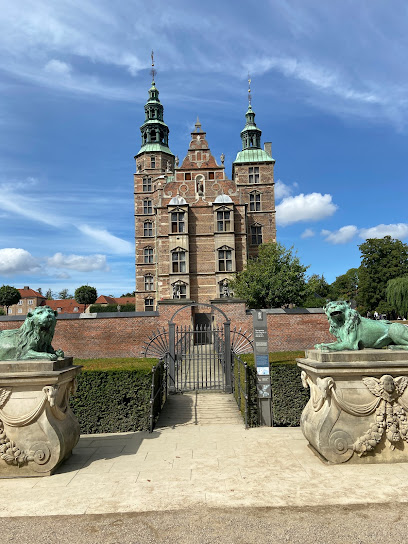
Amaliegade
0.5 km
A stately Copenhagen street where Rococo townhouses, royal colonnades and diplomatic mansions line a calm axis through the heart of Frederiksstaden.
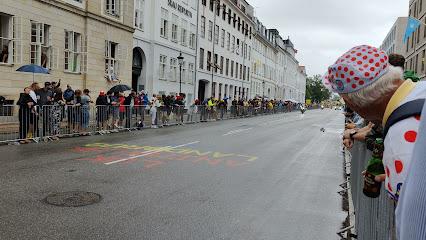
SMK – Statens Museum for Kunst
0.5 km
Denmark’s national gallery, uniting seven centuries of art, a world-class Matisse collection and a luminous modern wing beside Østre Anlæg park in central Copenhagen.
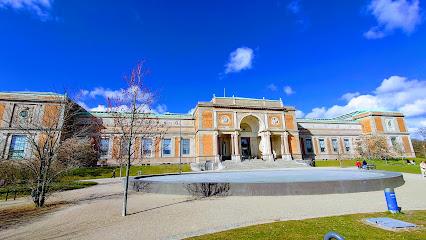
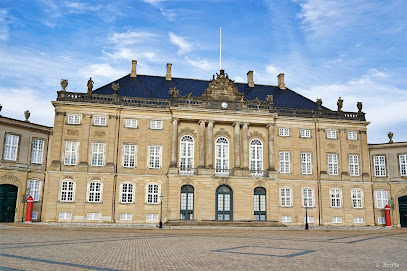
Amalienborg
0.6 km
Discover the majestic Rosenborg Castle—home to Denmark’s Crown Jewels, regal interiors, and lush gardens—offering a journey through centuries of royal Danish history.
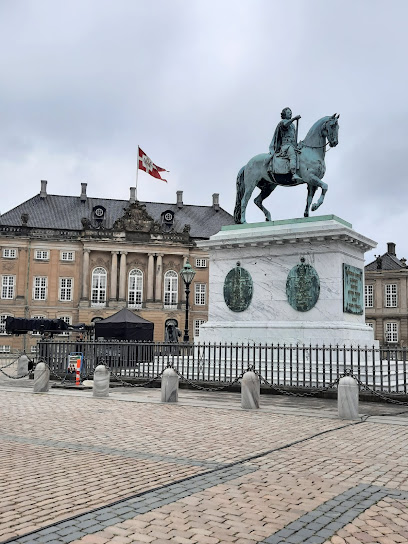
Rytterstatuen
0.6 km
A surreal subterranean art museum beneath Søndermarken Park, fusing Copenhagen’s 19th-century waterworks with modern installations and immersive experiences.
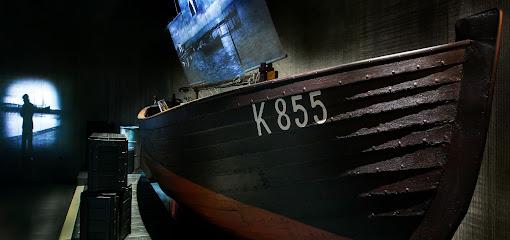
Museum of Danish Resistance
0.6 km
Go underground beneath Churchill Park to follow five real lives through Denmark’s World War II occupation, in an immersive museum of resistance, choices and courage.
Kastellet
0.6 km
Explore Rosenborg Castle, Copenhagen's Renaissance masterpiece housing Denmark's crown jewels and royal regalia.
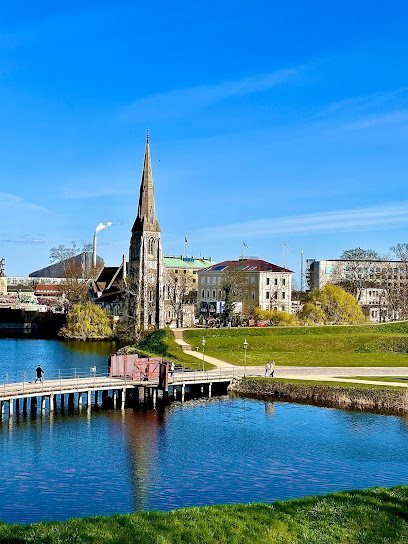
Essential places to dine

Kokkeriet
0.1 km
Intimate Michelin-starred townhouse in central Copenhagen, reimagining classic Danish cuisine as elegant modern tasting menus with curated wines and juices.
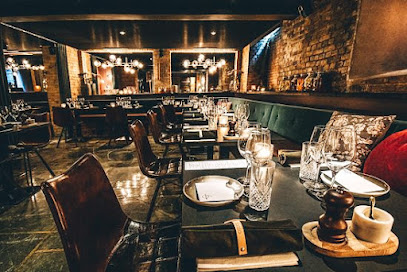
Restaurant Rebel
0.5 km
Seasonal Danish produce meets French technique at this relaxed, MICHELIN-recommended bistro on Store Kongensgade, where an open kitchen and inventive plates define the mood.
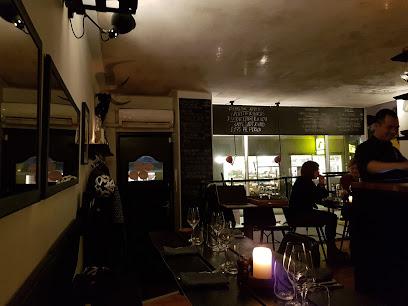
Aoc
0.5 km
Two Michelin stars of bold Nordic flavors in a historic 17th-century cellar.
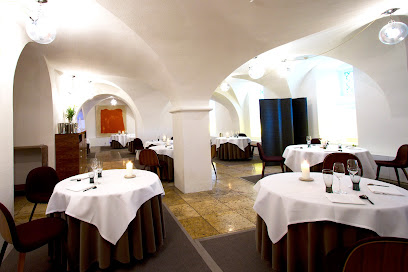
Restaurant Koefoed
0.5 km
Fine dining in a historic coal cellar celebrating Bornholm's culinary traditions and Danish gastronomy.
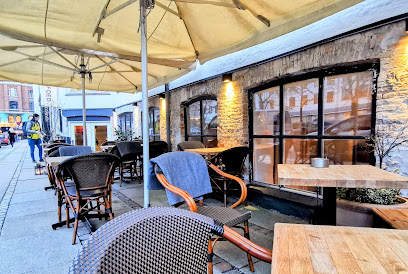
Restaurant Vita
0.6 km
Historic Danish dining in a former royal pharmacy, serving traditional smørrebrød and national classics.
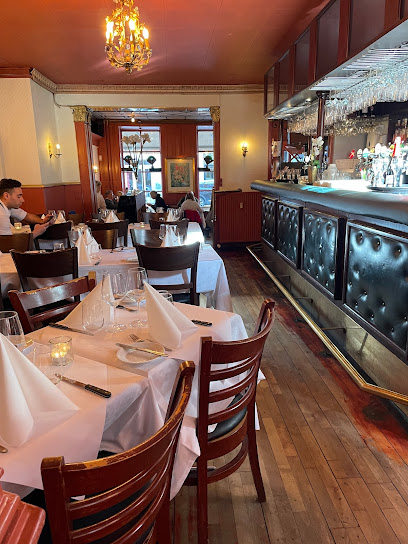
Alouette
0.6 km
One‑Michelin‑star Green Star dining in a historic Copenhagen townhouse, where hyper‑seasonal Nordic tasting menus meet quietly striking design by the King’s Garden.
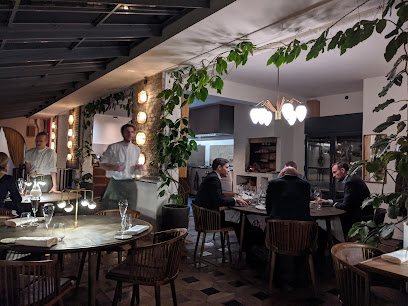
Den Lille Fede
0.6 km
Cosy, candlelit tasting-menu restaurant near Kongens Nytorv, where playful Nordic-inspired courses and thoughtful wine pairings turn dinner into an unhurried evening event.
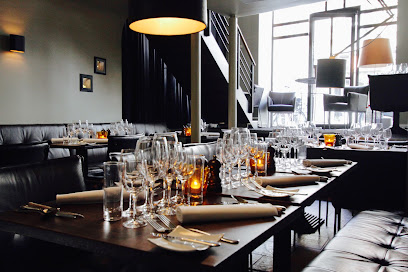
Restaurant Grønnegade
0.7 km
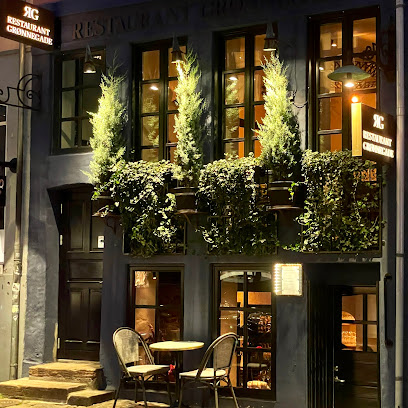
Seasonal Danish‑French fine dining in a 17th‑century Copenhagen townhouse, offering intimate, adults‑only evenings with polished service and thoughtful wine pairings.
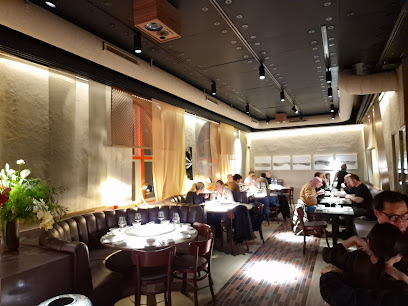
Goldfinch
0.7 km
Stylish Cantonese-inspired dining and cocktails on historic Kongens Nytorv, pairing shareable plates with a moody interior in the heart of Copenhagen.
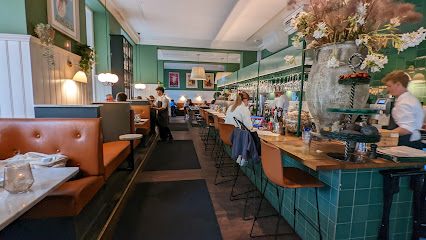
Bistro Royal
0.7 km
Elegant all‑day French‑Danish bistro on Kongens Nytorv, pairing brasserie classics with prime people‑watching and a lively, chandelier‑lit atmosphere.
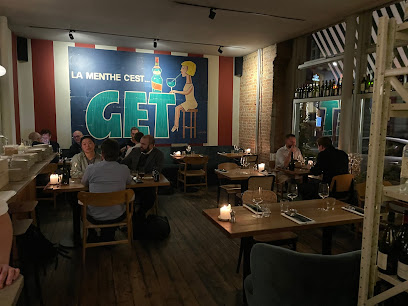
Frank
0.8 km
A candlelit Copenhagen luxury bistro where an open kitchen, bold seasonal cooking and an exceptional wine list create an intimate, wine-lover’s evening.
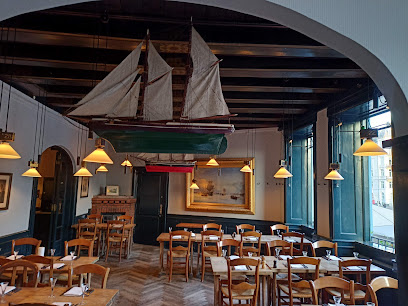
Nyhavns Færgekro
0.8 km
Classic Danish cooking and a famed herring buffet in a cozy canal-side tavern, set within one of Nyhavn’s colorful townhouses overlooking Copenhagen’s historic harbor.
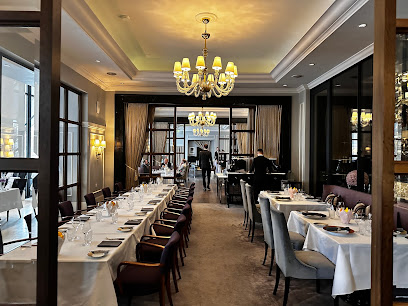
Marchal
0.8 km
Michelin-starred Nordic–French fine dining in the historic elegance of Hotel d’Angleterre on Copenhagen’s grand Kongens Nytorv.
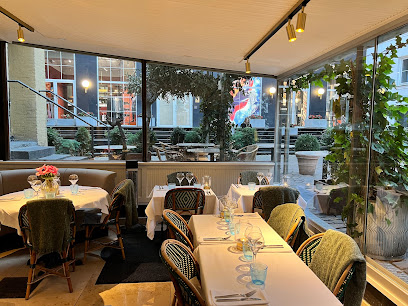
l’Alsace
0.8 km
Classic French bistro cooking, polished wines and candlelit charm in the heart of Copenhagen’s shopping streets.
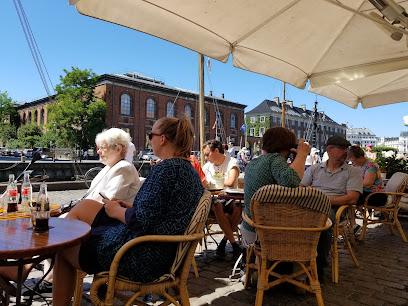
Cap Horn
0.8 km
Candlelit Nordic bistro in a historic Nyhavn townhouse, blending classic Danish seafood, canal views and cosy hygge from late morning to late evening.
Markets, malls and hidden boutiques

Royal Souvenir Shop
0.4 km
Compact and colourful, Royal Souvenir Shop on Bredgade distils Copenhagen into easy‑to‑pack gifts, from royal guards and Vikings to flags, mugs and playful keepsakes.
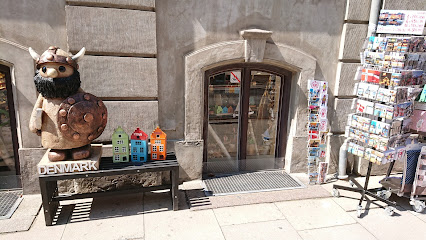
The Crown souvenir
0.6 km
Compact, colorful souvenir stop on elegant Amaliegade, perfect for picking up Danish flags, Little Mermaid trinkets and royal-themed keepsakes near Amalienborg.
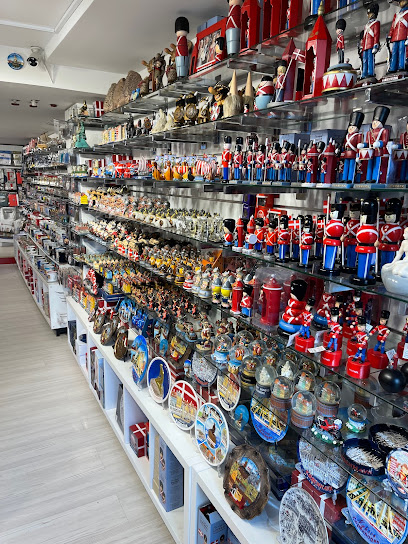
The Wilde Shop
0.6 km
A boutique vintage shop in Indre By, Copenhagen bringing together handpicked retro clothing, sustainable fashion, and curated Scandinavian style in a welcoming setting.
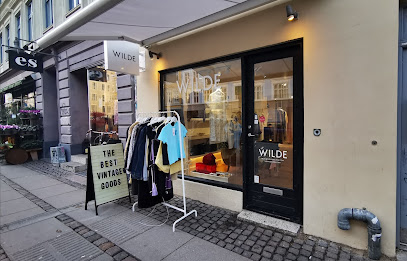
Copenhagen Souvenir & Design World of Memories
0.7 km
Denmark's largest souvenir chain with 14 locations offering over 2,000 authentic Danish keepsakes and contemporary design pieces.
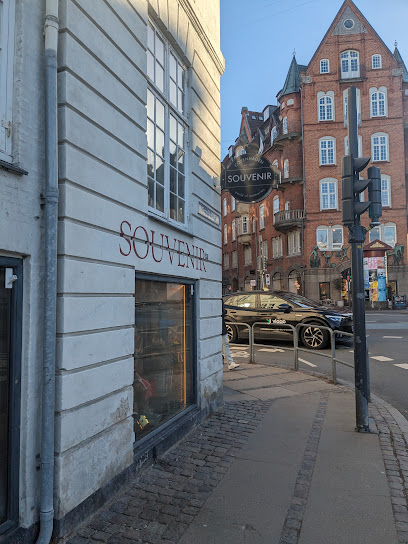
Zane
0.7 km
Intimate Copenhagen florist and design boutique on stylish Bredgade, blending seasonal blooms, Nordic homeware and thoughtful gifts in a cosy, lived-in space.
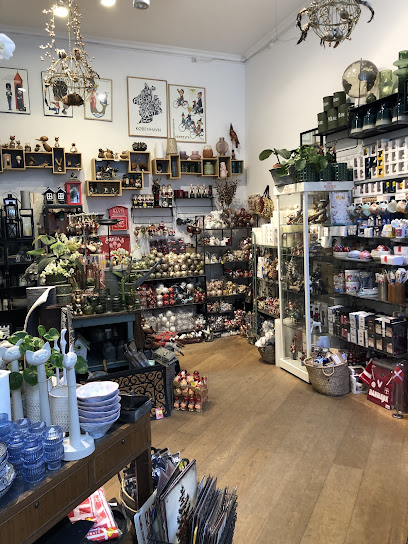
Henrik Vibskov Boutique
0.8 km
Step off the cobblestones of Gammel Mønt into Henrik Vibskov’s offbeat fashion laboratory, where avant‑garde silhouettes, artful interiors and curated design collide.
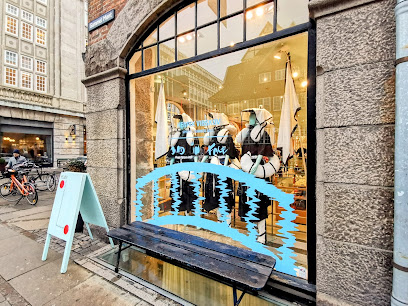
Storm - design art fashion
0.8 km
A pioneering Copenhagen concept store where avant-garde fashion, art, design objects and niche fragrances meet in a minimalist, gallery-like space on Store Regnegade.
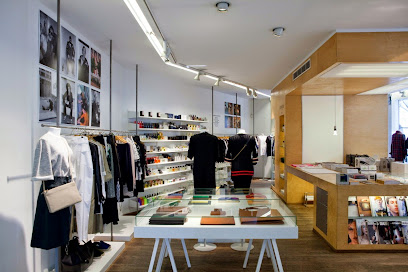
Danish Souvenirs & luggages
0.8 km
Central Strøget souvenir and luggage shop combining classic Danish mementos with practical travel gear, open long hours for convenient, last‑minute Copenhagen gifts.
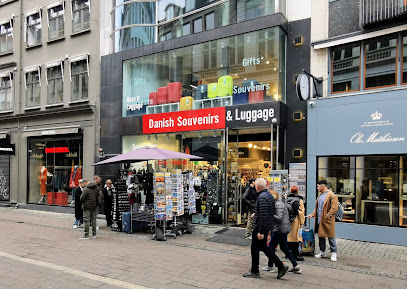
Viking Souvenirs
0.9 km
Authentic Danish and Viking-themed souvenirs in Copenhagen's historic city center.
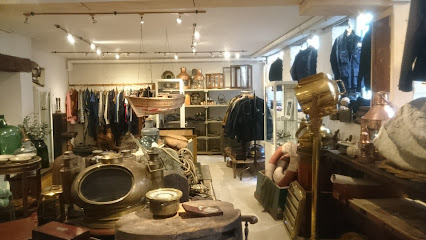
Maritime Antiques &
0.9 km
Atmospheric basement shop near Nyhavn where genuine maritime antiques share space with heritage-inspired clothing and rugged knitwear in a cosy, ship-like setting.
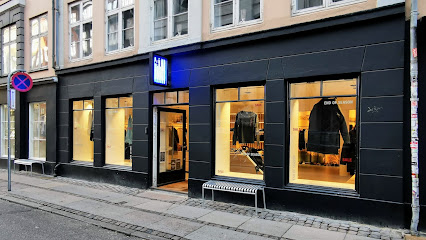
Norse Projects
0.9 km
Scandi-cool flagship store pairing minimalist Nordic design with functional, all-season clothing in a calm, gallery-like space in central Copenhagen.
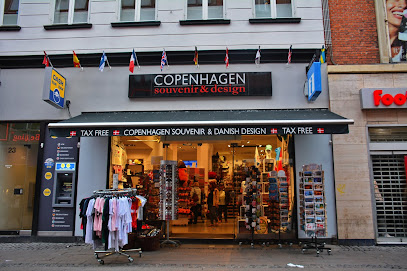
Copenhagen Souvenir & Design
0.9 km
Denmark's premier souvenir destination offering authentic Danish heritage, contemporary design, and quality gifts across seven city-center locations.
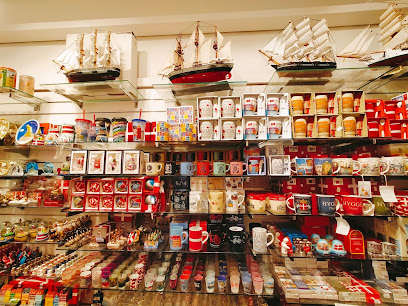
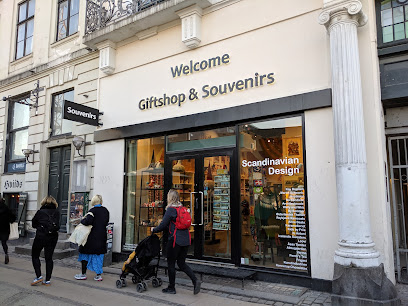
Welcome Giftshop & Souvenirs
0.9 km
Central Copenhagen’s cosy hygge boutique for Danish design, classic souvenirs, and easy last-minute gifts just off bustling Kongens Nytorv square.
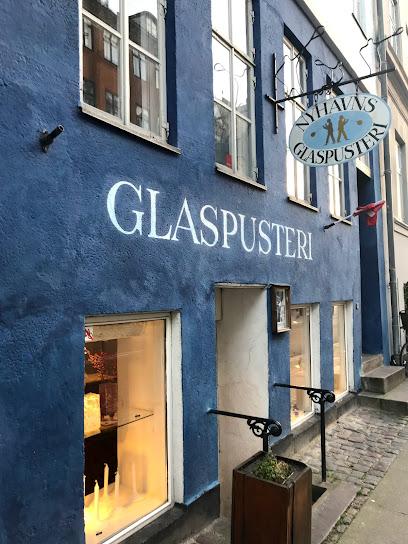
Copenhagenglass
0.9 km
Intimate glassblowing studio and shop near Nyhavn, where Danish maritime-inspired designs and hands-on sessions turn molten glass into memorable Copenhagen souvenirs.
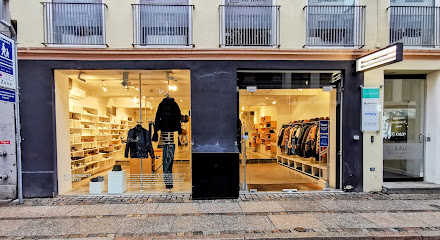
Norse Store
0.9 km
Minimalist Scandinavian fashion and lifestyle boutique in central Copenhagen, offering a curated mix of premium menswear, footwear and design-led essentials.
Essential bars & hidden hideouts

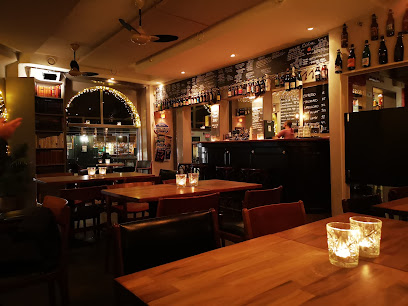
Black Swan
0.1 km
Craft-forward, cosy and unpretentious, Black Swan is Copenhagen’s inner-city local where rotating taps, serious cider and good conversation flow late into the night.
Aloha Beach Bar
0.7 km
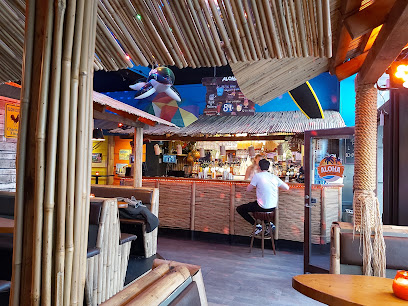
Island-inspired cocktails, neon glow and late-night party vibes packed into a compact tropical bar just off Gothersgade in central Copenhagen.
Trykbar
0.7 km
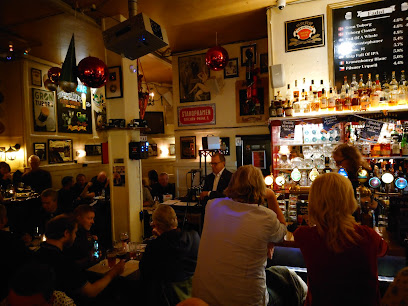
Cosy, central Copenhagen bar with a strong beer list, warm lighting and a laid-back, inclusive atmosphere that blends hygge with lively late-night energy.
Bar Deco
0.7 km
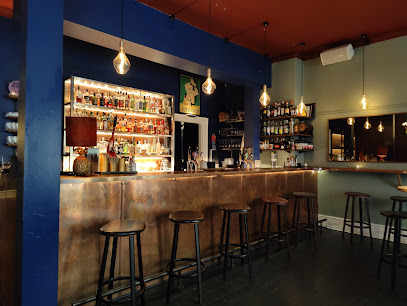
Intimate Art Deco–inspired cocktail bar near Kongens Nytorv, pairing crafted drinks with moody lighting and a relaxed, grown‑up Copenhagen atmosphere.
Balthazar
0.8 km
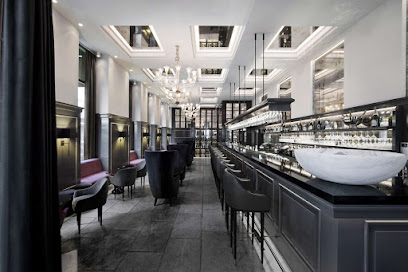
A luxurious Champagne bar at Hotel d’Angleterre, pairing an extensive bubbles list and crafted cocktails with velvet-luxe interiors and a lively DJ-backed ambience.
The Moose
0.8 km
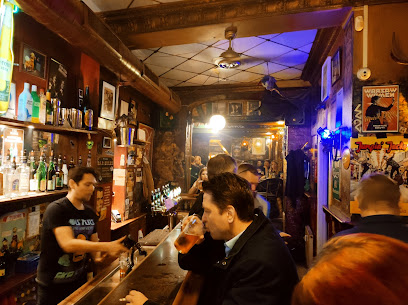
Graffiti-plastered walls, infamous moose murals and cheap late-night beers make this smoky Indre By dive bar a gritty, unpolished slice of Copenhagen nightlife.
1105
0.8 km
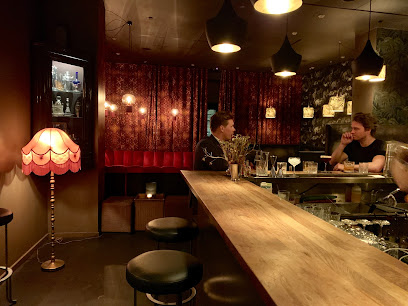
Intimate, dimly lit cocktail bar in Copenhagen’s 1105 postcode, pairing dark, elegant interiors with carefully crafted Nordic-inspired drinks and classic mixes.
Charlie's Bar
0.9 km
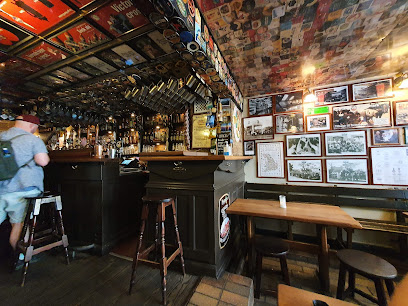
Discover the enchanting atmosphere of Charlie's Bar, a cozy haven in Copenhagen offering a diverse drink selection and a vibrant local vibe.
Gejser Bar
0.9 km
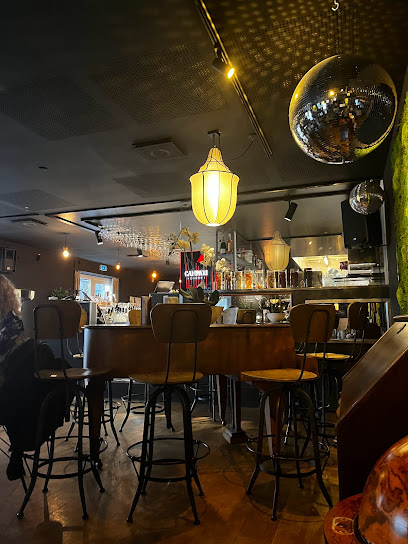
Craft cocktails and Mediterranean cuisine in Copenhagen's most welcoming sophisticated bar.
Brønnum
0.9 km
An opulent, multi‑room cocktail bar steps from Kongens Nytorv, where historic townhouse elegance meets contemporary mixology and candlelit late‑night conversation.
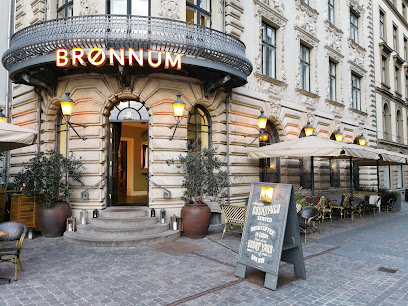
Bo-Bi Bar
0.9 km
Experience the vibrant nightlife of Copenhagen at Bo-Bi Bar, where delightful drinks and a welcoming atmosphere await.
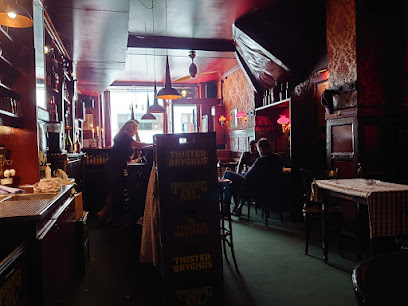
Skaal
1.0 km
Lively craft beer hall on Kultorvet square, pairing one of Copenhagen’s broadest tap selections with casual café dishes in the heart of Indre By.
Bar'Vin
1.0 km
Discover the charm of Bar'Vin, a cozy restaurant and wine bar in Copenhagen, offering exquisite wines and delicious Danish cuisine.
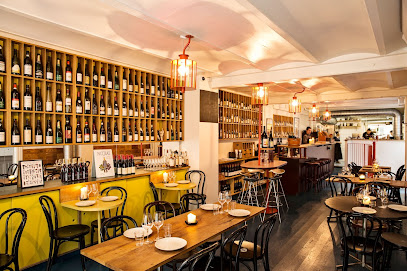
TATA Cocktail Bar
1.0 km
A velvet-draped, fireplace-warmed cocktail hideaway inside Hotel Sanders, where classic mixology, Danish design and theatre-inspired charm blend seamlessly.
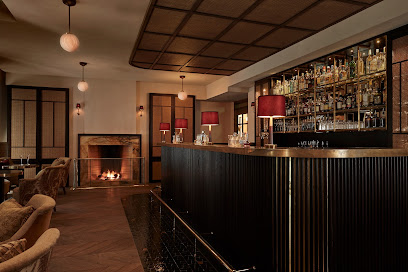
Balderdash
1.0 km
Copenhagen’s candlelit cocktail laboratory in a 1732 townhouse, where hygge, art and daring seasonal drinks turn a quiet side street into an unforgettable night out.
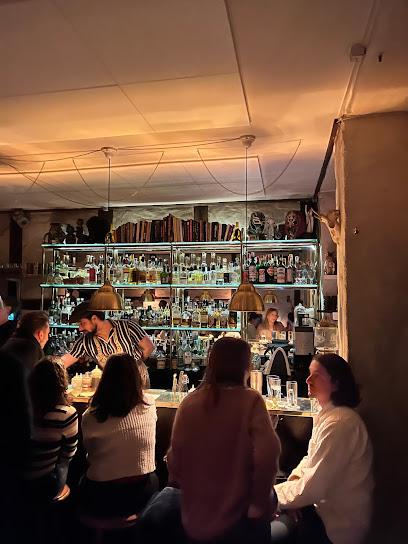
Nightclubs & after hour spots

Culture Box
0.2 km
Discover the heartbeat of Copenhagen's nightlife at Culture Box, where music, art, and dance create an unforgettable experience.
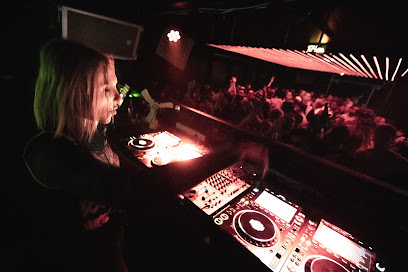
Mini Bar
0.7 km
Discover the vibrant nightlife of Copenhagen at Mini Bar, a premier night club offering eclectic tunes and a lively atmosphere for unforgettable nights.
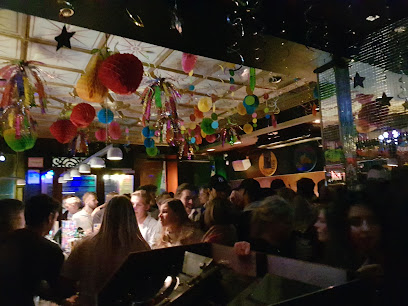
Lusso
0.8 km
A compact, high-end Copenhagen nightclub with champagne-forward table service, dim lighting and a stylish late-night crowd just steps from Kongens Nytorv.
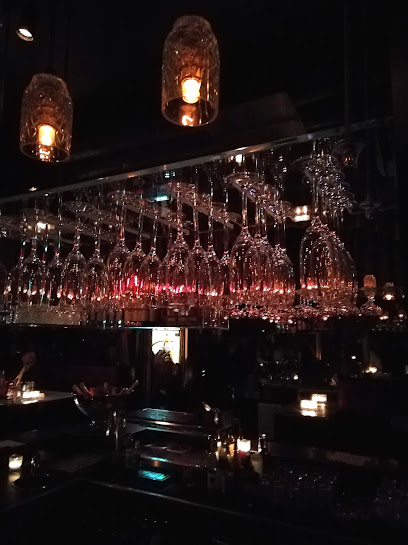
The Zoo
0.8 km
Intimate late-night nightclub on Sværtegade in Copenhagen’s historic center, blending a compact dance floor, DJ-driven beats and a casual, social bar atmosphere.
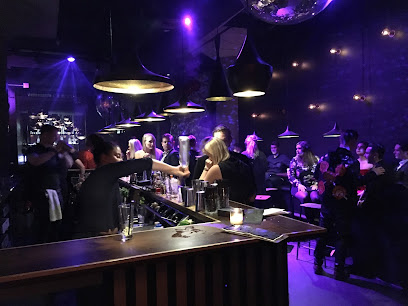
Mirage
1.2 km
Dive into the electrifying nightlife at Mirage, Copenhagen's premier night club for an unforgettable evening of music, dancing, and entertainment.

Arch
1.2 km
Discover the vibrant nightlife of Copenhagen at Arch, a premier night club offering electrifying music and an unforgettable atmosphere.
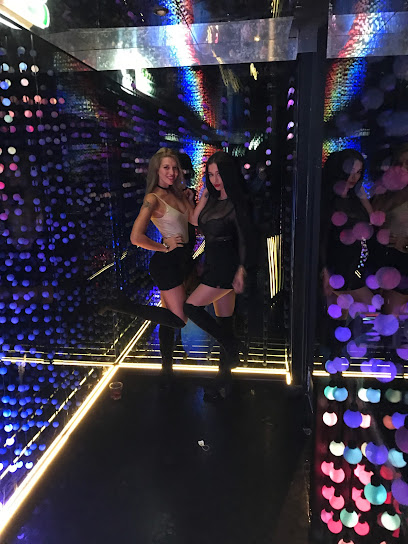
Chateau Motel
1.3 km
Discover the lively nightlife of Copenhagen at Chateau Motel, a top destination for cocktails and dancing in a vibrant atmosphere.
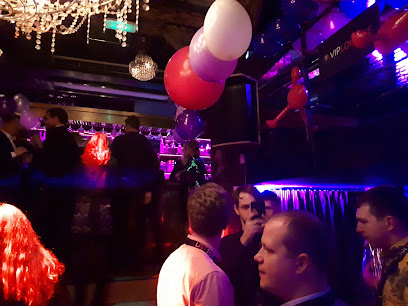
Hive
1.3 km
Copenhagen's premier high-end nightclub with cutting-edge design, VIP service, and immersive themed experiences.
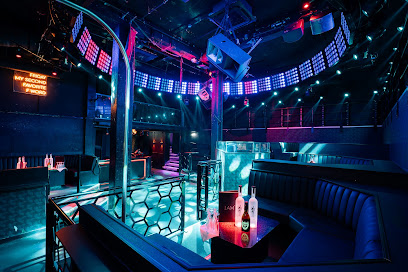
Rumors
1.4 km
Discover the heart of Copenhagen's nightlife at Rumors, where energetic vibes and unforgettable nights await you.
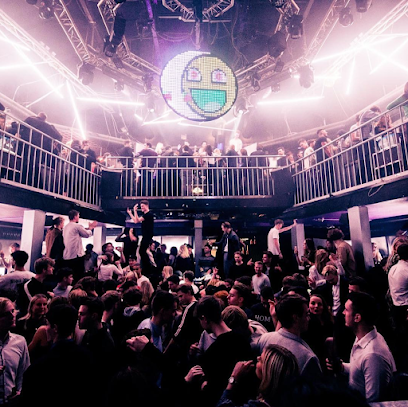
Mirror
1.4 km
Dive into the heart of Copenhagen's nightlife at Mirror, where the rhythm never stops and unforgettable memories are made.
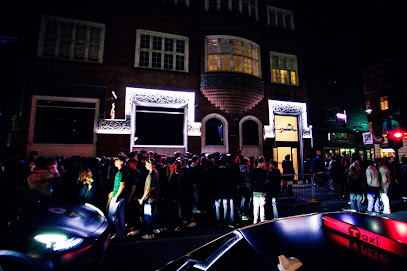
La Terraza
1.4 km
Compact nightclub on Studiestræde in Copenhagen’s old town, offering loud beats, straightforward drinks and an unpretentious late-night dance floor.
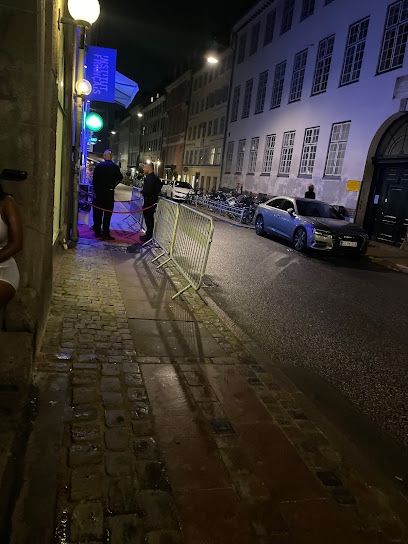
Miami Bar
1.4 km
Discover Copenhagen's nightlife at Miami Bar, where cocktails and dancing create unforgettable nights in a vibrant atmosphere.
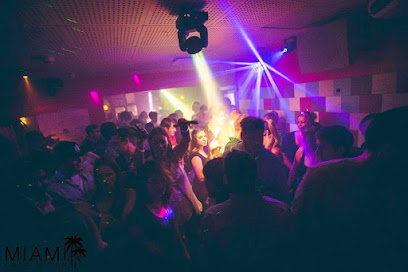
Dorsia
1.5 km
Central Copenhagen nightclub with late‑night DJs, cocktails and an image‑conscious crowd packed into a dark, modern interior off busy Kattesundet.
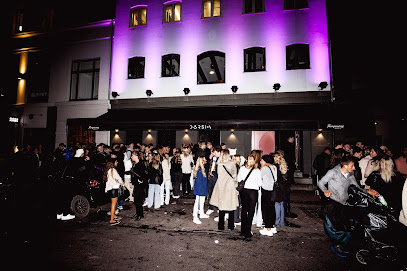
Cosy Bar
1.5 km
Discover the lively atmosphere of Cosy Bar, a top gay nightclub in Copenhagen offering fantastic music, vibrant crowds, and unforgettable nights.
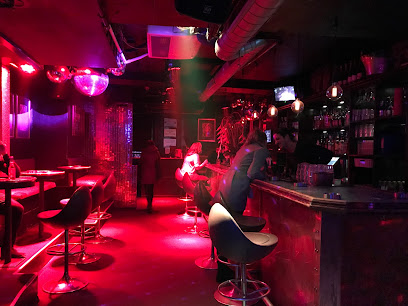
Club Mambo
1.7 km
Experience the energetic nightlife of Copenhagen at Club Mambo, a vibrant night club offering salsa dancing, cocktails, and delicious dining.
For the vibe & atmosphere seeker
- Tranquil
- Scenic
- Unique
- Casual
For the design and aesthetic lover
- Vintage Styles
- Modern Designs
For the architecture buff
- Historic
- Landmarks
- Sacred Sites
- Heritage Neighborhoods
For the view chaser and sunset hunter
- Iconic Views
- Sunset Spots
For the social media creator & influencer
- Photo Spots
- Architectural Shots
- Instagrammable
For the eco-conscious traveler
- Public-Transport Accessible
- Low Impact
For the kind of experience you’re after
- Cultural Heritage
- Photowalk
- Mindfulness
- Day Trip
- Roadtrip Stop
For how adventurous you want the journey to be
- Easy Access
Location Audience
- Family Friendly
- Senior Friendly
- Child Friendly
- Teen Friendly
- Solo Friendly
- Couple Friendly
- Solo Female Friendly
- LGBT Friendly
- Business Friendly


