Copenhagen Zoo
Meet over 4,000 animals, bold contemporary enclosures and classic zoo charm in leafy Frederiksberg, where Arctic ice, tropical rainforest and urban Copenhagen meet.
A historic zoo on Frederiksberg Hill
Copenhagen Zoo sits on Frederiksberg Hill, a green rise just west of central Copenhagen, where animal enclosures blend into parkland and historic avenues of trees. Founded in the 19th century, the zoo has grown into one of Denmark’s major attractions, balancing its heritage with modern animal care and contemporary design. From many paths you glimpse Frederiksberg Palace and the surrounding gardens, which reinforces the sense that this is a long‑established part of city life rather than a newer development on the edge of town. Spread across several gently sloping hectares, the zoo is compact enough to feel walkable yet large enough that you can spend most of a day exploring without retracing your steps too often. Paved paths, ramps and broad viewing platforms are standard, making it accessible for wheelchairs and strollers as well as easygoing for anyone who prefers level terrain.Animals from Arctic ice to African heat
The star exhibits trace a journey through global habitats. In the Arctic Ring you can watch polar bears glide through the water from an underwater tunnel, their bulk passing just overhead, while nearby seals and northern seabirds complete the cold‑climate cast. In the North area you meet musk oxen, reindeer and other hardy species adapted to Nordic conditions, a strong reminder of the wildlife that once roamed the region more widely. Further on, the atmosphere warms. The savannah section brings together giraffes, zebras and antelope, and big‑cat enclosures house lions and other predators. Indoors, tropical houses recreate rainforest conditions with snakes, crocodiles, marmosets, hornbills and free‑flying birds flitting through lush foliage. These covered areas are extensive enough that even on wet or chilly days there is plenty to see without spending too long in the elements.Architecture that rivals the exhibits
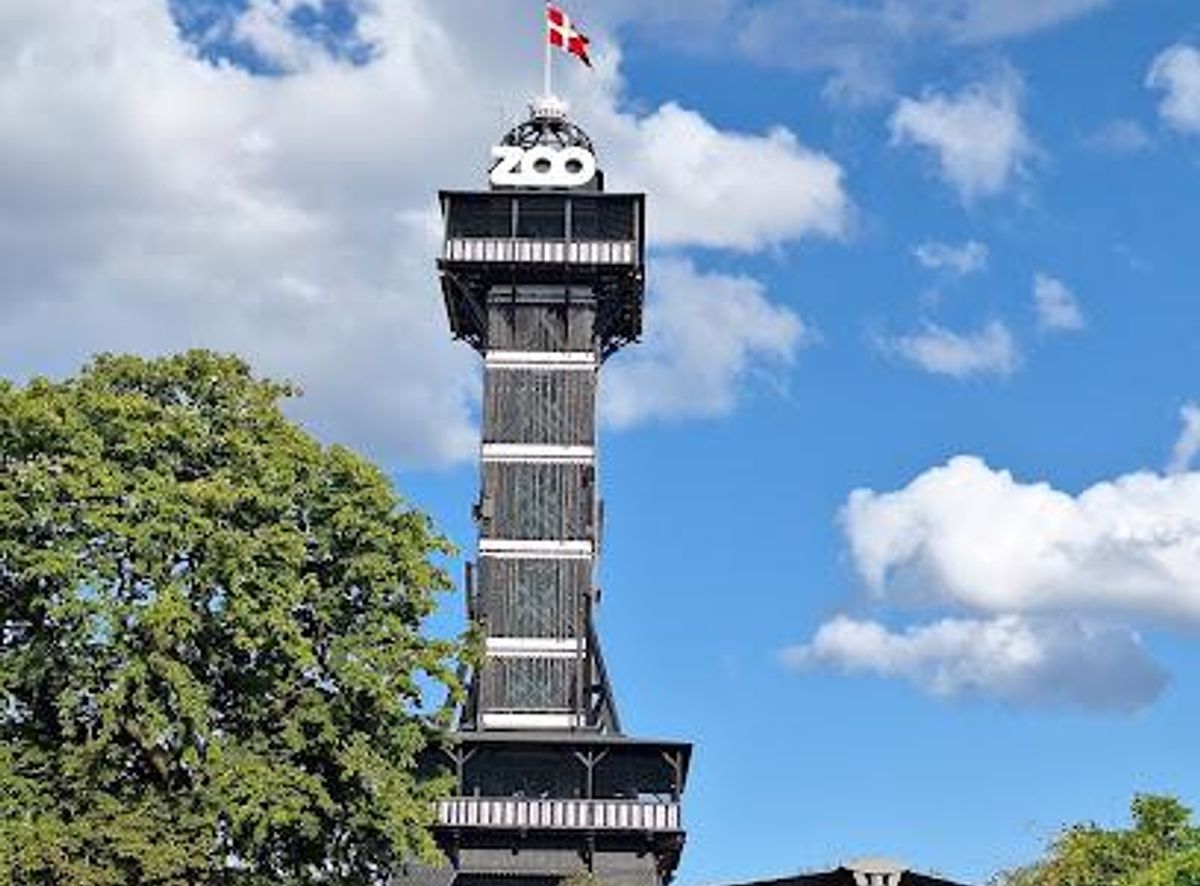
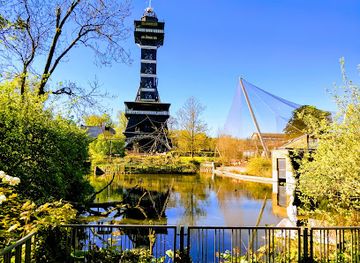
Copenhagen Zoo is as much an open‑air design museum as it is an animal park. The elephant house, conceived by renowned architect Norman Foster, uses curved forms and earth‑toned materials to create airy indoor spaces linked to a broad outdoor yard, so you can observe the herd from multiple levels. The panda house, designed by Danish studio BIG, has a distinctive yin‑yang layout that lets the two giant pandas move between indoor and outdoor areas while visitors circulate along elevated walkways and glass‑walled dining spaces. Elsewhere, the hippopotamus house echoes the texture of a hippo’s skin on its patterned walls, while the Arctic Ring plays with glass, rock and water to give wide, immersive views without crowding the animals. Scattered through the grounds are older wooden structures and the tall zoo tower, a landmark silhouette from the early 20th century that anchors the skyline and hints at the zoo’s long history.Hands-on experiences and family-friendly spaces
Families find plenty of interactive corners beyond simple viewing windows. In the children’s zoo, younger visitors can get closer to domestic species such as goats and pigs, often with opportunities to help with light tasks under staff supervision. Zoofari‑style playgrounds allow kids to test themselves on climbing frames, slides and balance elements themed around animal movement, offering a good break between more focused viewing. Throughout the day, scheduled feeding sessions and keeper talks bring extra insight into behaviour, enrichment and conservation work. These moments, whether watching chimpanzees problem‑solve for food or seeing hippos at close range, add rhythm to a visit and can help you plan a route through different zones without rushing.Eating, amenities and year-round comfort
Food options are unusually varied for a zoo. Around the grounds you can pick up ice creams, snacks and hot drinks from kiosks, or sit down at full cafés and restaurants. Bistro Panpan at the panda house serves dishes with an Asian touch, there is a more traditional Danish restaurant for open sandwiches and hearty plates, and several casual spots suitable for families who want quick, simple meals. You are also allowed to make use of picnic areas if you bring your own food. Practical facilities are well distributed: restrooms, baby‑changing rooms, benches, indoor seating areas and information boards are never far away. Because much of the zoo is outdoors, dressing for the weather is important, but the extensive indoor tropical zones and houses mean visits remain appealing in winter or rain. Open every day of the year with hours that extend into the evening in summer, the zoo can fit both tightly scheduled city breaks and more leisurely stays in Copenhagen.Conservation focus in an urban setting
Behind the scenes, Copenhagen Zoo participates in breeding programmes for threatened species and supports field projects ranging from amphibian reintroduction in Denmark to anti‑poaching efforts abroad. Interpretation panels near enclosures explain how individual animals are part of broader international networks and what is being done to safeguard their wild relatives. This conservation message is woven into children’s activities as well, encouraging curiosity about habitats and biodiversity rather than just individual charismatic animals. Because the zoo lies within the dense urban fabric of Frederiksberg, it also demonstrates how substantial green spaces and wildlife collections can coexist with city life. Mature trees, water features and planted banks attract native birds and insects, so you move between glimpses of exotic species and small signs of local nature. It all adds up to an experience that feels both educational and quietly reflective, even amid the natural buzz of families and school groups.Local tips
- Arrive near opening time to enjoy popular areas like the Arctic Ring and panda house before they get busy, then loop back to quieter enclosures later in the day.
- Check the daily schedule for feeding times and keeper talks at the entrance; planning your route around a few of these sessions makes the visit more engaging.
- Wear comfortable walking shoes and dress in layers; you will move between cool outdoor paths and warm, humid tropical houses throughout your visit.
- Consider bringing a reusable water bottle and some snacks or a picnic to complement meals from the on-site cafés and to keep costs predictable for families.
- If you are using a city sightseeing or attraction card, confirm whether it includes zoo entry to save on ticket costs and sometimes shorten the ticket queue.
A brief summary to Copenhagen Zoo
- Roskildevej 32, Frederiksberg, 2000, DK
- +4572200200
- Visit website
- Monday 10 am-4 pm
- Tuesday 10 am-4 pm
- Wednesday 10 am-4 pm
- Thursday 10 am-4 pm
- Friday 10 am-4 pm
- Saturday 10 am-4 pm
- Sunday 10 am-4 pm
Getting There
-
Bus from central Copenhagen
From Copenhagen Central Station, frequent city buses such as lines 7A and 6A run toward Frederiksberg and stop within a short walk of Copenhagen Zoo. The ride typically takes around 15–20 minutes depending on traffic and costs roughly 20–30 DKK one way with a standard city ticket or travel card. Buses run throughout the day at regular intervals, and stops are equipped with low floors for easy boarding with strollers and wheelchairs.
-
Metro plus short walk
Take the M1 or M2 metro to Frederiksberg Station, a major hub on the green line network, then continue on foot through the neighbourhood to the zoo in about 15–20 minutes at a relaxed pace. A single metro journey within the city’s central zones costs in the region of 20–30 DKK if you are not using a travel card. The route is mostly level and paved, suitable for strollers, but plan extra time in bad weather as the final approach is entirely outdoors.
-
Bicycle from city centre
Copenhagen’s extensive cycle lanes make biking to the zoo a convenient option. From the historic centre, the ride to Frederiksberg typically takes 15–25 minutes at a moderate pace along marked bike paths. You can use a rental or bike-share service, usually costing around 20–40 DKK for a short ride, depending on the provider and duration. Bicycle parking is available near the entrances, but it can become busy on sunny weekends and school holidays.
-
Taxi or rideshare within Copenhagen
A taxi ride from central Copenhagen to the zoo generally takes 10–20 minutes, depending on traffic, and costs in the range of 120–200 DKK one way. This is the most straightforward option if you are travelling with young children, have limited mobility or are visiting during colder months when waiting outdoors feels less comfortable. Taxis can usually drop passengers close to the main entrance, but be prepared for short queues at popular times such as late morning in summer.