
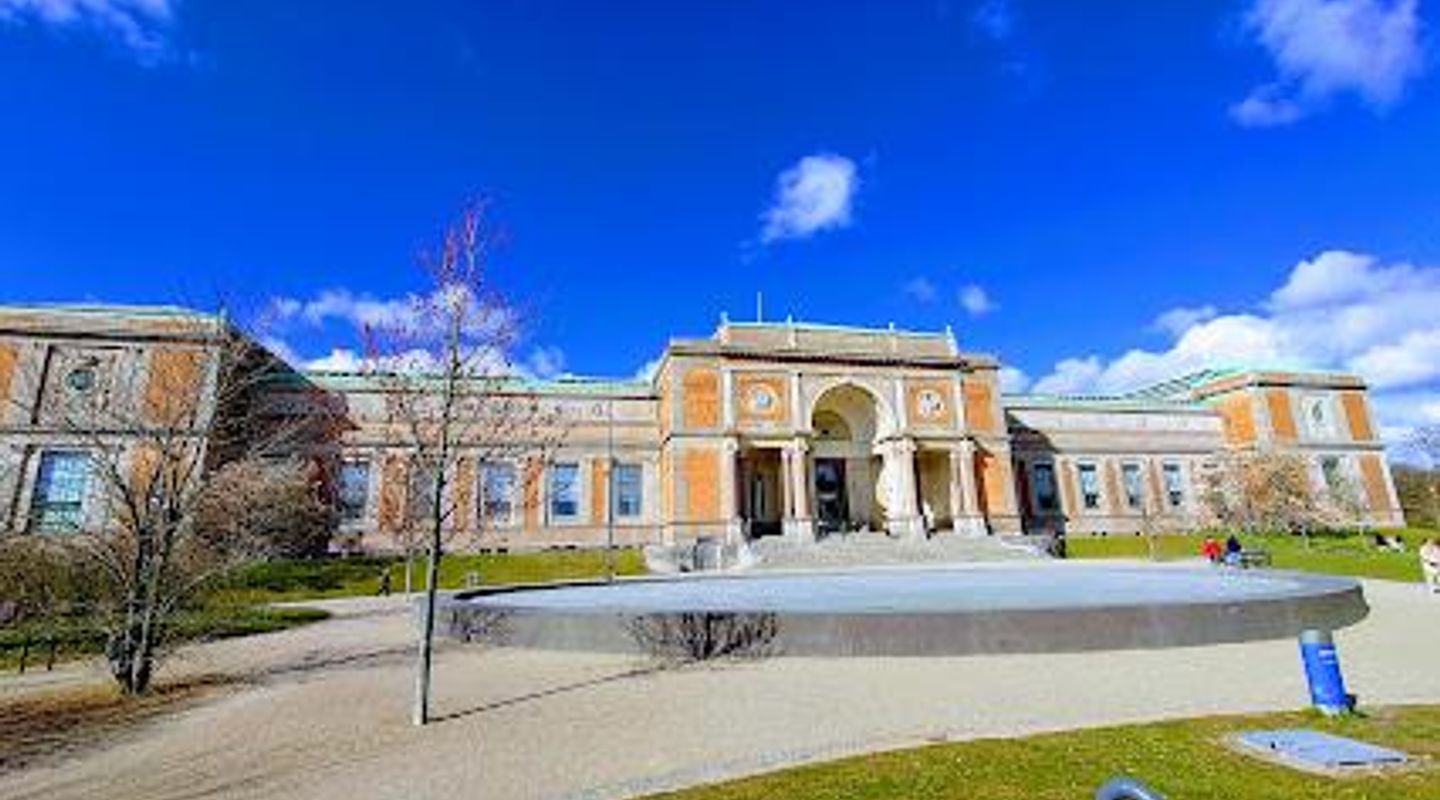
SMK – Statens Museum for Kunst, North Zealand Travel Guide
Denmark’s national gallery, uniting seven centuries of art, a world-class Matisse collection and a luminous modern wing beside Østre Anlæg park in central Copenhagen.
SMK – Statens Museum for Kunst is Denmark’s national gallery and largest art museum, set on leafy Sølvgade by Østre Anlæg park in central Copenhagen. Behind its monumental 19th‑century façade and sleek modern extension, the museum holds more than seven centuries of Danish and international art, from Renaissance masterpieces and Dutch and Flemish classics to French modernism, Danish Golden Age icons and cutting-edge contemporary installations. Light-filled galleries, a glass “street of sculptures,” a relaxed café and regular talks and performances make it both a cultural heavyweight and an inviting place to linger.
A brief summary to SMK – Statens Museum for Kunst
- Sølvgade 48-50, Indre By, Indre By, 1307, DK
- Click to display
- Click to display
- Duration: 2 to 4 hours
- Mid ranged
-
 Indoor
- Mobile reception: 5 out of 5
- Tuesday 10 am-6 pm
- Wednesday 10 am-8 pm
- Thursday 10 am-6 pm
- Friday 10 am-6 pm
- Saturday 10 am-6 pm
- Sunday 10 am-6 pm

Know before you go
Hi, I'm Eve. Here are a few practical things to know before exploring SMK – Statens Museum for Kunst.
- Start on the upper floors with Danish Golden Age and French modern works, then finish in the contemporary wing; the narrative of art history feels more coherent in this order.
- Plan a mid-visit break at the café overlooking Østre Anlæg; it is an ideal spot to rest your eyes and process what you have seen before returning to the galleries.
- If you enjoy drawings and prints, ask staff about access to the Print Room in advance; this is where some of the museum’s most delicate works can be studied up close.
- Check the schedule for talks, performances and workshops on the day of your visit; these often take place in the glass sculpture street and add depth to the collection.
- Weekday mornings and late Wednesday evenings are usually calmer times for the major galleries, giving you more space with the most famous works.
Do you manage this location?
Take control to get all the benefits, like improved information, better appearance, and stronger visibility across AI-powered discovery. Learn more about listing your business on Evendo
Activate your presenceOther nearby places you may find interesting
The closest places of the same kind, if this one is not quite what you had in mind.
Explore SMK – Statens Museum for Kunst on the Map
A handpicked selection of must-see spots near SMK – Statens Museum for Kunst, mapped for you.
Unlock the Best of SMK – Statens Museum for Kunst
Buy tickets
-
No tickets available
Book tours with entry


Getting There
-
Metro and S-train from central Copenhagen
From central Copenhagen, take the metro or S-train to Nørreport Station, one of the city’s main hubs; trains run every few minutes and the ride typically takes 3–8 minutes from most central stops. A single zone ticket normally costs around 20–30 DKK, and is valid across metro, S-train and buses. From Nørreport, expect an additional 10–15 minutes’ level walking on city pavements to reach SMK; the route is straightforward, suitable for wheelchairs and strollers, and runs through busy but well-lit streets year-round.
-
City bus connection
Several city bus lines serve the area around Sølvgade and Østre Anlæg, with journey times of about 10–20 minutes from districts such as Vesterbro, Østerbro or Islands Brygge, depending on traffic. Standard bus fares are typically 20–30 DKK and can be paid with the same tickets and travel cards used on the metro. Buses run frequently during the day and early evening, but services thin out later at night and on some holidays, so check timing if you plan a late visit.
-
Cycling within Copenhagen
For those already in the city, renting a bicycle is a very practical way to reach SMK, with a ride of around 5–20 minutes from most central neighbourhoods along Copenhagen’s dedicated bike lanes. Short-term bike rentals usually range from 80–150 DKK for a day, with higher prices for e-bikes. The terrain is flat and the streets are well signposted, but be prepared for busy cycle traffic on weekdays and follow local cycling rules, particularly at major junctions near the city centre.
-
Taxi from central areas
Taxis from central locations such as City Hall Square or the main railway station generally take about 10–15 minutes to reach SMK outside rush hour, but travel times can increase during peak traffic. Fares typically fall in the 120–200 DKK range depending on distance, time of day and traffic conditions. Taxis in Copenhagen are metered and can usually drop passengers close to the museum entrance, which is helpful for visitors with limited mobility.
For the on-the-go comforts that matter to you
-
 Restrooms
-
 Drink Options
-
 Drinking Water
-
 Food Options
-
 Seating Areas
-
 Sheltered Areas
-
 Trash Bins
-
 Information Boards
-
 Visitor Center
Discover more about SMK – Statens Museum for Kunst
Denmark’s national treasure house of art
SMK – Statens Museum for Kunst is the National Gallery of Denmark, housed in a grand 19th‑century building facing the green lawns of Østre Anlæg in central Copenhagen. This is the country’s largest art museum, responsible for collecting, researching and presenting Danish and international art from the 14th century to today.Step inside and you move from hushed marble staircases and high-ceilinged halls into an atmospheric sequence of galleries where canvases, sculptures and works on paper map out seven centuries of artistic ideas. The museum’s role as national gallery means it also tells a wider story of Denmark itself, from royal power and empire to modern democracy and global connections.Masterpieces from the Renaissance to the modern age
The historic collections begin with late medieval and Renaissance works: altarpieces, portraits and religious scenes by European masters. Flemish and Dutch Golden Age paintings—glowing still lifes, intimate interiors and dramatic biblical narratives—reflect centuries of royal collecting and taste. Among the major holdings is a renowned painting by Andrea Mantegna, a key acquisition that signalled the seriousness of the national collection.Moving forward, 18th- and 19th‑century rooms trace shifts in style from baroque drama to neoclassical clarity. French, German and other European schools hang alongside Danish works, allowing you to compare how artists across the continent explored light, landscape and the human figure. Carefully curated juxtapositions help you see the dialogue between Denmark and the wider European art world.Danish Golden Age and a world-class Matisse collection
One of SMK’s great strengths is its collection of Danish Golden Age art from the early 1800s. Intimate interiors, harbour views and cityscapes by painters such as Christen Købke capture Copenhagen at a moment of quiet poetry, all soft northern light and meticulous detail. Portraits and landscapes from this period have become part of Denmark’s visual identity, and many of the most important examples live here.Equally famous is the museum’s French modern collection, built on a landmark early 20th‑century donation. Works by Matisse, Picasso, Derain and Braque mark the birth of modern art, with bold colour and fragmented form challenging older traditions. SMK holds one of the world’s finest collections of Matisse outside France, including major canvases that show his development from Fauvism towards ever more distilled compositions.Contemporary voices and the glass street of sculptures
Towards the rear, a striking modern extension of glass and stone opens the museum to the surrounding park. Here you find art from 1900 to the present: Danish modernists, post-war experimenters and international contemporary figures. Installations, video works and conceptual pieces by artists such as Marina Abramović and Danh Vo explore politics, identity and global histories.Connecting historic building and new wing is a dramatic, light-filled passage often called the “street of sculptures.” This transparent corridor overlooks Østre Anlæg and frames large-scale works in a constantly shifting play of daylight and shadow. It also functions as a flexible stage for talks, small concerts and performances, blurring the line between gallery and public space.Behind-the-scenes collections and quiet corners
Beyond the main galleries, SMK cares for an enormous graphic collection of drawings, prints and photographs, accessible through a dedicated study room by prior arrangement. This quieter side of the museum underpins exhibitions and research, offering a deep dive into artistic processes and unfinished ideas.For a pause, the ground-floor café opens directly onto views of the park’s old magnolia trees, bringing a soft green backdrop to your coffee or lunch. Bookshops and seating nooks invite you to linger over catalogues or sketchbooks, making it easy to turn a quick visit into a slow, reflective afternoon surrounded by art and greenery.A day-long cultural anchor in central Copenhagen
With its mix of permanent displays and changing exhibitions, SMK rewards both first-time visitors and returning art lovers. Families find interactive spaces and workshops, while curious newcomers can join guided introductions or themed talks. The combination of monumental architecture, open public areas and carefully lit galleries gives the museum a calm, spacious feel even on busy days.Outside, lawns and paths lead directly into Østre Anlæg, so you can alternate galleries with short walks under mature trees. Whether you come for a single masterpiece, to trace the arc of Danish art, or simply to enjoy a serene indoor refuge in the city centre, the National Gallery of Denmark serves as a cultural anchor point where Copenhagen’s past and present meet on the walls.More to explore near SMK – Statens Museum for Kunst













Your all‑in‑one travel companion app
Explore expert travel guides, compare and book tours, experiences, hotels, and more—all from the palm of your hand. Download now for seamless trip planning wherever your wanderlust takes you.


Explore More of North Zealand
Looking beyond SMK – Statens Museum for Kunst? Discover North Zealand for broader travel guides, local hot-spots, and regional highlights.
Explore North Zealand