
Holmens Bro
A low granite arch in the heart of Copenhagen, Holmens Bro quietly links Slotsholmen’s palaces with the old town while offering classic canal and city views.
Holmens Bro is a low granite road bridge spanning Copenhagen’s Slotsholmen Canal at the heart of the city, linking the island of Slotsholmen with the historic inner district of Indre By. Built in the 1950s to replace an ornate 19th‑century bridge, it now serves as a busy crossing for buses, cyclists and pedestrians, framed by landmark neighbours such as Christiansborg Palace and the former stock exchange. More than just a piece of infrastructure, it offers classic waterside views and an easy vantage point on Copenhagen’s maritime and political core.
A brief summary to Holmens Bro
- Copenhagen, Indre By, DK
- Duration: 0.25 to 1 hours
- Free
-
 Outdoor
- Mobile reception: 5 out of 5

Know before you go
Hi, I'm Eve. Here are a few practical things to know before exploring Holmens Bro.
- Come early in the morning or around sunset for softer light and calmer traffic when photographing the canal and surrounding landmarks from the bridge.
- Use the bridge as a handy orientation point: from here you are within a short walk of Christiansborg Palace, Børsen and several major museums.
- Watch for cyclists in both directions when stopping at the railings; stay close to the pedestrian side to avoid blocking the bike lanes.
Do you manage this location?
Take control to get all the benefits, like improved information, better appearance, and stronger visibility across AI-powered discovery. Learn more
Activate your presenceOther nearby places you may find interesting

Getting There
-
Metro and short walk from central Copenhagen
Take the M1 or M2 metro line to Kongens Nytorv, which is a major central hub. From there, it is roughly a 10–15 minute walk through the inner city to Holmens Bro along largely flat, paved streets suitable for most visitors. A single metro ticket within the city zones typically costs around 20–25 DKK, and trains run every few minutes throughout the day.
-
S‑train to central station and bus connection
From elsewhere in the Copenhagen region, use the S‑train network to reach København H (Central Station), then transfer to a city bus heading towards Slotsholmen and the inner harbour area. The combined journey usually takes 20–35 minutes depending on your starting point and connection times. Standard tickets for the zones covered are around 24–36 DKK, and services are frequent during daytime and early evening.
-
Cycling from inner districts
Copenhagen’s extensive cycle paths make it straightforward to reach Holmens Bro by bike from districts such as Nørrebro, Vesterbro or Østerbro in about 10–25 minutes. The route is almost entirely on dedicated lanes, but expect busy commuter traffic at peak times and be comfortable riding in an urban environment. Bike‑share and rental options are widely available in the city centre, typically from 75–150 DKK per day.
For the on-the-go comforts that matter to you
-
 Trash Bins
-
 Information Boards
-
 Seating Areas
-
 Drink Options
-
 Food Options
-
 Restrooms
Discover more about Holmens Bro
A modest bridge in a grand setting
Holmens Bro may not be the most flamboyant bridge in Copenhagen, but its location could hardly be more central. The single‑span granite arch stretches quietly across Slotsholmen Canal, connecting the island that houses Christiansborg Palace with the streets of Indre By. Standing here, you are surrounded by some of the city’s most important institutions, from parliament and ministries to historic mercantile buildings and church spires reflected in the canal.The bridge’s low, sturdy profile keeps the spotlight on its surroundings. Look along the water and you see tour boats sliding under a string of neighbouring bridges, while above you the skyline is punctuated by towers, copper roofs and the distinctive silhouette of nearby Børsen. Holmens Bro works as a kind of viewing platform in motion: even as city buses and bicycles flow over it, you can pause at the railings and feel the choreography of Copenhagen’s daily life unfolding on all sides.From 19th‑century ornament to 20th‑century granite
The current bridge dates from 1954, when it replaced an earlier structure designed in 1878 by architect Vilhelm Dahlerup, known for his ornate historicist buildings. That predecessor echoed the decorative style of other Slotsholmen crossings, with richer ironwork and embellishment. The post‑war replacement took a different approach: a closed spandrel arch in granite, built for heavier traffic and modern vehicles, reflects a mid‑20th‑century preference for solidity and function over flourish.Although some of the theatrical 19th‑century character was lost, the new Holmens Bro fits the granite embankments and civic gravitas of the canal. Its simple balustrades and clean curve frame unobstructed views up and down the waterway. For architecture enthusiasts, it also illustrates how Copenhagen has continuously adapted its infrastructure while maintaining the historic fabric around it.Slotsholmen’s watery crossroads
Slotsholmen Canal was laid out in the late 17th century to define and protect the island that became Denmark’s political centre. Today, Holmens Bro is one of several bridges stitching this enclave to the rest of the city, but it occupies a particularly strategic position. To one side rise the vast complexes of Christiansborg, where the Danish parliament, supreme court and royal reception rooms share the same palace. To the other side, the compact streets of Indre By unfold with their mix of shops, offices and old merchants’ houses.From the bridge you can read layers of Copenhagen’s history in a single sweep: the trading ambitions of the 17th century, the royal prestige projects of later kings, and the modern city’s emphasis on bikes, buses and boats threading harmoniously through it all. Canal tour commentary often points out Holmens Bro as they pass beneath, not for any dramatic design, but because it marks the threshold between civic monuments and the bustling harbour beyond.Everyday rhythms on the water
Despite its institutional neighbours, Holmens Bro feels surprisingly informal. Cyclists rush past in dedicated lanes, commuters lean on the railings with takeaway coffee, and visitors pause to photograph the canal boats queuing for the nearby lock. In the early morning the soundscape is soft: the hum of engines, the clink of rigging from moored boats, and the echo of footsteps on stone. Later in the day, the bridge becomes a moving balcony for office workers crossing between meetings and groups drifting between museums and cultural venues.Looking down, you can trace the curves of the canal as it wraps around Slotsholmen, with other bridges arching in sequence. On bright days, the water throws flecks of light onto the underside of the stone, underlining how closely Copenhagen’s identity is tied to its harbour and waterways.Photographing and experiencing the scene
For photographers, Holmens Bro offers classic compositions in several directions. One angle aligns the canal, the palace facades and distant spires; another frames tour boats emerging from under neighbouring bridges. The bridge’s modest height keeps you close to the water level, so reflections remain strong and atmospheric even in gentle light. At dusk, streetlamps and lit windows begin to glow, and the granite takes on warmer tones.There is little in the way of decoration to inspect on the bridge itself, but that simplicity encourages you to look outward rather than down. Holmens Bro is best appreciated as part of a slow wander along Slotsholmen’s embankments, pausing here to absorb how the city’s political power, mercantile history and everyday movement all converge at this unassuming yet quietly indispensable crossing.Explore the best of what Holmens Bro has to offer















More about North Zealand
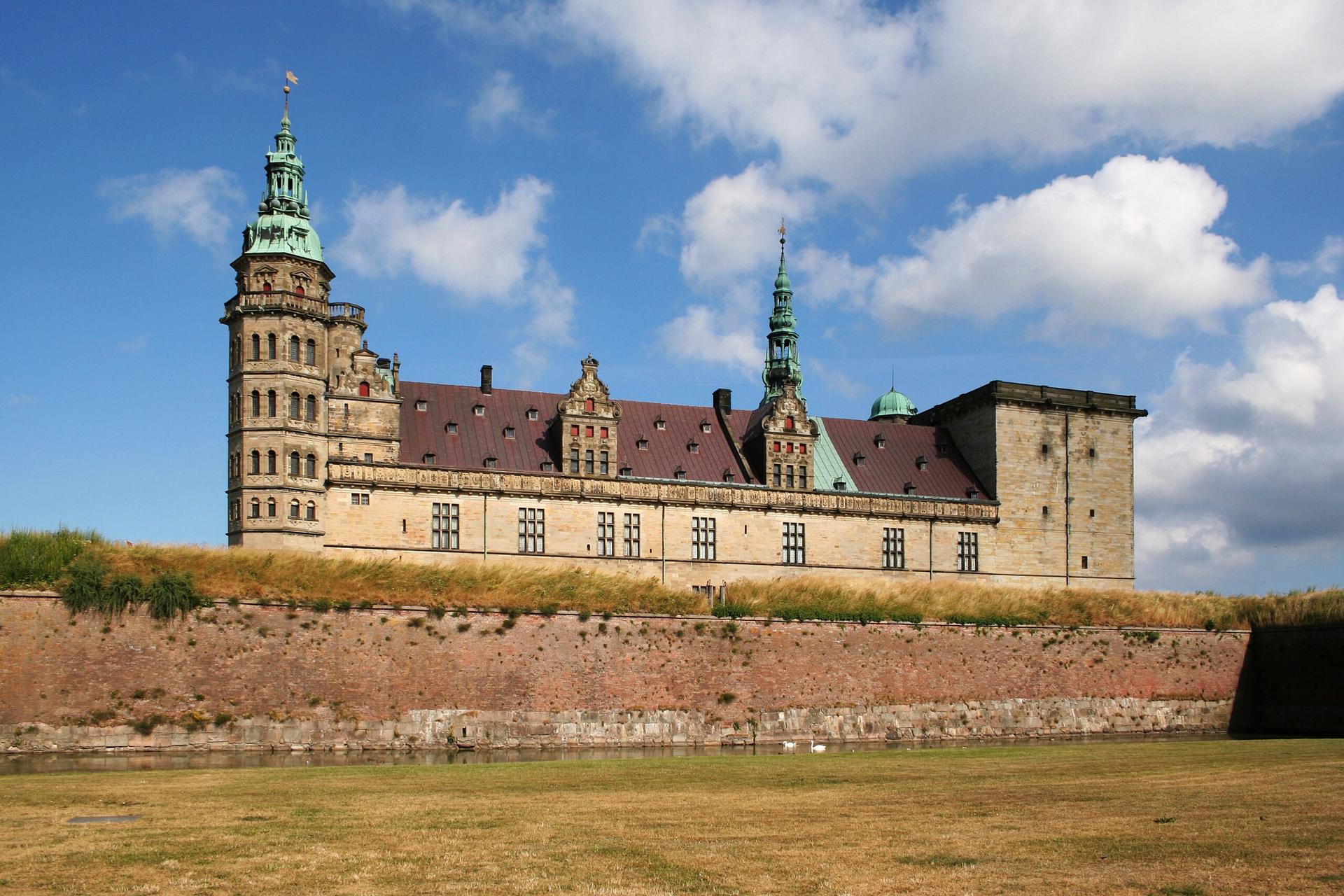
Explore North Zealand, Denmark's enchanting region of castles, beaches, and royal estates, perfect for history buffs, nature enthusiasts, and seaside lovers.
Tell me more about North Zealand
Maritime charm meets modern cool in Copenhagen's most picturesque neighbourhood of coloured houses and idyllic canals.
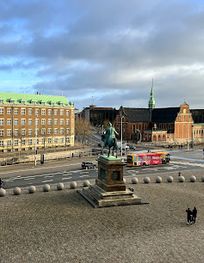
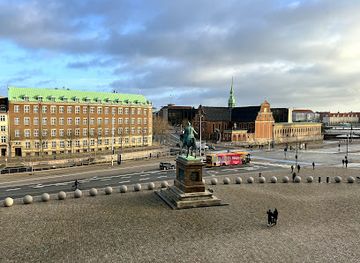
Bronze monument in central Copenhagen commemorating King Frederik VII and Denmark’s 19th-century transition to constitutional monarchy, steps from political landmarks.
