
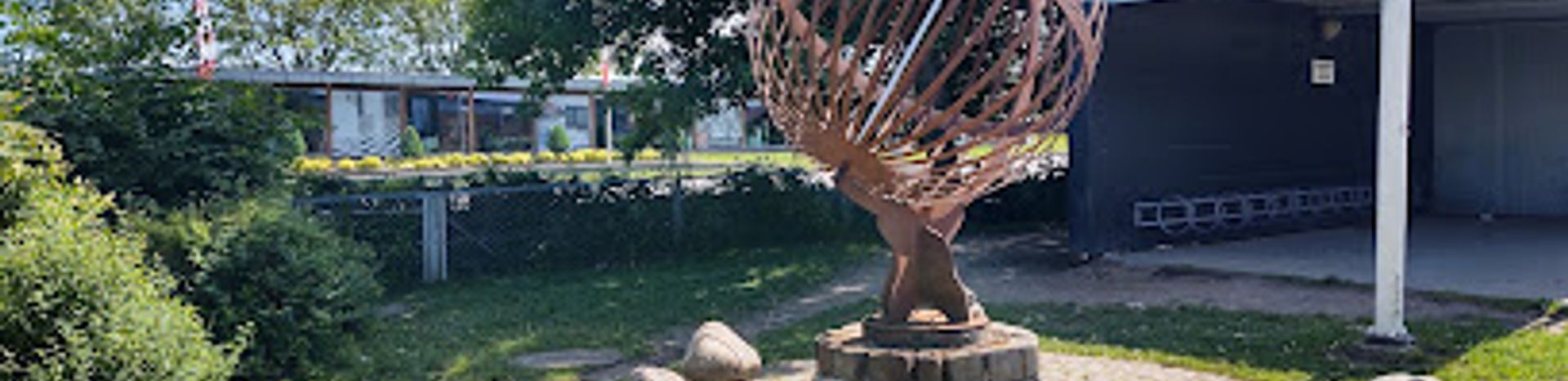
Mindesten for Rytterfægtningen ved Torsted
A modest roadside memorial on Horsens’ southern edge, marking a dramatic 1864 cavalry clash and weaving Denmark’s war history into an everyday suburban streetscape.
Set back from busy Vejlevej on the southern edge of Horsens, the Mindesten for Rytterfægtningen ved Torsted is a modest memorial stone in a small green strip marking a dramatic cavalry skirmish from the Second Schleswig War. Erected in 1914 on the 50th anniversary of the battle, it commemorates a handful of Danish dragoons who faced Prussian hussars here in April 1864. Today the stone offers a quiet, reflective pause and a tangible link to Denmark’s turbulent 19th‑century history amid everyday suburban surroundings.
A brief summary to Mindesten for Rytterfægtningen ved Torsted
- Vejlevej 84, Horsens, 8700, DK
- Duration: 0.25 to 0.5 hours
- Free
-
 Outdoor
- Mobile reception: 4 out of 5
Local tips
- Allow 10–20 minutes for a visit; the site is small, so focus on reading the inscription and imagining the 1864 landscape around the old road.
- Combine the stop with nearby parks or museums in Horsens to place the memorial within a broader story of the 1864 war and local history.
- There are no facilities on-site; bring water if visiting on a warm day and plan restroom or café stops elsewhere in Horsens.

Getting There
-
City bus from Horsens center
From central Horsens or the railway station, use a local city bus heading along Vejlevej toward the southern districts; the journey typically takes 8–15 minutes depending on traffic. Single adult tickets are usually in the range of 22–26 DKK and can be bought from the driver or via regional ticket apps. Alight at a stop near Vejlevej 84 and walk a short distance along the main road; pavements are paved but can be noisy with traffic.
-
Taxi within Horsens
Taking a taxi from the city center or railway station to Vejlevej 84 is quick and convenient, generally taking 5–10 minutes. Daytime fares often fall between 70 and 130 DKK depending on traffic and starting point. Taxis can drop you directly opposite or adjacent to the memorial area, making this a suitable option for visitors with limited mobility, although you will still need to stand and walk a few meters on level pavement.
-
Cycling from Horsens center
Confident cyclists can reach the memorial from central Horsens in about 10–20 minutes, following designated cycle paths and shared lanes along the main approaches toward Vejlevej. There is no formal bike parking at the stone, but you can lock a bicycle to nearby railings or signposts without obstructing the pavement. Traffic on Vejlevej can be busy at peak times, so this option is best suited to riders comfortable with urban cycling conditions.
Mindesten for Rytterfægtningen ved Torsted location weather suitability
-
 Any Weather
-
 Mild Temperatures
-
 Cold Weather
-
 Hot Weather
Discover more about Mindesten for Rytterfægtningen ved Torsted
A quiet memorial beside the old country road
Mindesten for Rytterfægtningen ved Torsted sits on Vejlevej, once the country road south of Horsens and today a traffic-lined approach into the city. A simple memorial stone rises from a neat patch of grass, framed by low plantings and a few trees that soften the noise from the passing cars. There is no grand park or monumental avenue here; the modest scale is part of its character, blending remembrance into everyday urban life. A short path leads you directly to the stone, where the surrounding greenery forms a small buffer from the pavement. The setting feels more like a verge-side pocket park than a formal cemetery or battlefield site, yet this unassuming spot marks one of the more dramatic local episodes of the 1864 war. Standing here, you look out across a landscape now filled with houses, shops and traffic, and it takes a moment of imagination to picture cavalry hooves churning up the same ground.The cavalry clash of April 1864
On 22 April 1864, during the Second Schleswig War, a small group of Danish dragoons encountered advancing Prussian hussars on the road near Torsted just south of Horsens. The clash, known as the Rytterfægtning ved Torsted, was brief but intense, part of the wider struggle as Danish forces retreated northward under pressure from a better-equipped enemy. Contemporary accounts describe how the Danish riders were cut off, forced to fight on unfavorable ground and ultimately overwhelmed. Unlike major set-piece battles of the campaign, this was a localized skirmish, involving only a handful of men on each side. Yet its memory endured strongly in the Horsens area, symbolizing courage in the face of superior numbers and the broader national trauma of 1864, when Denmark lost much of Schleswig and Holstein. The stone marks approximately where the fighting took place, rooting the abstract history of front lines and treaties in a specific bend of road and a small strip of earth.A stone raised fifty years after the fighting
The memorial stone was erected in 1914, exactly fifty years after the cavalry action it commemorates. Its placement on the roadside reflects early 20th‑century efforts to mark key moments from the 1864 war in the landscape, tying national remembrance to everyday routes people travelled for work and trade. The inscription recalls the date of the skirmish and honors the dragoons who fell in the encounter, without the grand rhetoric found on some larger monuments. By the time the stone was unveiled, the surrounding area was already changing from open countryside into a more developed suburban fringe. Over the following decades, the city grew steadily around it. Yet the memorial has remained in place, a fixed point as fields became housing and the simple country lane turned into one of Horsens’ main southern approaches. Occasional commemorative events still gather here, but most of the time the stone stands quietly as part of the streetscape.Experiencing the site today
For visitors, the experience is brief but evocative. You can walk right up to the stone, read the inscription and take in the contrast between the historic event and the modern surroundings. The strip of grass offers just enough room to step back, reflect and perhaps trace the imagined line of the old road and fields where horses once charged. There are no fences, gates or ticket booths; the memorial is simply present, accessible at all hours and woven into the neighborhood. The lack of on-site interpretation invites you to engage with the story at your own pace. A visit pairs well with time at other local memorials and museums dedicated to 19th‑ and 20th‑century conflicts, building a bigger picture of Horsens’ role in Danish history. Even a short stop here can add depth to a broader exploration of the city, anchoring historical narratives in a single, tangible stone.A small stop on a larger historical route
Mindesten for Rytterfægtningen ved Torsted works best as a stop within a wider day of exploring Horsens and its surroundings. Its open access, lack of facilities and compact footprint make it a natural short detour, whether on foot, by bike or during a drive through the southern districts. For history-minded travelers tracing the 1864 campaign, it offers a way to stand exactly where a lesser-known but locally significant clash occurred. As urban traffic flows past, the memorial’s quiet presence encourages a moment of pause. It is a reminder that even small roadside patches of grass can hold stories of national importance, and that the dramatic events of 1864 unfolded not only on famous battlefields but also in places that, today, look entirely ordinary.Iconic landmarks you can’t miss

Bilka Horsens
3.1 km
Experience the rich theatrical heritage of Odense at the historic Comediehuus, a cultural landmark since its inception.
Årtusindeskifte Eg
3.9 km
An ancient oak rooted in Horsens' heart, where nature and urban life converge in timeless harmony.
Jættestuen grønhøj
4.0 km
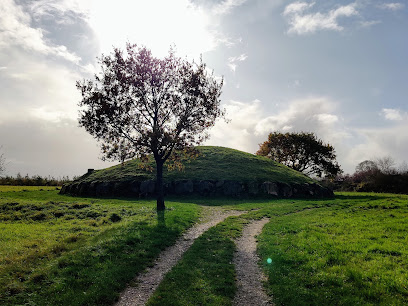
5.000 år gammel jættestue midt i det østjyske kulturlandskab – et stille møde mellem bondestenalderens stenkonstruktioner, skov, marker og Bygholm Sø.
Horsens Tourist Information Centre
4.2 km
Experience the heart of Danish comedy at Odense Comediehuus, where culture and laughter unite in the vibrant city center.
Genforeningssten på Ejer Bavnehøj
15.4 km
Denmark's third-highest point crowned with a monumental 1920 reunification memorial and iconic tower.
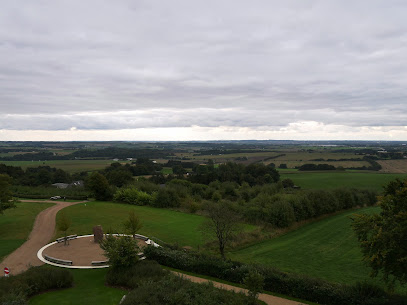
Ejer Bavnehøj
15.4 km
A modest Danish hill with a mighty horizon, Ejer Bavnehøj blends reunification history, beacon legends and big-sky views into an easy, rewarding countryside stop.
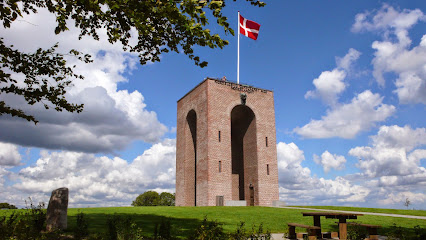
Ejerbavnehøj MØDESTED
15.8 km
Denmark's third-highest peak crowned by a 1924 monument to national reunification, offering panoramic views and historic significance.
The Midgård Well
22.7 km
A coiled Norse serpent, a quiet city fountain and a whole mythic world wrapped into one small corner of central Vejle.
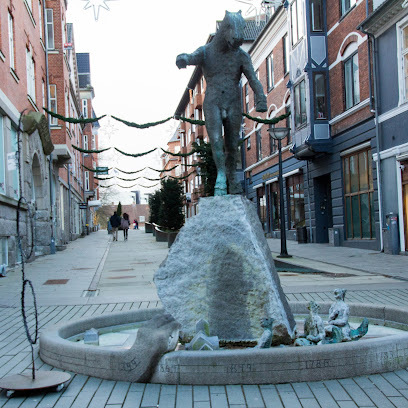
VisitVejle
22.8 km
Explore Andelstrappen and Fortællegyngestolen in Odense: A fusion of nature's beauty and rich literary heritage.
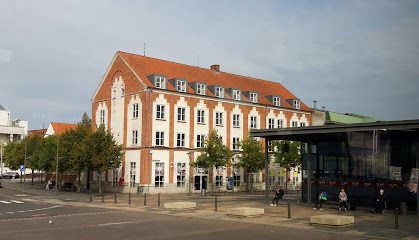
Vejle Vindmølle
23.5 km
Historic windmill turned art gallery with panoramic city views and rotating contemporary exhibitions.
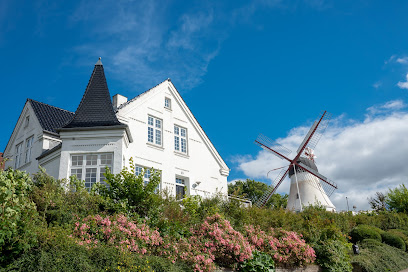
Jelling Mounds, Runic Stones and Church
26.3 km
Experience contemporary art in Vejle's historic 1950s vending machine gallery.
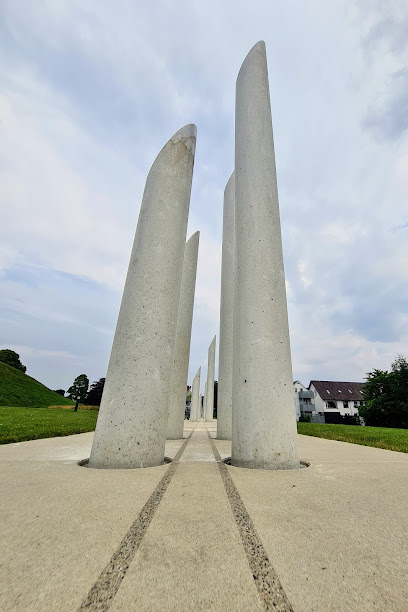
Kongernes Jelling
26.4 km
UNESCO-designated Kongernes Jelling unites Viking mounds, rune stones, and a modern museum, tracing Denmark’s earliest kings and the nation’s Christian roots.
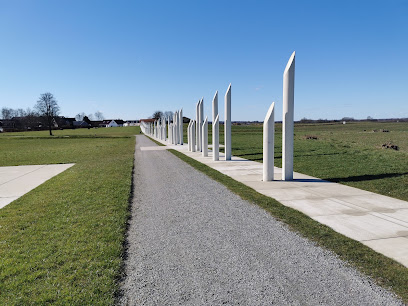
Det gamle vandtårn
27.1 km
Skanderborg's 41.5-meter castle-style water tower from 1908—a striking symbol of industrial heritage and urban progress.
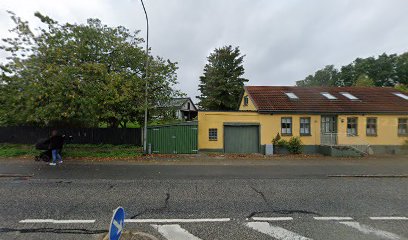
Fredericia Vold
30.2 km
Northern Europe's best-preserved fortress ramparts, where 370 years of Danish military history meets urban parkland.
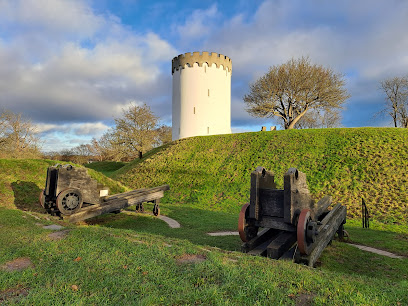
Bestig Himmelbjerget
30.4 km
Discover breathtaking views and rich history at Himmelbjerget, Denmark's iconic Sky Mountain in the heart of the Lake District, offering hiking, boat trips, and cultural experiences.
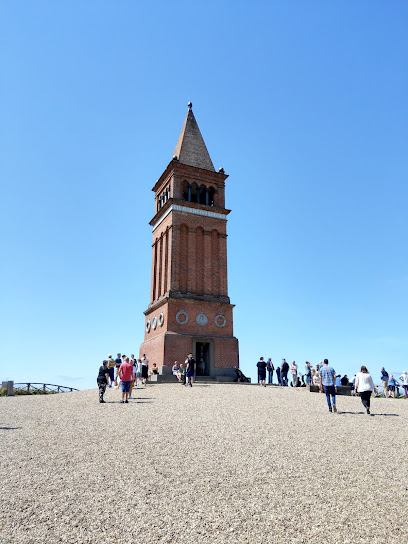
Unmissable attractions to see

Planetstien
2.5 km
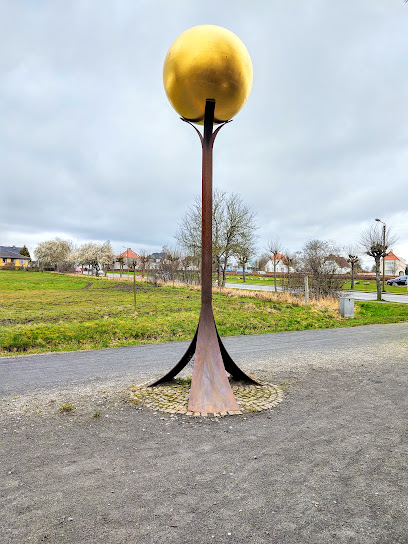
Walk or cycle through a scaled solar system along Horsens Fjord, where art, astronomy and easy nature trails meet on the scenic Planetstien path.
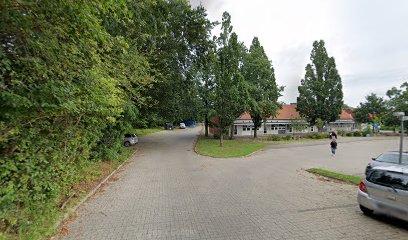
Horsens Garden
2.6 km
Step inside Horsens’ storied cotton factory to experience Denmark’s industrial transformation—hands-on workshops, authentic machinery, and immersive exhibitions await.
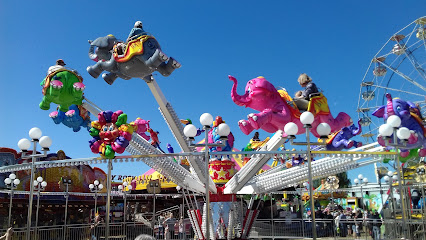
Dyrskuepladsen
2.7 km
Expansive fairground on Horsens’ edge, transforming from quiet open fields into a lively world of markets, livestock shows, funfair rides and local rural life.
Bygholm Park Legeplads
2.9 km
Leafy, relaxed playground in Horsens’ Bygholm Park, where classic swings and nature play meet lawns, lakes and easygoing family time in the manor’s green oasis.
Bygholm Park
3.0 km
Leafy manor grounds that blend playgrounds, picnics and lakeside trails into Horsens’ most effortless everyday escape.
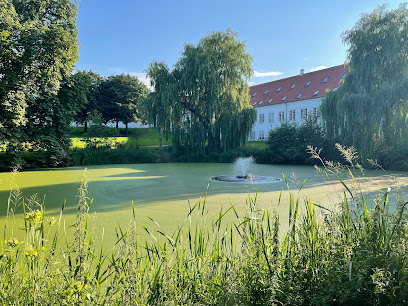
Comwell Bygholm Park
3.0 km
Historic manor‑house hotel in Horsens’ Bygholm Park, blending stately 18th‑century charm with modern comfort, leafy parkland, family‑friendly space and easy city access.

Lilian's tree
3.0 km
Ancient tree, riverside serenity, and family-friendly art in Horsens' most beloved waterfront escape.
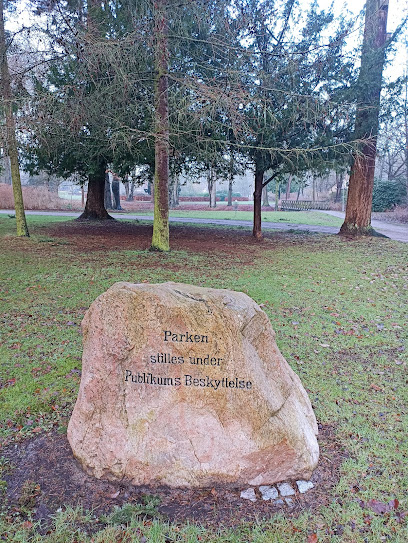
Tyrstedlund Naturpark
3.0 km
A living biodiversity laboratory on Horsens’ southern edge, where meadows, forest fringe, wildlife pond and forest garden turn an everyday walk into a quiet lesson in nature.
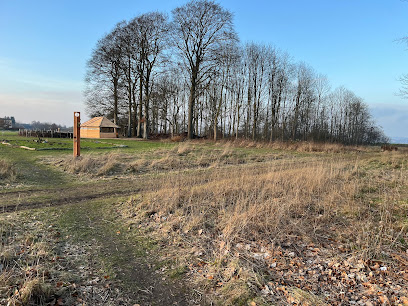
Vitus Beringsparken
3.0 km
A compact 1950s city park in central Horsens, Vitus Beringsparken blends green lawns, rhododendrons and local history into a quiet pause between station and shops.
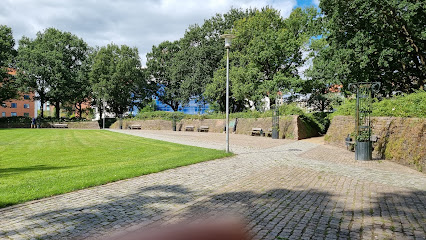
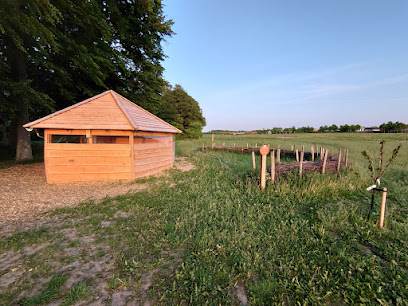
Madpakkehuset, Tyrstedlund Naturpark
3.1 km
Small wooden picnic cabin and outdoor classroom nestled in Horsens’ Tyrstedlund Naturpark, surrounded by meadows, pond and biodiversity-rich habitats.
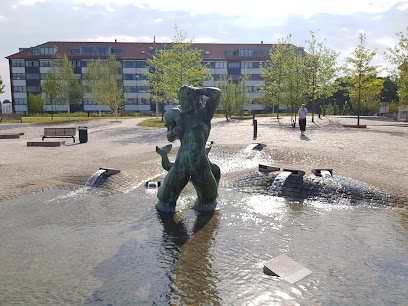
Horsens Banegård Park
3.1 km
A compact green pause beside Horsens railway station, where commuters, locals and dog walkers share a simple slice of lawn, trees and benches in the city’s busy heart.
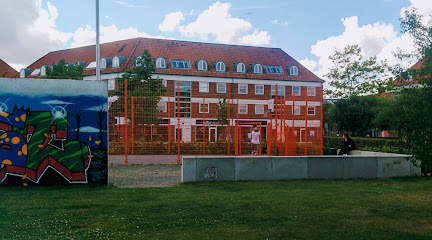
Rådhusparken
3.1 km
A modest green pause in the heart of Horsens, where everyday city life meets street art, dog walkers and quiet benches beneath mature trees.
Mindesten for Det Slesvigske Kyrasserregiment
3.3 km
A modest forest memorial stone that quietly recalls Horsens’ century as a cavalry garrison town and the legacy of Det Slesvigske Kyrasserregiment.
Horsens Holder
3.5 km
A lively street festival that turns Horsens’ central Søndergade into a relaxed urban playground of music, food, stalls and community life for all ages.
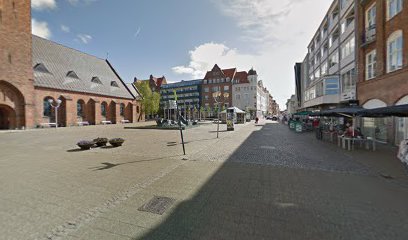
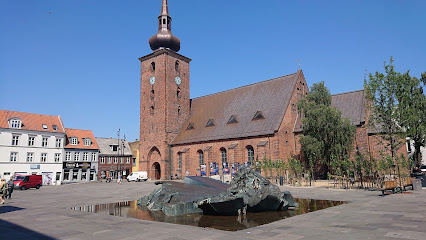
Church of Our Saviour
3.5 km
Medieval brick, Baroque grace and a renewed interior meet at Horsens’ historic town-square church, the oldest building within the city and its spiritual centre.
Essential places to dine

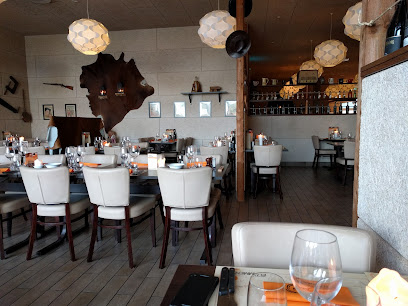
Restaurant Flammen - Horsens
2.8 km
Big-hearted grill buffet in a cosy, antique-filled setting, serving all‑you‑can‑eat meats, hot dishes and salads for relaxed, social evenings in Horsens.
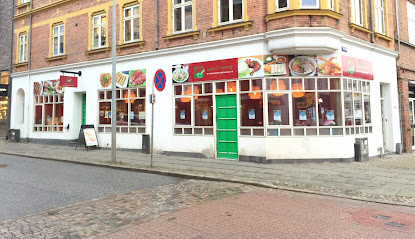
Hien's Vietnamesisk Køkken
3.1 km
Cozy Vietnamese kitchen in central Horsens, serving fresh rolls, bánh mì, noodles and signature house specialties in a relaxed, everyday-friendly setting.
Det Ny Kronborg
3.1 km
Traditional Danish restaurant and banquet hall in a quiet Horsens street, combining white-tablecloth charm, hearty cooking and a relaxed, grown‑up atmosphere.
Jacobs Vin & Tapas
3.2 km
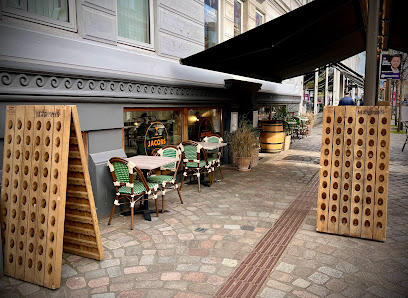
Intimate basement wine bar in central Horsens serving Spanish-inspired tapas and a carefully curated wine list in a cosy, candlelit setting.
Bone's Horsens
3.2 km
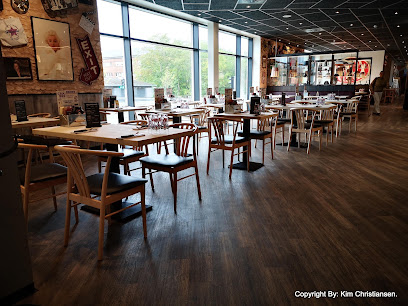
Lively American-style family restaurant in central Horsens, serving BBQ ribs, steaks, burgers and all-you-can-eat sides in a cosy, memorabilia-filled saloon setting.
Great sushi
3.2 km
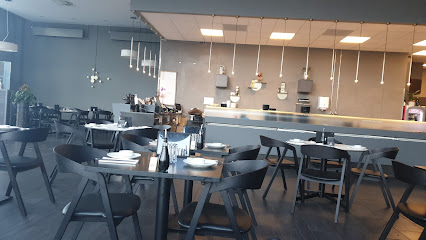
Premium all-you-can-eat sushi with theatrical presentation and authentic Japanese technique in central Horsens.
Ji-Mi's
3.3 km
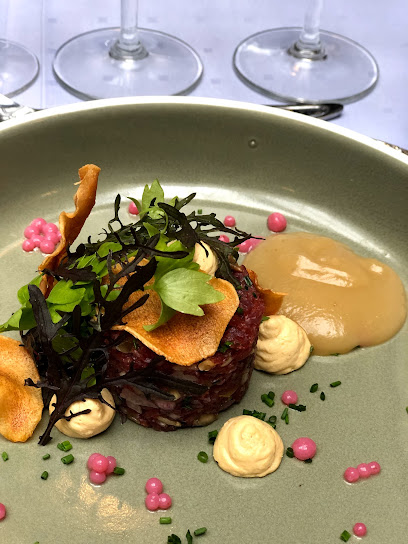
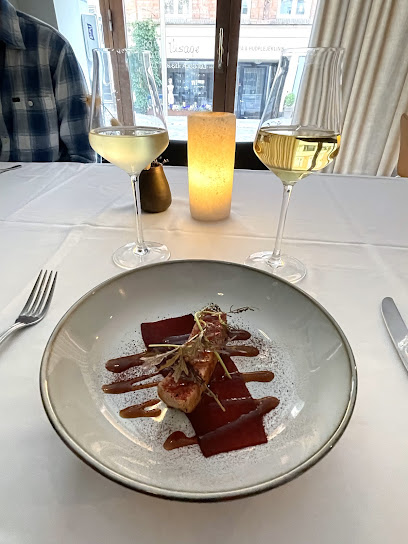
Intimate tasting-menu restaurant in Horsens’ Latin Quarter, showcasing local Danish produce and thoughtful wine pairings in a cosy, chef-led dining room.
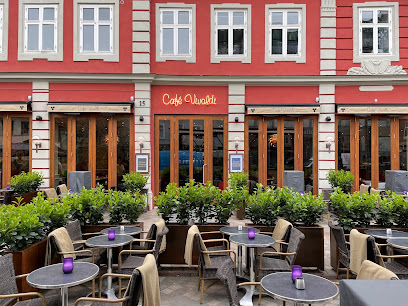
Cafe Vivaldi
3.3 km
Casual brasserie-style café on Horsens’ busy Søndergade, serving comfort food, coffee and drinks all day in a warm, modern setting with street-side seating.
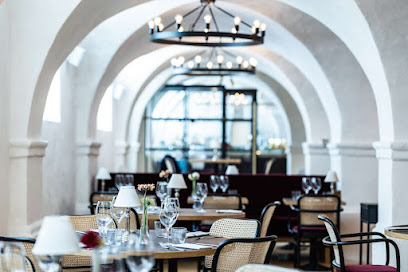
Restaurant Eydes
3.3 km
Historic cellar dining where Danish-French cuisine meets centuries of local tradition.
Restaurant Oksen
3.4 km
Horsens's premier steakhouse since 1986, serving expertly prepared beef and Danish hospitality.
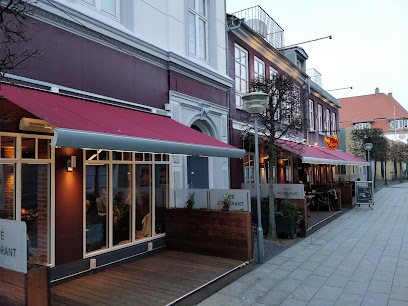
GRAN Social
3.4 km
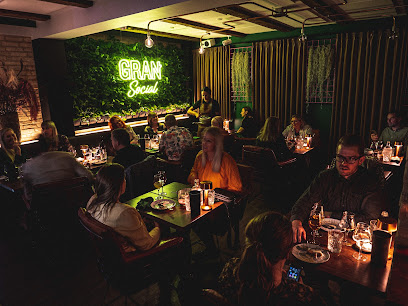
Contemporary Danish comfort food, weekend DJs and crafted cocktails meet under one stylish roof at this all‑day restaurant and bar in central Horsens.
Corfitz restaurant - bar
3.4 km
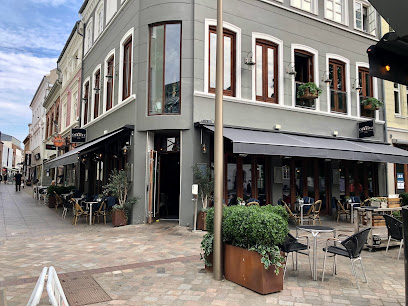
Casual city‑centre café, restaurant and bar on Horsens’ main pedestrian street, serving hearty comfort food, drinks and all‑day people‑watching on Søndergade.
rundtenom
3.4 km
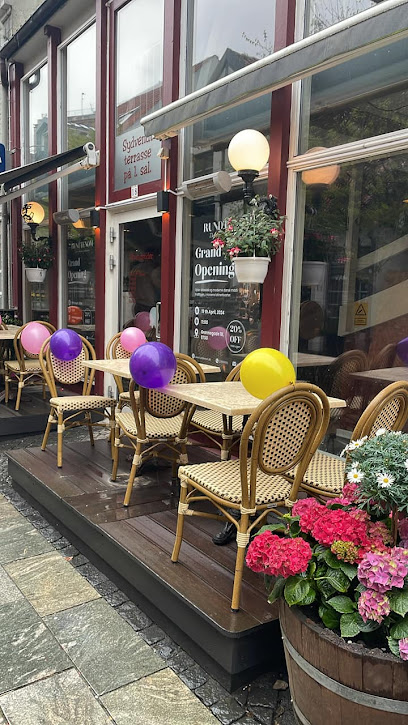
Closed but fondly remembered Danish eatery in central Horsens, once known for classic smørrebrød, generous stegt flæsk evenings and a warm, homely atmosphere.
Kamii Horsens
3.4 km
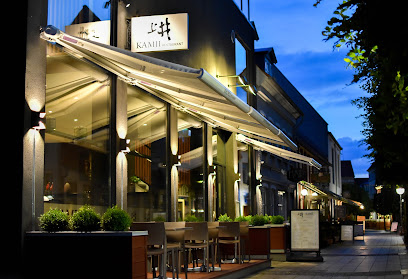
Modern sushi bar and Asian steak restaurant in central Horsens, where fresh handcrafted rolls meet warm kitchen favourites and flexible menus for every occasion.
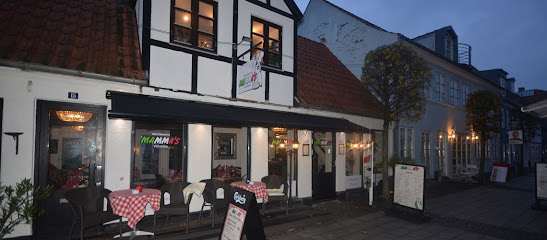
Restaurant Mamma's
3.4 km
Authentic Italian pizzas and pastas in a warm, unpretentious setting on Grønnegade.
Markets, malls and hidden boutiques

dansk Horsens
1.7 km
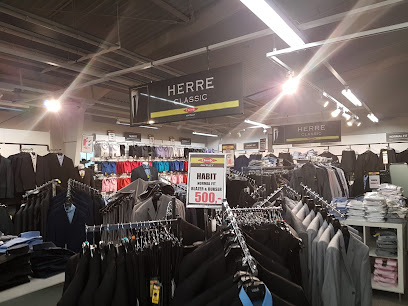
Quality family fashion at accessible prices, serving all ages and sizes across Horsens.
Blue Cross Op Shop
1.8 km
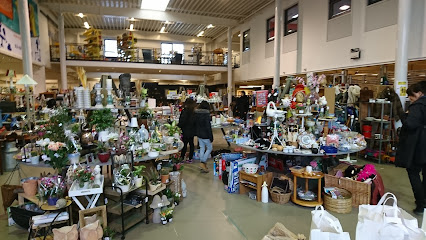
One of Denmark’s largest second-hand centers, blending bargain hunting, social impact and sustainable shopping in a vast, ever-changing thrift and flea market space.
Buttercups
2.4 km
A cozy Horsens boutique where handcrafted costume jewelry, color and Scandinavian-inspired detail come together in a relaxed, gift-friendly setting.
Italian Vinimport Dk A / S
2.6 km
Denmark's premier source for authentic Italian wines, connecting quality producers with discerning customers.
Dark World
2.7 km
A compact, alternative home-goods shop in Horsens, specializing in glass bongs, smoking accessories and counterculture curios in an intimate, underground-style setting.
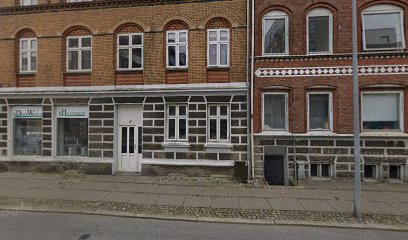
by Zia
3.0 km
A small, homely hobby studio on the edge of Horsens, specialising in personalised stickers and crafty details rooted in everyday Danish design.

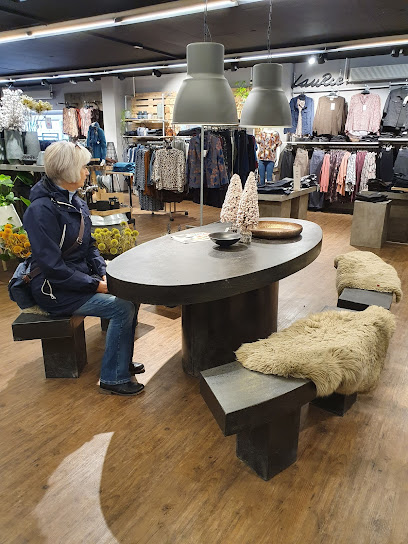
Hugo
3.1 km
A spacious Horsens lifestyle store where florist craft, women’s fashion, home décor and gourmet treats come together in one inspiring, cozy space.
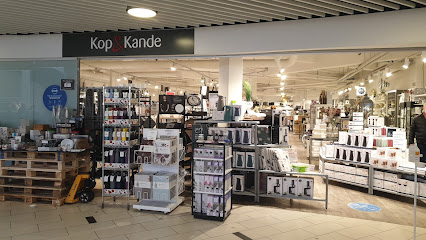
Kop & Kande Horsens
3.2 km
Well-stocked Danish homeware and gift shop on Horsens’ main shopping street, specialising in kitchen essentials, stylish tableware and thoughtful presents.
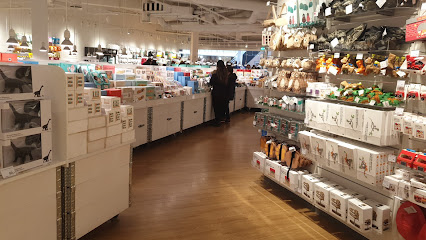
Flying Tiger Copenhagen
3.2 km
A bright, budget-friendly design playground in central Horsens, packed with quirky gifts, creative stationery and colorful everyday essentials for all ages.
Games N Gadgets
3.2 km
Independent gaming universe in central Horsens, blending consoles, PC gear, trading cards and gadgets with a friendly, community-focused atmosphere.
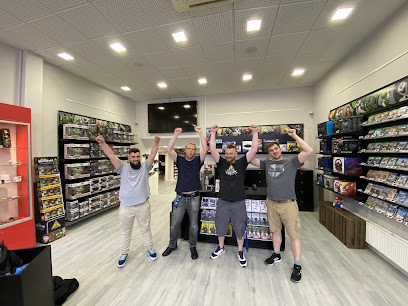
KiDS Cool Shop Horsens
3.2 km
A colourful 1,400 m² toy universe in Bytorv Horsens, where children can play, explore themed worlds and discover both new favourites and nostalgic classics.
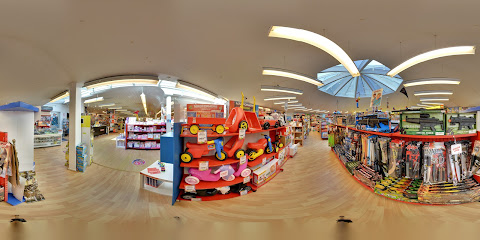
Little Reshop
3.2 km
A cosy Horsens boutique for curated baby and kidswear, blending preloved finds, new pieces and hand‑knitted slow fashion for little ones up to six years.
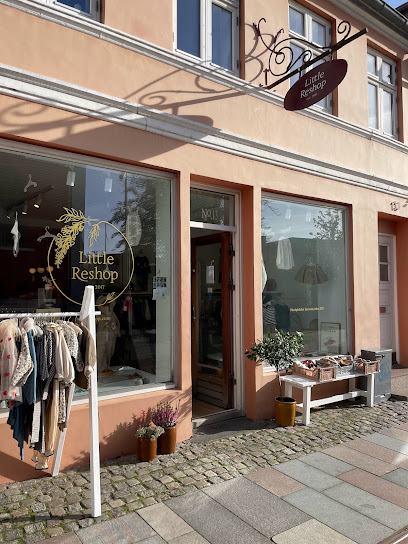
By Mie
3.2 km
Intimate plus-size fashion boutique in central Horsens, offering curated styles, honest styling advice and a relaxed, body-positive shopping experience.
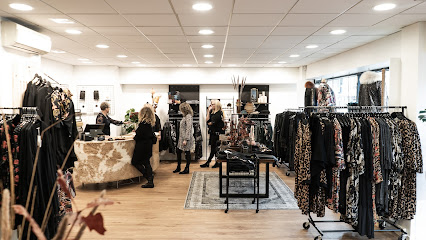
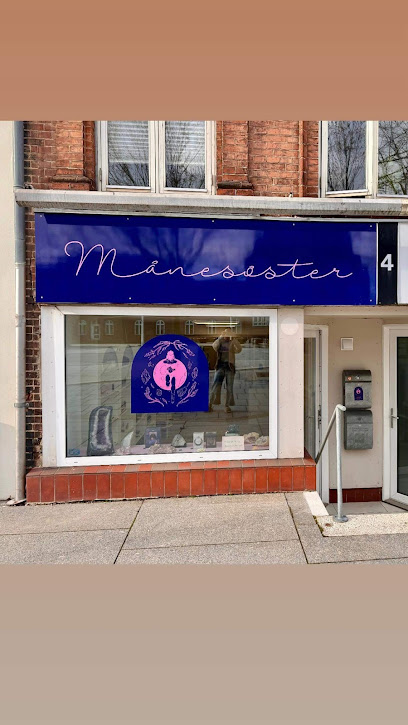
MÅNESØSTER.DK
3.2 km
Intimate crystal and ritual boutique in central Horsens, blending a cosy basement setting with a carefully curated universe of stones, oils and spiritual tools.
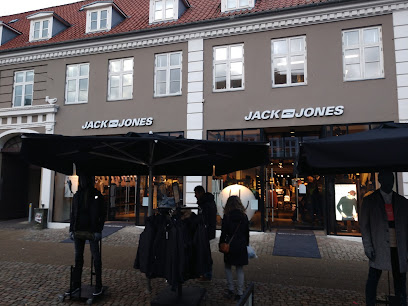
bytorvHORSENS
3.2 km
Compact, renovated city-center mall in Horsens, mixing everyday shopping, cafés and casual eats beneath a bright glass atrium right on the main pedestrian street.
Essential bars & hidden hideouts

Klodshans Horsens ApS
2.5 km
Harbor-side live music bar where Danish hygge meets authentic cultural celebration.
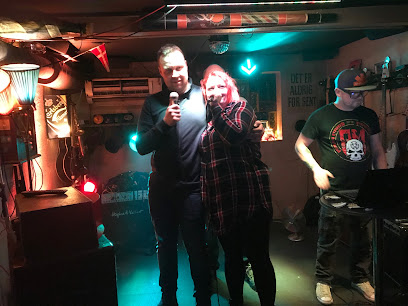
Morzybitten
3.2 km
Cozy Danish pub‑brasserie in central Horsens, pairing classic smørrebrød and hearty dishes with a remarkably broad beer list and occasional intimate live music.
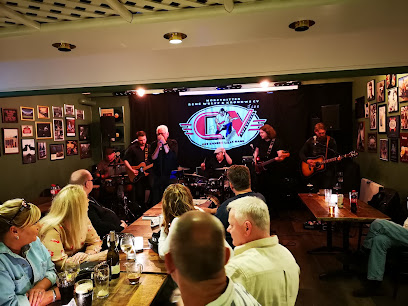
The Golden Horse
3.3 km
Unpretentious local bar in central Horsens, pouring affordable drinks from morning to late night amid slot machines, sports on TV and easygoing neighborhood chat.
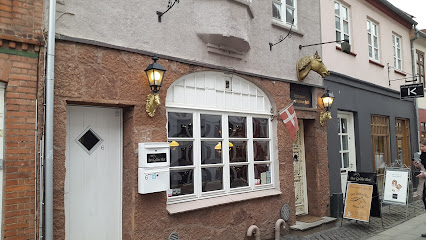
Vores lille Vinbar
3.3 km
An intimate Horsens wine bar where candlelight, jazz and personal guidance meet a carefully curated selection of wines by the glass and bottle.
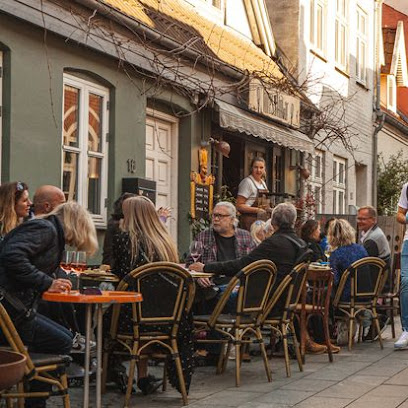
Vitus Berings Pub
3.4 km
Casual Danish pub on Horsens’ Søndergade, pouring affordable beers, showing sports and offering a cosy, no-frills slice of local nightlife in the town center.
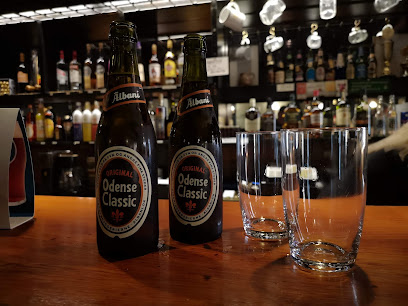
Cashpoint Sportsbar
3.4 km
Horsens's premier sports bar with multiple screens and live betting action.
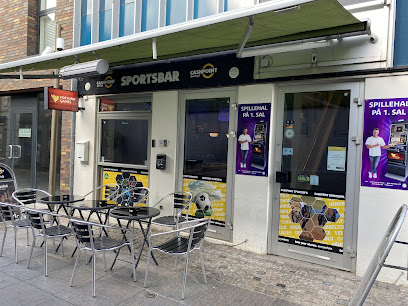
B-A-R 2 Aps
3.4 km
Casual, central and unpretentious, B-A-R 2 Aps is a friendly neighborhood bar in Horsens’ old town, ideal for relaxed drinks from daytime pit stop to late-night meet-up.
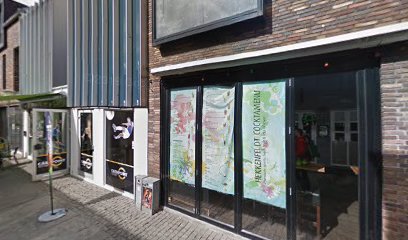
Stalden
3.4 km
Relaxed pool and sports bar in central Horsens, blending cue sports, big-screen matches, board games, casual bites and easygoing drinks in one social hangout.
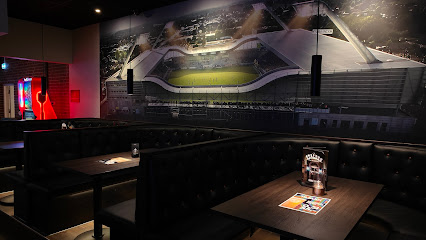
Kokomo Horsens
3.4 km
Three floors of tropical cocktails, DJs and late-night energy in the heart of Horsens’ old town nightlife district.
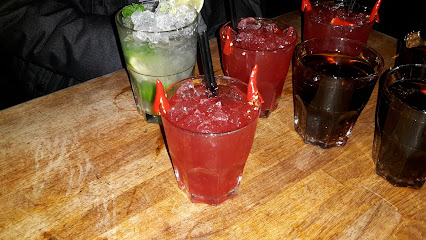
Bar' Rolig
3.4 km
Relaxed games bar in Horsens' historic center with pool, darts, and friendly vibes.
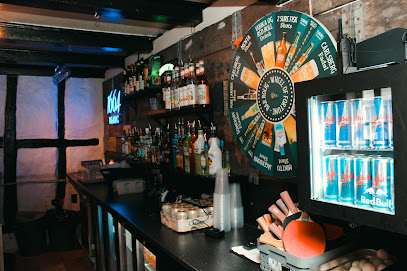
Horsens Sport og Pool Bar
3.4 km
Central Horsens sports bar with 23 screens, pool tables, and competitive games in a welcoming, energetic atmosphere.
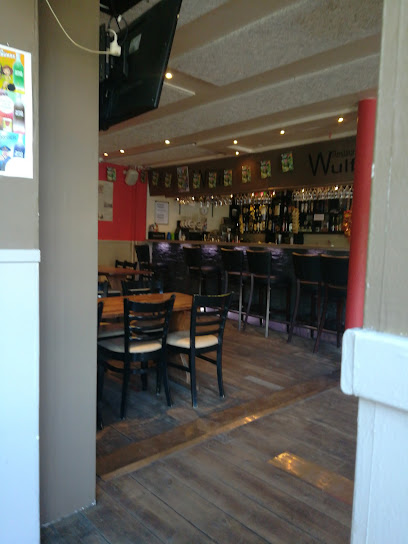
Restaurant Wulff ApS
3.4 km
Late-night bar and nightclub-style hangout in central Horsens, turning quiet Rædersgade into a lively social hub on Thursday, Friday and Saturday nights.
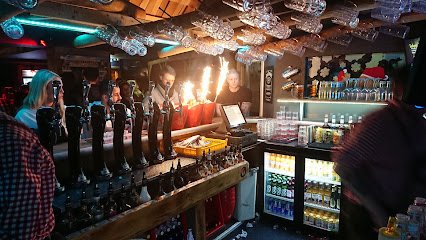
Zwei Grosse Bier Bar Horsens A/S
3.4 km
High-energy Alpine after-ski bar in central Horsens with big beer steins, Schlager singalongs and a late-night dance-floor party vibe.
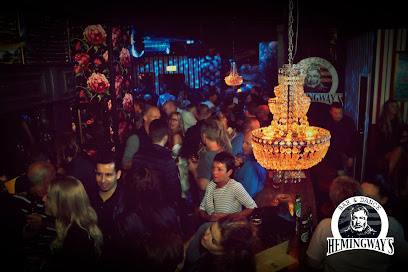
Hemingway's Horsens
3.4 km
Late-night bar and nightclub in central Horsens, delivering cocktail-fueled weekends, loud music, and a packed dance floor until the early morning hours.
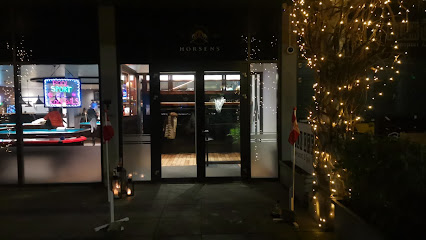
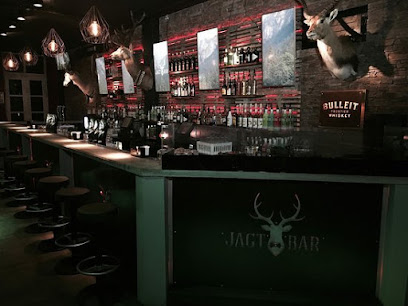
Jagtbar Horsens
3.5 km
Hunting-lodge charm meets downtown nightlife at this cosy Horsens bar–club, where early-evening hygge evolves into a high-energy dance floor.
Nightclubs & after hour spots

Horsens New Style Dance Club
2.1 km
Horsens' premier line dancing venue where beginners and advanced dancers unite in movement and community.
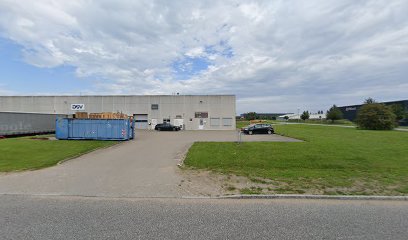
PDD
2.5 km
Compact, no-frills nightclub on Lindvigsvej in Horsens, offering late-night dancing, simple drinks and an intimate, local-party atmosphere on weekends.
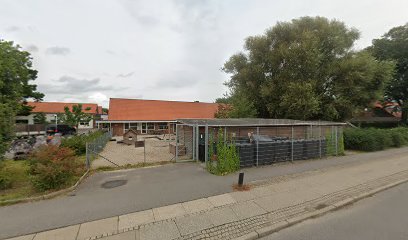
Oskar hossman
3.1 km
Compact, high-energy nightclub in central Horsens, where pulsing beats, colourful lights and a sociable crowd define the city’s after-hours heartbeat.
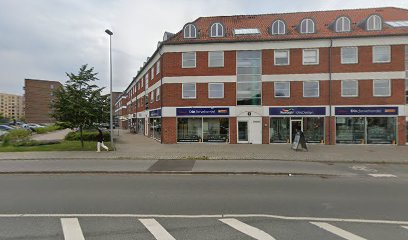
Sölibat Natklub
3.4 km
Late-night, no-frills clubbing in central Horsens, where loud music, simple drinks and a compact dance floor create an unapologetically local party vibe.
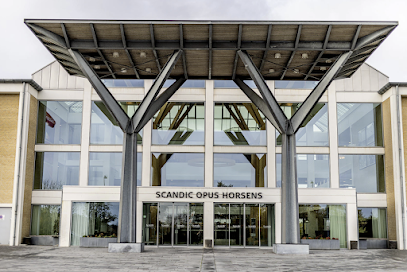
Scandic Opus Horsens
4.7 km
A contemporary Scandinavian hotel in Horsens with spa, dining, and panoramic city-to-nature views—an elegant gateway to both urban and outdoor experiences.
Team Paderborner
22.1 km
Nightclub entertainment in Denmark's scenic Dyrehaven forest and lakeside setting.
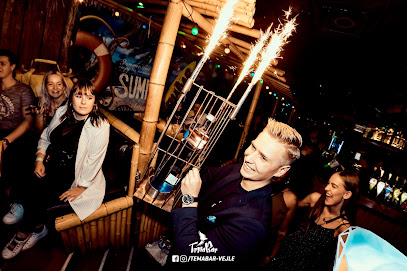
temabar APS 23-05
22.6 km
Tropical vibes and late-night dancing in Vejle's energetic weekend hotspot.
NOX Network Ltd.
23.4 km
Small-city Danish nightclub in Vejle with a central dance floor, upbeat chart music, and a straightforward, late-night party atmosphere.
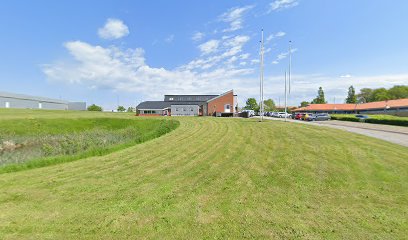
Bastian Bar & Nightclub, Odder - Nightclub
25.5 km
Odder's central nightlife destination for weekend entertainment and social gathering
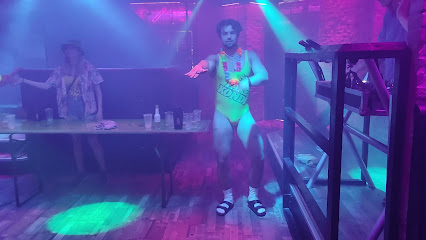
AHA Livestage
30.6 km
Intimate live music and cocktail-driven nightlife in the heart of Fredericia, where high-quality sound and curated events turn selected evenings into standout parties.
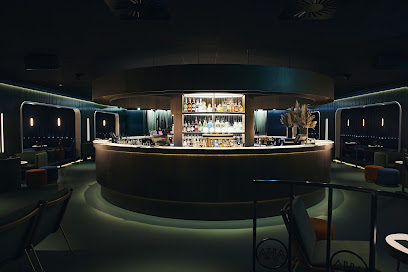
Tucan Swinger & wellness Club
35.1 km
Adults-only swinger and wellness retreat in rural Jutland, blending erotic exploration, spa comforts and themed rooms in a discreet, rules-based environment.
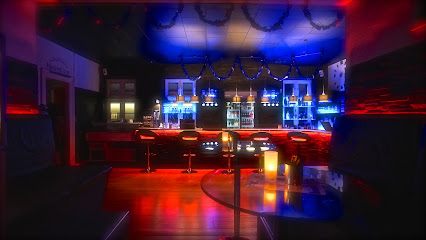
B'sharp - Silkeborg Rhythm Og Blues Association
40.1 km
Volunteer-run blues stronghold in central Silkeborg, where intimate weekend concerts, affordable drinks and close-up performances keep rhythm & roots music alive.
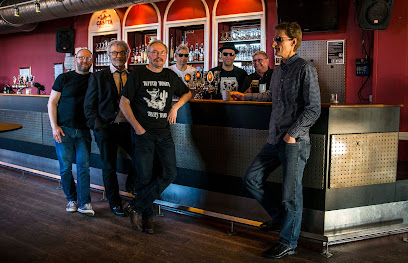
Riverboat Jazz Festival
40.3 km
Scandinavia’s celebrated Riverboat Jazz Festival: riverside concerts, boat gigs, and open-air revelry set against Silkeborg’s scenic lakes and vibrant summer spirit.
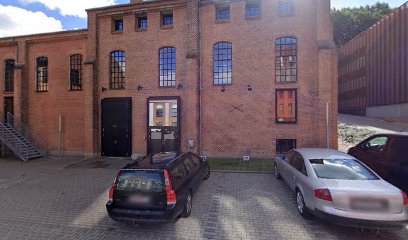
Kedelhuset
40.3 km
Kedelhuset: Silkeborg’s buzzing live music and culture venue, blending industrial heritage with creative energy in the lively riverside Papirfabrikken district.
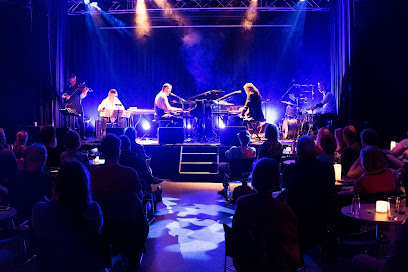
Luksusmassage Århus
40.7 km
Experience Aarhus's dynamic nightlife at Luksusmassage, where music and energy blend for an unforgettable evening.
For the vibe & atmosphere seeker
- Tranquil
- Scenic
- Unique
- Casual
For the architecture buff
- Historic
- Landmarks
For the view chaser and sunset hunter
- Iconic Views
For the social media creator & influencer
- Photo Spots
- Architectural Shots
For the eco-conscious traveler
- Low Impact
- Public-Transport Accessible
For the kind of experience you’re after
- Cultural Heritage
- Photowalk
- Roadtrip Stop
- Day Trip
For how adventurous you want the journey to be
- Easy Access
Location Audience
- Family Friendly
- Senior Friendly
- Teen Friendly
- Solo Friendly
- Couple Friendly
- Solo Female Friendly


