Amalienborg Palace, Koge Travel Guide
Copenhagen’s working royal residence, where four Rococo palaces, a cobbled square, and a living monarchy bring 250 years of Danish royal history into focus.
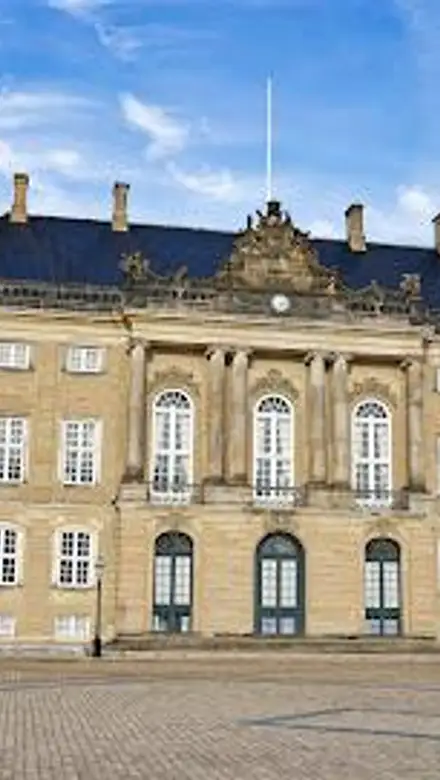
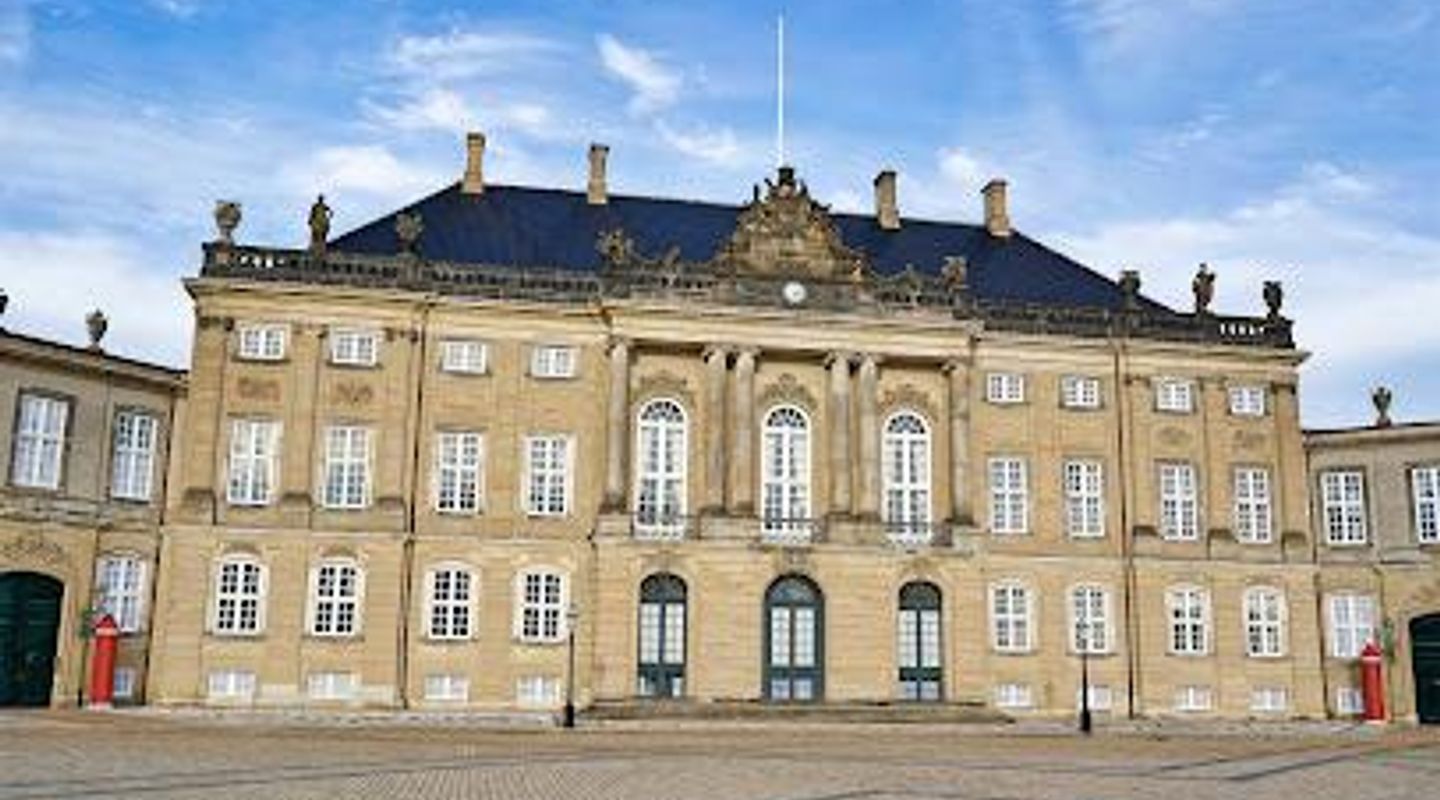
Amalienborg Palace is the Danish royal family’s main residence, an elegant Rococo ensemble of four near-identical palaces surrounding a cobbled octagonal square in Copenhagen’s Frederiksstaden district. Built in the 1750s for noble families, it became the royal home after a fire at Christiansborg Palace in 1794. Visitors can watch the Royal Life Guards’ daily changing of the guard at noon and step into Christian VIII’s Palace, where the Amalienborg Museum reveals 150 years of royal interiors, from Victorian salons to modern Danish design.
A brief summary to Amalienborg Palace
- Amalienborg Slotsplads, København K, København K, 1257, DK
- Click to display
- Click to display
- Duration: 1 to 2.5 hours
- Mid ranged
-
 Mixed
Mixed
- Mobile reception: 5 out of 5

Know before you go
Hi, I'm Eve. Here are a few practical things to know before exploring Amalienborg Palace.
- Arrive before noon and position yourself near the centre of the square to get a clear view of the Royal Life Guards’ changing‑of‑the‑guard ceremony.
- Consider buying a combined ticket with Rosenborg Castle; it is valid for about two days and can be good value if you are exploring royal Copenhagen in depth.
- Inside the museum, look for the preserved rooms of Christian IX and Queen Louise to see how royal taste evolved from Victorian richness to 20th‑century simplicity.
- Photography is usually permitted in the square but may be restricted in some interior rooms; check signage and follow staff instructions.
- In winter, the wind can be sharp across the open square, so dress warmly if you plan to linger outdoors watching the guards or taking photos.
Do you manage this location?
Take control to get all the benefits, like improved information, better appearance, and stronger visibility across AI-powered discovery. Learn more about listing your business on Evendo
Activate your presenceOther nearby places you may find interesting
The closest places of the same kind, if this one is not quite what you had in mind.


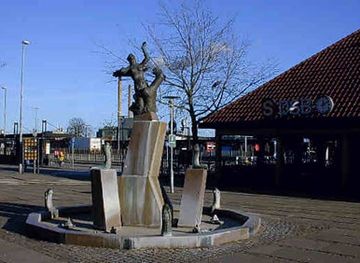
Explore Amalienborg Palace on the Map
A handpicked selection of must-see spots near Amalienborg Palace, mapped for you.
Unlock the Best of Amalienborg Palace
Buy tickets
-
No tickets available
Book tours with entry


Getting There
-
Metro from central Copenhagen
From Nørreport or Copenhagen Central Station, take the M3 or M4 metro to Marmorkirken Station, which is a short urban walk from Amalienborg. The metro ride typically takes 3–8 minutes, with frequent departures throughout the day. A single zone‑based ticket within the central area usually costs around 20–30 DKK and is valid across metro, bus, and local trains for a limited time window.
-
City bus to the palace area
Several city bus lines serve the Frederiksstaden and waterfront area around Amalienborg, with stops a few minutes’ walk from the square. Depending on your starting point in central Copenhagen, the journey commonly takes 10–20 minutes. Standard city bus tickets follow the same fare system as the metro, so you can expect to pay roughly 20–30 DKK for a single central journey; services run at regular intervals during the day.
-
Bicycle within central Copenhagen
Cycling is one of the most convenient ways to reach Amalienborg from inner‑city neighbourhoods such as Vesterbro, Nørrebro, or Østerbro. Distances are moderate and the route is mostly on dedicated bike lanes, taking about 10–20 minutes from most central districts. You can use a rented city bike or a private bicycle; expect typical city‑bike rental prices in the range of 75–150 DKK per day, with helmets and lights often available as add‑ons.
-
Harbour boat and short walk
During operating seasons, Copenhagen’s harbour buses stop at piers along the inner harbour, usually within a pleasant walking distance of Amalienborg. The boat ride adds a scenic element and normally takes 10–20 minutes depending on your starting stop. Harbour buses use the same public transport tickets as metro and bus, so a single journey in the central zones generally costs about 20–30 DKK; services may run less frequently in the evening and in colder months.
For the on-the-go comforts that matter to you
-
 Restrooms
-
 Drink Options
-
 Drinking Water
-
 Food Options
-
 Seating Areas
-
 Sheltered Areas
-
 Trash Bins
-
 Information Boards
-
 Visitor Center
Discover more about Amalienborg Palace
Royal heart of Frederiksstaden
Amalienborg Palace sits at the centre of Frederiksstaden, the 18th‑century district laid out by King Frederik V to celebrate the Danish monarchy. Designed in refined Rococo style, the complex consists of four almost identical palaces arranged around an octagonal square paved with cobblestones. In the middle stands the equestrian statue of Frederik V, a bronze monarch poised above his horse, underscoring the symmetry and grandeur of the space.Originally built in the 1750s as town mansions for prominent noble families, the palaces only later became a royal residence. When Christiansborg Palace burned in 1794, the royal family acquired the buildings and moved in, reshaping this aristocratic quarter into the living heart of the Danish court. Today, Amalienborg remains both a working royal home and one of Copenhagen’s most atmospheric historic areas.Four palaces, one living monarchy
Each of the four palaces bears the name of a Danish monarch and has its own role in royal life. Christian VII’s Palace is used for grand ceremonies and state visits, its interior reserved for official occasions. Christian IX’s Palace has long served as a primary residence for reigning monarchs, while Frederik VIII’s Palace is now home to King Frederik X, Queen Mary, and their children, blending private family life with constitutional duties.Christian VIII’s Palace houses guest apartments and, crucially for visitors, the Amalienborg Museum. Although only one of the four palaces is generally open to the public, knowing that the others are active royal residences lends the whole square a sense of immediacy. Windows may be lit, flags may signal who is in residence, and official cars occasionally sweep across the cobbles.Inside the Amalienborg Museum
Within Christian VIII’s Palace, the Amalienborg Museum offers an intimate look at royal interiors from the mid‑19th century onwards. Rooms associated with Christian IX and Queen Louise, sometimes called the “in‑laws of Europe” because their children married into many European dynasties, are preserved with original furnishings, portraits, and personal objects. Each suite reflects the taste of its era, from richly upholstered Victorian salons to more restrained 20th‑century spaces.Exhibitions trace 150 years of royal history, focusing not only on constitutional milestones but also on everyday life behind palace walls. Displays may include uniforms, gala outfits, gifts, and photographs, alongside decorative arts such as clocks, porcelain, and small works of art. Together they create the impression that the occupants have only just stepped out of the room.Daily ritual on the palace square
The palace square is animated by the Royal Life Guards, whose dark blue uniforms, bearskin hats, and polished rifles provide a strong visual contrast to the pale façades. Every day around noon, the guards perform a changing‑of‑the‑guard ceremony that moves through the square in precise formation. When the monarch is in residence, the parade is at its most elaborate, accompanied by a marching band.Even outside the ceremony, the square is an impressive open space framed by palace wings, colonnades, and a clear sightline to the Marble Church’s copper dome on one side and the modern Copenhagen Opera House across the harbour on the other. Standing here, you see centuries of Danish architecture and urban planning aligned along a single axis.Architecture, atmosphere, and nearby connections
Architecturally, Amalienborg is a textbook example of Rococo classicism: balanced façades, restrained ornament, and careful symmetry. Stone balconies, pilasters, and tall sash windows emphasise verticality, while the curvature of the square softens the ensemble. Despite its ceremonial role, the scale feels human rather than overpowering, especially compared with more monumental European palace complexes.The atmosphere shifts with the seasons and weather. On crisp winter days the stone seems almost silvery, while in summer the square fills with soft light and the sound of footsteps on cobbles. Because the palaces sit within the central city, Amalienborg also links easily with nearby landmarks such as the Marble Church, the waterfront promenade, and the harbour district of Nyhavn, making it a natural anchor point for exploring Copenhagen’s royal and maritime heritage.Planning your visit
Visitors can experience Amalienborg in several ways. Many simply stroll through the square, watch the guards, and absorb the symmetry and vistas free of charge. Those who enter the Amalienborg Museum in Christian VIII’s Palace can expect a structured visit through period rooms and exhibitions, with information available in multiple languages and staff on hand to answer questions about royal history.The museum generally operates daytime opening hours, with last admission before closing; schedules vary slightly through the year, so checking current hours in advance is advisable. Combined tickets with Rosenborg Castle are available and are valid over two days, offering good value for travellers interested in the broader story of Danish monarchy. Allow at least an hour for the museum itself, and longer if you plan to photograph the square and watch the changing of the guard.












Your all‑in‑one travel companion app
Explore expert travel guides, compare and book tours, experiences, hotels, and more—all from the palm of your hand. Download now for seamless trip planning wherever your wanderlust takes you.


Explore More of Koge
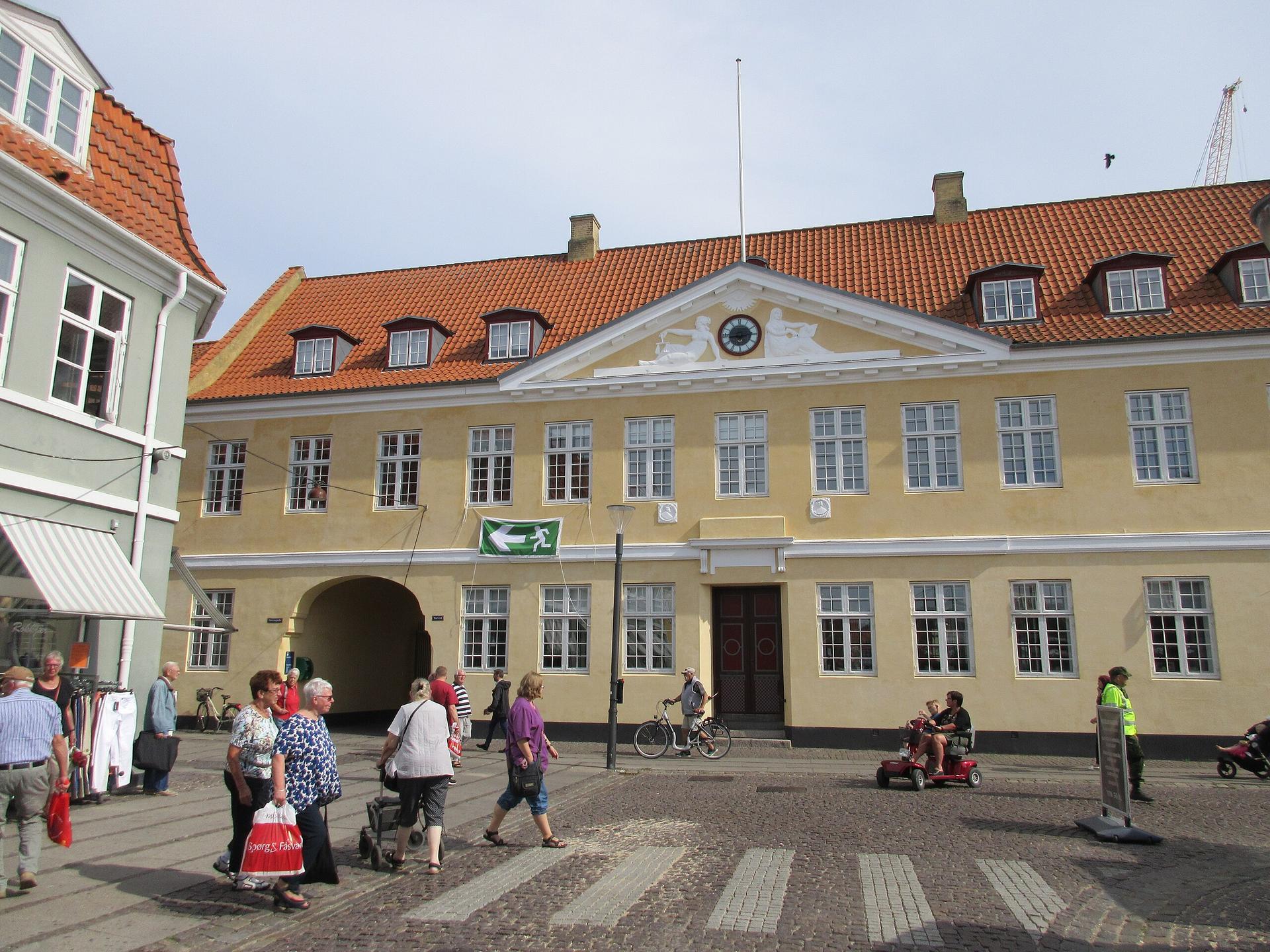
Looking beyond Amalienborg Palace? Discover Koge for broader travel guides, local hot-spots, and regional highlights.
Explore Koge