

Køge Fælles Jord, Koge Travel Guide
A 2.5‑hectare regenerative community garden and tiny‑house lab on Køge’s southern edge, where soil, biodiversity and low‑impact living are explored together.
Køge Fælles Jord is a 2.5-hectare green oasis on the southern edge of Køge, where community gardens, a food forest, tiny houses and a therapeutic garden come together in one experimental landscape. Run by a volunteer association, it explores regenerative ways of living, growing food and sharing space, with plots, communal beds and small natural corners rich in biodiversity. This is a gentle, grassroots place to slow down, learn about permaculture and see sustainable living in practice.
A brief summary to Køge Fælles Jord
- Køge, 4600, DK
- Duration: 1 to 3 hours
- Free
-
 Outdoor
- Mobile reception: 4 out of 5

Know before you go
Hi, I'm Eve. Here are a few practical things to know before exploring Køge Fælles Jord.
- Wear sturdy shoes; paths can be grassy, uneven and muddy after rain, especially around the food forest and pond.
- Bring your own drinking water and a snack, as on‑site facilities are simple and vary with activities and events.
- Move carefully near garden beds and tiny houses; this is an active working site where people grow food and experiment with building.
- If you want more in‑depth insight, look out in advance for guided tours, open days or workshops organised by the association.
Do you manage this location?
Take control to get all the benefits, like improved information, better appearance, and stronger visibility across AI-powered discovery. Learn more about listing your business on Evendo
Activate your presenceOther nearby places you may find interesting
The closest places of the same kind, if this one is not quite what you had in mind.
Explore Køge Fælles Jord on the Map
A handpicked selection of must-see spots near Køge Fælles Jord, mapped for you.
Getting There
-
Regional train and local walk
From Copenhagen, take a regional train to Køge Station, a journey of about 35–40 minutes with frequent departures throughout the day. From the station, allow roughly 25–35 minutes on foot along mainly flat urban pavements and quiet local surroundings. There is no extra cost beyond the standard public transport ticket, which typically falls in the range of 70–100 DKK one way depending on ticket type.
-
Local bus from Køge centre
From central Køge, use a local bus service heading towards the southern residential districts; typical travel time is 10–20 minutes depending on route and stops. Buses usually run several times per hour during daytime on weekdays, less often in evenings and weekends. A single bus ticket within the local zones is generally around 24–36 DKK, and you should expect a short walk of 5–10 minutes from the nearest stop to the gardens along level ground.
-
Bicycle from Køge Station
Cycling from Køge Station to Køge Fælles Jord takes about 10–15 minutes along mostly flat streets and local roads that are accustomed to everyday bike traffic. Standard city bikes can be rented near major stations in the region for roughly 100–200 DKK per day. This option is suitable for most visitors comfortable with urban cycling and provides flexibility to explore nearby green areas before or after your visit.
For the on-the-go comforts that matter to you
-
 Seating Areas
-
 Trash Bins
-
 Information Boards
Discover more about Køge Fælles Jord
A regenerative oasis on the edge of town
Køge Fælles Jord spreads across about 2.5 hectares of former farmland on the southern fringe of Køge, transformed into a living laboratory for sustainable lifestyles. Paths wind between vegetable beds, young fruit trees and wild flower patches, with a small pond and natural nooks that attract insects and birds. It feels more like a friendly countryside smallholding than a manicured city park, with wheelbarrows, compost bays and hand‑painted signs hinting at daily activity.At its heart, the project is about rebuilding soil and human well‑being at the same time. The association behind the site invites people to experiment with low‑impact living, growing food together and sharing knowledge. The atmosphere is intentionally informal: you might see volunteers tending raised beds, someone checking on a shelter or a small group gathered for a workshop under a simple canopy.Gardens, food forest and everyday cultivation
Several different garden concepts coexist here. There is a shared vegetable garden where crops are grown collectively, rows of leased raised beds for individuals and families, and a developing food forest planted with fruit trees, shrubs and perennial edibles. Between them, narrow grass paths and mulched corridors create a patchwork of small growing spaces rather than large fields.This is a place where you can study companion planting, mulching, rainwater use and pollinator‑friendly planting at close range. Labels and small information boards occasionally explain what is being tested or why a bed looks deliberately wild. Depending on the season, you may see broad beans, kale and root vegetables in structured beds, and berries or herbs tucked into more natural corners, all managed with a focus on soil health and biodiversity.Tiny houses and new ways of living
One of the most striking features is the cluster of small dwellings known as Tiny Varigheden. These tiny houses are built with reused and bio‑based materials, designed to show how modern living can be compressed into far fewer square metres without feeling cramped. Some constructions act as prototypes within wider Danish research projects on low‑impact housing.The tiny houses sit lightly in the landscape, often surrounded by plantings and simple outdoor spaces. They demonstrate solutions such as planted greywater treatment, breathable wall constructions and efficient use of space indoors. Even from the outside, you gain a sense of creative experimentation: different facades, rooflines and building techniques all sharing the same commitment to reduced resource use.Community, learning and gentle activity
Køge Fælles Jord functions as a community hub as much as a physical landscape. Local institutions, green organisations and small initiatives use the site for activities ranging from therapeutic gardening sessions to environmental education and practical workshops. On some days the gardens feel quiet and contemplative; on others there might be shared workdays, seasonal events or small gatherings.There is no theme‑park structure here. Instead, the experience is about moving at a slow pace, noticing details such as insect hotels, experimental beds or simple gathering spaces with benches and tables. Visitors interested in permaculture, urban agriculture or community building will find many concrete examples, while others may simply enjoy the sense of openness and the soft, slightly wild character of the place.Visiting with respect for a living project
Because this is a working community site rather than a conventional attraction, it is important to tread lightly. Paths may be uneven, tools and materials can be present, and some areas are clearly signed as in active use. You are effectively stepping into an ongoing project, where people grow food, test building methods and hold activities. Respecting beds, plantings and simple boundaries ensures the landscape can continue to thrive.Facilities are modest, so it is sensible to bring water and be prepared for outdoor conditions. When you spend time here, the reward is a close‑up introduction to regenerative thinking made visible in soil, plants and small houses. It is a calm patch of countryside spirit within easy reach of town, pointing towards different ways of living with land and community.












Your all‑in‑one travel companion app
Explore expert travel guides, compare and book tours, experiences, hotels, and more—all from the palm of your hand. Download now for seamless trip planning wherever your wanderlust takes you.


Explore More of Koge
Looking beyond Køge Fælles Jord? Discover Koge for broader travel guides, local hot-spots, and regional highlights.
Explore Koge
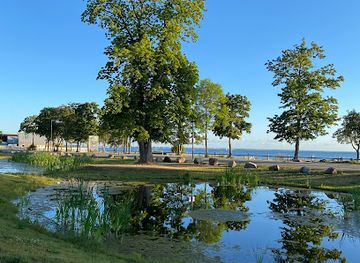
Romantic coastal park between Køge Bay and Tryggevælde River, where historic garden design, tranquil nature, play areas and reflective audio stories meet in one green retreat.
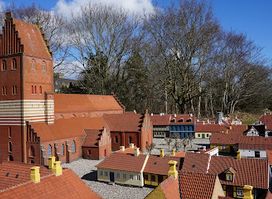
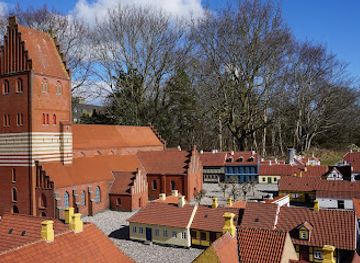
Step into Køge’s past at 1:10 scale, where hand-built model houses, harbour scenes and church spires recreate the market town of 1865 in a tranquil seaside garden.
