

Mindesten for Kvinders Valgret,Egeøje, Koge Travel Guide
A modest village stone and oak tree that quietly commemorate the 1915 breakthrough granting Danish women the right to vote and shape the nation’s democracy.
Tucked beside Kvindernes Eg in the village of Egeøje near Køge, the Mindesten for Kvinders Valgret is a modest yet powerful memorial marking the year 1915, when Danish women gained the right to vote. Set in a small green by Billesborgvej, the stone and commemorative oak together create a quiet, reflective corner that links local village life to a major national milestone in Denmark’s democratic history. It is an intimate stop for those interested in women’s rights, civic equality and understated cultural landmarks.
A brief summary to Mindesten for Kvinders Valgret,Egeøje
- Billesborgvej 47B, Køge, 4600, DK
- Duration: 0.25 to 0.5 hours
- Free
-
 Outdoor
- Mobile reception: 4 out of 5

Know before you go
Hi, I'm Eve. Here are a few practical things to know before exploring Mindesten for Kvinders Valgret,Egeøje.
- Combine a brief stop at the memorial with a walk or cycle through the surrounding countryside to appreciate its quietly rural setting.
- Look closely at both the inscription and the oak tree; they mark two different anniversaries of women’s suffrage, a century apart.
- Visit in spring or early autumn when the oak’s leaves frame the stone with fresh green or warm colours, making for evocative photos.
Do you manage this location?
Take control to get all the benefits, like improved information, better appearance, and stronger visibility across AI-powered discovery. Learn more about listing your business on Evendo
Activate your presenceOther nearby places you may find interesting
The closest places of the same kind, if this one is not quite what you had in mind.
Explore Mindesten for Kvinders Valgret,Egeøje on the Map
A handpicked selection of must-see spots near Mindesten for Kvinders Valgret,Egeøje, mapped for you.
Getting There
-
Train and walk from Køge
From central Køge, take a regional train to Ølby Station, a ride of about 5–7 minutes with frequent departures. A standard single ticket within the local zones typically costs around 25–35 DKK. From Ølby, continue on foot through the surrounding residential area and countryside paths to Egeøje; the walk is roughly 30–40 minutes at a relaxed pace on mostly paved and compact gravel surfaces, with gentle inclines but no major obstacles.
-
Local bus from Køge area
Several local bus lines connect Køge and nearby villages, with some services stopping within walking distance of Billesborgvej near Egeøje. Travel time from Køge Bus Station is usually 15–25 minutes, depending on route and time of day, and a single bus ticket in the local zone range is commonly 25–35 DKK. Services run less frequently in evenings and on weekends, so checking departure times in advance is important, and expect a short walk of 5–15 minutes from the nearest stop along village roads.
-
Car or taxi from Køge
By car, the route from central Køge to Billesborgvej near the memorial typically takes 10–15 minutes, depending on traffic. The area is semi-rural, with on-street parking usually available along village roads, though there are no marked car parks directly for the stone. A taxi from Køge town centre will cover the same distance in a similar time but can cost in the range of 130–200 DKK one way, depending on time of day and any waiting time charges.
Discover more about Mindesten for Kvinders Valgret,Egeøje
A quiet village tribute to a democratic breakthrough
The Mindesten for Kvinders Valgret in Egeøje is a small memorial stone placed beside a commemorative oak tree on a grassy corner along Billesborgvej in the countryside north of Køge. Here, in an otherwise tranquil residential setting, a simple boulder with an inscription marks 1915, the year Danish women gained the right to vote and stand for national elections. The setting is modest: a patch of lawn, a few trees, and the gentle hum of village life, but the symbolism reaches far beyond the local landscape.Rather than grand architecture or sweeping vistas, this site offers a pause in the everyday – a moment to notice how a single date etched in stone reshaped who could take part in Denmark’s democracy. The stone feels almost like a milestone on a longer road toward equality, both literally by the roadside and figuratively in the national story.Kvindernes Eg and the roots of remembrance
The stone stands by Kvindernes Eg – the Women’s Oak – planted in 1915 to honour the extension of suffrage to women and household servants. Across Denmark, similar oaks were planted as living symbols of the new rights, their growth mirroring the gradual expansion of women’s political influence. In Egeøje and the nearby area around Lille Skensved, residents chose an oak because of its deep roots and long lifespan, a fitting tribute to a reform intended to endure for generations.The memorial stone itself was added later, in 2015, to mark the centenary of women’s suffrage and to make the story explicit for passers-by. Its inscription anchors the tree’s quiet presence in a clearly defined historical event, bridging the gap between those who planted the oak and those who encounter it today.From constitutional change to local landscape
In 1915, a revised Danish constitution reshaped political participation by granting national voting rights to women and to many who had previously been excluded. The reform lowered the voting age and removed some of the privileges that had favoured the wealthiest taxpayers, broadening the electorate and changing the composition of parliament. For rural communities like those around Køge, the change meant that farmers’ wives, domestic workers and daughters could, for the first time, influence national decisions directly.Placing a memorial in a small village rather than a capital square underlines how constitutional changes reached into everyday lives. The stone at Egeøje turns an abstract legal reform into something tangible that can be visited, touched and quietly contemplated on an ordinary day.An intimate stop for reflection and photography
Visiting the Mindesten for Kvinders Valgret is a short, contemplative experience rather than a long outing. You might spend just a few minutes reading the inscription, examining the oak’s sturdy branches and imagining the gathering when the tree was planted. The open setting and low stone invite close-up photographs, whether of the carved date or the textured bark and leaves behind it.The site works well as a small detour on a countryside walk or bike ride in the Køge area. There are no gates and no fixed visiting hours; the memorial simply shares space with the everyday rhythms of the village. Its low-key character makes it a gentle introduction to the story of women’s rights for children and teens, while still offering enough historical depth for those who seek out democratic landmarks.Linking local memory to a wider women’s movement
Although this is a local monument, it forms part of a wider network of sites that commemorate women’s suffrage in Denmark – from similar oaks in other villages to large stones in city parks. Together they reveal how the struggle for political equality did not belong only to national figures and big institutions, but also to small communities that chose to plant trees, raise stones and weave the memory into their own surroundings.Standing here, you sense how civic rights are not just written in constitutions but also fixed in landscapes, stories and traditions. The Mindesten for Kvinders Valgret in Egeøje quietly invites you to see a familiar rural verge as part of a much larger narrative about inclusion, voice and the ongoing work of democracy.More to explore near Mindesten for Kvinders Valgret,Egeøje
-

Best experiences near Mindesten for Kvinders Valgret,Egeøje
-

Best hotels near Mindesten for Kvinders Valgret,Egeøje
-

Best landmarks near Mindesten for Kvinders Valgret,Egeøje
-

Best shops near Mindesten for Kvinders Valgret,Egeøje
-

Best restaurants near Mindesten for Kvinders Valgret,Egeøje
-

Best bars near Mindesten for Kvinders Valgret,Egeøje







Your all‑in‑one travel companion app
Explore expert travel guides, compare and book tours, experiences, hotels, and more—all from the palm of your hand. Download now for seamless trip planning wherever your wanderlust takes you.


Explore More of Koge
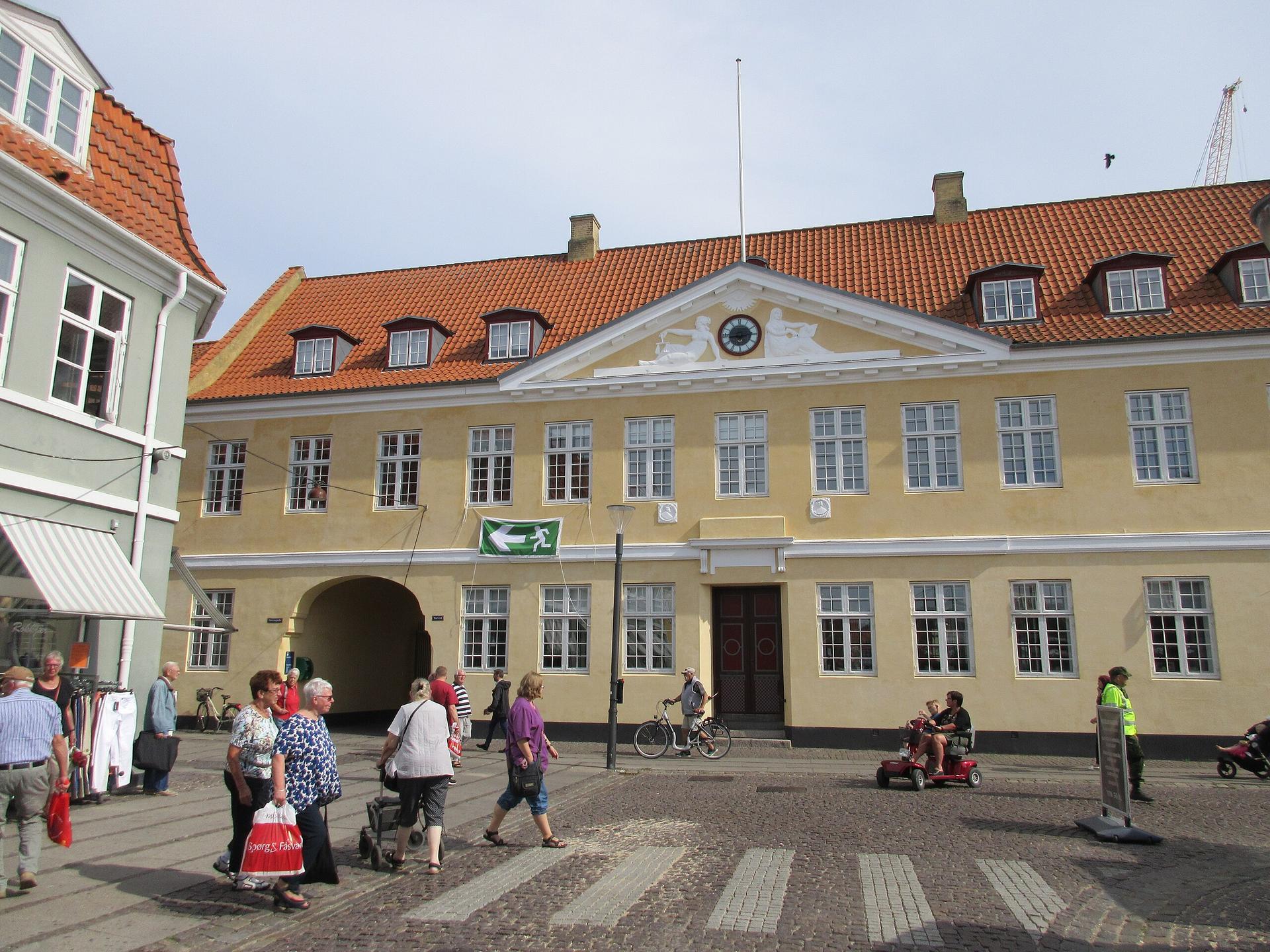
Looking beyond Mindesten for Kvinders Valgret,Egeøje? Discover Koge for broader travel guides, local hot-spots, and regional highlights.
Explore Koge

