Magstræde, Køge Travel Guide
Free Guide: A gently curving cobbled lane of pastel houses and centuries-old townhouses, Magstræde offers an intimate, atmospheric glimpse into Copenhagen’s medieval core.


A brief summary of Magstræde
A gently curving cobbled lane of pastel houses and centuries-old townhouses, Magstræde offers an intimate, atmospheric glimpse into Copenhagen’s medieval core.
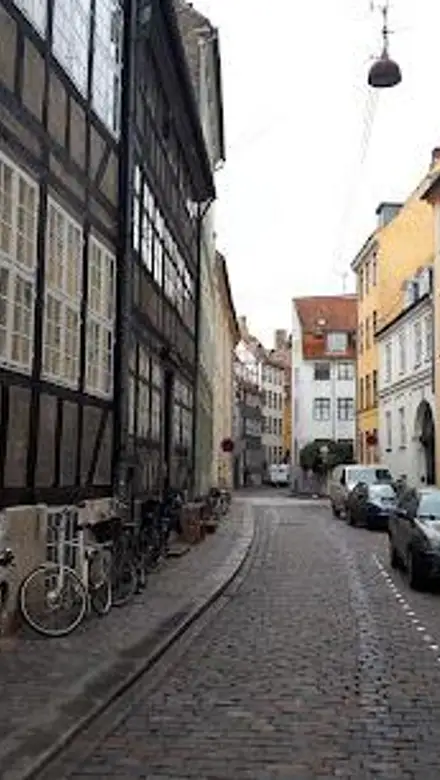
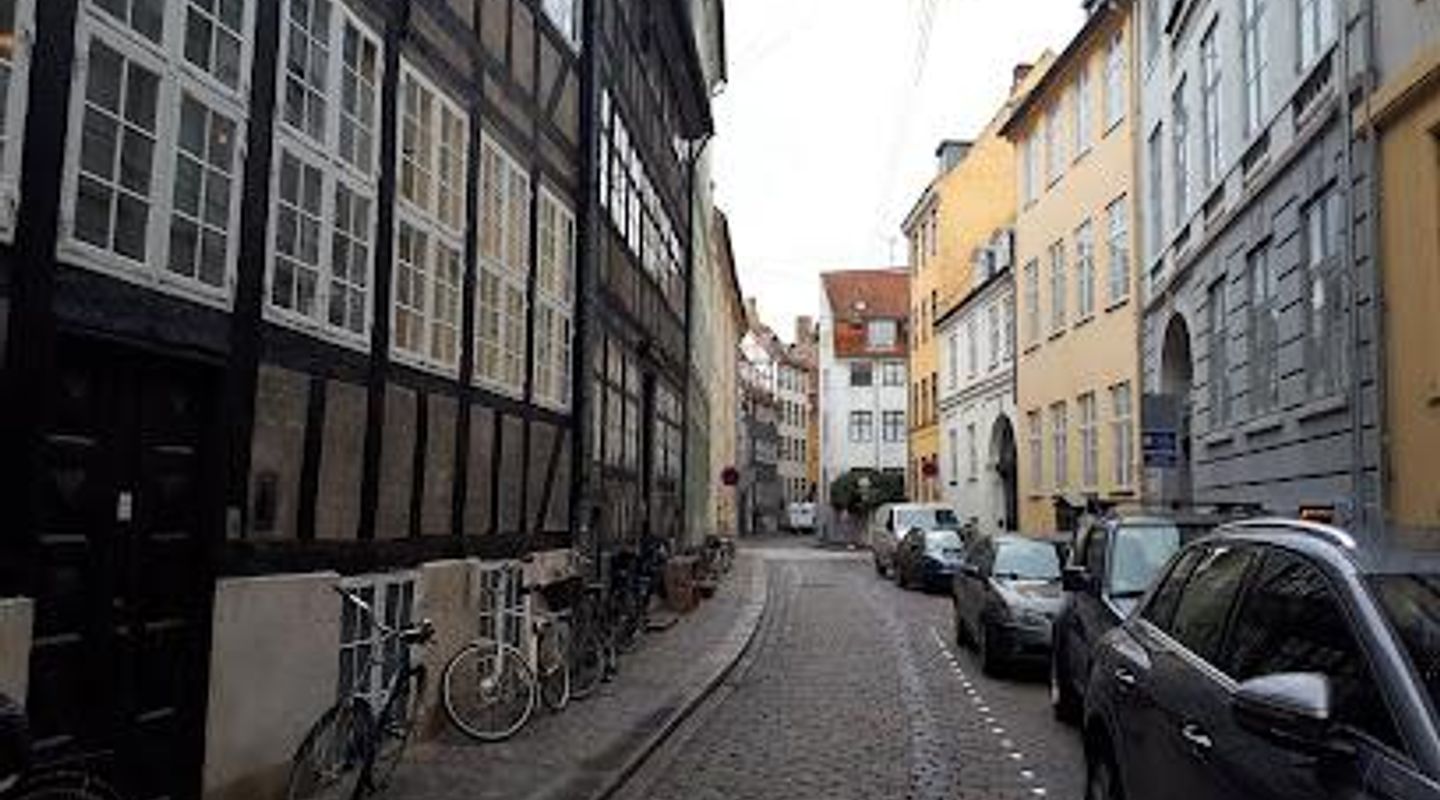
Magstræde is one of Copenhagen’s oldest and most atmospheric streets, a gently curving cobbled lane tucked into the historic heart of Indre By. Pastel-colored townhouses from the 17th to 19th centuries lean over original cobblestones, creating a cinematic backdrop that feels frozen in time. Once home to merchants, craftsmen and warehouses, today it is a tranquil, car-light passage perfect for unhurried strolls, architecture spotting and photography between the canal at Gammel Strand and the cultural quarter near Rådhusstræde.
On-site amenities
 Restrooms
 Drink options
 Drinking water
 Food options
 Seating areas
 Trash bins
 Information boards
- Address
- Copenhagen
Getting there
Metro and walking from central Copenhagen
City bus and short walk within Indre By
Cycling through Copenhagen’s bike network
Taxi or ride-hail to the Old Town perimeter
Discover more about Magstræde
A medieval lane woven into Copenhagen’s old heart
Magstræde threads quietly through the Old Town of Copenhagen, connecting the canal-side bustle of Gammel Strand with the historic streets around Rådhusstræde. Created in the early 1500s, it ranks among the city’s very oldest streets, its gentle dogleg curve still following a medieval line rather than any modern grid. Walking here, you trace the same narrow route once used by traders and townsfolk moving between the harbourfront and the inner city.The name itself hints at humbler origins: it derives from an old word for latrine, recalling public facilities that once stood close by when the shoreline ran differently. Over the centuries, fires reshaped much of Copenhagen, yet Magstræde survived with remarkable continuity. That survival makes it a rare fragment of the early city, layered with stories in brick, timber and stone.
Color-washed facades and original cobblestones
Magstræde is instantly recognisable for its uneven carpet of cobblestones, among the few in Copenhagen that have never been fully replaced. The stones slow your steps and add a satisfying crunch underfoot, especially in damp weather when they glisten softly. Above them, houses in shades of ochre, muted green, dusty rose and deep red form an almost theatrical backdrop.Plot widths are irregular, window frames vary from house to house, and rooflines rarely align perfectly. This lack of uniformity gives the street its charm: nothing is quite symmetrical, yet everything feels coherent. Details reward close attention—hand-forged hinges, carved door surrounds, old house numbers and traces of former shop entrances embedded in the masonry.
Historic townhouses and hidden craftsmanship
Several buildings along Magstræde are landmarks of domestic architecture. The oldest house, at numbers 17–19, dates from the 1640s, its dignified symmetry reflecting early bourgeois ambitions in this port city. Nearby, the Schäffer House, a refined 18th-century residence built for the royal court’s master carpenter, once contained elaborate Rococo interiors now preserved in the National Museum.Other facades tell of different trades: a former warehouse, once stacked with goods from overseas, shows larger openings and sturdier construction; an old brewery recalls the role of beer in daily life when drinking water could not be trusted. Together they form a streetscape that reveals how living, working and storage were intertwined in a compact pre-industrial city.
A lived-in street between past and present
Although the architecture is historic, Magstræde is far from a static museum piece. Many buildings now host small offices, ateliers and studios, with discreet signage and minimal street-level alteration. Upper floors remain residential, and bicycles lean casually against plastered walls, reminding you this is still a neighbourhood address as much as a sightseeing spot.Traffic is minimal and usually limited to occasional service vehicles and cyclists, so the soundscape tends to be soft: footsteps on stone, snippets of Danish conversation, a distant bell from a nearby church. At certain times of day sunlight slants dramatically down the lane, lighting one side in warm tones while the opposite wall falls into cool shadow.
Framing Copenhagen through a photographer’s lens
Magstræde’s compact scale makes it ideal for photography. The street’s curve means you never see from end to end in a single view; instead, facades appear in layered perspective, perfect for framing leading lines and vanishing points. Early morning often brings calm air and gentle light, ideal for capturing colors without harsh contrast, while evenings add a more cinematic mood as windows glow and lamps come on.Because the lane connects directly with the canal district and nearby cultural institutions, it works well as a visual anchor for exploring central Copenhagen on foot. A few steps in any direction reveal different scenes: water and boats at Gammel Strand, courtyards off side streets, or more formal facades closer to the governmental quarter, all within a compact walking radius.
Atmosphere, seasons and the rhythm of the day
The character of Magstræde changes subtly with the weather and season. On clear days the pastel houses appear almost bright, while overcast skies lend a softer, almost painterly feeling. In winter, low northern light and the possibility of a dusting of snow give the street a quiet, almost introspective quality. In summer, open windows and the murmur of voices from within the houses add warmth and a sense of everyday life spilling gently onto the street.Whether you pause for photographs, trace architectural details, or simply pass through en route to nearby sights, Magstræde offers a condensed, tangible sense of Old Copenhagen: intimate in scale, rich in texture, and deeply rooted in the city’s evolution from medieval trading town to modern capital.
Evendo Review Centre
 Google
Guest reviews
Best time to go
Quietest: Jan, Feb & Mar · before 6am
Busy times are Evendo estimates for a typical year, to help you plan. Actual crowds vary with events, school holidays and the weather.
Explore Magstræde on the map
A handpicked selection of must-see spots near Magstræde, mapped for you.
Get your free copy of our complete guide to Magstræde, delivered straight to you.
Everything on this page, from opening hours and how to get there to Eve’s tips and the best time to go, in one PDF you can read offline, print or share.
Already have an account? Sign in
Your Magstræde guide is ready.
We'll send it to · Not you? Sign out

Getting your guide ready…
We are putting together a fresh copy of the Magstræde guide. This can take up to a minute.
This can take a few moments. If your browser asks, choose Allow so the download can start. You'll find the guide in your Downloads folder.
Nothing happened? Download it again
Sorry, the guide is taking longer than usual. Please try again in a minute, or get it by email instead.
Unlock the best of Magstræde
Skip-the-line tickets, guided tours with entry, and walking tours of the area, booked in a few clicks.


Other nearby places you may find interesting
The closest places of the same kind, if this one is not quite what you had in mind.
-
Køge Miniby Step into Køge’s past at 1:10 scale, where hand-built model houses, harbour scenes and church spires recreate the market town of 1865 in a tranquil seaside garden.
-
Køge Museum Time‑travel through Køge’s past inside a 17th‑century merchant’s house where Viking treasures, buried secrets and a tranquil courtyard meet in one intimate museum.
-
Ølsemagle Revle A shifting sandbar of shallow lagoons, rich birdlife and wide sandy beaches, where Køge’s urban edge gives way to one of Zealand’s most evocative coastal nature reserves.
-
Solgårdsparken Romantic coastal park between Køge Bay and Tryggevælde River, where historic garden design, tranquil nature, play areas and reflective audio stories meet in one green retreat.
-
Vandkunsten - Stationspladsen A sculptural fountain anchoring Køge’s station square, where moving water, stone and light turn a busy transport hub into an inviting urban meeting place.
Swipe for more places
More to explore near Magstræde

 Best experiences near Magstræde
 Best hotels near Magstræde
 Best landmarks near Magstræde
 Best attractions near Magstræde
 Best shops near Magstræde
 Best restaurants near Magstræde
 Best bars near Magstræde
Do you manage this location?
Take control to get all the benefits, like improved information, better appearance, and stronger visibility across AI-powered discovery.
Explore more
Explore more of Køge
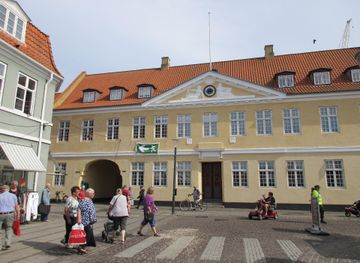
Explore Køge, Denmark's coastal gem, with its medieval charm, beautiful marina, and close proximity to the stunning Stevns Klint UNESCO World Heritage site.
Explore Køge
Explore more of Denmark
Discover Denmark: A perfect blend of history, modern design, and the cozy concept of hygge. Explore vibrant cities, serene landscapes, and world-class cuisine.
Explore Denmark