North Atlantic House, Køge Travel Guide
Free Guide: A historic Christianshavn warehouse transformed into Copenhagen’s vibrant gateway to the art, stories, and flavours of Greenland, Iceland, the Faroe Islands and Denmark.


A brief summary of North Atlantic House
A historic Christianshavn warehouse transformed into Copenhagen’s vibrant gateway to the art, stories, and flavours of Greenland, Iceland, the Faroe Islands and Denmark.
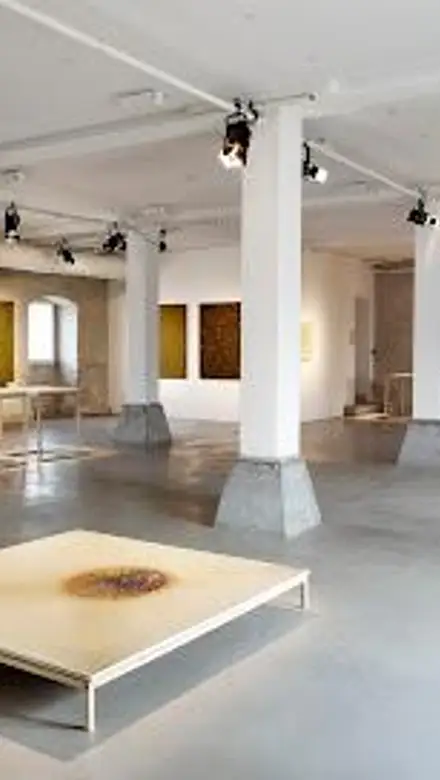
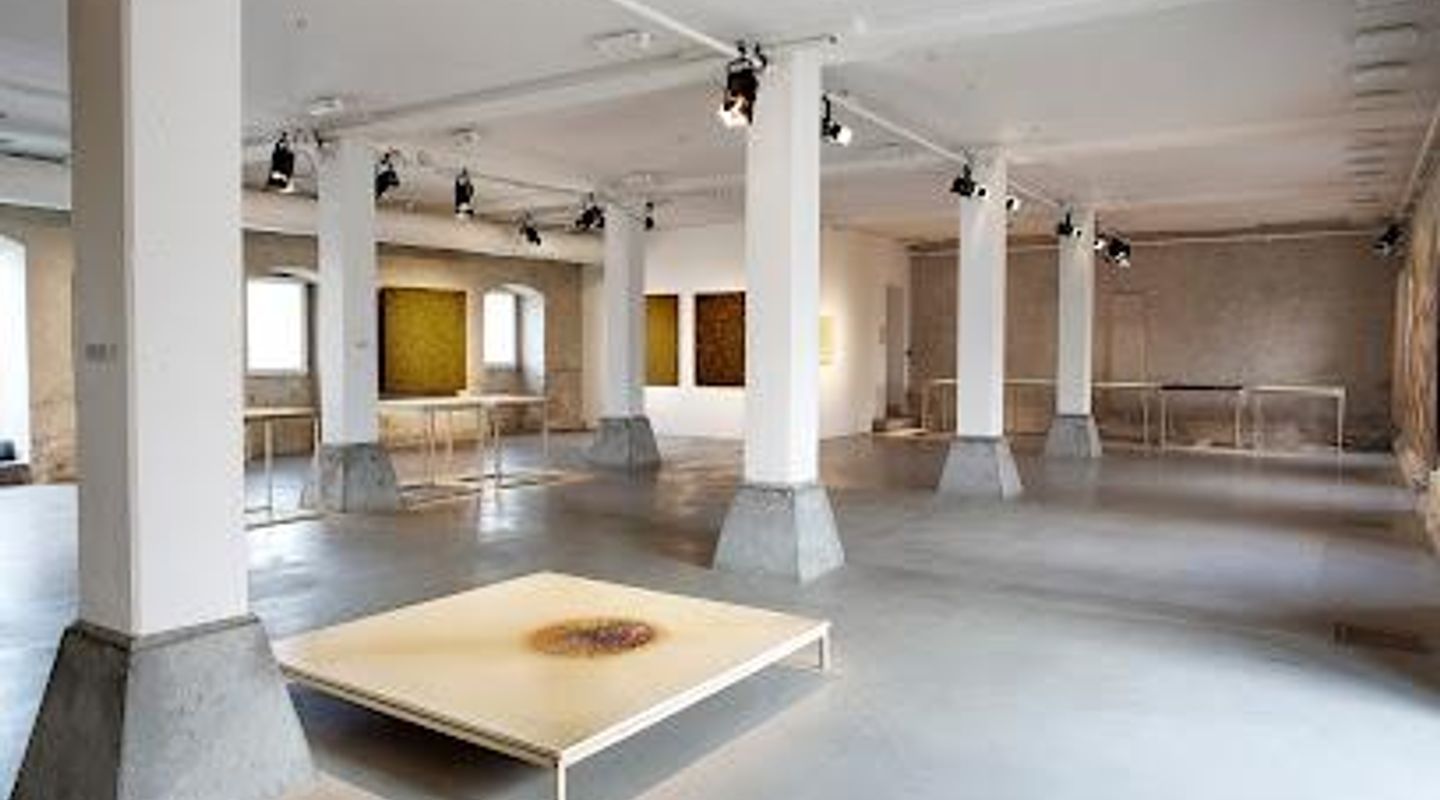
Set in a beautifully restored 18th‑century warehouse on Copenhagen’s Christianshavn waterfront, North Atlantic House is a cultural powerhouse dedicated to the art, history, and contemporary life of Iceland, Greenland, and the Faroe Islands. Inside, light‑filled galleries host changing exhibitions, performances, and talks, while the building itself whispers of centuries of maritime trade, Arctic voyages, and cultural exchange between Denmark and its North Atlantic neighbours.
On-site amenities
 Restrooms
 Drink options
 Food options
 Seating areas
 Trash bins
 Information boards
 Visitor centre
Opening hours
- Mon10 am–5 pm
- Tue10 am–5 pm
- Wed10 am–5 pm
- Thu10 am–5 pm
- Fri10 am–5 pm
- Sat12 pm–5 pm
- Sun12 pm–5 pm
Opening hours as listed on the venue’s Google Business Profile. Hours can change for services and special events, so check with the venue before you go.
- Address
- Strandgade 91, 1401 København
- Phone
- Website
Getting there
Metro from central Copenhagen
Harbour bus
Cycling within the city
On foot from the inner city
Discover more about North Atlantic House
Harbour Warehouse Turned Cultural Bridge
North Atlantic House occupies a former maritime warehouse from 1767, its thick brick walls and heavy timber beams rising directly from the cobbles of Christianshavn’s harbourfront. Once a bustling trading hub for dried fish, whale oil and skins from Greenland, Iceland and the Faroe Islands, the building stood at the heart of Denmark’s North Atlantic commerce, facing the wind and salt spray of Copenhagen’s inner harbour.Today the warehouse has been carefully restored rather than polished away. Original wooden rafters, uneven floors and tall loading doors testify to centuries of ship traffic outside. As you move through the building, the contrast between rugged maritime architecture and crisp exhibition design reinforces the sense of stepping into a place where old seafaring routes have been reimagined as cultural connections.
Four Northern Cultures Under One Roof
The centre is dedicated to art and culture from Greenland, Iceland, the Faroe Islands and Denmark, exploring how these places are tied together by the North Atlantic. Exhibitions span contemporary visual art, photography, design and crafts, often focusing on themes like Arctic light, climate, identity and life in remote island communities. You might encounter works made from driftwood, whale bone and wool alongside sleek Nordic installations.Beyond the galleries, the house serves as a hub for cultural diplomacy. The Icelandic embassy and the permanent representations of Greenland and the Faroe Islands have offices here, underscoring the building’s role as a meeting point between state institutions, artists and the public. This mix of official presence and creative programming gives the whole complex an atmosphere that is both serious and warmly welcoming.
Events, Performances and Everyday Life
A rich calendar of performances, film screenings, concerts and talks keeps the warehouse alive throughout the year. Dance pieces inspired by Arctic landscapes, author evenings with North Atlantic writers and debates about climate and indigenous rights all find a home in the flexible event spaces. The scale is intimate: you are close enough to hear the creak of the old building during quiet pauses.Between events, the house feels more contemplative. Smaller displays line corridors and stairwells, and you may catch glimpses of embassy staff or conference guests moving between meetings. Function rooms and meeting spaces can be rented, so business gatherings often unfold against a backdrop of art and harbour views, blurring the line between workplace and cultural venue.
Taste and Texture of the North Atlantic
On the ground floor, a brasserie-style restaurant brings the region’s flavours onto the plate. Menus frequently feature ingredients like Icelandic lamb, Faroese fish or Greenlandic shellfish, interpreted through a modern Nordic lens. The combination of robust maritime surroundings and carefully plated dishes makes a meal here feel like an extension of the exhibitions upstairs.Informal seating areas near the entrance and in the courtyard allow you to pause with a coffee or leaflet between gallery visits. In good weather, the waterfront outside becomes part of the experience, with boats sliding past and the skyline of central Copenhagen just across the water. It is easy to linger longer than planned, simply watching light shift over the harbour stones.
Christianshavn Setting and Quiet Corners
Situated at the edge of Christianshavn, the building stands slightly apart from the city’s busiest routes, giving it a slower rhythm. Nearby historic warehouses and the Greenlandic Trading Square create a small enclave that still hints at its mercantile past. From certain windows, you can see both sleek modern apartments and the masts of moored boats, a reminder of Copenhagen’s constant balancing act between old and new.For visitors, the atmosphere is reflective rather than hurried. You can spend time reading wall texts, studying materials up close or simply absorbing the play of daylight on rough brick and tarred wood. Whether you come for a single exhibition, a concert or a full afternoon of exploration, North Atlantic House offers a layered insight into how four northern cultures continue to meet at the water’s edge.
Evendo Review Centre
 Google
Guest reviews
Best time to go
Quietest: Jan, Feb & Mar · before 8am or at 8pm
Busy times are Evendo estimates for a typical year, to help you plan. Actual crowds vary with events, school holidays and the weather.
Explore North Atlantic House on the map
A handpicked selection of must-see spots near North Atlantic House, mapped for you.
Get your free copy of our complete guide to North Atlantic House, delivered straight to you.
Everything on this page, from opening hours and how to get there to Eve’s tips and the best time to go, in one PDF you can read offline, print or share.
Already have an account? Sign in
Your North Atlantic House guide is ready.
We'll send it to · Not you? Sign out

Getting your guide ready…
We are putting together a fresh copy of the North Atlantic House guide. This can take up to a minute.
This can take a few moments. If your browser asks, choose Allow so the download can start. You'll find the guide in your Downloads folder.
Nothing happened? Download it again
Sorry, the guide is taking longer than usual. Please try again in a minute, or get it by email instead.
Unlock the best of North Atlantic House
Skip-the-line tickets, guided tours with entry, and walking tours of the area, booked in a few clicks.



Other nearby places you may find interesting
The closest places of the same kind, if this one is not quite what you had in mind.
-
-
-
-
-


Swipe for more places
More to explore near North Atlantic House

 Best experiences near North Atlantic House
 Best hotels near North Atlantic House
 Best landmarks near North Atlantic House
 Best attractions near North Atlantic House
 Best shops near North Atlantic House
 Best restaurants near North Atlantic House
 Best bars near North Atlantic House
Do you manage this location?
Take control to get all the benefits, like improved information, better appearance, and stronger visibility across AI-powered discovery.
Explore more
Explore more of Køge
Explore Køge, Denmark's coastal gem, with its medieval charm, beautiful marina, and close proximity to the stunning Stevns Klint UNESCO World Heritage site.
Explore Køge
Explore more of Denmark
Discover Denmark: A perfect blend of history, modern design, and the cozy concept of hygge. Explore vibrant cities, serene landscapes, and world-class cuisine.
Explore Denmark