

Nyhavn, Køge Travel Guide
Free Guide: Copenhagen’s colourful 17th‑century harbour, where gabled townhouses, historic ships and waterside cafés turn a former sailors’ port into a postcard‑perfect promenade.


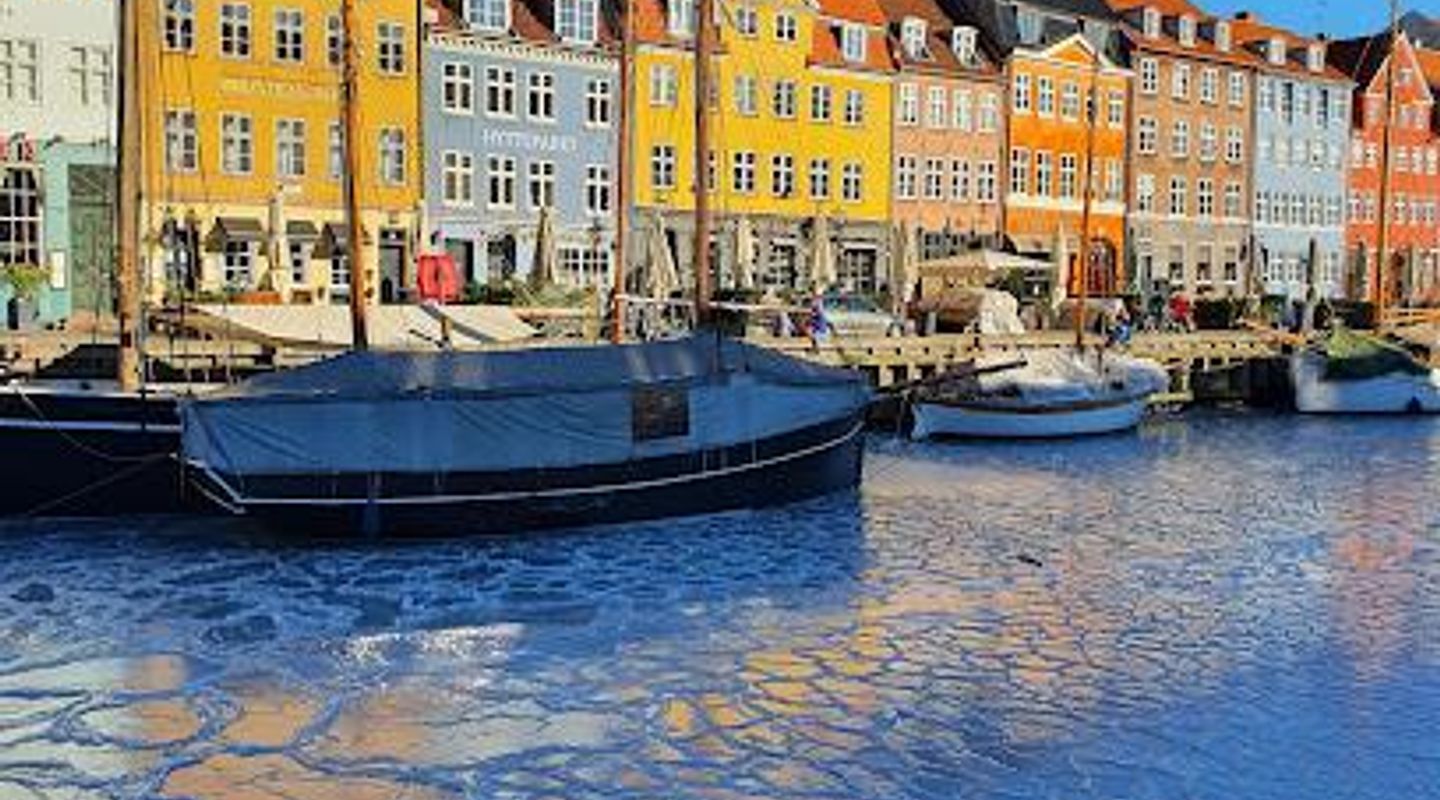
A brief summary of Nyhavn
Copenhagen’s colourful 17th‑century harbour, where gabled townhouses, historic ships and waterside cafés turn a former sailors’ port into a postcard‑perfect promenade.
Nyhavn is Copenhagen’s iconic 17th‑century waterfront canal, framed by brightly painted townhouses, historic wooden ships and a continuous ribbon of cafés and restaurants. Once a rough‑and‑ready sailors’ port, it is now a relaxed promenade where you can linger over smørrebrød and a beer, listen to jazz, browse Christmas stalls in winter or join a classic canal tour that glides past many of the city’s main sights.
On-site amenities
 Restrooms
 Drink options
 Drinking water
 Food options
 Seating areas
 Trash bins
 Information boards
 Visitor centre
- Address
- Indre By
Getting there
Metro from central Copenhagen
Bus within the city centre
Harbour bus by water
Walking or cycling in the old town
Discover more about Nyhavn
From Working Port to Storybook Waterfront
Nyhavn, literally “New Harbour,” was dug in the late 17th century as Copenhagen’s maritime gateway, channelling ships straight into the city centre. For centuries it was a hard‑working port, crowded with masts, warehouses and taverns catering to sailors fresh from long voyages. The elegant gabled houses you see today once held merchants’ offices, storerooms and cramped lodgings above beer‑stained cellars.As shipping moved to larger docks, Nyhavn’s role shifted and many of the old buildings slipped into decline. Careful restoration in the 20th century transformed the harbor into a pedestrian‑friendly promenade while keeping its historic bones. Today, the same canal that once unloaded cargo now launches canal tours and pleasure boats, and the old warehouses glow in pastel colours rather than coal smoke.
Colours, Gables and Historic Ships
The first thing that catches the eye is the tight row of tall, narrow houses painted in vivid yellows, reds and blues. Their stepped gables, small‑paned windows and uneven rooflines are classic examples of 17th‑ and 18th‑century Copenhagen architecture. Many still show small stone or metal emblems above their doors, hints of former trades and owners.Moored along the quay are beautifully preserved wooden vessels, part of a historic ship collection that anchors Nyhavn firmly in its seafaring past. The creak of rigging and the smell of tarred wood add atmosphere on breezy days. Looking along the canal towards the inner harbor, you see a mix of old masts and modern city skyline – a compact snapshot of Copenhagen’s evolution.
Hans Christian Andersen and Everyday Tales
Nyhavn is closely tied to Denmark’s most famous storyteller, Hans Christian Andersen, who lived at several addresses along the canal during his years in Copenhagen. In these creaky old rooms he wrote some of his early fairy tales, drawing inspiration from the changing waterfront outside his windows. The contrast between the canal’s rough dockside past and Andersen’s delicate stories gives the area a quietly literary undercurrent.Even without seeking out specific doorways, it is easy to imagine the characters who once walked these cobbles – sailors, dock workers, traders and writers – weaving their own small dramas between the taverns and boarding houses that lined the water.
Cafés, Smørrebrød and Canal Cruises
Today Nyhavn is all about lingering by the water. Ground floors that once stored barrels now hold cafés, bars and restaurants, their tables spilling onto the quayside as soon as the weather allows. Menus lean heavily on Danish classics: open‑faced smørrebrød, herring, seafood and cold beer, alongside coffee, ice cream and casual bistro dishes.From the canal edge, classic low‑slung boats depart regularly on sightseeing trips through Copenhagen’s waterways. These tours glide under low bridges, past the opera house, Amalienborg, the Little Mermaid and the city’s converted warehouses, making Nyhavn a natural starting point for exploring the wider harbour.
Seasons of Light and Atmosphere
In summer, Nyhavn buzzes from late morning until dusk, when the low northern light paints the facades in deep gold and the canal reflects every colour. Street musicians, particularly jazz bands, often provide a laid‑back soundtrack, and you can stroll with an ice cream while watching life on the water.In winter, the tempo slows but the harbour takes on a different kind of charm. Strings of lights and evergreen decorations trace the canal, and a Christmas market usually lines parts of the quay with stalls selling woollen gifts, snacks and steaming cups of spiced gløgg. On crisp, cold days the clear air and soft glow from windows make the harbour feel intimate despite the open water.
Finding Quiet Corners Amid the Buzz
Nyhavn can be lively, especially around midday and early evening, but there are calmer pockets towards the ends of the canal and on the quays opposite the busiest restaurant strips. Here you can sit on the edge of the quay, legs dangling above the water, and simply watch boats, bikes and pedestrians thread through the city.Step just a street or two back and you are in the cobbled lanes of the historic centre, with theatres, galleries and royal squares an easy stroll away. Nyhavn works equally well as a destination in its own right or as a scenic pause between other sights in Copenhagen’s compact heart.
Evendo Review Centre
 Google
Guest reviews
Best time to go
Quietest: Jan, Feb & Mar · before 6am
Busy times are Evendo estimates for a typical year, to help you plan. Actual crowds vary with events, school holidays and the weather.
Explore Nyhavn on the map
A handpicked selection of must-see spots near Nyhavn, mapped for you.
Get your free copy of our complete guide to Nyhavn, delivered straight to you.
Everything on this page, from opening hours and how to get there to Eve’s tips and the best time to go, in one PDF you can read offline, print or share.
Already have an account? Sign in
Your Nyhavn guide is ready.
We'll send it to · Not you? Sign out

Getting your guide ready…
We are putting together a fresh copy of the Nyhavn guide. This can take up to a minute.
This can take a few moments. If your browser asks, choose Allow so the download can start. You'll find the guide in your Downloads folder.
Nothing happened? Download it again
Sorry, the guide is taking longer than usual. Please try again in a minute, or get it by email instead.
Unlock the best of Nyhavn
Skip-the-line tickets, guided tours with entry, and walking tours of the area, booked in a few clicks.


Other nearby places you may find interesting
The closest places of the same kind, if this one is not quite what you had in mind.
-
Køge Miniby Step into Køge’s past at 1:10 scale, where hand-built model houses, harbour scenes and church spires recreate the market town of 1865 in a tranquil seaside garden.
-
Køge Museum Time‑travel through Køge’s past inside a 17th‑century merchant’s house where Viking treasures, buried secrets and a tranquil courtyard meet in one intimate museum.
-
Ølsemagle Revle A shifting sandbar of shallow lagoons, rich birdlife and wide sandy beaches, where Køge’s urban edge gives way to one of Zealand’s most evocative coastal nature reserves.
-
Solgårdsparken Romantic coastal park between Køge Bay and Tryggevælde River, where historic garden design, tranquil nature, play areas and reflective audio stories meet in one green retreat.
-
Vandkunsten - Stationspladsen A sculptural fountain anchoring Køge’s station square, where moving water, stone and light turn a busy transport hub into an inviting urban meeting place.
Swipe for more places
More to explore near Nyhavn

 Best experiences near Nyhavn
 Best hotels near Nyhavn
 Best landmarks near Nyhavn
 Best attractions near Nyhavn
 Best shops near Nyhavn
 Best restaurants near Nyhavn
 Best bars near Nyhavn
Do you manage this location?
Take control to get all the benefits, like improved information, better appearance, and stronger visibility across AI-powered discovery.
Explore more
Explore more of Køge
Explore Køge, Denmark's coastal gem, with its medieval charm, beautiful marina, and close proximity to the stunning Stevns Klint UNESCO World Heritage site.
Explore Køge
Explore more of Denmark
Discover Denmark: A perfect blend of history, modern design, and the cozy concept of hygge. Explore vibrant cities, serene landscapes, and world-class cuisine.
Explore Denmark
