

St. Alexander Nevsky Church, Køge Travel Guide
Free Guide: Golden onion domes, royal ties and incense-filled ritual make St. Alexander Nevsky Church Copenhagen’s most evocative glimpse into Russian Orthodox tradition.


A brief summary of St. Alexander Nevsky Church
Golden onion domes, royal ties and incense-filled ritual make St. Alexander Nevsky Church Copenhagen’s most evocative glimpse into Russian Orthodox tradition.
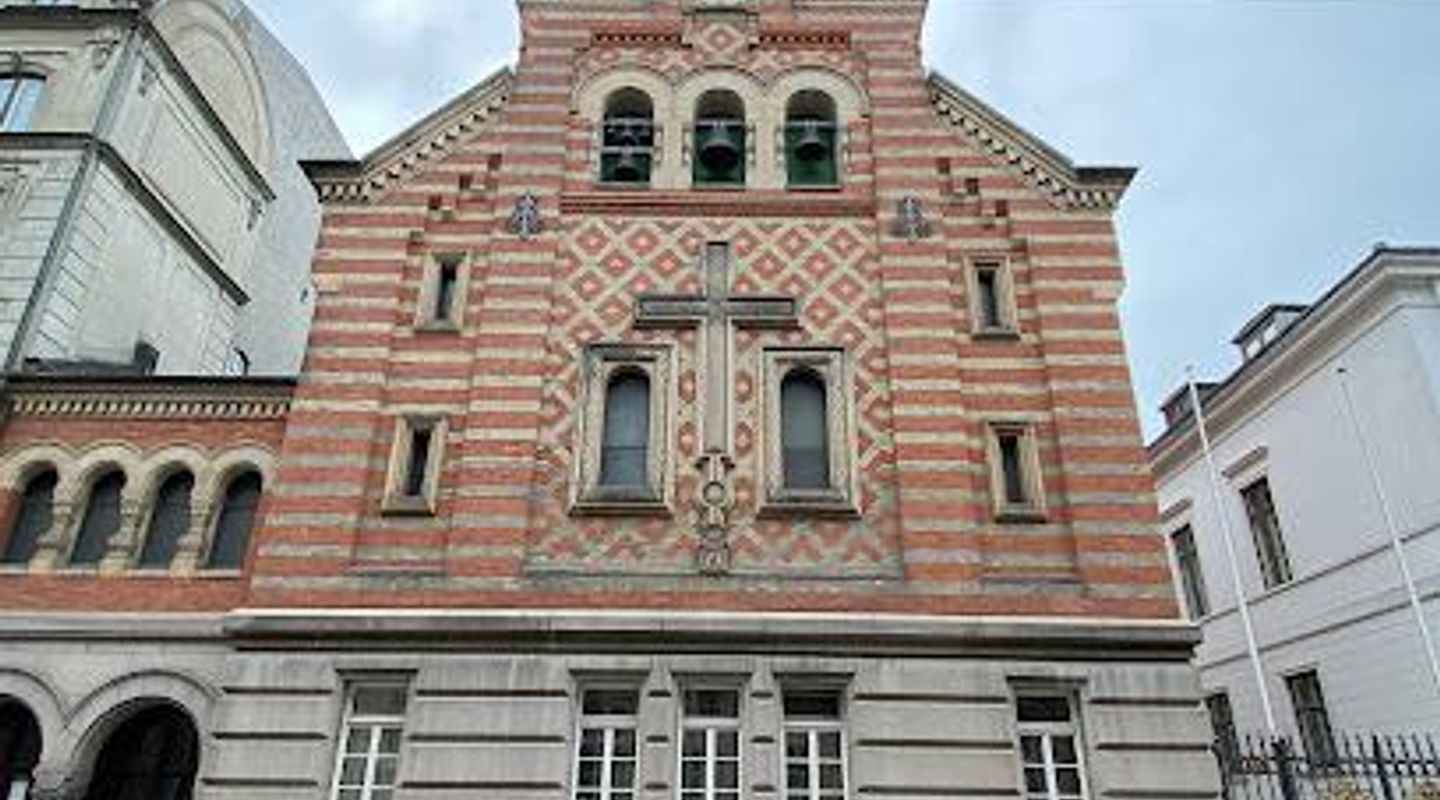
St. Alexander Nevsky Church brings a striking touch of Russia to central Copenhagen, its golden onion domes rising above elegant Bredgade near Amalienborg Palace. Built in the early 1880s as a Russian Orthodox church linked to the Danish royal family, it is known for its richly decorated iconostasis, frescoes and candlelit interior. Visitors step from the orderly streets of Frederiksstaden into a world of incense, chanted liturgy and intricate Orthodox art, discovering one of the city’s most atmospheric sacred spaces.
On-site amenities
 Restrooms
 Seating areas
 Trash bins
 Information boards
Opening hours
- MonClosed
- TueClosed
- WedClosed
- ThuClosed
- Fri5 pm–6 pm
- Sat9 am–12 pm, 4:30 pm–7 pm
- Sun9 am–1 pm
Opening hours as listed on the venue’s Google Business Profile. Hours can change for services and special events, so check with the venue before you go.
- Address
- Bredgade 53, 1260 København
- Phone
- Website
Getting there
Walking
Public Transport
Taxi or Ride-hail
Driving
Discover more about St. Alexander Nevsky Church
Russian splendor in royal Copenhagen
St. Alexander Nevsky Church stands on Bredgade in the refined Frederiksstaden district, a short walk from Amalienborg Palace yet visually worlds apart from the surrounding Danish townhouses. Conceived as a Russian Orthodox church in the early 1880s, it was built as a gift from the Russian state to mark the dynastic bond between Tsarevich Alexander Alexandrovich (later Tsar Alexander III) and Princess Dagmar of Denmark. The dedication to the medieval prince and military leader Alexander Nevsky underlines the church’s role as both spiritual home and national symbol.From the street, the building captures attention immediately with its cluster of onion-shaped domes, gilded crosses and richly patterned brickwork. The façade combines red and yellow brick with carved stone details, arched windows and decorative bands that clearly set it apart from the sober Lutheran churches elsewhere in the city. Even before stepping inside, visitors sense that this small church encapsulates a much larger story of diplomacy, marriage and cultural exchange between Denmark and Imperial Russia.
Architecture shaped by an imperial commission
The design was entrusted to the Russian architect David Ivanovich Grimm, who worked in a Neo-Byzantine and Russian Revival style. Completed between 1881 and 1883, the church uses traditional Orthodox forms on a compact urban plot. Its three onion domes rise above a narrow nave, crowned with Orthodox crosses that gleam when the northern light breaks through the clouds. Decorative brick patterns and blind arcades give the exterior a richness that rewards a slow look rather than a hurried glance.Architecturally, the building is carefully integrated into its Danish surroundings while still asserting its foreign identity. The tall, slender proportions relate to neighboring façades, yet details such as kokoshnik-style gables, horseshoe arches and ornamental cornices mark it clearly as a Russian sacred structure. This balance of adaptation and distinctiveness makes the church one of the most intriguing pieces of 19th-century religious architecture in Copenhagen.
A candlelit world of icons and incense
Inside, the mood shifts instantly from the bustle of Bredgade to a soft, enclosed world of icon lamps, beeswax candles and gold leaf. The focal point is the ornate iconostasis, the screen of icons separating nave and sanctuary, which is dense with images of Christ, Mary, saints and feast days. Carved woodwork, gilded ornament and rich colors frame these icons, inviting close inspection of faces, gestures and inscriptions.The interior follows Orthodox tradition: there are few pews, encouraging worshippers to stand, move and venerate icons. Walls and vaults are adorned with painted decoration, and the air often carries the lingering scent of incense from recent liturgies. Even outside service times, the space feels active and used, with candle stubs, offerings and handwritten notes at icon stands hinting at the ongoing life of the parish.
Living parish and cross-cultural meeting point
St. Alexander Nevsky Church functions not only as a historic monument but as a working parish for Russian Orthodox believers in Denmark and the broader Slavic and Eastern Christian communities of the city. Services, typically held in Church Slavonic and sometimes other languages, bring together worshippers from varied backgrounds while maintaining traditional chant, ritual and vestments.For visitors, this makes the church a place where history is experienced through living practice rather than display alone. Icons are kissed, candles are lit for relatives far away, and feast days bring processions and special services. Even those unfamiliar with Orthodox Christianity can sense the strong connection between architecture, ritual and identity that the church sustains in a largely Lutheran country.
Planning a respectful visit
The church keeps limited opening hours, often focused around services, weekends and specific feast days, so stepping inside may require a little timing and patience. When open, modest dress is expected, with covered shoulders and calm behavior, especially if a liturgy or private prayer is underway. Photography is generally tolerated but should be discreet, avoiding flash and refraining from photographing people at prayer.Because of its central location, many travelers pair a visit here with nearby sites such as Amalienborg and the Marble Church, using St. Alexander Nevsky as a quieter counterpoint to the grand royal squares. Whether you stay for a few moments or a full service, the church offers a concentrated experience of Russian Orthodox art and devotion set against the elegant backdrop of Copenhagen’s royal quarter.
Evendo Review Centre
 Google
Guest reviews
Best time to go
Quietest: Jan, Feb & Mar · before 8am or at 8pm
Busy times are Evendo estimates for a typical year, to help you plan. Actual crowds vary with events, school holidays and the weather.
Explore St. Alexander Nevsky Church on the map
A handpicked selection of must-see spots near St. Alexander Nevsky Church, mapped for you.
Get your free copy of our complete guide to St. Alexander Nevsky Church, delivered straight to you.
Everything on this page, from opening hours and how to get there to Eve’s tips and the best time to go, in one PDF you can read offline, print or share.
Already have an account? Sign in
Your St. Alexander Nevsky Church guide is ready.
We'll send it to · Not you? Sign out

Getting your guide ready…
We are putting together a fresh copy of the St. Alexander Nevsky Church guide. This can take up to a minute.
This can take a few moments. If your browser asks, choose Allow so the download can start. You'll find the guide in your Downloads folder.
Nothing happened? Download it again
Sorry, the guide is taking longer than usual. Please try again in a minute, or get it by email instead.
Unlock the best of St. Alexander Nevsky Church
Skip-the-line tickets, guided tours with entry, and walking tours of the area, booked in a few clicks.


Other nearby places you may find interesting
The closest places of the same kind, if this one is not quite what you had in mind.
-
Mindesmærke for slagene i Køge Bugt Harbourfront monument where stone, sea breeze and maritime symbols keep the naval battles of Køge Bugt and their admirals alive on Køge’s working waterfront.
-
Vallø Castle A Renaissance castle reborn: where Danish nobility found refuge and history survived the flames.
-
Køge Church Medieval tower, Denmark's first lighthouse, baroque treasures in a historic port town.
-
Køge bølgebryder Industrial waterfront landmark offering sweeping sea vistas and authentic coastal atmosphere.
-
Køge Torv Denmark's largest medieval town square, where seven centuries of history unfold on cobblestones.
Swipe for more places
More to explore near St. Alexander Nevsky Church
-
 Best experiences near St. Alexander Nevsky Church
-
 Best hotels near St. Alexander Nevsky Church
-
 Best landmarks near St. Alexander Nevsky Church
-
 Best attractions near St. Alexander Nevsky Church
-
 Best shops near St. Alexander Nevsky Church
-
 Best restaurants near St. Alexander Nevsky Church
-
 Best bars near St. Alexander Nevsky Church







Do you manage this location?
Take control to get all the benefits, like improved information, better appearance, and stronger visibility across AI-powered discovery.
Explore more
Explore more of Køge
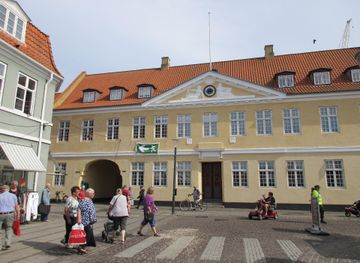
Explore Køge, Denmark's coastal gem, with its medieval charm, beautiful marina, and close proximity to the stunning Stevns Klint UNESCO World Heritage site.
Explore Køge
Explore more of Denmark
Discover Denmark: A perfect blend of history, modern design, and the cozy concept of hygge. Explore vibrant cities, serene landscapes, and world-class cuisine.
Explore Denmark
