
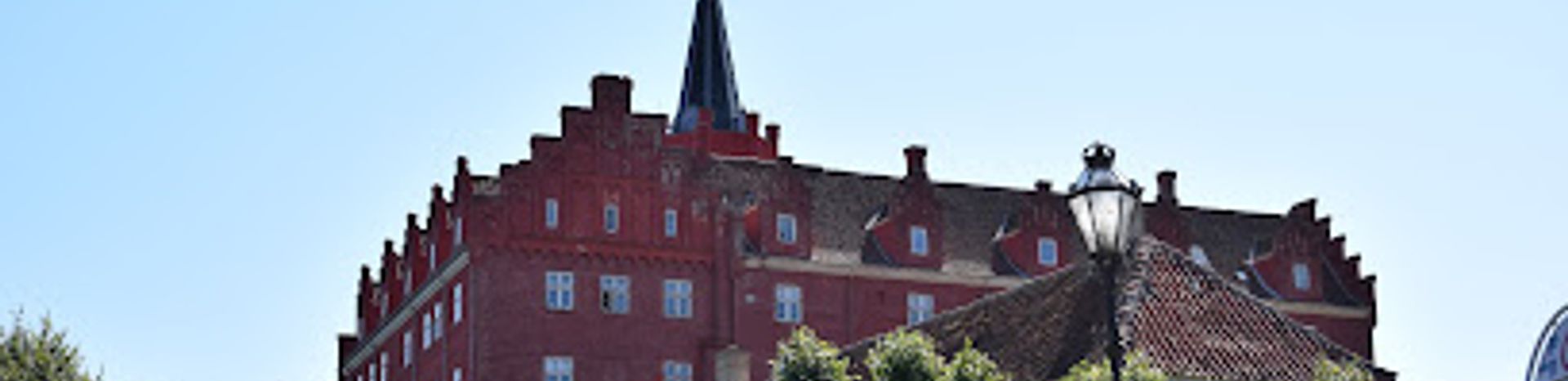
The Medicine Gardens in Tranekær (Medicinhaverne i Tranekær)
Northern Europe’s largest medicinal plant garden, where themed circles, an arboretum and playful kids’ areas turn botanical medicine into a vivid, hands-on landscape.
Tucked beside Tranekær Castle on the island of Langeland, the Medicine Gardens in Tranekær form Northern Europe’s largest collection of medicinal plants, with more than 800 species arranged in six themed circular gardens and a surrounding arboretum. Informative signs explain each plant’s traditional and modern uses, while children’s play areas, a dedicated kids’ garden and plenty of picnic tables make this a relaxed, family-friendly stop in a peaceful rural setting.
A brief summary to Medicine gardens in Tranekær
- Botofte Strandvej 2 A, Tranekær, 5953, DK
- +4561626677
- Visit website
- Duration: 1 to 2 hours
- Budget
-
 Outdoor
- Mobile reception: 4 out of 5
- Monday 8 am-10 pm
- Tuesday 8 am-10 pm
- Wednesday 8 am-10 pm
- Thursday 8 am-10 pm
- Friday 8 am-10 pm
- Saturday 8 am-10 pm
- Sunday 8 am-10 pm
Local tips
- Plan at least 1–1.5 hours to walk all six theme gardens and the arboretum, allowing extra time if you like reading the detailed plant signs.
- Bring a picnic to enjoy at the many tables and benches; there is a pavilion in the arboretum that offers shelter in windy or rainy weather.
- Families can make the most of the children’s garden, play stream and owl-themed quiz trails, which help younger visitors engage with the plants.
- Dogs on a leash are allowed, so this can be combined with a longer walk around nearby Tranekær and the castle grounds.
- The garden is open from sunrise to sunset year-round; consider visiting in different seasons to see how medicinal plants change through the year.

For the on-the-go comforts that matter to you
- Restrooms
- Seating Areas
- Sheltered Areas
- Picnic Areas
- Trash Bins
- Information Boards
- Visitor Center
Getting There
-
Car from Rudkøbing (central Langeland)
From Rudkøbing on Langeland, driving to the Medicine Gardens takes around 20–25 minutes, covering roughly 20 km on main island roads with gentle curves and low hills. The route uses ordinary paved roads suitable for all cars, and parking is typically available near the entrance without a separate fee. Fuel is the main cost; expect to spend roughly 25–50 DKK in fuel depending on your vehicle’s consumption.
-
Bus from Rudkøbing to Tranekær
Regional buses connect Rudkøbing with Tranekær in about 25–35 minutes, depending on the timetable and intermediate stops. The stop in Tranekær is within walking distance of the gardens along village roads. A single adult ticket on local buses on Langeland usually costs about 25–40 DKK, with discounts for children and certain travel cards. Services are less frequent in the evening and on weekends, so check departure times in advance.
-
Bicycle from nearby Emmerbølle area
If you are staying near Emmerbølle on Langeland, the cycle ride to the gardens is around 5–6 km and typically takes 20–30 minutes each way at a relaxed pace. The route follows quiet country and coastal roads with some gentle inclines, making it suitable for most reasonably fit cyclists and older children. There is no charge for bringing your bike or parking it by the gardens, but be prepared for wind from the sea and dress for changing coastal weather.
Medicine gardens in Tranekær location weather suitability
-
 Any Weather
-
 Clear Skies
-
 Windy Conditions
-
 Mild Temperatures
-
 Hot Weather
-
 Cold Weather
-
 Rain / Wet Weather
Discover more about Medicine gardens in Tranekær
Medicinal plants in a scenic Langeland landscape
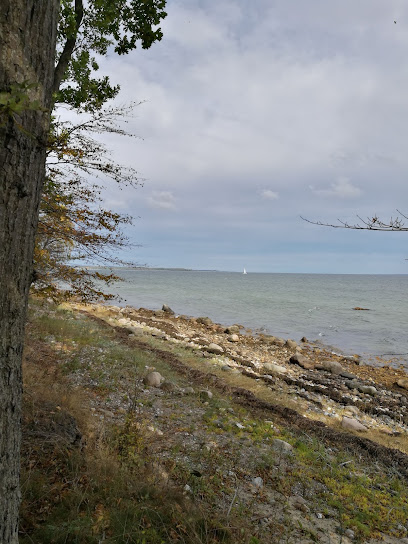
The Medicine Gardens in Tranekær unfold across a gently sloping three–four hectare park just outside the village, close to Tranekær Castle’s red walls and surrounding woods. Here, more than 800 different medicinal plants are cultivated in thoughtfully designed beds, turning the grounds into an open-air classroom on the relationship between nature and healing. Paths wind through a mosaic of greenery where common garden herbs stand beside rarer species from other climates, all adapted to Langeland’s mild weather and fertile soils. The gardens were established to showcase how much of modern medicine still originates in plants. As you walk, you move through a living encyclopaedia, where familiar vegetables and wildflowers are presented not only as food or ornament, but as sources of active compounds that have shaped medical history from folk cures to contemporary research.Six themed circles and a living arboretum
At the heart of the site lie six large, round theme gardens, each roughly 800 square metres, arranged like green rooms in a botanical story. One focuses on respiration and circulation, combining medicinal plants with a fragrant rose section. Another is devoted to digestion, metabolism and nutrition, highlighting old varieties of cabbage, beetroot and other vegetables once used in treatment of lifestyle diseases. Other gardens explore infections and Hildegard of Bingen’s monastic herbal traditions, the urinary and reproductive systems, and the nervous and musculoskeletal systems, where a small pond and stream are edged with aquatic species of medicinal interest. Each garden has a clear internal logic, so even a casual stroll gives a sense of how plants have been grouped and used to address different parts of the body.Arboretum of healing trees and quiet corners
Encircling the theme gardens, an arboretum gathers more than a hundred tree species that have, or once had, medicinal significance. Beneath their canopies, small signs reveal how bark, leaves, resin or fruits have been harvested for tinctures, teas and salves. The trees also give the park a layered, sheltered atmosphere, with dappled light, birdsong and changing colours across the seasons. Scattered through this area are benches and simple seating where you can pause with a thermos or picnic. A pavilion in the arboretum offers shelter on wet or cool days, preserving the sense of being in the garden while keeping out the wind. The overall mood is contemplative rather than ornamental: paths invite slow walking, reading and quiet observation of details in leaves, flowers and seed heads.Families, children and hands-on discovery
Children are gently drawn into the world of medicinal plants through a dedicated kids’ garden and playful features. Here, touching, smelling and tasting selected species is encouraged under adult supervision, turning abstract information into tangible experience. A small watercourse doubles as a play stream, and there is a sandbox, willow hut and berry maze where younger visitors can explore at their own pace. Throughout the site, colourful wooden owls and other animal figures hide among the beds, each linked to simple questions whose answers are found on nearby signs. This built-in treasure hunt keeps family visits engaging and helps children learn plant names and uses without formal instruction. Meanwhile, adults can still focus on the more detailed botanical and medical notes provided at each bed and tree.Volunteer-driven garden and practical details
The Medicine Gardens are planned, maintained and administered by a large group of local volunteers, a fact that gives the place a distinctly personal character. Beds are well tended but not overly manicured, and new sections are developed over time as themes expand, including an area focused on the five senses and edible plants. Seasonal guided walks, small events and talks occasionally animate the paths, adding another layer of interpretation to the written material. Simple facilities make it easy to linger: visitors may bring their own food and eat at the many tables and benches distributed between the circles and the arboretum. A wheelchair-accessible restroom is housed in an outbuilding by the entrance, and dogs on leads are welcomed in the gardens. Open from sunrise to sunset all year, the grounds reward repeat visits, from spring’s fresh shoots to autumn seed heads and winter silhouettes, each season telling a slightly different story about how plants and people are intertwined.Iconic landmarks you can’t miss

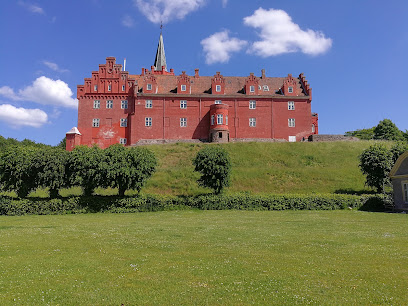
Tranekær Castle
0.3 km
A red-plastered island fortress turned noble family home, Tranekær Castle crowns a hat-shaped hill on Langeland, blending medieval power, romance and working estate life.
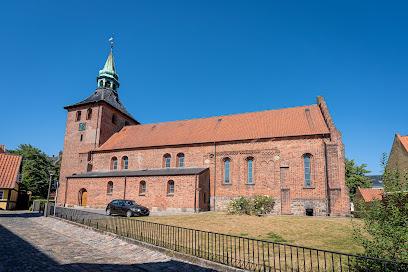
Saint Nicolai's Church
17.0 km
Svendborg’s oldest church and a quiet seafaring sanctuary, where red-brick medieval walls and a calm, whitewashed interior meet just off lively Gerritsgade.
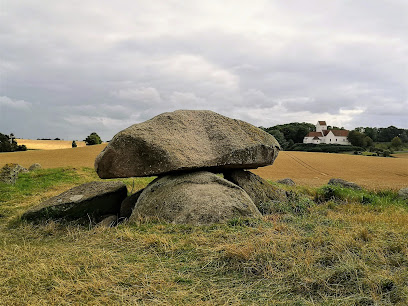
Langdyssen "Kong Humbles Grav"
20.2 km
A 55‑metre Stone Age long dolmen in the fields north of Humble, where legend, prehistoric engineering and soft Langeland landscapes meet in quiet simplicity.
Damestenen
21.2 km
Denmark's colossal 1,200-tonne ice-age boulder, transported from Sweden 18,000 years ago.
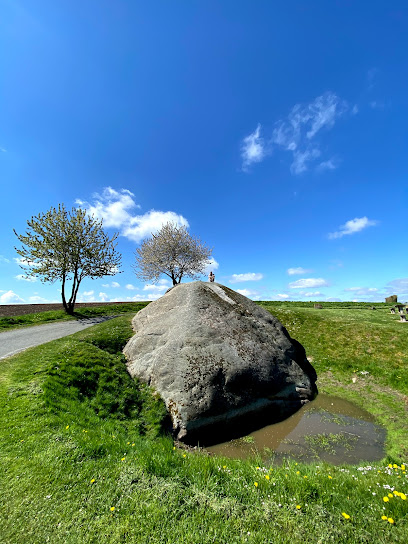
Monument for Danske Sømænd
26.6 km
A modest harbourfront memorial in Marstal that quietly honours generations of Danish sailors who left this island port and never returned from the sea.
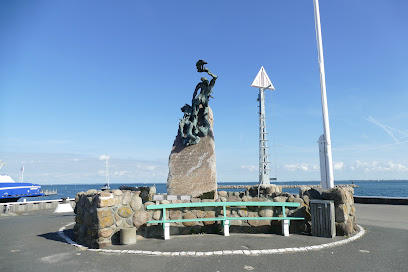
Ærø Turist & Erhverv
30.8 km
Explore the beautiful island of Ærø with expert insights and resources from Ærø Turist & Erhverv, your local tourist information center.
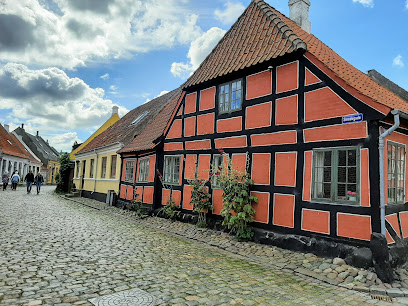
Ærøfærgerne
30.8 km
Experience the scenic ferry ride to Ærø Island via Ærøfærgerne, where Danish charm meets breathtaking coastal views.
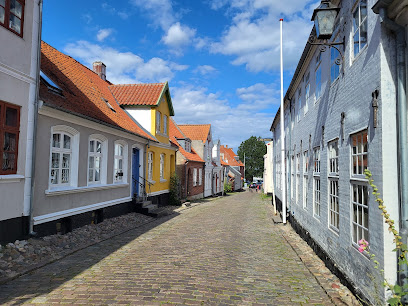
Hattesens Konfektfabrik Aps
30.8 km
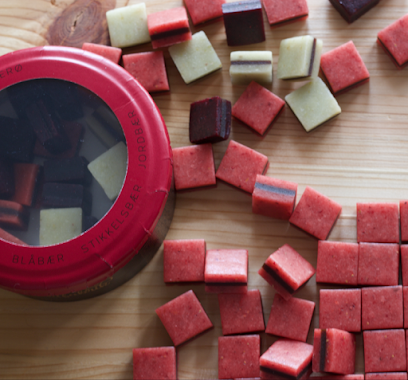
Discover the sweet artistry of traditional Danish liquorice at Hattesens Konfektfabrik Aps in scenic Ærøskøbing.
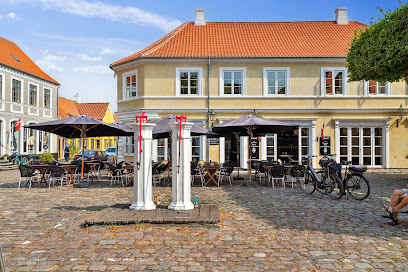
På Torvet
30.9 km
Experience the unique charm of På Torvet in Ærøskøbing, where historic beauty meets modern comfort in the heart of Denmark.
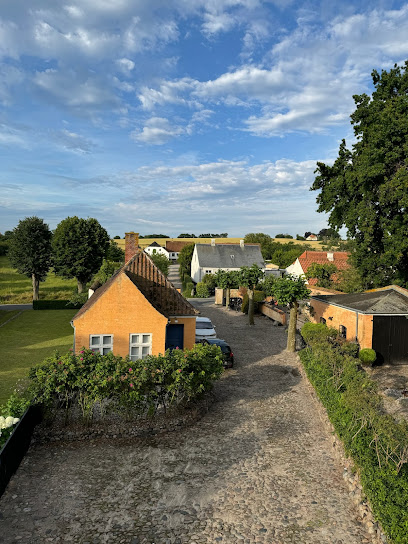
Andelen Guesthouse
31.0 km
Discover the charm of Ærøskøbing at Andelen Guesthouse, your cozy retreat in the heart of Denmark's picturesque island.
Danish Island Weddings
31.0 km
Experience the magic of weddings on the enchanting Danish island of Ærø, where love meets scenic beauty and unforgettable memories are made.
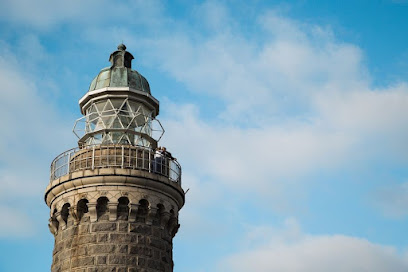
Hotel Ærøhus
31.0 km
Historic hotel in the heart of Ærøskøbing known for its authentic Danish charm, lush gardens, and local island cuisine—a perfect base for exploring Ærø.
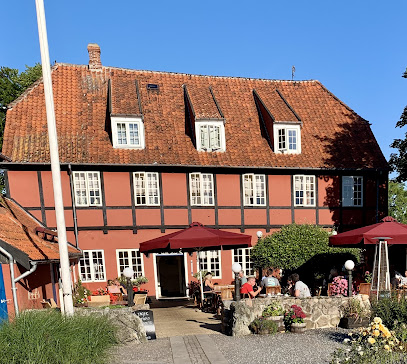
Hulbjerg | Burial site from the Peasant Stone Age
31.2 km
Explore Hulbjerg Passage Grave on Langeland, a fascinating Neolithic burial site offering a unique glimpse into Denmark's prehistoric past and the lives of the Funnelbeaker culture.
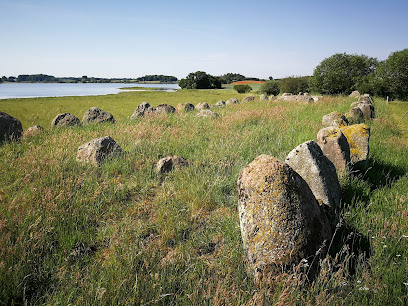
View Point
31.6 km
Sweeping Baltic vistas from Ærø's most scenic overlook between two charming harbors.
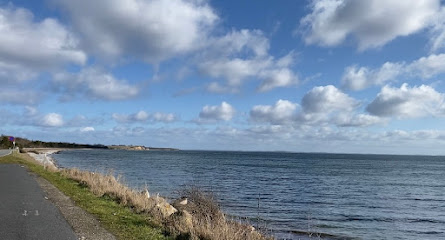
Slipshavn light
31.9 km
Mindesten: Frederikshavn's Tribute to World War II Heroes

Unmissable attractions to see

Tickon
0.1 km
Where monumental art dissolves into nature—a 83-hectare gallery of impermanence and beauty.
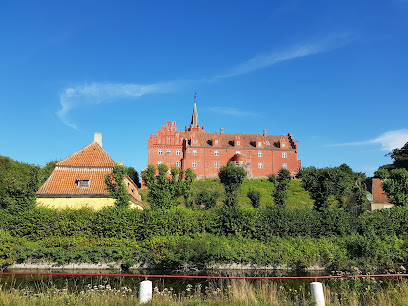
Souvenirmuseet Souvenariet
0.4 km
A whimsical museum celebrating the art of souvenir collecting in a historic Danish castle town.
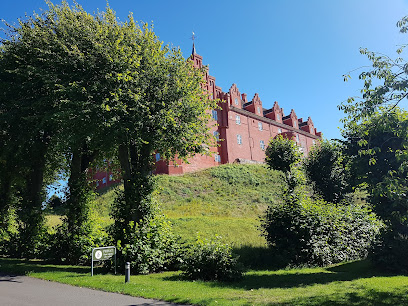
Tranekær Slotsmølle
1.4 km
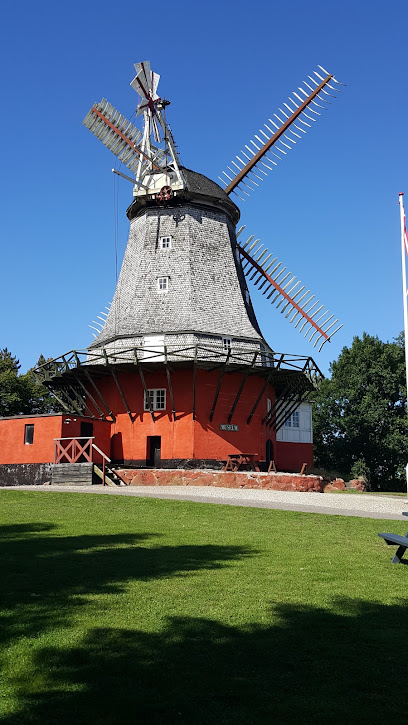
Historic hilltop windmill above Tranekær Castle, combining traditional milling heritage with a small seasonal museum and cosy café overlooking rural Langeland.
Leuchtturm
2.4 km
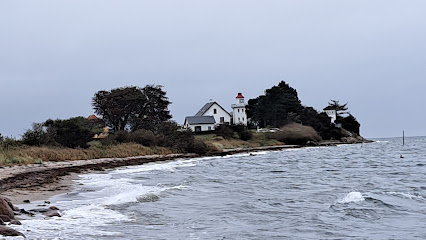
Explore Hulbjerg Passage Grave, a remarkable Stone Age burial mound with walk-in chamber, panoramic island views, and a powerful sense of Denmark’s prehistoric past.
Tobaksladen
2.9 km
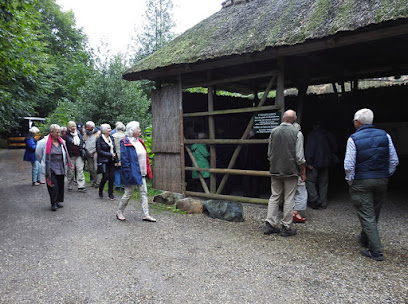
A tiny former village shop in Tranekær, Tobaksladen preserves the feel of a historic tobacconist and general store on the Danish island of Langeland.
Oehlenschlägers Bøg
3.9 km
A storied beech on Langeland’s Baltic shore, where coastal light, quiet forest and a beloved national anthem come together beneath one sweeping crown.
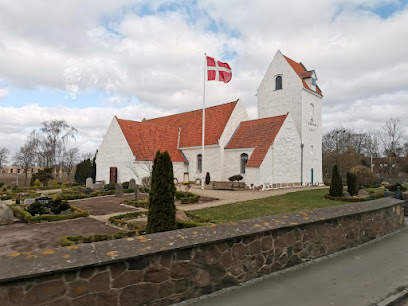
Simmerbølle Church
8.5 km
A small medieval church on Langeland, where fieldstone walls, an east-end tower and quirky frescoes – including a playful Danish coat of arms – invite quiet exploration.
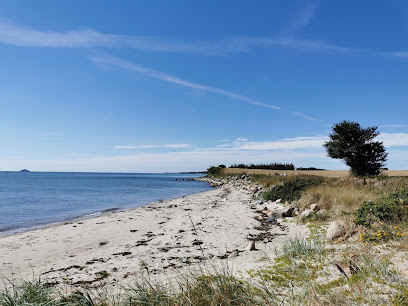
Beautiful Beach
10.6 km
Sheltered island sands, shallow waters and simple seaside fun on Thurø’s Smørmosen Beach, just off Svendborg in the heart of the South Funen Archipelago.
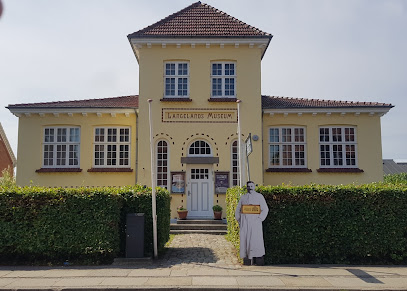
Langelands Museum
11.3 km
Compact island museum in Rudkøbing tracing Langeland’s story from Stone Age barrows to world wars, GDR plastics and everyday life on a Baltic outpost.
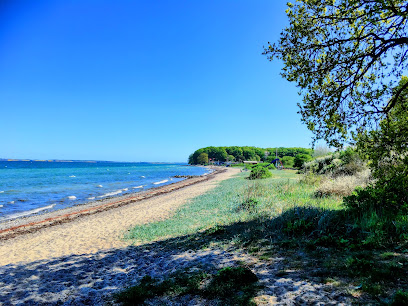
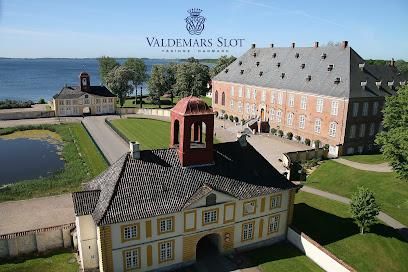
Valdemars Slot
13.2 km
Seaside baroque manor on Tåsinge where royal ambition, naval heroism and intimate family life meet amid gardens, shoreline paths and characterful historic interiors.
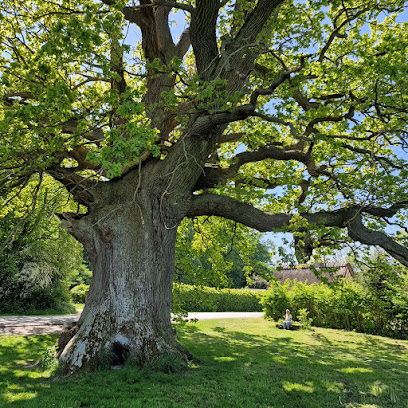
Ambrosius's Oak
13.9 km
A 400‑year‑old oak in Tåsinge’s Nørreskov forest, where poetry, castle history, and quiet woodland atmosphere meet beneath one vast crown.
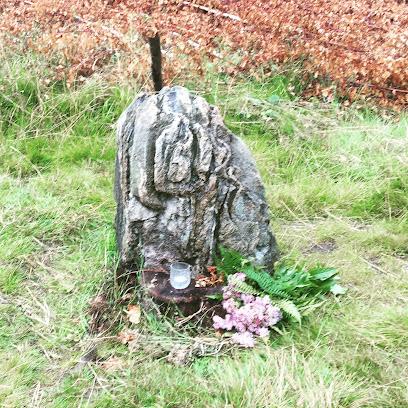
Elvira Madigan og Sixten Sparre
14.2 km
A modest forest memorial in Nørreskoven on Tåsinge, where a quiet clearing and simple stone mark the dramatic 1889 fate of Elvira Madigan and Sixten Sparre.
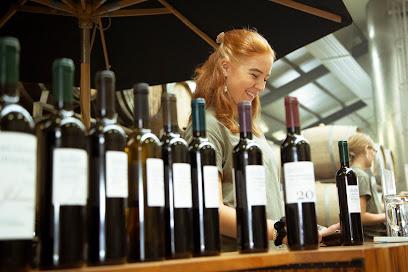
Frederiksdal Kirsebærvin
15.8 km
Denmark's pioneering cherry wine estate where ancient winemaking traditions meet Nordic terroir.
Tåsinge
16.3 km
Romantic South Funen island of skipper villages, castle landscapes, hilltop views and the enduring love story of Elvira Madigan and Sixten Sparre.
Lindelse Mølle
16.4 km
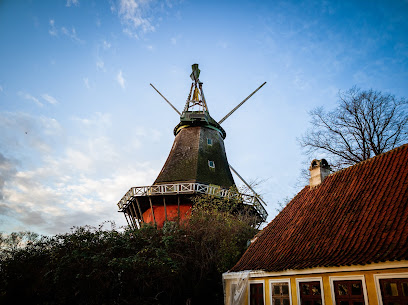
Historic hilltop windmill and former mill farm on Langeland, blending rural views, traditional architecture and emerging community life in a compact village setting.
Essential places to dine

Tranekær Slotskro
0.2 km
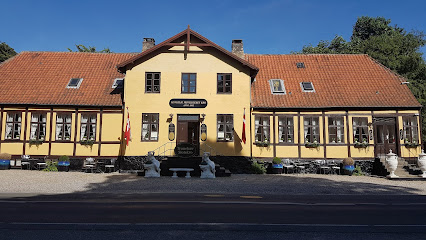
Historic Danish inn beside a castle, serving African and Nordic cuisine with genuine warmth.
Restaurant Generalen - Pichardts
0.3 km
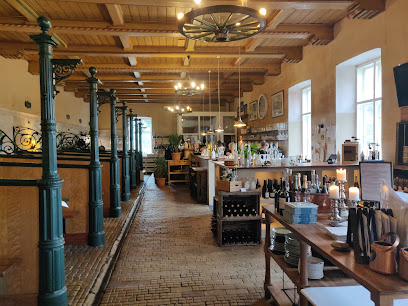
Elegant seasonal Danish cuisine in a historic castle setting on Langeland's charming island.
Kork & Godt
7.1 km
Cosy harbourfront tapas and wine bar on northern Langeland, pairing local ingredients and Mediterranean flavours with sunset views over Dageløkke Harbour.
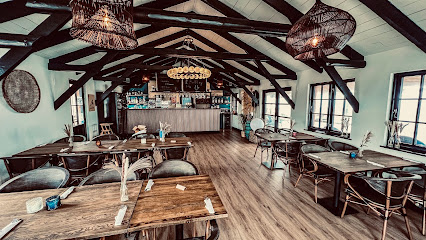
Spodsbjerg Kutterfisk
7.3 km
Harbor-side fish shop and casual café on Langeland serving fresh, local seafood, smoked specialties and easy take-away to enjoy on the terrace or by the sea.
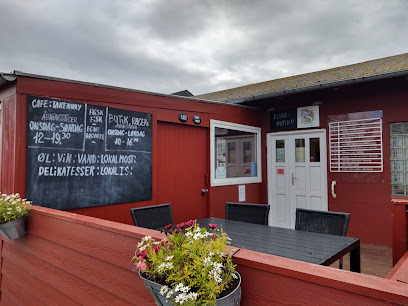
Færgegårdens Mad og Is Cafe
7.6 km
Laid-back seaside grill, ice-cream bar and mini-golf course between beach and campsite in Spodsbjerg, serving classic Danish barbecue, local sausages and sweet treats.
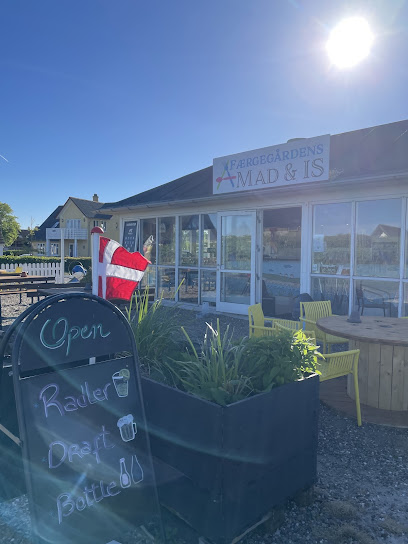
Skrøbelev Gods
10.6 km
A 17th‑century manor on Langeland, where candlelit dining, period‑style suites and tranquil island landscapes create an indulgent country‑house escape.
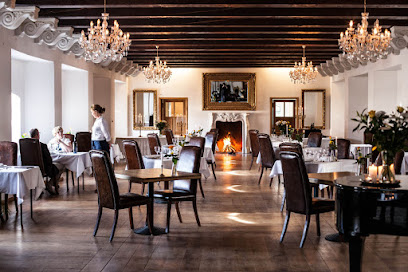
Restaurant hotel Rudkøbing skudehavn
11.1 km
Waterfront Danish dining with 25 years of culinary tradition overlooking Rudkøbing harbor.
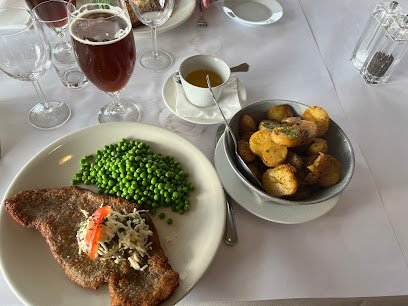
Ristorante & Pizzeria "Viking Pizza"
11.4 km
Casual Italian-style pizzeria in the heart of Rudkøbing, serving hearty pizzas and easy comfort food that suits families, couples and hungry island explorers alike.
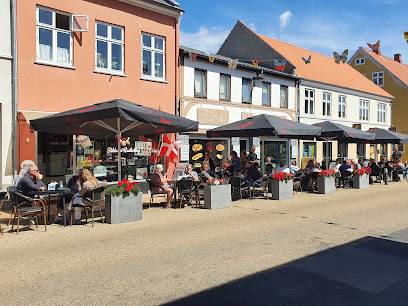
Cafe 10’eren
11.4 km
Casual hall-side café in Rudkøbing serving hearty Danish comfort food, cold beers and easy takeaway, right at the centre of everyday life in Langelandshallen.
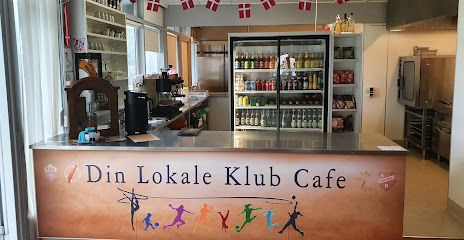
Grand House Burger
11.5 km
Cozy, crowd-pleasing burgers, pizzas and comfort dishes in a relaxed café on Rudkøbing’s main pedestrian street, with indoor tables, street seating and a sheltered courtyard.
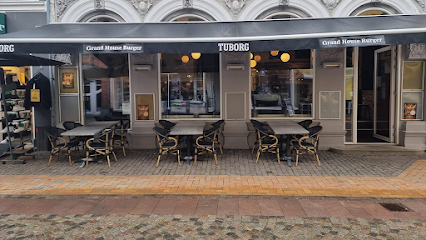
GAARDHAVEN
11.5 km
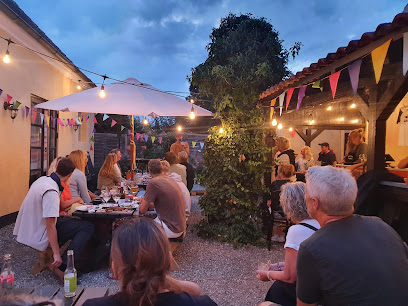
Courtyard tapas and wine in the heart of Rudkøbing, where a hidden garden, shared plates and candlelight turn evenings on Langeland into long, relaxed gatherings.
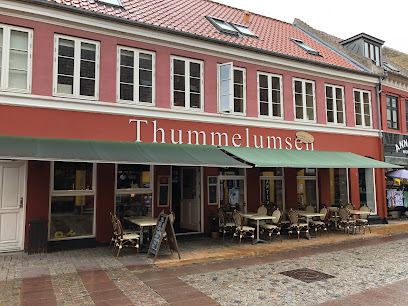
Thummelumsen
11.5 km
Cozy, colorful café-restaurant on Rudkøbing’s main street, serving generous Danish-style comfort food and relaxed island atmosphere from lunch through early evening.
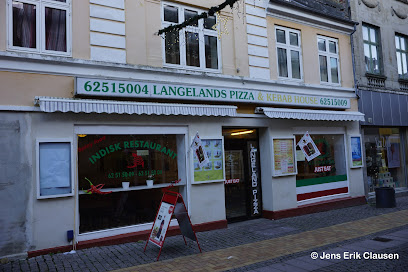
Langelands Pizza & Kebab House
11.5 km
Casual island pizza-and-kebab joint on Rudkøbing’s main street, serving generous, budget-friendly comfort food and easy takeaway after a day exploring Langeland.
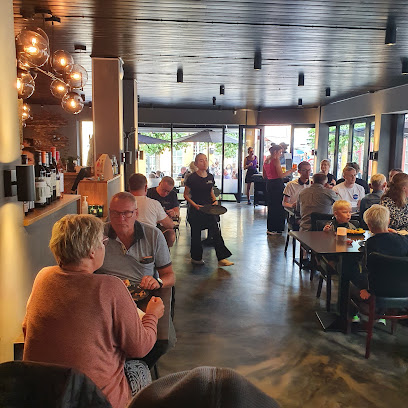
Efes Café & Restaurant
11.6 km
Cosy family‑run café‑restaurant in Rudkøbing’s old town, serving Turkish, Italian and Danish comfort food with a relaxed, easygoing atmosphere all year round.
Korea kaffebar
11.6 km
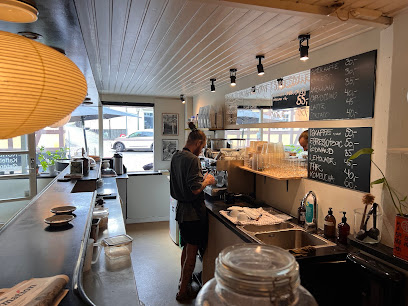
Cosy specialty coffee bar by Rudkøbing’s main square, serving light-roast brews, local baked goods and relaxed island atmosphere indoors and out.
Markets, malls and hidden boutiques

ANGELCENTRUM LANGELAND
8.0 km
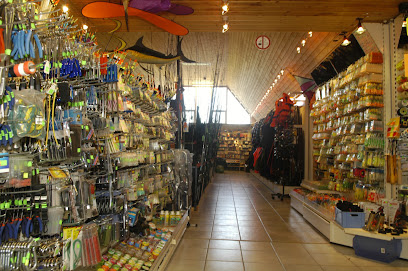
ANGELCENTRUM LANGELAND is Langeland’s top angling center, offering fishing gear, fresh bait, expert advice, and boat rentals near Spodsbjerg Harbor.
Butik
8.0 km
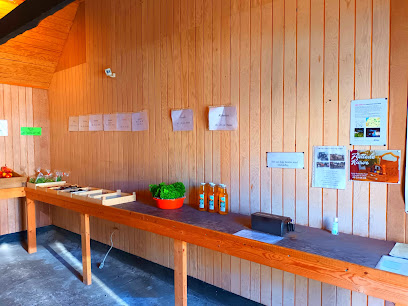
Unmanned island farm shop on Ravnerydvej 11, open 24/7 for honest, self-service shopping with fresh, seasonal produce from the fields of Langeland.
XL tøj - Tøj til store mænd - Shop online og fysisk
10.7 km
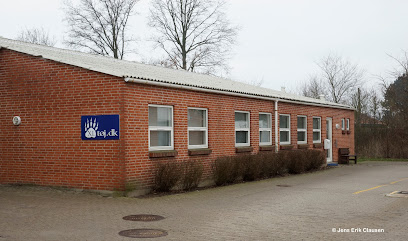
Specialist plus-size menswear store in Rudkøbing, focusing on comfortable fits, extended sizes and practical everyday styles for big and tall men.
Dansk
11.1 km
A contemporary clothing boutique in Rudkøbing offering wearable Scandinavian style, seasonal collections and practical wardrobe updates in a relaxed, local setting.
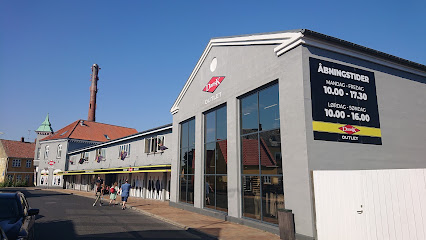
Pigekammeret v/Birgitte Nygaard Jensen
11.4 km
A cosy Rudkøbing boutique where Scandinavian-style gifts, home comforts and gourmet treats come together in one lovingly curated island shop.
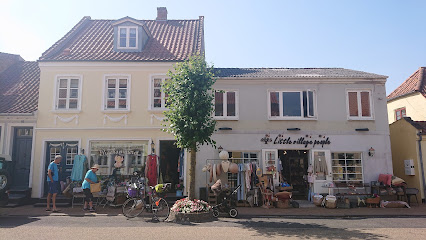
Littlevillagepeople.dk
11.4 km
A small, carefully curated design shop in Rudkøbing, blending children’s wear, toys, interiors, ceramics and yarn into one cozy slice of Scandinavian everyday style.
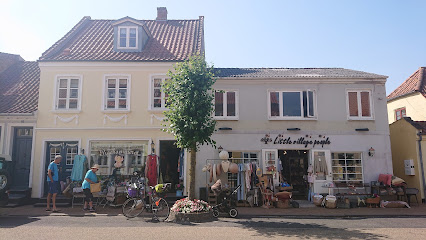
Skind og Uld Rudkøbing
11.4 km
Eco-tanned Icelandic sheepskins and wool in a historic Danish market town.
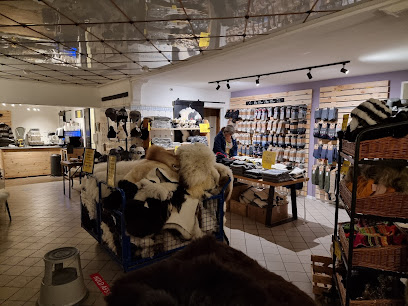
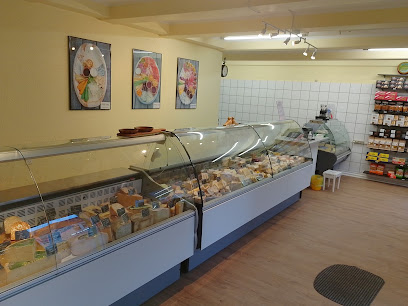
Ostehuset Rudkøbing
11.4 km
Artisanal cheese and wine shop celebrating Danish heritage and international flavors in historic Rudkøbing.
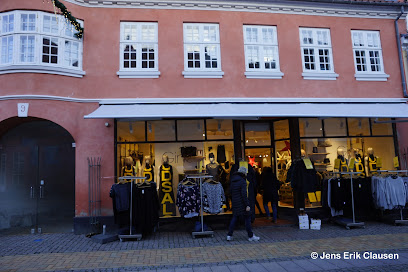
Gine Rudkøbing ApS
11.4 km
Cozy women’s fashion boutique on Rudkøbing’s main street, blending Scandinavian style with relaxed island atmosphere in a small, welcoming space.
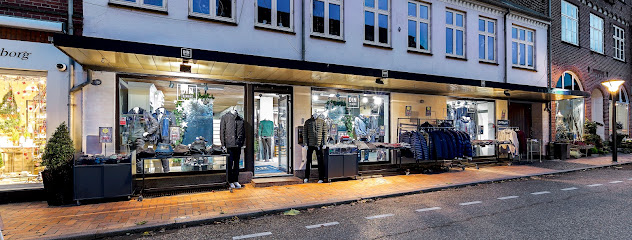
Tøjmanden Langeland
11.4 km
Expert menswear styling in the heart of Rudkøbing's charming island center.
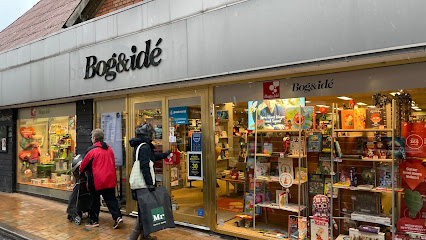
Books & Paper Rudkøbing
11.4 km
Cosy island bookshop on Rudkøbing’s main street, combining Danish literature, games and stationery with local-flavoured gifts and practical supplies for everyday life.
Butik Knag I/S
11.5 km
Cosy Rudkøbing specialty shop with liqueurs, gourmet treats and beautifully arranged gift baskets that add local flavour to your Langeland visit.
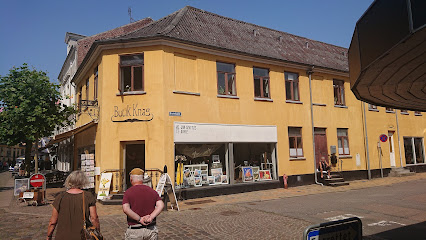
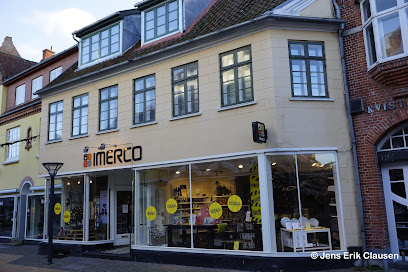
Imerco
11.5 km
Compact Danish homeware store on Rudkøbing’s main street, blending everyday kitchen essentials, stylish tableware and gift ideas for locals and island visitors.
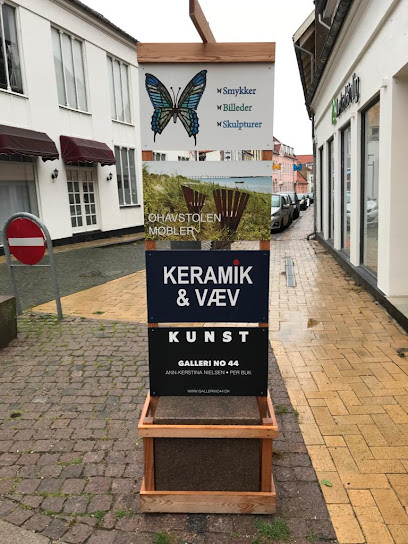
Kaj Hansen
11.5 km
Intimate goldsmith’s atelier and art-filled gallery in Rudkøbing, where handcrafted jewellery and local creativity capture the quiet spirit of Langeland.
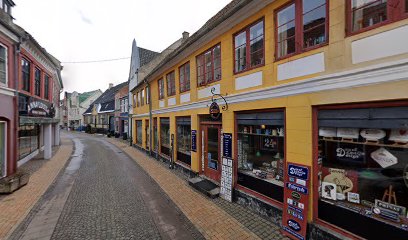
Købmandsgården-Tingstedet- v/Torbjørn Brun Madsen
11.5 km
Characterful antique shop in an 18th‑century merchant’s house in central Rudkøbing, where Langeland’s history is stacked on shelves, tables and timeworn beams.
Essential bars & hidden hideouts

Paa Drejet Beach Bar
8.8 km
Laid-back beach bar and grill by Drejet Beach on Langeland, pairing sea air, sand and simple comfort food in the heart of Spodsbjerg’s holiday‑home area.
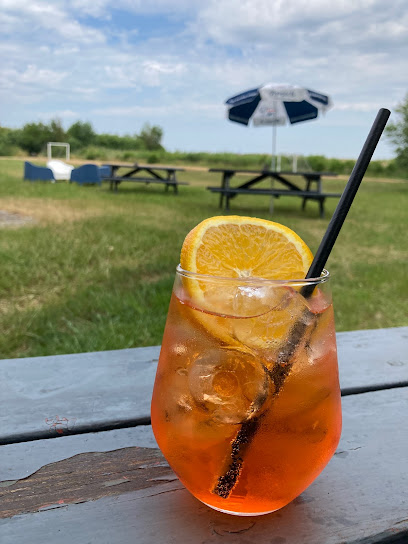
Basicbigband
11.1 km
Local big band headquarters in a quiet Rudkøbing neighbourhood, where brass, reeds and rhythm bring Langeland’s intimate jazz scene to life on select evenings.
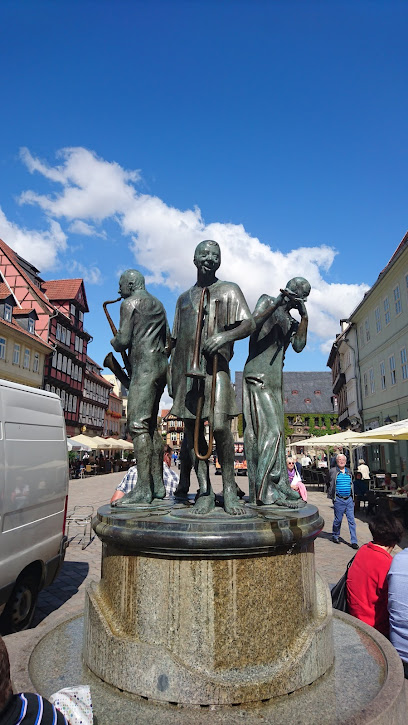
Langelands Jazzklub
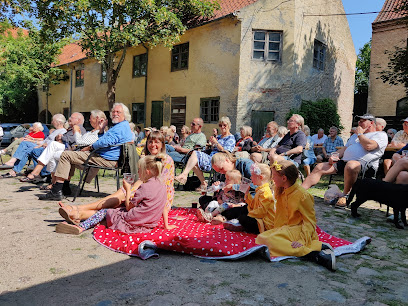
11.1 km
Tiny island jazz hub in Rudkøbing, blending close-up concerts, seasonal outdoor gigs and decades of Danish jazz heritage in a warm, community-run setting.
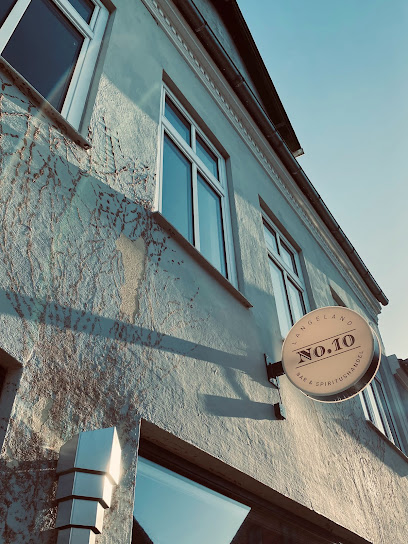
No. 10
11.3 km
Cozy, adults‑only lounge bar in a former butcher’s shop, serving Champagne, craft beer and cocktails with island hygge and a colourful courtyard in central Rudkøbing.
Kasket karl
11.5 km
A classic Rudkøbing bodega where locals gather for cold beer, warm conversation, and an authentic slice of island everyday life from morning to late evening.
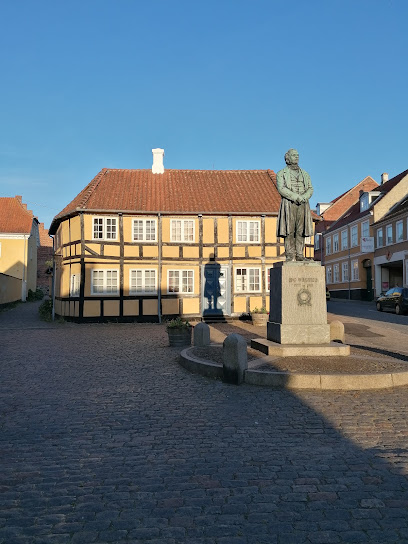
Sukker
11.5 km
Intimate wine bar where Danish heritage meets Nordic sophistication in historic Rudkøbing.
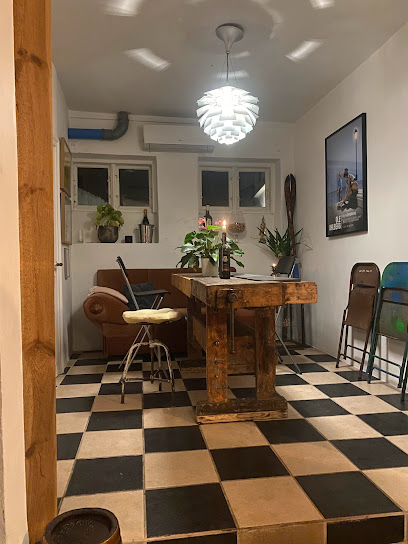
Dybendal
11.6 km
Easygoing local bar on Rudkøbing’s main square, blending billiards, darts and drinks with small‑town atmosphere and summer concerts on the cobbled Torvet.
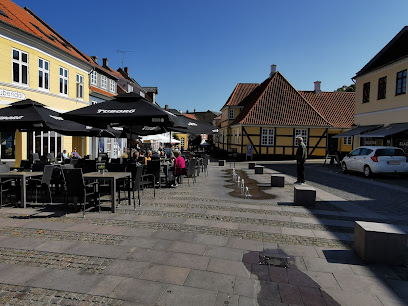
Havnekiosken v/Ole Damgaard Hansen
11.7 km
A tiny historic kiosk-bar on Rudkøbing’s harbor front, serving simple drinks and snacks with big maritime views and the easy rhythm of island harbor life.
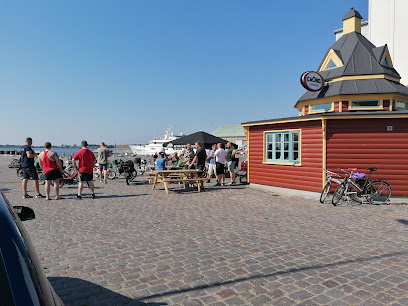
Havnekiosken 6kanten
11.7 km
Quirky octagonal harbour kiosk turned cosy café-bar, serving simple Danish fare and cold beer with front-row views of Rudkøbing’s boats and Langelandsbroen.
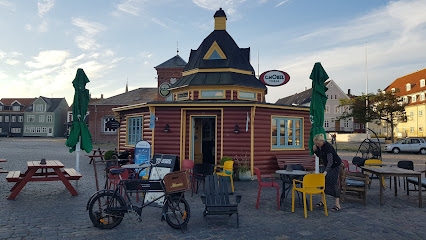
Marina's Sportslounge
15.4 km
Laid-back village sports bar in Tranekær, mixing live matches, simple small plates and a friendly Langeland local-pub feel.
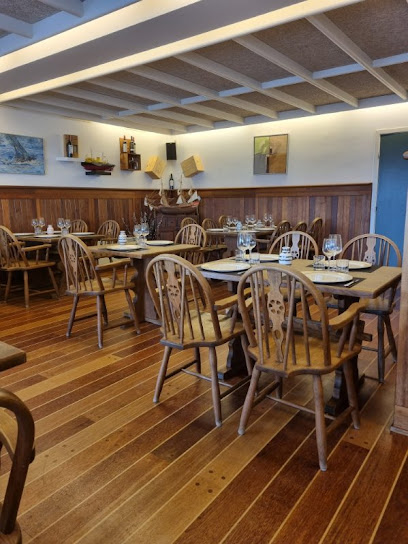
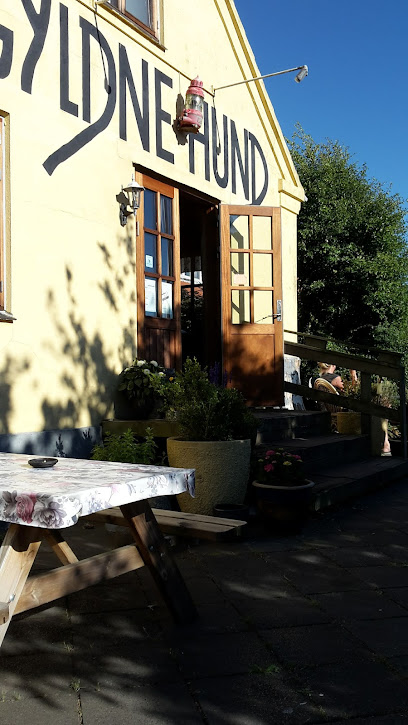
Den Gyldne Hund
15.5 km
Smoky, harbourfront pub in Lohals where locals, sailors and visitors share simple drinks, sea air and classic Danish værtshus atmosphere.
tøsingen ivs
16.3 km
Discover Tøsingen IVS, Svendborg's cozy bar offering a diverse selection of drinks in a warm, inviting atmosphere.
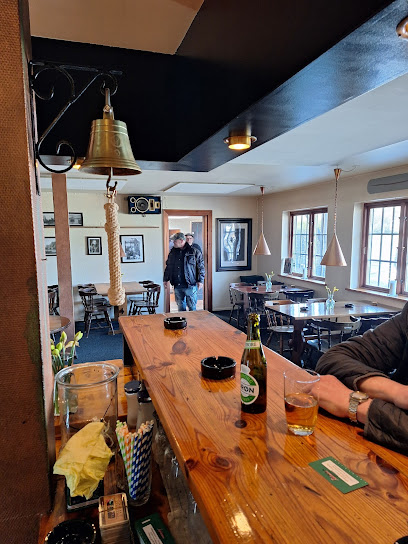
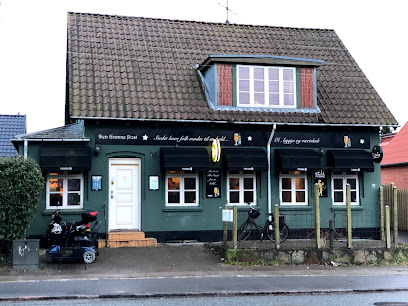
Grønne Post
16.4 km
Unpretentious neighborhood beer hall on Nyborgvej, where loud laughter, low prices, and everyday Svendborg life blend over cold draughts and casual company.
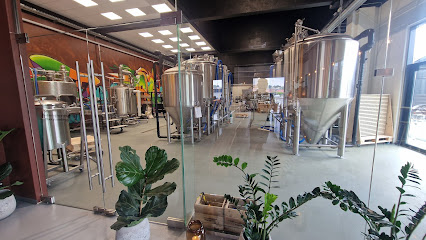
Svendborgsund Bryghus - Svendborg
16.6 km
Family-run South Funen microbrewery in a compact Svendborg tasting room, serving small-batch beers and organic lemonades with a relaxed, local feel.
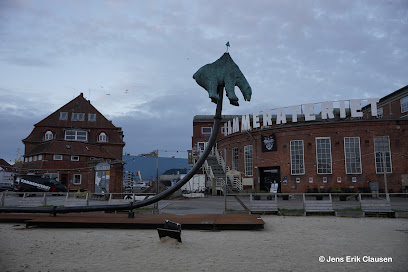
Spillestedet Kammerateriet
16.6 km
Creative cocktail bar and live venue in a converted harbor warehouse on Frederiksø, blending industrial charm, Nordic drinks and Svendborg’s waterfront nightlife.
Nightclubs & after hour spots

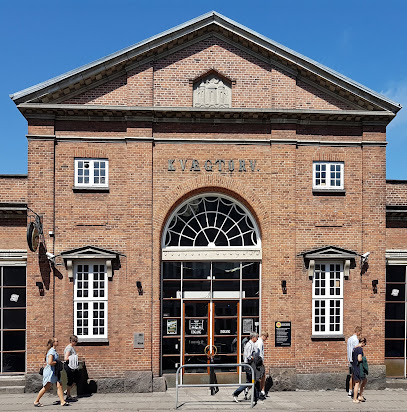
Crazy Daisy Svendborg
16.9 km
Compact, high-energy weekend nightclub in central Svendborg, serving mainstream beats, drinks and a sociable dance floor until the early hours.
CLUB ZANZI
25.5 km
High‑energy waterfront nightclub bringing big‑city beats, flashing lights and late‑night dancing to the heart of coastal Nakskov.
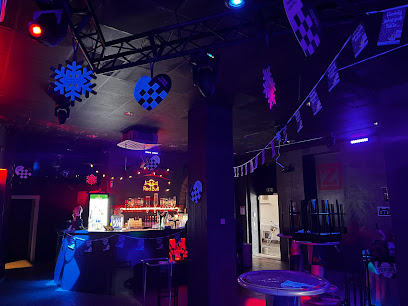
Ommel
27.5 km
A small, sociable island nightspot near Marstal where locals and travelers share quiet drinks, simple music and the easygoing charm of Ærø after dark.
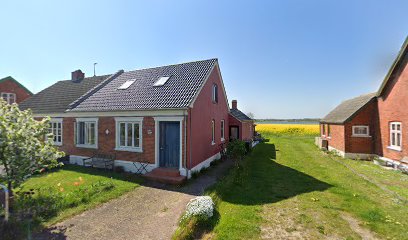
Muzirkus
34.6 km
Nyborg's independent music sanctuary where local bands rehearse, collaborate, and perform since 1974.
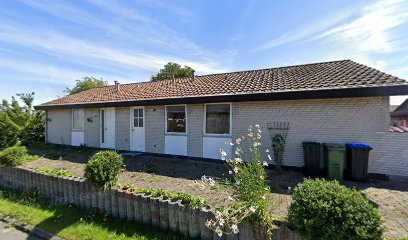
KJ's bodel
35.2 km
Laid‑back local nightspot on Nyborg’s main square, mixing simple drinks, sociable bar chatter and a compact dance floor in an unpretentious setting.
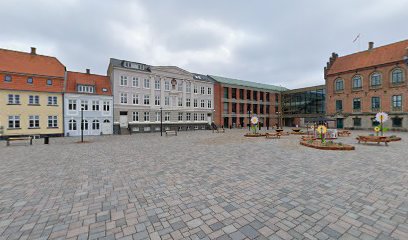
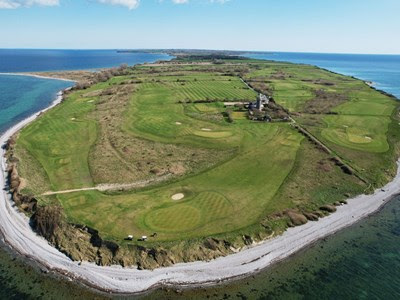
Ærø Golf Klub
41.5 km
Distinctive links course on Ærø’s northwest cape, blending historic lighthouse views, Nordic coastlines, and a classic Danish golfing challenge.
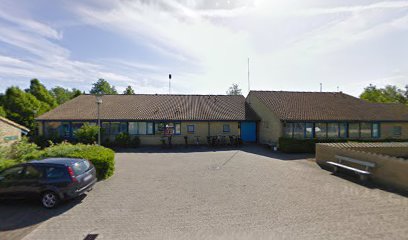
Dance Odense, Funen Square Dance Club
48.1 km
Community-driven square dancing in a cozy Odense neighborhood hall, where callers, patterns and shared rhythm turn an ordinary evening into a friendly social event.
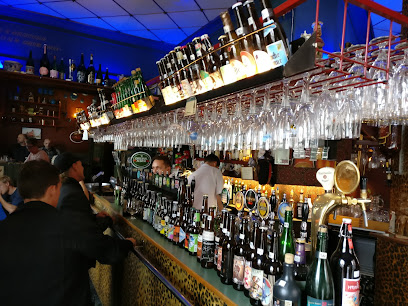
Carlsens Kvarter
52.7 km
Atmospheric pub in Odense C, offering unmatched hygge, an impressive selection of craft beers, and a welcoming local vibe in a characterful historic setting.
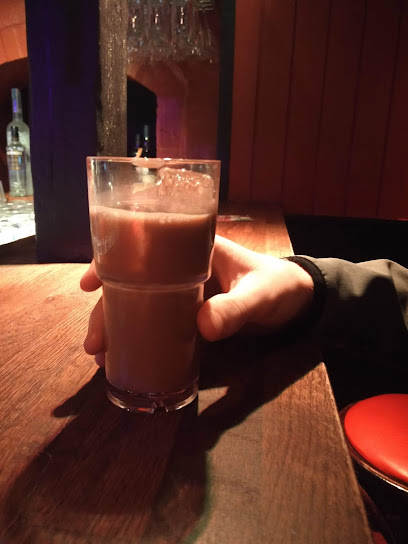
Den Brølende And
53.1 km
Experience the heart of Odense's nightlife at Den Brølende And, where music, dance, and camaraderie come alive.
BUTCHERS Odense
53.2 km
High-energy nightclub on Odense’s Overgade, mixing pounding bass, lights and late-night drinks in a central old-town setting steps from major sights.
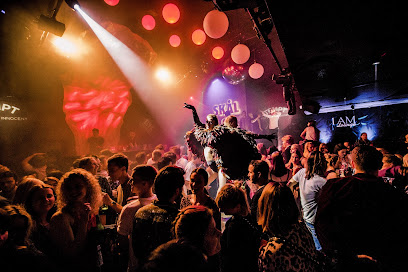
The Flower and the Bee
53.2 km
Odense's vibrant weekend dance bar where the city comes alive after dark.

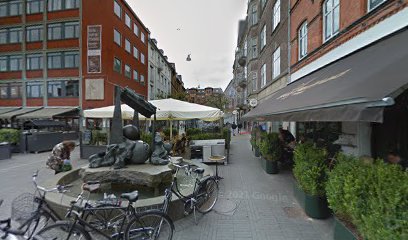
Dansebar Odense
53.3 km
Lively central Odense nightclub with mainstream hits, colorful lights and a sociable dance floor vibe from late evening into the early hours.
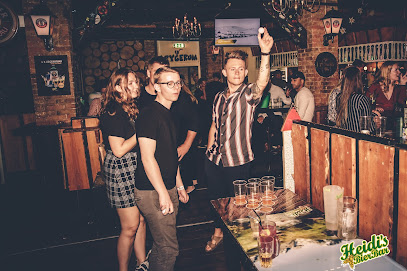
Heidi's Bier Bar Odense
53.3 km
Dance on tables, drink large beers, and celebrate Alpine-style year-round in Odense's most uninhibited nightclub.
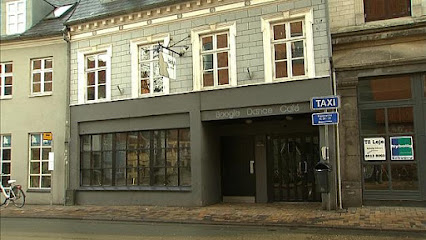
Boogie Dance Café
53.3 km
Odense's oldest disco where retro charm meets genuine community dancing.
Grand Bar & Lounge
53.4 km
Experience timeless elegance and expertly crafted cocktails at Odense's Grand Bar & Lounge, nestled within the historic First Hotel Grand.
For the vibe & atmosphere seeker
- Relaxing
- Tranquil
- Zen
- Scenic
- Fun-filled
- Unique
- Casual
- Boutique
For the design and aesthetic lover
- Rustic Designs
For the architecture buff
- Parks & Gardens
- Viewpoints
- Landmarks
For the view chaser and sunset hunter
- Iconic Views
- Panoramas
- Sunset Spots
For the social media creator & influencer
- Instagrammable
- Photo Spots
- Selfie Spots
- Reel-Friendly
- Architectural Shots
For the eco-conscious traveler
- Low Impact
- Public-Transport Accessible
- Locally Managed
- Wildlife Habitat
For the kind of experience you’re after
- Mindfulness
- Meditation Spot
- Spiritual / Energy Spot
- Cultural Heritage
- Photowalk
- Adventure Photo Shoot
- Nature Escape
- Day Trip
- Roadtrip Stop
- Weekend Getaway
- Festival / Event Nearby
For how adventurous you want the journey to be
- Easy Access
Location Audience
- Family Friendly
- Senior Friendly
- Child Friendly
- Teen Friendly
- Wheelchair Access
- Pet Friendly
- Solo Friendly
- Couple Friendly
- Solo Female Friendly
- Vegetarian Friendly
- Vegan Friendly


