Tranekær Slotsmølle Travel Guide
Free Guide: Historic hilltop windmill above Tranekær Castle, combining traditional milling heritage with a small seasonal museum and cosy café overlooking rural Langeland.


A brief summary of Tranekær Slotsmølle
Historic hilltop windmill above Tranekær Castle, combining traditional milling heritage with a small seasonal museum and cosy café overlooking rural Langeland.
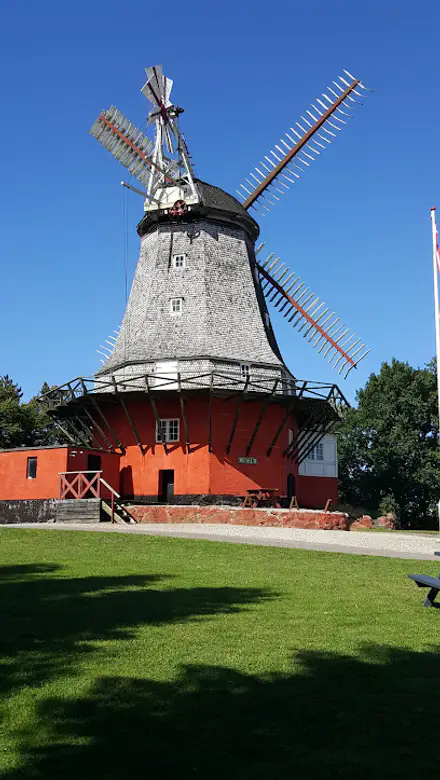
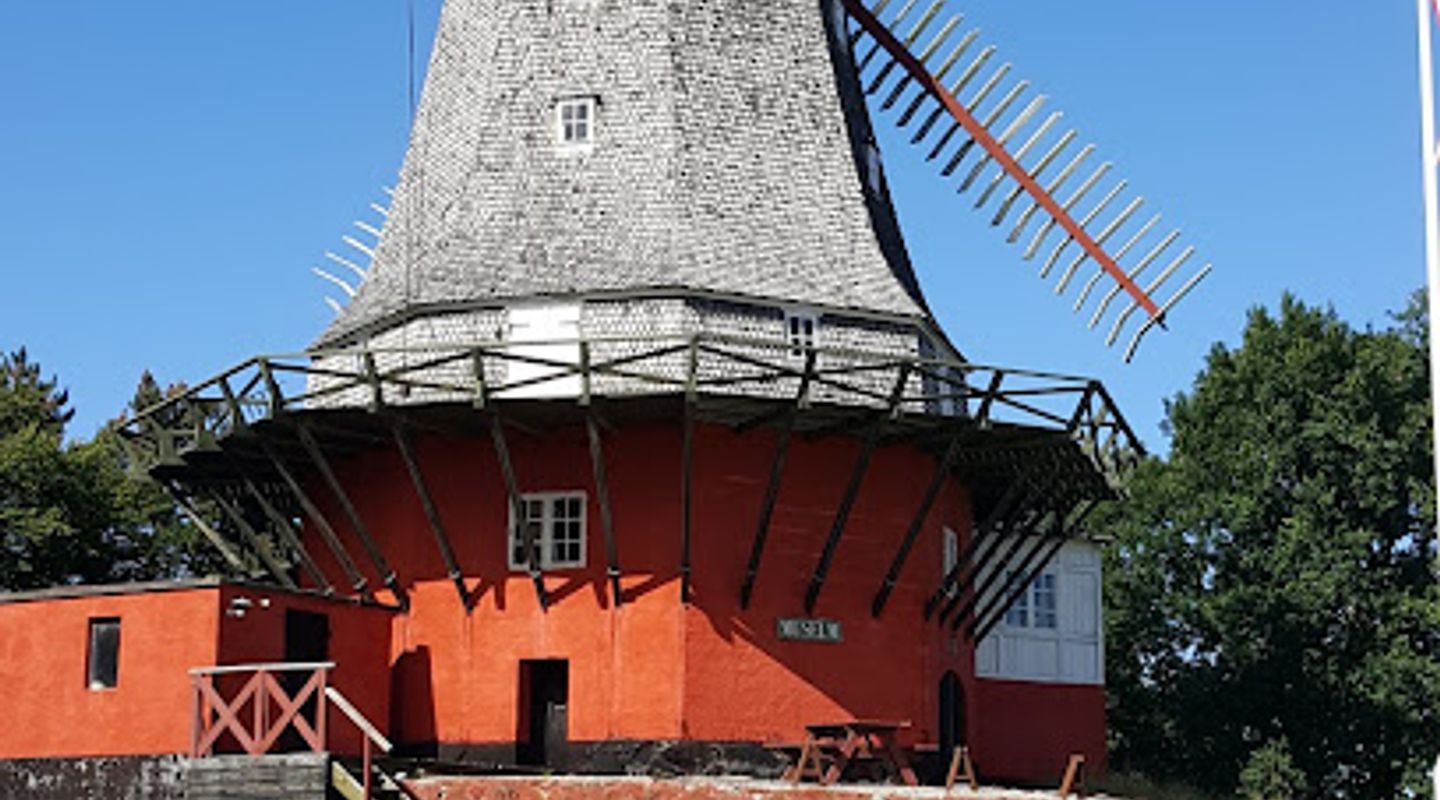
Crowning a low hill on the Danish island of Langeland, Tranekær Slotsmølle is a striking red-painted windmill overlooking the countryside near Tranekær Castle. Today the mill serves both as a small museum and a cosy seasonal café, where you can explore traditional milling machinery, period photos and local history before pausing over coffee and cake with views across fields, forest edges and the village rooftops.
On-site amenities
 Restrooms
 Drink options
 Food options
 Seating areas
 Trash bins
 Information boards
- Address
- Lejbøllevej 3, 5953 Tranekær
- Phone
- Website
Getting there
Car from Rudkøbing (Langeland’s main town)
Local bus from Rudkøbing to Tranekær
Bicycle from Rudkøbing along island backroads
Discover more about Tranekær Slotsmølle
A hilltop mill above Tranekær’s historic landscape
Tranekær Slotsmølle stands on a gentle rise just outside the village of Tranekær, its tall octagonal body and broad sails forming one of the area’s most recognisable silhouettes. From the hill you see patchwork fields, shelterbelts of trees and, in the distance, the outline of Tranekær Castle which once owned and operated the mill. The building’s vivid red cladding and white details make it instantly eye-catching against the softer tones of the Langeland countryside.Although no longer grinding grain, the mill preserves the atmosphere of a working rural landmark. Its position was chosen to catch the island’s winds, and on breezy days you can almost imagine the slow turning of sails that once powered everyday life for nearby farms and the castle estate.
From working machinery to intimate museum
Inside, the lower levels reveal a compact world of beams, gears and shafts that once translated the wind’s energy into flour. Heavy timbers, worn steps and iron fittings show how robustly the mill was built to withstand both storms and constant motion. Interpretation panels and displays explain the function of the different floors and how grain moved through the system from sack to finished product.The upper museum level adds context with old photographs, tools and documents illustrating the era when mills were essential infrastructure rather than romantic backdrops. You get a sense of the mill’s role in local trade, its connection to the castle’s tenants and the gradual decline of traditional milling as modern technology took over.
A café with a sense of village tradition
During the summer opening period, the mill doubles as a simple but atmospheric café. Tables are tucked into rooms that still feel like working spaces; the scent of coffee and freshly baked cake replaces the old aroma of grain dust and oil. It is an easy place to linger, listening to the creak of the structure in the wind and the muffled voices of visitors exploring the museum above.The offering is deliberately modest: coffee, tea, soft drinks or a beer, often accompanied by classic Danish cakes. This low-key setup suits the surroundings, inviting you to slow down and enjoy the view from the hill rather than rush on to the next sight.
Linked stories of castle, village and countryside
Tranekær Slotsmølle is closely woven into the story of Tranekær itself. The castle, village and surrounding farmland formed a single estate world, and the mill acted as one of its practical engines. Many of the people who once brought grain here lived in the half-timbered houses and farms you still see lining the nearby lanes.Exploring the mill helps make sense of the wider cultural landscape: the economic dependence on agriculture, the hierarchy between castle and tenants, and the ways in which wind, soil and sea shaped life on Langeland. The mill is one of several small attractions in and around Tranekær that together create a surprisingly rich picture of this corner of Denmark.
Seasonal highlights and local initiatives
In addition to the summer season, the mill comes alive on selected winter dates for a special Christmas opening, when the interior is decorated and the focus turns to warmth, candles and festive treats. Local volunteers are closely involved in keeping the building maintained and in sharing its story with visitors.Because the opening hours are seasonal and often linked to specific events, it is worth checking current details before planning a dedicated visit. Even when closed, however, the mill remains an attractive destination for a short walk up the hill, offering a quiet, wind-brushed vantage point over Tranekær’s gently undulating countryside.
Planning your visit to Tranekær Slotsmølle
A visit to the mill typically combines well with time at Tranekær Castle’s grounds, nearby art installations and walks through fields and small woodlands. The approach is on a minor country road, and the immediate area feels rural and unhurried. Allow enough time not just to see the exhibits but also to enjoy the views, the café and the sense of stepping briefly into an earlier, slower rhythm of island life.With its mix of tangible machinery, modest exhibits and a welcoming café atmosphere, Tranekær Slotsmølle offers a compact but satisfying glimpse into Denmark’s milling heritage on one of the country’s most characterful islands.
Evendo Review Centre
 Google
Guest reviews
Best time to go
Quietest: Jan, Feb & Mar · before 8am or at 8pm
Busy times are Evendo estimates for a typical year, to help you plan. Actual crowds vary with events, school holidays and the weather.
Explore Tranekær Slotsmølle on the map
A handpicked selection of must-see spots near Tranekær Slotsmølle, mapped for you.
Get your free copy of our complete guide to Tranekær Slotsmølle, delivered straight to you.
Everything on this page, from opening hours and how to get there to Eve’s tips and the best time to go, in one PDF you can read offline, print or share.
Already have an account? Sign in
Your Tranekær Slotsmølle guide is ready.
We'll send it to · Not you? Sign out

Getting your guide ready…
We are putting together a fresh copy of the Tranekær Slotsmølle guide. This can take up to a minute.
This can take a few moments. If your browser asks, choose Allow so the download can start. You'll find the guide in your Downloads folder.
Nothing happened? Download it again
Sorry, the guide is taking longer than usual. Please try again in a minute, or get it by email instead.
Other nearby places you may find interesting
The closest places of the same kind, if this one is not quite what you had in mind.
-
-
-
-
-


Swipe for more places
More to explore near Tranekær Slotsmølle

 Best experiences near Tranekær Slotsmølle
 Best hotels near Tranekær Slotsmølle
 Best landmarks near Tranekær Slotsmølle
 Best attractions near Tranekær Slotsmølle
 Best shops near Tranekær Slotsmølle
 Best restaurants near Tranekær Slotsmølle
 Best bars near Tranekær Slotsmølle
Do you manage this location?
Take control to get all the benefits, like improved information, better appearance, and stronger visibility across AI-powered discovery.
Explore more

Explore more of Langeland
Discover Langeland: Denmark's idyllic island retreat with scenic landscapes, rich history, and vibrant culture. Perfect for nature lovers, history buffs, and festival goers.
Explore Langeland
Explore more of Denmark
Discover Denmark: A perfect blend of history, modern design, and the cozy concept of hygge. Explore vibrant cities, serene landscapes, and world-class cuisine.
Explore Denmark