

Bløden Hale og Danzigmand Travel Guide
Free Guide: Wild dunes, growing sandspits and wide salt meadows at the ever-changing eastern tip of Læsø, where birds, seals and wind-shaped landscapes set the scene.


A brief summary of Bløden Hale og Danzigmand
Wild dunes, growing sandspits and wide salt meadows at the ever-changing eastern tip of Læsø, where birds, seals and wind-shaped landscapes set the scene.
Bløden Hale and Danzigmand form the wild, wind-shaped eastern tip of Læsø, a protected nature preserve where new land is still being created. Here shifting dunes, heather, salt meadows and long, empty beaches meet the Kattegat, with exceptional birdlife and good chances of spotting seals on nearby sandbanks. Marked hiking routes let you explore the youngest land in Denmark in a landscape that feels both fragile and untamed.
On-site amenities
 Trash bins
 Information boards
 Seating areas
- Address
- 9940 Læsø Municipality
- Website
Getting there
Car from Vesterø Havn on Læsø
Car from Østerby on Læsø
Bicycle from Østerby
Local bus and walking
Discover more about Bløden Hale og Danzigmand
Shaping the youngest land in Denmark
Bløden Hale and the great dune of Danzigmand mark the far eastern edge of Læsø, a place where you can literally watch geography in motion. The spit of Bløden Hale is one of Denmark’s fastest-growing stretches of coast, extending several metres southward each year as waves and currents pile up sand and gravel in long beach ridges. Walking here, you tread on land that did not exist a generation ago, with fresh ridges near the tip and older, higher banks inland hinting at earlier shorelines.The contrast with Læsø’s eroding north coast is striking. While the sea eats into some shores, here it constructs new ones in a dynamic pattern of bars, lagoons and low dunes. At high tide the water often lies glassy and still inside the sheltered bays, while at low tide vast shallows glint in the sun, exposing seaweed, shells and the tracks of shorebirds criss-crossing the wet sand.
Dunes, heath and salt-soaked meadows
Behind the white sandy beach at Danzigmand, the landscape rises into steep, pale dunes that give wide views over sea and heath. The klit itself takes its name from a ship that ran aground here in the 18th century, a reminder that this beautiful coast has always been demanding for sailors. Inland from the outer dunes, the land softens into heather-clad moor, wet hollows and small pockets of birch scrub shaped by salt-laden winds.Closer to Bløden Hale the vegetation thins out and merges into bright green salt meadows. In summer these pastures are speckled with low-growing, salt-tolerant plants, from sea aster and glasswort to more delicate species typical of strandeng habitats. Grazing cattle help keep the meadows open, and their presence is part of the traditional coastal landscape. In the drier dune areas, lichens, marram and scattered grasses bind the sand, shifting colour with the seasons from silvery grey to warm gold.
A haven for birds and seals
The entire east coast of Læsø is important for wildlife, and this preserve is particularly rich in birds. During spring and autumn migration, the sky and shoreline fill with movement as waders, terns and small songbirds pause here on long journeys along the flyway. Shallow bays and exposed tidal flats offer feeding for dunlin, ringed plover and redshank, while the dune ridges give vantage points for spotting hunting raptors.Offshore, low reefs and sandbanks are favoured haul-out spots for harbour seals. With a bit of patience, you can often see sleek heads bobbing beyond the waves or whole groups basking in the sun on distant bars. The relative absence of buildings and artificial light in this part of the island adds to the sense of being in a shared, semi-wild space where tides, weather and animal life still set the rhythm.
Stories in the sand and sea
For a landscape that looks so untouched, the area holds layers of human history. Place names like Danzigmand and Syrsig preserve memories of shipwrecks, wet grazing grounds and long-vanished uses of the land. On summer days local fishermen still work the inshore waters, echoing older traditions of life tied closely to the sea. Here and there you may notice simple seasonal huts or traces of former structures on stilts near Bovet Bay, reflecting a way of living that adapted nimbly to flooding and shifting ground.The present-day nature protection came only after long debate, ensuring that most of the coastline here remains free from dense holiday home development. As a result, you experience a rare continuity of open dunes, heath and meadow, more reminiscent of an earlier North Sea and Kattegat seascape than of a modern resort coast.
Walking into wide horizons
Exploring Bløden Hale and Danzigmand is above all a walking experience. Simple paths and sandy tracks lead through heather, over dunes and along the surf line, with a circular route around the spit offering shifting views of outer coast and sheltered bay. Underfoot, the sand can be soft and uneven, and in windy weather the exposed sections feel raw and exhilarating, while the leeward sides of the dunes offer sheltered corners to sit and listen to the waves.Because this is a protected area, access is uncomplicated but comes with responsibility. Staying on marked routes where they exist, avoiding disturbance of nesting birds on the outer flats, and carrying your litter back out all help keep the environment as unspoiled as it appears. With little in the way of built facilities, every crunch of dry marram and splash of wave on shingle stands out, and the long horizons invite you to slow down and simply watch land, sea and sky shifting through the day.
Evendo Review Centre
 Google
Guest reviews
Best time to go
Quietest: Jan, Feb & Dec · before 6am or from 9pm
Busy times are Evendo estimates for a typical year, to help you plan. Actual crowds vary with events, school holidays and the weather.
Explore Bløden Hale og Danzigmand on the map
A handpicked selection of must-see spots near Bløden Hale og Danzigmand, mapped for you.
Get your free copy of our complete guide to Bløden Hale og Danzigmand, delivered straight to you.
Everything on this page, from opening hours and how to get there to Eve’s tips and the best time to go, in one PDF you can read offline, print or share.
Already have an account? Sign in
Your Bløden Hale og Danzigmand guide is ready.
We'll send it to · Not you? Sign out

Getting your guide ready…
We are putting together a fresh copy of the Bløden Hale og Danzigmand guide. This can take up to a minute.
This can take a few moments. If your browser asks, choose Allow so the download can start. You'll find the guide in your Downloads folder.
Nothing happened? Download it again
Sorry, the guide is taking longer than usual. Please try again in a minute, or get it by email instead.
Other nearby places you may find interesting
The closest places of the same kind, if this one is not quite what you had in mind.
-
-
-
-
-


Swipe for more places
More to explore near Bløden Hale og Danzigmand
-
 Best experiences near Bløden Hale og Danzigmand
-
 Best hotels near Bløden Hale og Danzigmand
-
 Best landmarks near Bløden Hale og Danzigmand
-
 Best attractions near Bløden Hale og Danzigmand
-
 Best shops near Bløden Hale og Danzigmand
-
 Best restaurants near Bløden Hale og Danzigmand
-
 Best bars near Bløden Hale og Danzigmand


Do you manage this location?
Take control to get all the benefits, like improved information, better appearance, and stronger visibility across AI-powered discovery.
Explore more
Explore more of Læsø
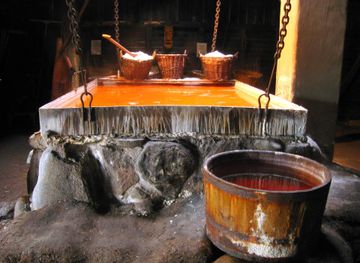
Læsø: Discover Denmark's serene island escape with its tranquil beaches, rich cultural heritage, unique saltworks, and delicious seafood cuisine.
Explore Læsø
Explore more of Denmark
Discover Denmark: A perfect blend of history, modern design, and the cozy concept of hygge. Explore vibrant cities, serene landscapes, and world-class cuisine.
Explore Denmark
