

Fiskerihavnens forpost Travel Guide
Free Guide: A modest harbor outpost on Læsø where working fishing boats, wide Kattegat horizons and shifting light reveal the island’s authentic maritime character.


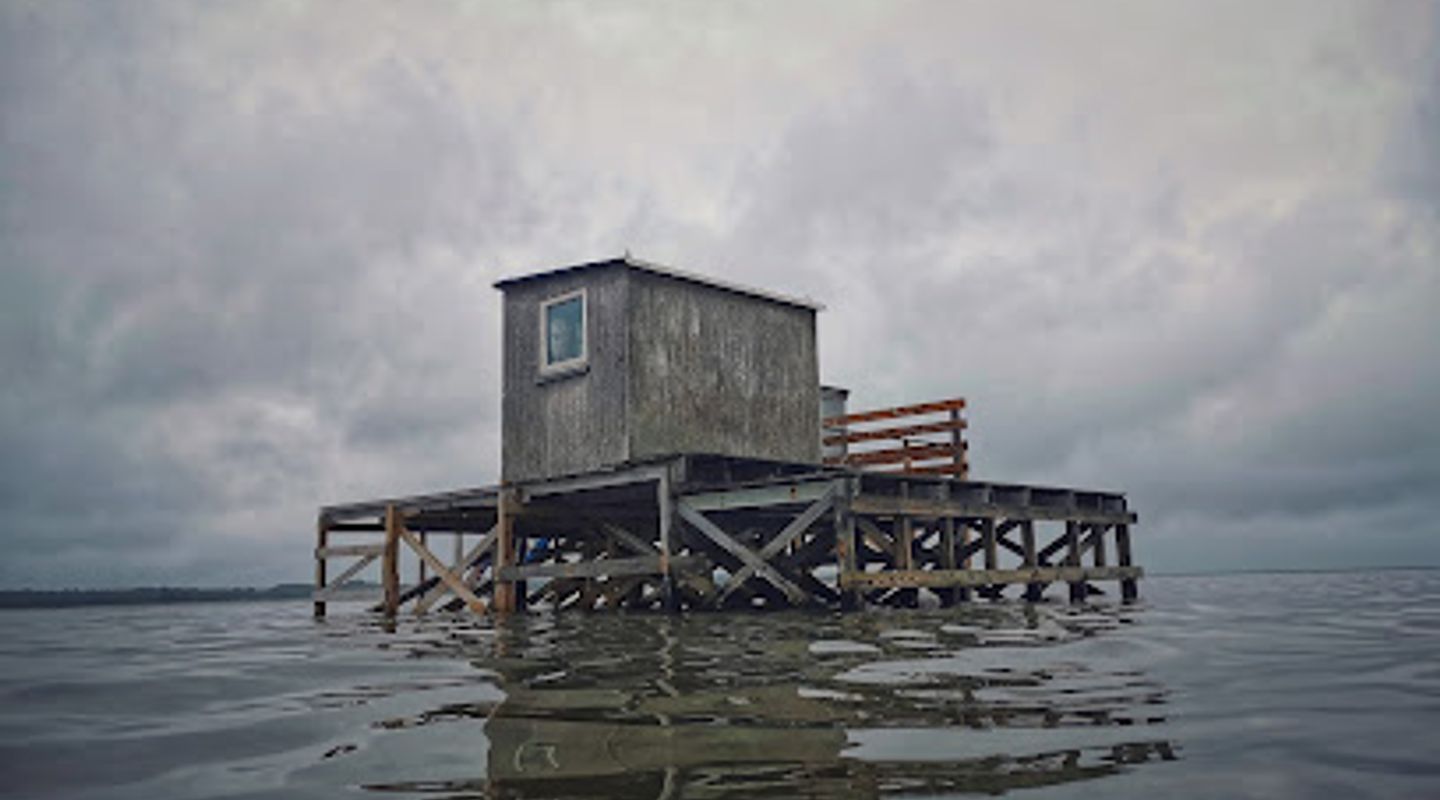
A brief summary of Fiskerihavnens forpost
A modest harbor outpost on Læsø where working fishing boats, wide Kattegat horizons and shifting light reveal the island’s authentic maritime character.
Fiskerihavnens Forpost is a small maritime lookout and coastal spot on Læsø, facing the working fishing harbor and the open Kattegat. Here you get close to the island’s seafaring life: blue cutters, stacked gear, sea birds and the constant scent of saltwater. It is an outdoor place for slow strolls, simple contemplation and watching the rhythm of boats coming and going rather than a built-up attraction, ideal as a short, atmospheric stop on a wider exploration of Læsø’s harbors and fishing culture.
On-site amenities
 Trash bins
 Information boards
 Seating areas
Opening hours
- Mon–SatClosed
- Sun9 am–5 pm
Opening hours as listed on the venue’s Google Business Profile. Hours can change for services and special events, so check with the venue before you go.
- Address
- 75R2+H4, 9940 Læsø
Getting there
Ferry and taxi from Frederikshavn
Local bus on Læsø
Bicycle from nearby villages
Discover more about Fiskerihavnens forpost
A quiet outpost at the edge of Læsø’s fishing harbor
Fiskerihavnens Forpost sits on the outer edge of one of Læsø’s working harbors, where the solid structures of quays and breakwaters meet the open Kattegat. This is not a theme-park attraction but a simple maritime outpost: low harbor walls, scattered mooring bollards, coiled ropes and a clear view across the water. Fishing vessels, service boats and small leisure craft drift in and out, giving a sense that this is first and foremost a place of work, with visitors welcomed as observers.The name “Forpost” – outpost – fits the location. It feels like a small lookout point standing guard over the entrance to the fishing basin, a last finger of land before the sea. On clear days the horizon stretches in a flat line, with the light shifting constantly as clouds move across the Kattegat. Even on a short visit, you can sense how closely life on Læsø is tied to the water.
Everyday scenes from a living fishing community
This corner of the harbor offers a front-row view of daily routines that usually stay hidden from casual travelers. Early in the day you may see blue cutters returning from the fishing grounds, crew members handling lines and unloading their catch. Pallets, crates and gear pile up along the quayside, telling stories of langoustines, fish and shellfish that underpin the island’s food culture.You are close enough to hear winches, engines idling and short shouts between crew and shore. Gulls circle overhead, hoping for scraps, while cormorants and other seabirds rest on posts and breakwater stones. The combination of working harbor soundscape and open seascape makes this a strong place to understand how Læsø’s economy and traditions have grown from the sea.
Light, weather and the changing character of the sea
Because Fiskerihavnens Forpost is so exposed, the experience changes dramatically with the weather. In calm conditions the harbor water can be mirror-smooth, reflecting the hulls of moored boats and the pale northern sky. Mild days invite you to linger, lean against a railing and simply watch the slow choreography of vessels and waves.When wind picks up, the atmosphere becomes more dramatic. Flags snap, halyards clink against masts and the breakwater takes the first force of incoming waves. Cloud banks racing over the flat horizon create vivid contrasts of grey and silver. Even brief visits can feel memorable here, as the open setting makes it easy to sense how quickly conditions can shift in the Kattegat.
A simple stop on a broader exploration of Læsø
The outpost itself is compact, so most travellers combine it with a wider walk around the adjacent harbor and nearby seaside paths. Short detours along the quays reveal more boats, sheds and industrial buildings tied to the island’s fishing and seafood production. In the distance, you may glimpse ferries or cargo vessels heading to and from the mainland, underlining Læsø’s island character.There is no elaborate infrastructure at the Forpost, but that simplicity is part of its appeal. It rewards those who are curious about working coastal landscapes and who enjoy observing details: the paint on a hull, the pattern of ropes on a deck, or the distinctive silhouette of a cutter heading back to sea.
Moments of calm and reflection by the water
For many, Fiskerihavnens Forpost becomes a place to pause rather than to rush through. Benches or low edges along the harbor provide informal seating, and the constant movement on the water encourages quiet reflection. The open view, fresh sea air and distant sounds of work create a form of maritime calm, different from a beach but equally rooted in the elements.Whether you stay for ten minutes or an hour, this modest outpost gives a clear sense of Læsø’s relationship with the sea. It is a small but telling window into an island where fishing, boats and the horizon remain part of everyday life, not just a nostalgic memory.
Evendo Review Centre
 Google
Guest reviews
Best time to go
Quietest: Jan, Feb & Nov · before 5am or from 9pm
Busy times are Evendo estimates for a typical year, to help you plan. Actual crowds vary with events, school holidays and the weather.
Explore Fiskerihavnens forpost on the map
A handpicked selection of must-see spots near Fiskerihavnens forpost, mapped for you.
Get your free copy of our complete guide to Fiskerihavnens forpost, delivered straight to you.
Everything on this page, from opening hours and how to get there to Eve’s tips and the best time to go, in one PDF you can read offline, print or share.
Already have an account? Sign in
Your Fiskerihavnens forpost guide is ready.
We'll send it to · Not you? Sign out

Getting your guide ready…
We are putting together a fresh copy of the Fiskerihavnens forpost guide. This can take up to a minute.
This can take a few moments. If your browser asks, choose Allow so the download can start. You'll find the guide in your Downloads folder.
Nothing happened? Download it again
Sorry, the guide is taking longer than usual. Please try again in a minute, or get it by email instead.
Other nearby places you may find interesting
The closest places of the same kind, if this one is not quite what you had in mind.
-
-
-
-
-


Swipe for more places
More to explore near Fiskerihavnens forpost

 Best experiences near Fiskerihavnens forpost
 Best hotels near Fiskerihavnens forpost
 Best landmarks near Fiskerihavnens forpost
 Best attractions near Fiskerihavnens forpost
 Best shops near Fiskerihavnens forpost
 Best restaurants near Fiskerihavnens forpost
 Best bars near Fiskerihavnens forpost
Do you manage this location?
Take control to get all the benefits, like improved information, better appearance, and stronger visibility across AI-powered discovery.
Explore more
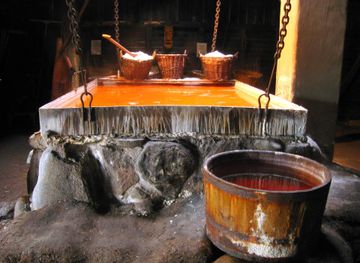
Explore more of Læsø
Læsø: Discover Denmark's serene island escape with its tranquil beaches, rich cultural heritage, unique saltworks, and delicious seafood cuisine.
Explore Læsø
Explore more of Denmark
Discover Denmark: A perfect blend of history, modern design, and the cozy concept of hygge. Explore vibrant cities, serene landscapes, and world-class cuisine.
Explore Denmark
