Horneks Odde Travel Guide
Free Guide: Windswept headland on Læsø’s north coast where seaweed-roofed lobster huts, open seascapes and quiet wildlife watching bring the island’s maritime past to life.


A brief summary of Horneks Odde
Windswept headland on Læsø’s north coast where seaweed-roofed lobster huts, open seascapes and quiet wildlife watching bring the island’s maritime past to life.
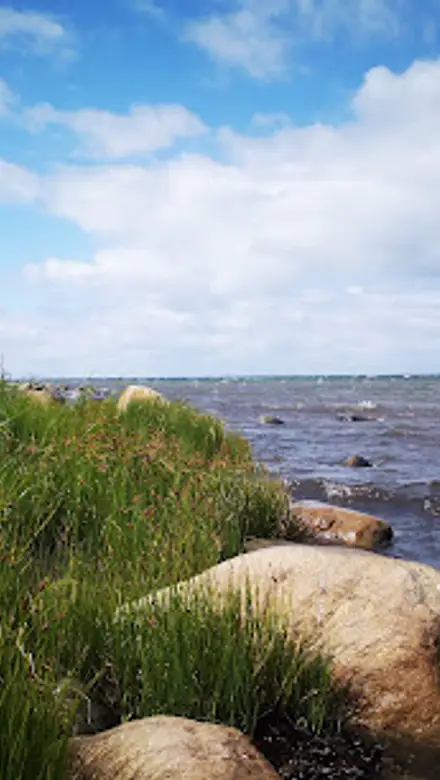
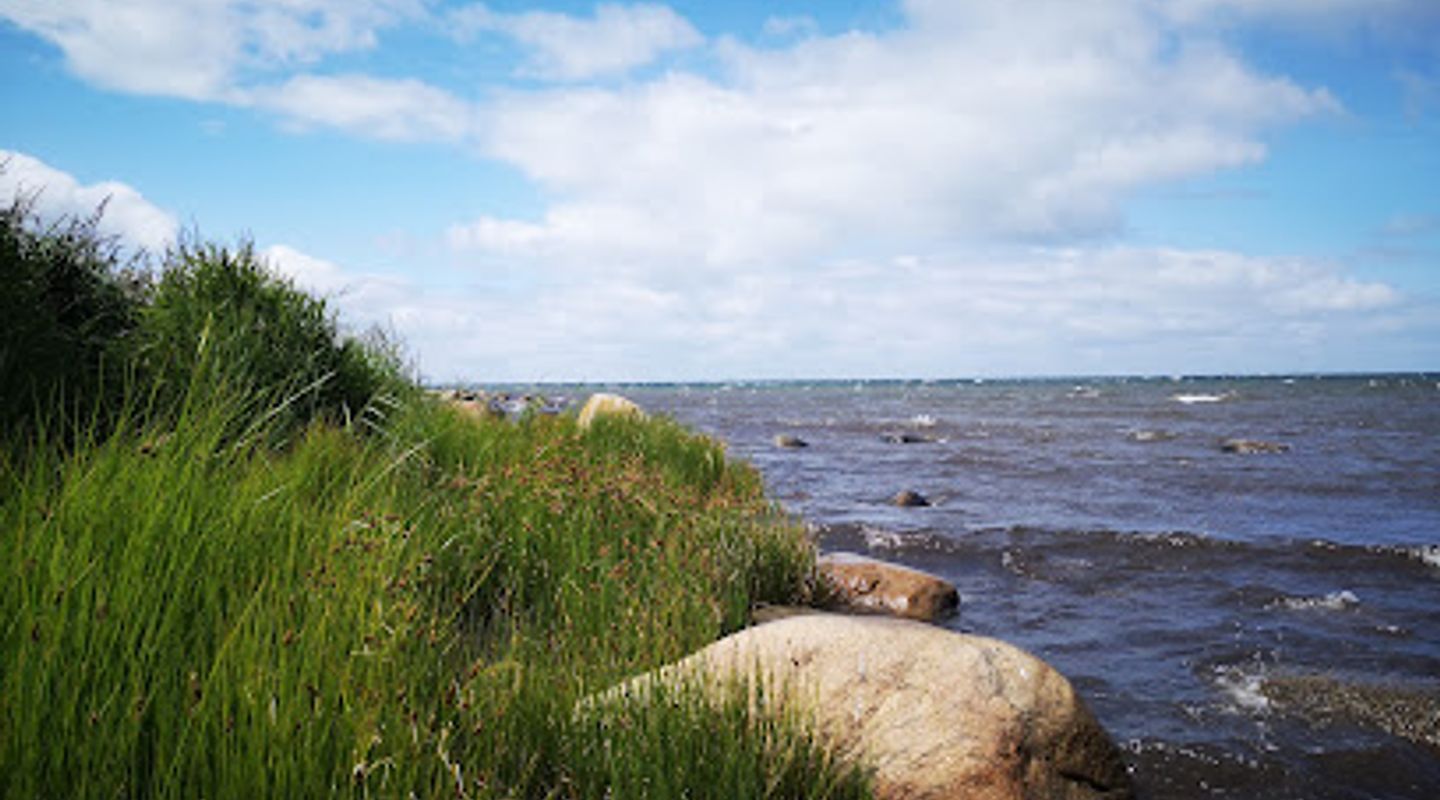
Horneks Odde is a windswept headland on Læsø’s north coast, best known for its surviving lobster huts that once sheltered local fishermen. Here the North Sea light, low dunes and seaweed-roofed sheds create a quietly dramatic scene, with views towards the Nordre Rønner islets and their lighthouse. Today the area combines maritime history with raw coastal nature, offering bird and seal watching, shoreline walks, sea trout fishing and a small exhibition house with basic facilities.
On-site amenities
 Restrooms
 Seating areas
 Picnic areas
 Information boards
 Trash bins
- Address
- Horneksvejen, 9940 Læsø
Getting there
Ferry and bicycle from Frederikshavn via Vesterø Havn
Car and short walk from Vesterø Havn
Local bus and walking on Læsø
Discover more about Horneks Odde
Seaweed Roofs and Stories of the Lobster Fishermen
Horneks Odde sits on the rugged north coast of Læsø, where wind, salt spray and soft dunes frame a small cluster of simple wooden huts. These are the island’s famous lobster huts, once used by fishermen who came here in the early 20th century to catch black lobster from small open boats. Built from driftwood, wreck timber and whatever the sea washed ashore, they are capped with thick seaweed roofs, echoing Læsø’s unique tradition of using eelgrass as hardy, insulating thatch.Inside, the huts were as modest as their exteriors suggest: a bunk or two, a table, a chair and a kettle were enough for men who might stay for days while the weather and the sea dictated their rhythm. Where there were once perhaps eight to ten huts scattered along the shore, only a couple remain today, one of them arranged as a small exhibition that explains the local fishing culture and the challenges of working this exposed coast.
A Headland Shaped by Wind, Light and Sea
The character of Horneks Odde is defined as much by nature as by history. The headland pushes out into the Kattegat, creating a sense of standing at the very edge of Læsø. Low heaths, grasses and scattered dunes run down to a stony beach, while the sea here is restless, marked by currents that have long made this a notable fishing spot.On clear days the views stretch northwards to the low silhouettes of the Nordre Rønner islets. With a pair of installed binoculars you can pick out the 19th-century lighthouse on one of the outer skerries, a reminder of the shipping lanes that slice past the island. The light shifts constantly over sea and sky; clouds race by, and in summer evenings the long northern twilight adds a soft glow to the lobster huts and shoreline.
Wildlife Encounters Along the Shore
Horneks Odde is also valued as a quiet vantage point for wildlife watching. From the headland you can often see cormorants drying their wings on offshore rocks and various seabirds tracing the waterline in search of food. With patience and a bit of luck, seals may be spotted resting on distant skerries or bobbing in the swell just offshore, their rounded heads briefly breaking the surface.The surrounding waters and underwater plateaus attract sea trout, making the area popular with dedicated anglers who wade out from the shore or cast along the current edges. Even without a fishing rod, the brisk air, tang of salt, and soundtrack of breaking waves create a refreshing escape from the island’s villages and roads.
Hornekshuset and Coastal Interpretation
A small building known as Hornekshuset serves as a focal point for learning about the local marine environment. Here an exhibition uses posters, simple displays and video to introduce the sea nature around Læsø, from currents and seabed habitats to birdlife and marine species. It links what you see outside with the broader ecological story of the Kattegat and the island’s dependence on the sea.Practical touches make it easier to linger: there are toilets tucked near the building and table-and-bench sets where you can sit, shelter a little from the wind and take in the horizon. This mix of basic comfort and minimal development fits the spirit of Horneks Odde, which remains more a place to observe and reflect than a fully structured attraction.
Moments of Quiet on the Edge of Læsø
A visit here is rarely rushed. Many people combine a stop at Horneks Odde with a walk along the beach or a short exploration of the dunes, using the lobster huts as a visual anchor on the return. The open setting encourages unhurried time: watching changing wave patterns, tracing the line of the coast or simply listening to the wind as it tugs at the grass.In summer the headland has a gentle, sun-bleached feel; in cooler seasons it can be stark and invigorating, with stronger winds and a wilder sea. Either way, Horneks Odde offers a distilled version of Læsø’s essence: an island shaped by the sea, where modest human structures, local traditions and coastal nature coexist in a quietly compelling landscape.
Evendo Review Centre
 Google
Guest reviews
Best time to go
Quietest: Jan, Feb & Mar · before 6am or from 10pm
Busy times are Evendo estimates for a typical year, to help you plan. Actual crowds vary with events, school holidays and the weather.
Explore Horneks Odde on the map
A handpicked selection of must-see spots near Horneks Odde, mapped for you.
Get your free copy of our complete guide to Horneks Odde, delivered straight to you.
Everything on this page, from opening hours and how to get there to Eve’s tips and the best time to go, in one PDF you can read offline, print or share.
Already have an account? Sign in
Your Horneks Odde guide is ready.
We'll send it to · Not you? Sign out

Getting your guide ready…
We are putting together a fresh copy of the Horneks Odde guide. This can take up to a minute.
This can take a few moments. If your browser asks, choose Allow so the download can start. You'll find the guide in your Downloads folder.
Nothing happened? Download it again
Sorry, the guide is taking longer than usual. Please try again in a minute, or get it by email instead.
Other nearby places you may find interesting
The closest places of the same kind, if this one is not quite what you had in mind.
-
-
-
-
-


Swipe for more places
More to explore near Horneks Odde

 Best experiences near Horneks Odde
 Best hotels near Horneks Odde
 Best landmarks near Horneks Odde
 Best attractions near Horneks Odde
 Best shops near Horneks Odde
 Best restaurants near Horneks Odde
 Best bars near Horneks Odde
Do you manage this location?
Take control to get all the benefits, like improved information, better appearance, and stronger visibility across AI-powered discovery.
Explore more
Explore more of Læsø
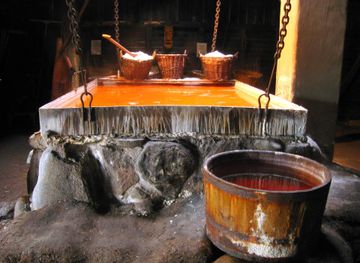
Læsø: Discover Denmark's serene island escape with its tranquil beaches, rich cultural heritage, unique saltworks, and delicious seafood cuisine.
Explore Læsø
Explore more of Denmark
Discover Denmark: A perfect blend of history, modern design, and the cozy concept of hygge. Explore vibrant cities, serene landscapes, and world-class cuisine.
Explore Denmark