Østre Foldgårdsø Travel Guide
Free Guide: Wild inland dunes, quiet heathland paths and layered island history meet in this protected corner of Læsø’s dune plantation, far from roads and noise.


A brief summary of Østre Foldgårdsø
Wild inland dunes, quiet heathland paths and layered island history meet in this protected corner of Læsø’s dune plantation, far from roads and noise.
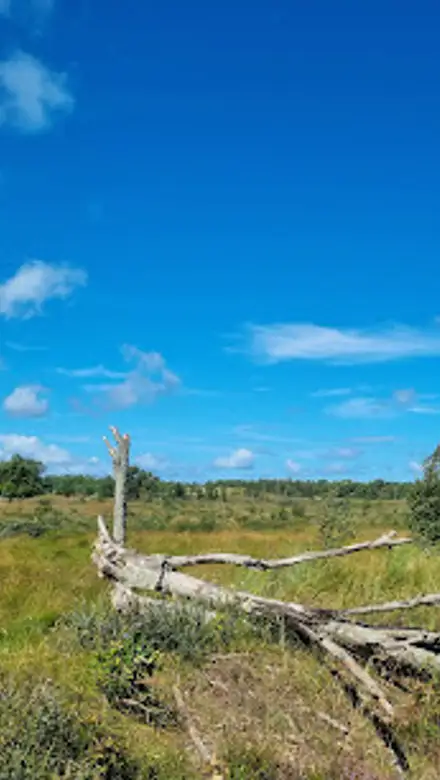
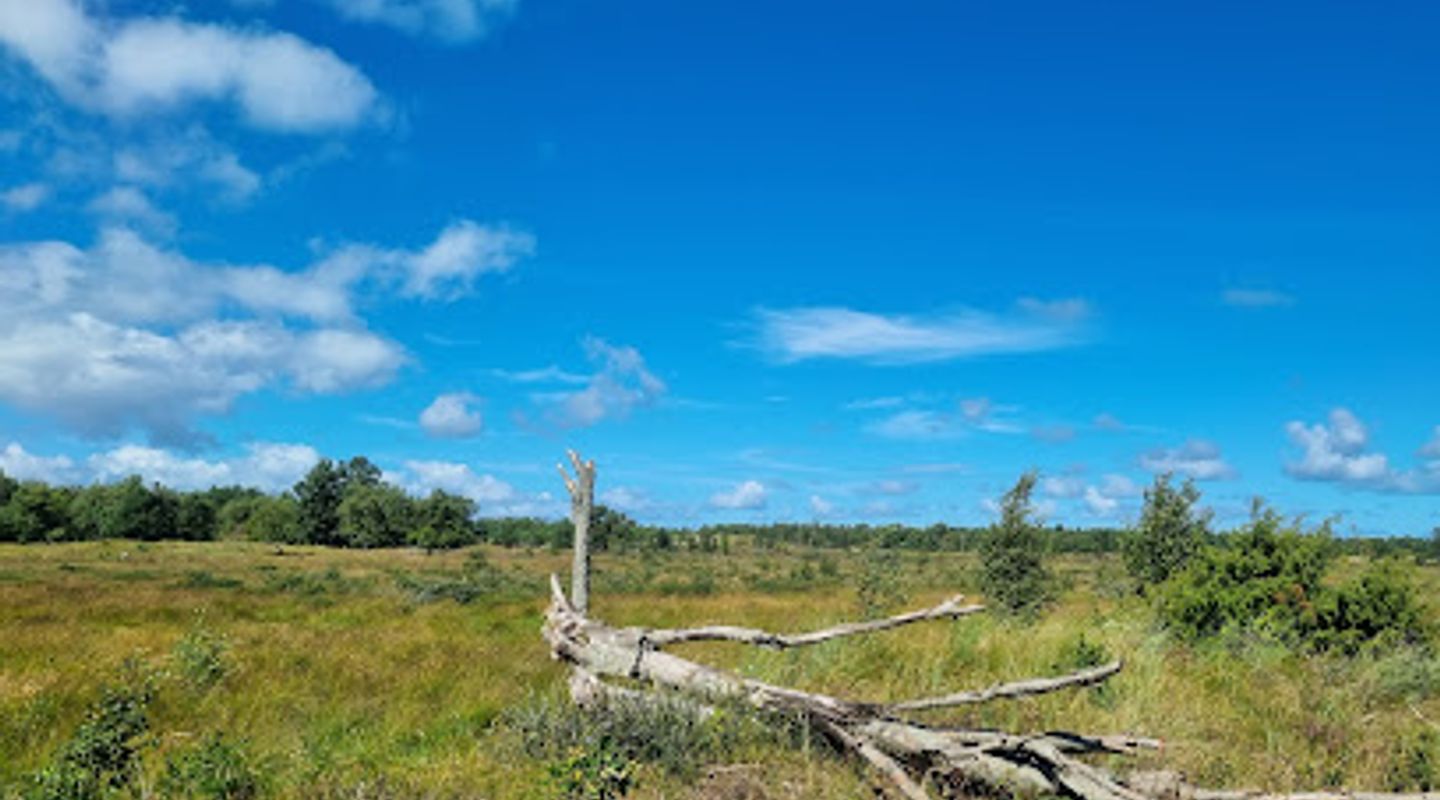
Østre Foldgårdsø lies within the protected Højsande and Holtemmen area in Læsø Klitplantage, on the northern half of Læsø. Here, towering inland dunes up to around 20–24 meters, heathland, scattered birch and oak, and wind-shaped pines create a wild yet gentle landscape shaped by centuries of sand drift. This quiet nature preserve offers peaceful walks, evocative island history, and opportunities to spot coastal birds and varied plant life in a distinctive Danish dune environment.
On-site amenities
 Information boards
- Address
- 9940 Læsø Municipality
- Website
Getting there
Car from Vesterø Havn on Læsø
Bicycle from Læsø villages
Walking from nearby plantation access points
Discover more about Østre Foldgårdsø
Sandscapes at the Heart of Læsø
Højsande and the small area around Østre Foldgårdsø sit in the middle of Læsø Klitplantage, the island’s great dune plantation on its northern half. This is one of the oldest parts of the island, where land uplift has raised former seabed into dry heights. Over time, powerful winds sculpted the loose sand into impressive inland dunes, some reaching more than 20 meters above sea level – strikingly high in an otherwise low-lying region. Walking here, you move through a landscape of ridges, hollows and gentle slopes that constantly shift with light and weather.Although it feels remote, the area is carefully protected as part of a wider nature reserve. Paths wind through the plantation and give access on foot to the dunes and heath, while grazing and selective tree management help keep the open character that makes the place so distinctive.
Traces of Sand Drift and Salt History
The wild forms of Højsande are not only a natural phenomenon; they also tell a story of human impact. In the 17th and 18th centuries, Læsø’s intensive sea-salt production demanded vast quantities of firewood. As forests disappeared, people also cut heather and peat for fuel. With little vegetation left to hold the soil, sand drift swept across the island’s north, burying fields, farms and even church sites under moving dunes. Højsande is one of the most tangible reminders of this period, its ridges a permanent record of those storms and shortages.Later, extensive planting of conifers and other trees stabilized the area and created the present-day plantation. Today’s conservation rules prevent building or cultivation, ensuring that the dunes, heath and woodland mosaics remain largely unchanged, even as modest nature management continues.
Heath, Woodland and Coastal Wildlife
The terrain around Østre Foldgårdsø is a patchwork of habitats. Dry ridges carry purple heather, crowberry and patches of reindeer moss, while hollows and wetter spots hold sedges, mosses and occasional bog pools. Stands of Scots pine, birch and oak soften the scene, providing shelter and contrast against open sand. In late summer and early autumn, the area glows with flowering heath and warm colours.Wildlife thrives in this varied setting. Adders are quite common across Læsø and can be encountered here on warm days, basking near paths or slipping into heather. Along the nearby coast and open shore, you may see cormorants drying their wings, eiders bobbing offshore, and waders probing the tideline. Gulls and terns patrol the sky, linking the dune interior with the surrounding Kattegat seascape.
Walking Among the Inland Dunes
For visitors, the appeal of Østre Foldgårdsø and Højsande lies in the simple pleasure of wandering. Narrow sandy tracks and forest paths rise and fall over the dune backs, sometimes opening suddenly onto broad views over treetops and out toward the sea. Underfoot, the ground can be loose and uneven, demanding sturdy footwear and a steady pace, especially on steeper sections of the higher ridges.There are no major built attractions or facilities within the protected core, which keeps the atmosphere quiet and contemplative. The soundscape is dominated by wind in the pines, rustling birch leaves and birdsong. On calm days, you may hear the distant surf from the northern coast; in stronger winds, the dunes themselves seem to hum.
Protected Nature on an Island of Reserves
Østre Foldgårdsø forms part of a network of protected areas across Læsø that include dune systems, heath, wetlands and shallow coastal waters. Much of this broader landscape is designated under European nature protection schemes for its birdlife and rare coastal habitats. Within Højsande and Holtemmen, the focus is on keeping the dune and heathland character, while allowing quiet public access on foot.Signs at plantation edges and information from the municipality explain local rules and seasonal considerations, such as restrictions in sensitive bird areas closer to the shore. Visitors are encouraged to stay on paths where possible, avoid disturbing wildlife and respect grazing animals that help maintain the open terrain.
Planning a Calm Nature Escape
Because the reserve lies in the island’s interior, it pairs well with a wider exploration of Læsø’s beaches, saltworks heritage and small villages. A visit here is not about ticking off a single viewpoint, but about taking an hour or two to slow down, breathe the resin-scented air and sense how wind, sand and human history have shaped this northern island. With no shops or cafés inside the protection area, it is wise to bring water and perhaps a snack, dress for changeable coastal weather, and give yourself time simply to enjoy the quiet rhythms of this unusual Danish dune landscape.
Evendo Review Centre
 Google
Guest reviews
Best time to go
Quietest: Jan, Feb & Dec · before 6am or at 8pm or at 9pm
Busy times are Evendo estimates for a typical year, to help you plan. Actual crowds vary with events, school holidays and the weather.
Explore Østre Foldgårdsø on the map
A handpicked selection of must-see spots near Østre Foldgårdsø, mapped for you.
Get your free copy of our complete guide to Østre Foldgårdsø, delivered straight to you.
Everything on this page, from opening hours and how to get there to Eve’s tips and the best time to go, in one PDF you can read offline, print or share.
Already have an account? Sign in
Your Østre Foldgårdsø guide is ready.
We'll send it to · Not you? Sign out

Getting your guide ready…
We are putting together a fresh copy of the Østre Foldgårdsø guide. This can take up to a minute.
This can take a few moments. If your browser asks, choose Allow so the download can start. You'll find the guide in your Downloads folder.
Nothing happened? Download it again
Sorry, the guide is taking longer than usual. Please try again in a minute, or get it by email instead.
Other nearby places you may find interesting
The closest places of the same kind, if this one is not quite what you had in mind.
-
-
-
-
-


Swipe for more places
More to explore near Østre Foldgårdsø

 Best experiences near Østre Foldgårdsø
 Best hotels near Østre Foldgårdsø
 Best landmarks near Østre Foldgårdsø
 Best attractions near Østre Foldgårdsø
 Best shops near Østre Foldgårdsø
 Best restaurants near Østre Foldgårdsø
 Best bars near Østre Foldgårdsø
Do you manage this location?
Take control to get all the benefits, like improved information, better appearance, and stronger visibility across AI-powered discovery.
Explore more
Explore more of Læsø
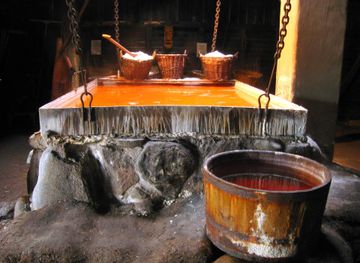
Læsø: Discover Denmark's serene island escape with its tranquil beaches, rich cultural heritage, unique saltworks, and delicious seafood cuisine.
Explore Læsø
Explore more of Denmark
Discover Denmark: A perfect blend of history, modern design, and the cozy concept of hygge. Explore vibrant cities, serene landscapes, and world-class cuisine.
Explore Denmark