Bulbjerg, North Jutland Travel Guide
A solitary limestone headland on Denmark’s northwest coast, Bulbjerg combines dramatic cliffs, seabird colonies and wartime history in a windswept, wide-sky landscape.
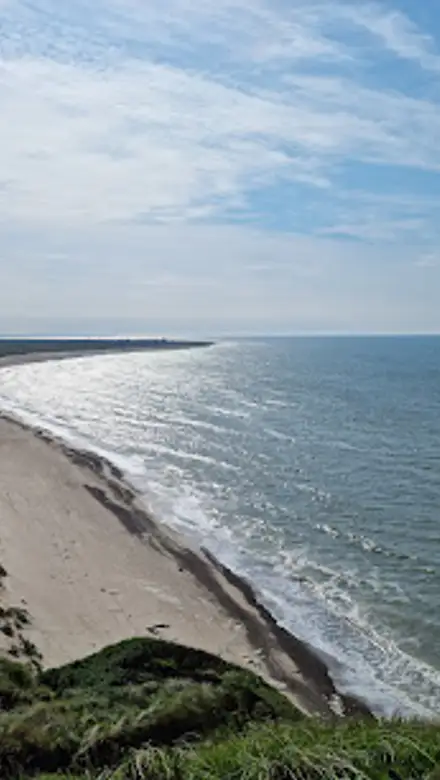
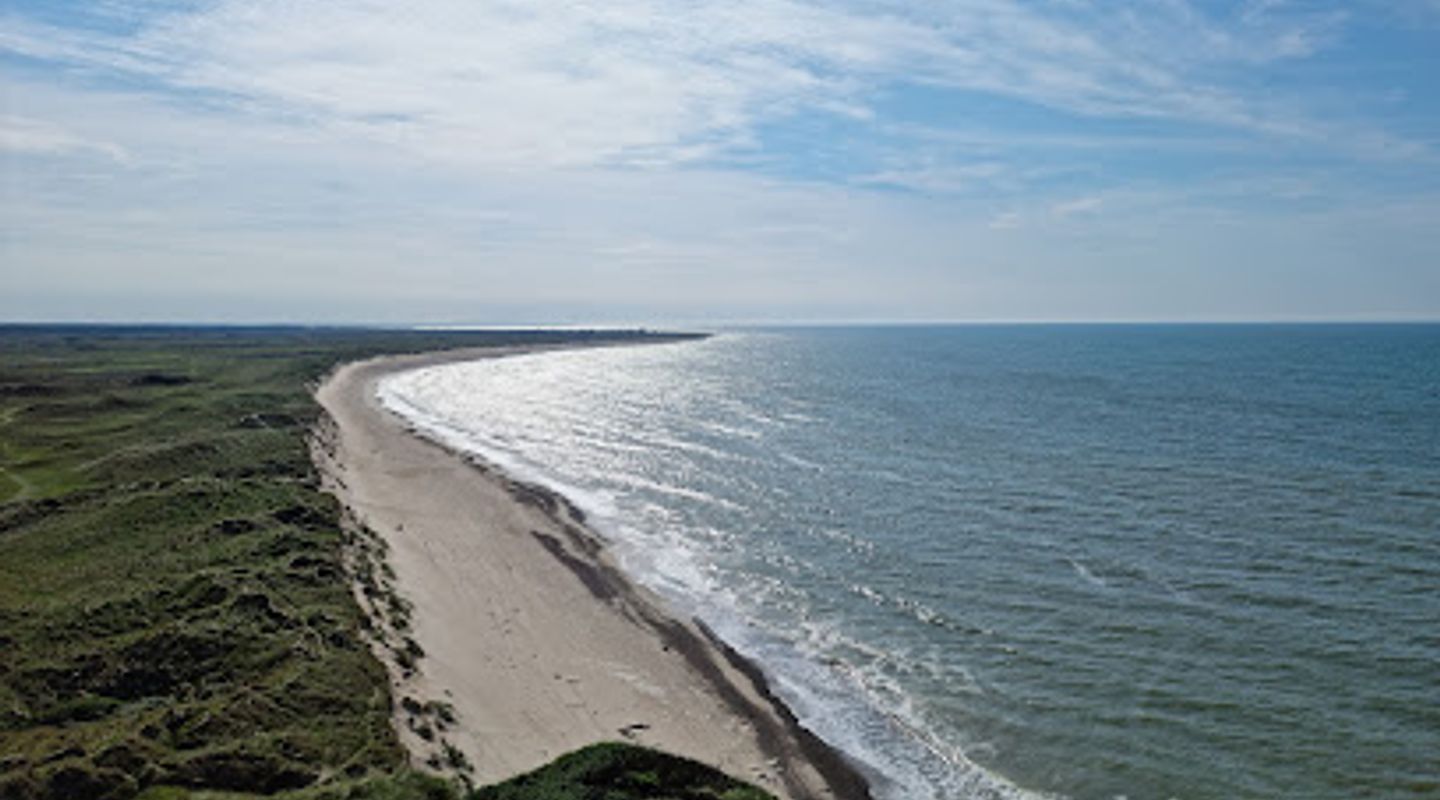
Bulbjerg is a striking 47 m limestone cliff on Denmark’s wild northwest coast near Frøstrup – the only true bird cliff on the Danish mainland and the sole mainland breeding site of black‑legged kittiwakes. Here the North Sea carves into bright chalk and flint, creating a dramatic contrast between white rock, dune-backed beaches and wind-whipped waves. Remnants of WWII bunkers, wide coastal views and rich birdlife make Bulbjerg a compelling stop in Thy’s rugged coastal landscape.
A brief summary to Bulbjerg
- Frøstrup, DK
- Duration: 1 to 3 hours
- Free
-
 Outdoor
- Mobile reception: 4 out of 5

Know before you go
Hi, I'm Eve. Here are a few practical things to know before exploring Bulbjerg.
- Bring warm, windproof layers year-round; the exposed headland can feel significantly colder than inland, even in summer.
- If you plan to walk on the beach below the cliff, wear sturdy shoes with good grip, as wet chalk and flint can be slippery.
- Carry binoculars or a zoom lens to fully appreciate kittiwakes on the cliff, passing sea ducks and occasional birds of prey.
- Allow extra time in late spring and early summer when bird activity is highest and the changing light on the cliff is especially striking.
- Use the restrooms near the parking area before heading out on longer walks, as there are no facilities along the beach.
Do you manage this location?
Take control to get all the benefits, like improved information, better appearance, and stronger visibility across AI-powered discovery. Learn more about listing your business on Evendo
Activate your presenceOther nearby places you may find interesting
The closest places of the same kind, if this one is not quite what you had in mind.
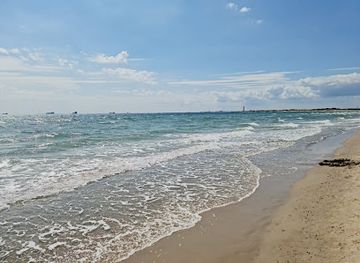
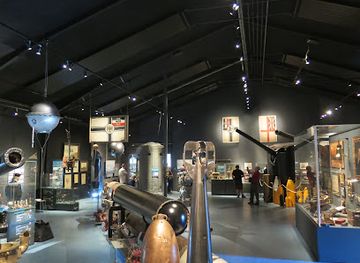
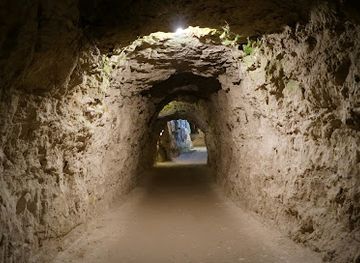
Explore Bulbjerg on the Map
A handpicked selection of must-see spots near Bulbjerg, mapped for you.
Getting There
-
Car from Thisted
From Thisted, driving to Bulbjerg via regional roads typically takes about 40–50 minutes. The route crosses mainly rural, two-lane roads that are straightforward to navigate but can be narrow in places. There is free parking close to the cliff, though spaces can fill during summer weekends and school holidays. Fuel stations are located in larger towns en route, so it is wise to fill up before leaving Thisted.
-
Car from Aalborg
Reaching Bulbjerg from Aalborg by car usually takes around 1.5–2 hours, combining major roads with quieter country stretches. The drive is uncomplicated but involves some exposed sections where strong coastal winds are common. Expect to pay standard Danish fuel costs only, as there is no entrance fee for visiting the cliff. In winter, check local conditions before setting out, as storms can make the last coastal stretch challenging.
-
Regional bus and bicycle from Frøstrup area
It is possible to combine regional buses to the Frøstrup area with a bicycle for the final part of the journey. Travel times vary widely but typically fall in the 1–2 hour range from nearby towns, with normal Danish regional bus fares. Services may be less frequent on weekends and public holidays. The last kilometres involve a noticeable climb to the headland and are exposed to wind, so this option suits reasonably fit cyclists comfortable with changing weather.
-
Cycling via local coastal routes
Bulbjerg can be included on longer cycling routes through Thy and the northwest coast, with travel times of 1–3 hours from nearby holiday house areas depending on distance. Roads are generally quiet but may have short hills and open stretches with little shelter from the wind. There is no charge to access the site, and bicycles can be left near the parking area; bring lights and reflective gear if you expect to ride in low light or coastal mist.
For the on-the-go comforts that matter to you
-
 Restrooms
-
 Seating Areas
-
 Trash Bins
-
 Information Boards
Discover more about Bulbjerg
Limestone giant on the edge of Jutland
Bulbjerg rises abruptly from the West Jutland coast, a 47 m high knot of pale limestone facing the restless waters of Skagerrak. The cliff is sometimes called “Jutland’s shoulder”, jutting into the sea where otherwise low dunes and sandy beaches dominate the shoreline. Seen from afar it appears almost isolated, a solid block of chalk and flint catching the shifting light and the full force of North Sea weather.Close up, the cliff face reveals bands of bryozoan limestone packed with ancient marine fossils. Erosion has carved ledges, pockets and overhangs, while fallen blocks lie scattered on the beach below. The combination of height, hardness of the rock and exposure to the sea has created one of Denmark’s most distinctive coastal landforms.Sanctuary in the sky for seabirds
Bulbjerg is the only true bird cliff on the Danish mainland, and that status is more than a curiosity: it is the mainland’s sole breeding site for the black-legged kittiwake. In spring and summer the ledges fill with these small gulls, their calls echoing off the limestone as they shuttle back and forth from the sea. The steep faces and narrow shelves offer protection from ground predators, making the cliff an ideal nesting wall.Out over the water, flocks of sea ducks such as common scoter and eider can often be seen diving for shellfish on the seabed. The cliff is also a vantage point for scanning passing seabirds and, in migration seasons, raptors riding coastal updrafts. The mixture of bird sounds, wind and surf gives the place an almost amphitheatre-like atmosphere, especially on blustery days.Traces of war above the waves
Bulbjerg’s commanding view over Jammerbugt gave it strategic importance during the Second World War. German forces installed observation posts and bunkers on the headland to watch shipping and aircraft along the coast. One concrete fortification still stands behind the cliff top, its thick walls now weathered by salt and sand.Today these remains offer a stark contrast to the surrounding dunes and grassland. They are reminders of how this remote-feeling corner of Denmark was once woven into wider conflict, chosen precisely because the views stretch for many kilometres in clear weather. Exploring the structures adds a layer of human history to a landscape otherwise shaped mainly by geology and sea.Skarreklit and the ever-changing coast
Just offshore once stood Skarreklit, a 16 m limestone sea stack that was a hallmark of Bulbjerg’s profile. In a violent storm in 1978 the column finally collapsed, leaving only its flint base visible at low tide when the sea is calm. Stories long circulated that the fall of Skarreklit would herald the end of the world – legends that underlined how iconic the stack was for coastal communities.The disappearance of Skarreklit illustrates how dynamic this coastline remains. Waves and winter storms continue to undercut the cliff foot, topple blocks to the beach, and shift sand along the shore. Walks at the base of Bulbjerg reveal freshly exposed faces, scattered boulders and changing patterns of debris, a reminder that the “solid” landscape is still in motion.Experiencing Bulbjerg today
Visitors encounter two very different perspectives: from the top, broad panoramas over dunes, heath and open sea; from the beach, the sense of standing beneath a towering wall of stone. Simple paths fan out over the grassy headland, while a steep route leads down to the strand where the waves break against chalky blocks and dark flint. The wind can be fierce, adding drama but also demanding warm, windproof clothing for year-round visits.Facilities near the parking area are basic but practical, and the setting remains largely open and undeveloped. Many people combine short walks with time simply watching the sea and birds, letting the play of light over the cliff and water provide the main spectacle. Whether approached as a geological curiosity, a bird habitat or a windswept lookout, Bulbjerg offers a concentrated taste of Denmark’s rough northwest coast.Nature, solitude and shifting light
Because Bulbjerg stands apart from major towns, it has an atmosphere of spaciousness and solitude, especially outside peak holiday weeks. Low coastal vegetation and wide skies emphasize the feeling of exposure to the elements. On clear days the horizon seems endless; on misty or stormy days the cliff looms more mysteriously out of the grey.The experience shifts with the time of day. In the soft light of morning and evening, the limestone glows with warm tones and shadows sculpt the cliff’s features. On bright, windy afternoons the colours become starker: white rock, deep blue sea, golden dunes. This constant change is part of Bulbjerg’s appeal, rewarding unhurried visits and quiet moments spent simply looking and listening.












Your all‑in‑one travel companion app
Explore expert travel guides, compare and book tours, experiences, hotels, and more—all from the palm of your hand. Download now for seamless trip planning wherever your wanderlust takes you.


Explore More of North Jutland
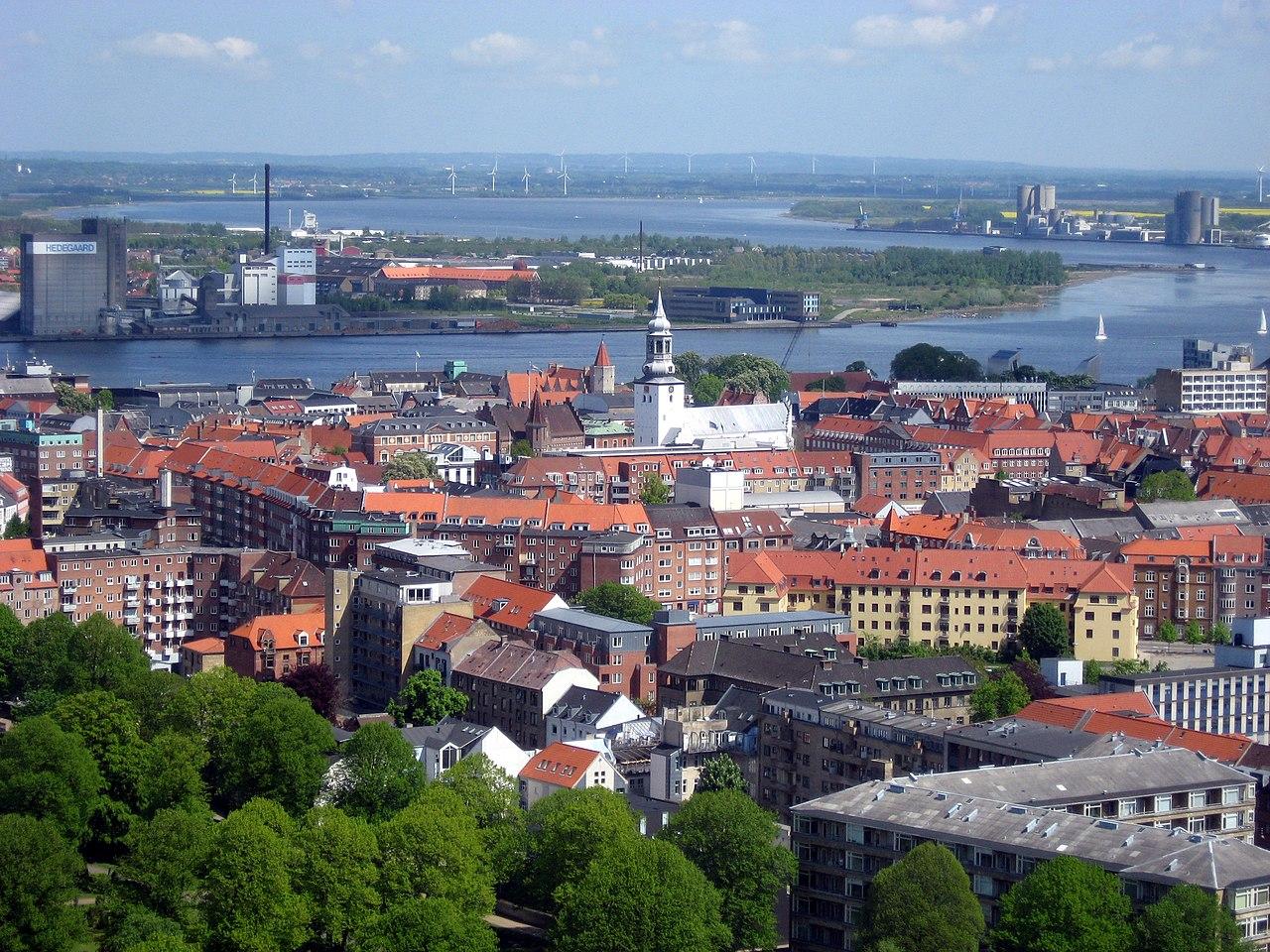
Looking beyond Bulbjerg? Discover North Jutland for broader travel guides, local hot-spots, and regional highlights.
Explore North Jutland